
Author: NS Dental

  • N.S. Dental Association Stressing Importance of Community Water Fluoridation

    N.S. Dental Association Stressing Importance of Community Water Fluoridation

    The Nova Scotia Dental Association (NSDA) launched an awareness campaign today (Friday, March 7), stressing the importance of community water fluoridation (CWF) and its willingness to work with municipalities to ensure its future.

    The campaign comes after it was revealed in the fall that the Town of New Glasgow plans to end CWF in the coming months when its current supply runs out, while timelines to resume fluoridation at Halifax Water’s Lake Major Water Supply Plant are uncertain.

    “Public health is our number one priority.” said Dr. Claire Karst, president of the Nova Scotia Dental Association. “The NSDA continues to vigorously support community water fluoridation as a necessary way to prevent tooth decay and promote oral health.”

    “Fluoridation has been proven to reduce tooth decay by up to 30 percent and the cost to fluoridate water pays for itself. Every dollar invested in community water fluoridation saves anywhere from $5 to as much as $93 in dental treatment costs for patients. Municipalities and utilities that decide to remove CWF will have to be prepared for a spike in associated dental costs for citizens.”

    Ten Nova Scotia municipalities currently provide fluoridated drinking water to most of their residents. The cost of ongoing maintenance and supply associated with CWF has been raised as a concern. However, Dr. Karst says the NSDA is willing to work with municipalities and utilities to provide guidance to those considering adding or maintaining fluoride in their potable water.

    “Nova Scotia’s dental and health communities believe we can’t afford not to fluoridate,” said Dr. Karst. “We pledge to work with all Nova Scotia municipalities and residents to help secure the future of community water fluoridation in this province.”

    Over the next two weeks, the NSDA will be posting information highlighting the importance of water fluoridation on its social media channels:

    https://www.facebook.com/NovaScotiaDentalAssociation

    https://www.instagram.com/nsdentalassociation

    https://www.linkedin.com/company/nova-scotia-dental-association

    Quick facts:

    • Community water fluoridation is the process of adjusting the level of naturally occurring fluoride in a public drinking water supply to optimize dental benefits. For more than 50 years, communities across Canada have used CWF as a safe and effective means of preventing tooth decay.
    • Fluoride is found naturally in soil, air, many foods, and both fresh and salt water. It helps strengthen teeth and prevent decay.
    • The Centres for Disease Control and Prevention (CDC) named community water fluoridation as one of the 10 great public health achievements of the 20th century and, for more than 75 years, scientific evidence has pointed to water fluoridation as safe and effective.
    • Tooth decay is the number one health condition among children and studies have shown a lack of fluoridation leads to a significant increase in cavities and the use of antibiotics.

    -30-

    Media Contact:
    David Salter
    Communications Manager
    Nova Scotia Dental Association
    902-420-0088 ext. 2
    communications.nsda@bellaliant.com
  • Dental Exams

    Dental Exams

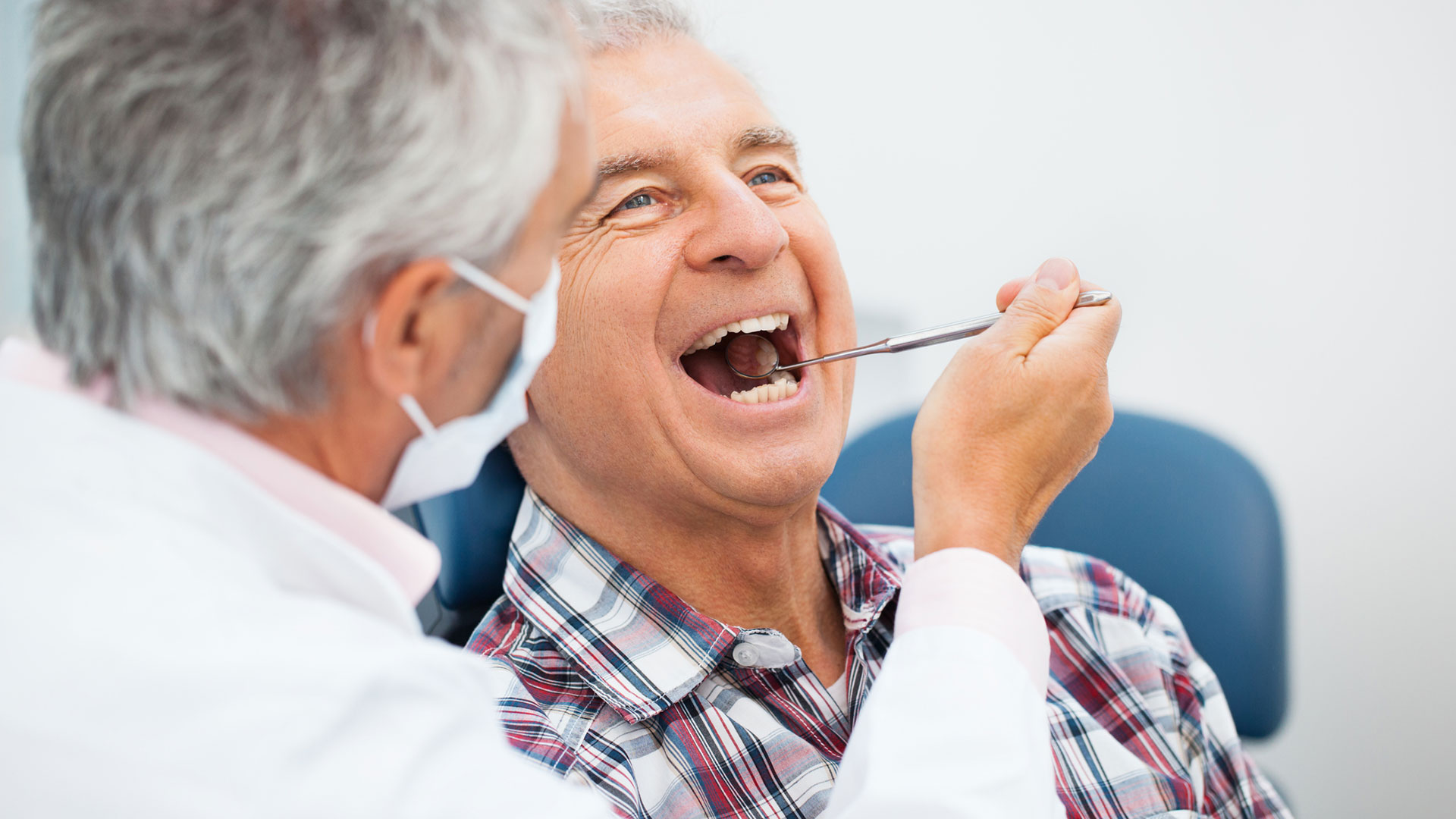
    If you’re not in pain, do you need to visit the dentist? Yes!

    Your dentist can see things you can’t. That’s one of the reasons regular dental exams are crucial to good oral health.

    Dentists do a lot more than freshen your breath and clean your teeth. Dental exams can detect problems early before they become more serious. Potentially serious conditions can show signs in your mouth without you even knowing.

    A simple oral exam from your family dentist can often identify if you’re at risk of serious issues to your overall health too, including diabetes, oral cancer, celiac disease and HIV/AIDS.

    What can you expect?

    Some of the things your dentist will look for during an exam include:

    • Damaged, decayed or missing teeth
    • Signs of gum disease
    • Signs of cavities
    • How previous dental work is holding up
    • Early signs of mouth or throat cancer
    • Position of your teeth
    • Signs that you clench or grind your teeth
    • Inspection of neck glands and lymph nodes
    • Health and function of your temporomandibular joint (which joins the jaw to the skull)
    • Suspicious growths or cysts
    • Signs of bleeding or inflammation
    • General condition of the bones in your face, jaw and around your mouth

    Read more about what your dentist will look for during an exam.

    Keep your dentist in the know

    It’s important to let your dentist know about your overall health so they can best treat your oral health care needs. Let your dentist know of any health conditions and medications you are taking even if they don’t seem pertinent. Talk to your dentist about any questions, concerns or changes to your overall health. View this checklist of things to discuss with your dentist.

    How often should I visit the dentist?

    How often you visit the dentist depends on your oral health care needs. For many, this is every six months. The frequency of your dental exams should be determined in consultation with your dentist.

    Visit your dentist if you have any of these warning signs.

    Photo credit: iStock.com/alvarez

  • Dr. Amanda Hill

    Dr. Amanda Hill

    Small Town, Big Heart, Strong Pulse

    The health of a community directly affects the health of its residents. That’s what Dr. Amanda Hill believes and what she practices every day as a general dentist and proud community member of Pictou County, Nova Scotia.

    Having grown up in the small town of Pictou N.S., Dr. Hill knew she wanted to attend a university that had a small community feel. She attended Saint Francis Xavier University (StFX) in Antigonish for three years before being granted early acceptance into the Doctor of Dental Surgery (DDS) Program at Dalhousie University (DAL), where she graduated in 2008.

    Dr. Hill always found herself immersed in the community where she was living and studying at the time, whether as an undergrad student at StFX or as a young dental student during her graduate studies in Halifax. As a member of the medical choir at DAL, an active participant of various intermural sports teams, and a dedicated committee member on various student-life groups, Dr. Hill reflects now and admits she was always looking for a new opportunity to get involved and meet new people.

    We knew we could do something positive for our community and the people in it. Pulse Pictou County could help attract and retain young people in the community and in doing so, we could boost morale and promote a culture of positivity. 

    Now a General Practitioner (GP) dentist in New Glasgow, Dr. Hill says not much has changed in that department. “Dentistry and community development have really become my life passions,” she says. “Looking back now, I can definitely say those earlier days of involvement and pride in community, no matter where I was, was strongly influenced by my roots in Pictou County. It’s part of what led me back almost nine years ago.”

    It was back in Pictou County where Dr. Hill and two friends, Jim Proudfoot and Stephanie Cooper, created Pulse Pictou County, a non-for-profit group dedicated to connecting and creating new opportunities for the young, working age demographic of Pictou County.

    A positive place to live

    Pulse Pictou County was influenced in part by the Ivany Report: Nova Scotia Now or Never in February, 2014. The report discussed the changes Nova Scotians needed to implement to succeed moving into the future. Dr Hill says there were three central themes that stood out in the report, two of which she and the two co-founding members of Pulse Pictou County knew they could address within their own community.

    “The report stated that Nova Scotians needed to address the downturned economy, the declining and aging population and the overall negative morale across the province,” says Dr. Hill.

    “We knew we could do something positive for our community and the people in it. Pulse Pictou County could help attract and retain young people in the community and in doing so, we could boost morale and promote a culture of positivity.”

    As a firm believer that Pictou County has many accomplishments and stories to celebrate, Dr. Hill knew bringing people together, connecting residents, and welcoming newcomers was what would make Pulse Pictou County a success.

    “We have so much to be proud of here,” she says. “We need to share that.”

    Pulse Pictou County strives to unite people through social events based in professional development, community initiatives, and athletics and wellness. The group also has a focus on promoting civic engagement, such as hosting candidate debates for the previous federal election, and facilitating community information sessions during the most recent municipal elections.

    Dr. Tahmir El-Tahan, a sports medicine Orthopedic Surgeon moved to Pictou County with his wife, Melissa four and a half years ago. Originally from Saint John’s, Newfoundland, Dr. El-Tahan and his wife didn’t know anyone from Pictou County or anything about the community itself.

    An avid and passionate player of ultimate Frisbee, Dr. El-Tahan joined the local Ultimate Frisbee League in Pictou County to meet new people. It was there that Dr. El-Tahan first met Dr. Hill and now sits alongside her as a board member for the league. He says its Dr. Hill’s dedication, passion, and energy that have not only made the league a success, but Pulse Pictou County as well.

    “It’s an incredible thing to be able to bring young professionals in the community together in a social capacity, but also to do it with the intention of bringing people together with ideas about community development and entrepreneurship.”

    He says he and his wife have both benefited greatly from Dr. Hill’s efforts with respect to Pulse Pictou County and credit her and her co-founders efforts with making Pictou County feel like home.

    “Nearly all of our friends can be traced back to a social event Dr. Hill has put on through Pulse Pictou County,” he says. “The networking ideas and resulting friendships are one of the reasons that we are truly settled and happy in our small town.”

    A healthy community is a strong community

    Dr. Hill believes being a dentist in her rural area of Pictou County has provided her with a very special and unique opportunity to not only treat patients, but connect and listen to those individuals who are also her neighbours.

    “As a dentist, you see so many people,” she says. “By simply talking to them, you get a true sense of what’s going on in your community and in my case, you can’t help but want to give back.”

    Whether through coaching or working with a food bank, Dr. Hill says there are many small ways to get involved in a community that can leave a lasting impact—and recommends it to all.

    When asked why she does it, Dr. Hill says it’s simple. “It fills me with joy.”

    “I’m passionate about my profession and my community – making it a healthier and better place to live is what I love to do.”