Tag: Dalhousie Dentistry

  • Dalhousie grad profile: An adventure in periodontics

    Dalhousie grad profile: An adventure in periodontics

    Photo by Bruce Bottomley

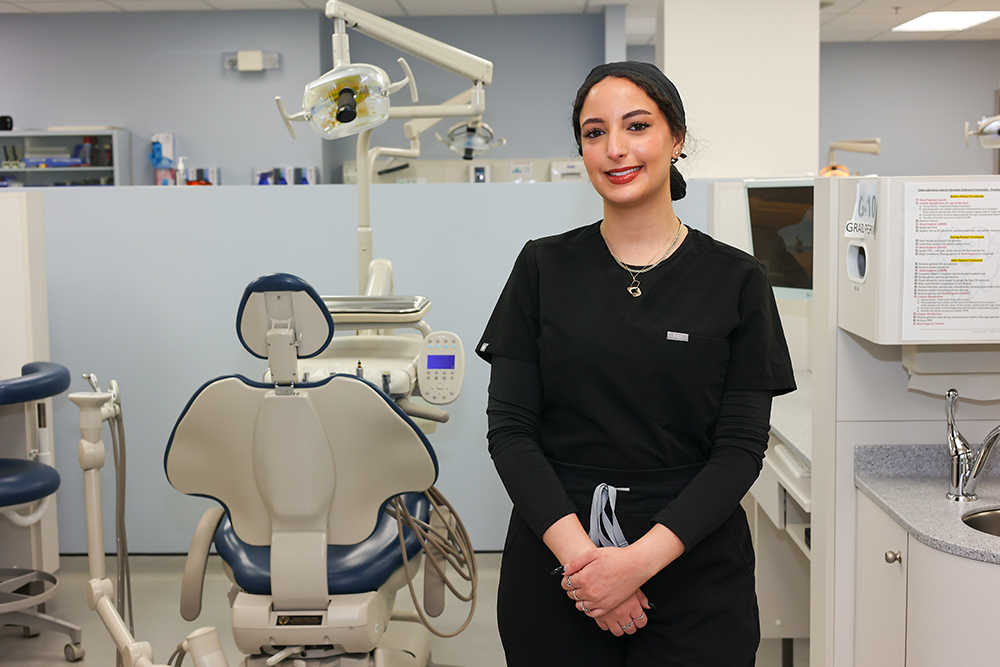
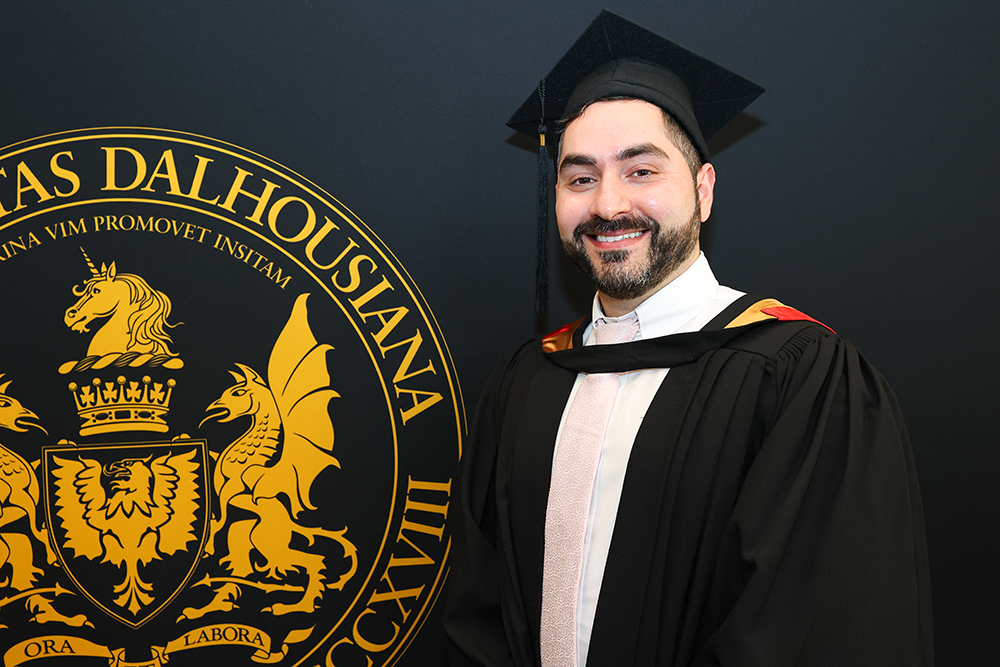
    Haider Hussain’s (MPerio’24) first experience of Canada was from the window of a quarantine hotel. It was May 2021, and he had arrived from the United Kingdom to take up his place on the master of periodontics program at Dalhousie University.

    He was undaunted. “I like an adventure,” he says.

    On the move

    Hussain’s adventures began long before he reached Canada. He and his family moved from Saddam Hussain’s Iraq to the U.K. when Hussain was in his early teens. The move was “challenging,” he says, forcing him to grow up before his time.

    The family settled in Leeds, West Yorkshire, which offered Hussain’s parents — both engineers — work opportunities in a multicultural city.

    Many of Hussain’s family members are doctors and dentists, so when he was deciding what to study at university, health care was a clear choice. At school, he was able to get a few weeks’ work experience in a couple of dental practices. He gained similar experience in a GP’s medical practice, but didn’t find it as engaging.

    “With dentistry you’re doing lots of things with your hands and being artistic,” Hussain explains. “You’re managing patients and staff, and there’s also a giving-back aspect to it.”

    In the U.K., students can study dentistry straight out of high school. And, so, in 2006, Hussain began his five-year dentistry training at the University of Manchester, followed by a compulsory foundation year, which is a salaried position during which new dentists work under supervision.

    Only a certain number of practices offer foundation-year placements, and Hussain’s was in a high-needs area near Sheffield. He treated patients needing multiple restorations, extractions, and full mouth rehabilitation, and gained an appreciation for “delivering dental care centred on disease prevention.”

    After foundation year, Hussain needed a job. Like other junior dentists in the U.K., he worked for the National Health Service (NHS). He gained more experience and built up his speed, but in many ways, the work wasn’t satisfying enough.

    “I understood the need to be fast, but I also wanted to give patients a good experience and for them to want to come back,” Hussain says. “I knew then that I wanted go into private dentistry.”

    The road to periodontics

    Hussain registered for a 15-day restorative certificate course at the Manchester Dental Education Centre, which he took over the course of a year while continuing to work. It was, he says, a “crash course on all the specialities.”

    The course opened the door to periodontics. Hussain was intrigued and attracted to both the aesthetic and surgical aspects of the speciality, and procedures such as crown lengthening and gum and bone grafts. He explored part-time programs that would give him skills and knowledge in more advanced periodontal treatment. A three-year masters in clinical periodontology at the University of Central Lancashire in Preston was the result.

    Although combining his practice commitments with his studies and travelling to back and forth to Preston was hard, Hussain says the masters program ignited his passion for periodontics. “There were lots of non-surgical treatments,” he says. “I was also able to do some surgeries, including guided tissue regeneration around implants, plus practising on pig jaws, treating patients, and a dissertation in third year.”

    Hussain’s first masters was an introduction to the speciality, but it didn’t make him a specialist. That was why he came to Dalhousie to do a second one. He explored options in the U.K. and other countries, but Dr. Matthew Morris (MPerio’23), whom he met during his first masters and who was already in the Dal program, encouraged him to come to Halifax.

    Ready for Dal

    The interview for the Dal residency took place over Zoom because of COVID restrictions, denying Hussain an opportunity to visit campus.

    “I was really impressed by the questions and by how chilled and relaxed the interviewers were,” he says.

    Hussain was also given a lot of information about the program and the types of procedures he would be doing, including gum grafts using multiple techniques. He says it was a “lightbulb moment” when he recognized the scope for soft tissue grafting and the “artistic side of perio” a North American program would offer him.

    He was not disappointed. “Dal offers a true speciality training program,” he says. “You’re not only being tested on your skills; you’re also being tested on the way you look for knowledge and gain that knowledge. I think this is what sets it apart from other programs.”

    Hussain was ready for a program like this.

    “I wanted to be a specialist,” he says. “I wanted an adventure. If that meant a new culture, a new place, new ideas, and working in a new country, I thought it would be stupid not to take that perfect opportunity.”

    For Hussain, the adventure is not over. After his board exam, he will be volunteering with Crisis Management Association (crisismanagementassociation.com) at a refugee camp on Lesbos, a Greek island, where around 6,000 refugees from Syria, Yemen, and Somalia wait for their paperwork to be processed.

    “It’s something I’ve always wanted to do,” he explains. “I’ve done some volunteering and I like the idea of giving back and meeting like-minded people.”

    After some time at home in the U.K., Hussain plans to return to Nova Scotia.
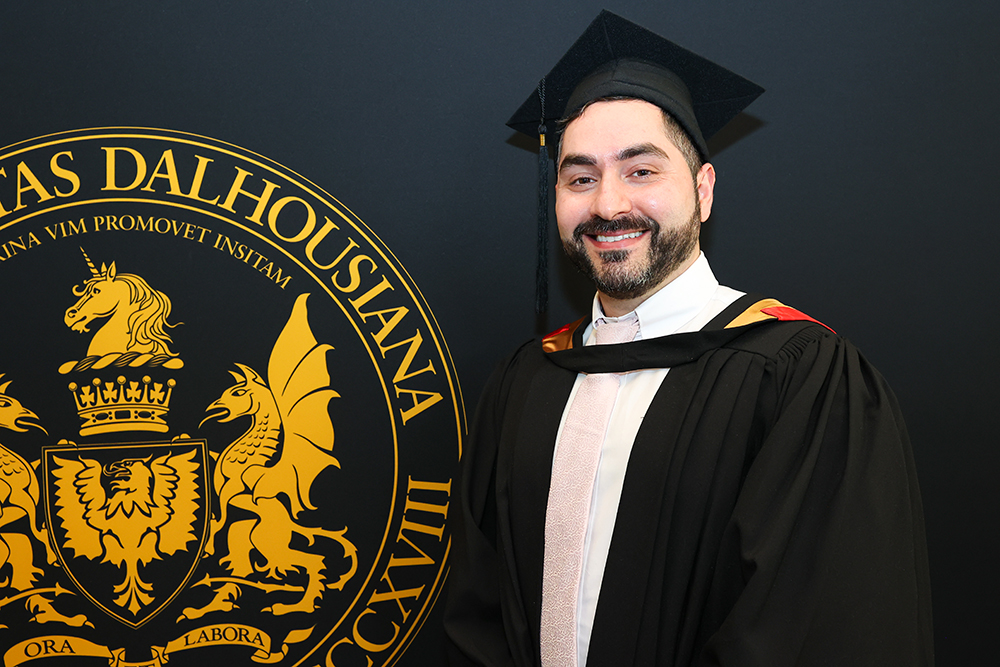
    Haider Hussain.
    Photo by Bruce Bottomley
  • Dalhousie grad profile: From refugee to patient advocate

    Dalhousie grad profile: From refugee to patient advocate

    Photo by Bruce Bottomley

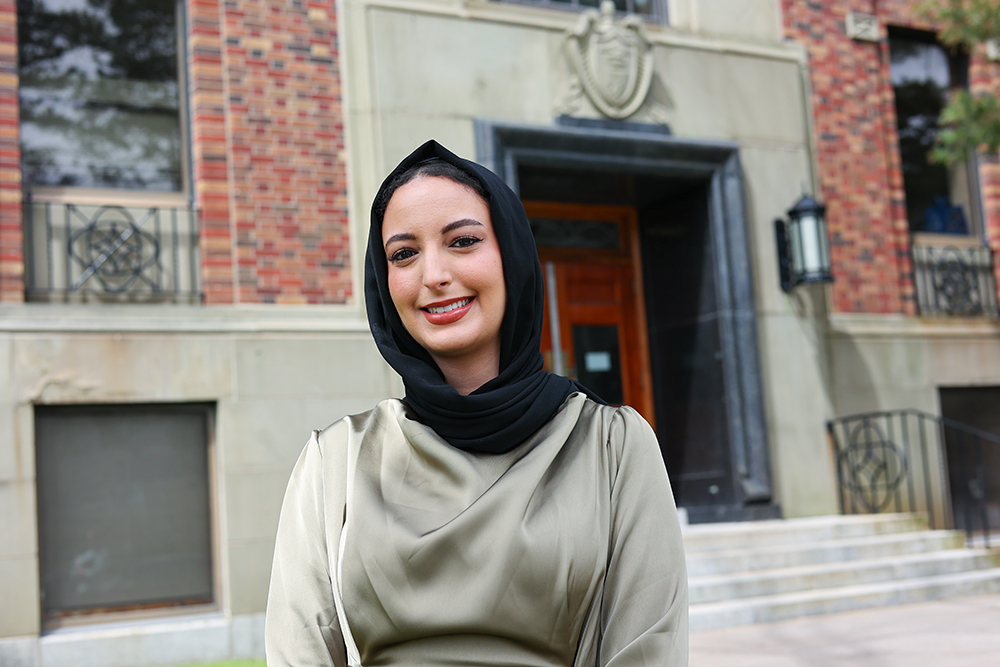
    Mariam El-Aghil (BSc’18, DDS’24) says there wasn’t a single defining moment that convinced her to become a dentist, but that growing up during the civil war in Yemen played a big part. Her experiences in her home country not only inspired her to become a health care professional, but also opened her eyes to the struggles of underserved populations. As a practising dentist, she aims to help these populations with their oral health.

    A new life in Canada

    El-Aghil left Yemen in 2013. She was 16, had completed high school, and arrived in Halifax to join her two older brothers and go to university. Her parents and sister remained in Yemen.

    It was a new country, a new culture, and a new education system, but it offered a safer future than the country she had left behind, where bombs and bullets disrupted both her school and home life. She says she would often study wearing a headlamp when there was no electricity.

    El-Aghil landed in Canada as an immigrant, but by the time her sister arrived in 2016, the situation was worse in Yemen and there was no going back. They both successfully applied for refugee status and became Canadian citizens. Their parents arrived in Canada in 2021 after moving between Jordan, Egypt, and Turkey.

    The making of a dentist

    El-Aghil’s first step to becoming a dentist was completing Dalhousie’s honours program in microbiology and immunology. She worked as a teaching assistant and tutor and discovered a love of teaching. “I definitely hope it will be part of my future,” she says.

    Before El-Aghil arrived in Canada, she already had ambitions to help relieve the hardships of underserved populations. “In high school, I co-founded a non-profit organization in Yemen to distribute basic life necessities to around 250 people in the first year, and 500 people in the second year, after the war started,” she says. During her undergrad years at Dalhousie, she volunteered as a coordinator for the annual Terry Fox Run.

    In dental school, El-Aghil’s focus shifted to the Government Assisted Populations (GAP) outreach clinic, where she worked as a language interpreter and eventually became volunteer coordinator. This clinic provides oral health care to new immigrants and refugees at no charge to the patient. She was also vice-president of her class and a member of the EDIA committee.

    “Canada opened up its arms to me when I came here,” says El-Aghil, explaining her drive to give back to the community. “I wanted to pursue health care so that I could help underserved populations and enable them to have better oral health care.”

    A special opportunity

    During her fourth year of dental school, El-Aghil’s interest in outreach took an interesting turn. The Faculty of Dentistry invited applications from students who were interested in attending the Student Diversity and Leadership Program at the American Dental Education Association (ADEA) conference in New Orleans in March 2024. The theme was emergency preparedness and underrepresented populations. El-Aghil was the successful applicant.

    For two full days, she and other students from the U.S. and Canada discussed different types of emergencies and how to prepare for them. They also worked on group projects. What El-Aghil found particularly interesting were the types of emergency preparedness training students from other places received at their dental schools, such as how to deal with mass shootings.

    A major take-away for El-Aghil was the concept of providing mobile dentistry in the event of an emergency — using a bus equipped with dental equipment, for example. “I thought this idea could be useful as part of outreach as well as during emergencies,” she says.

    What next?

    To boost her capacity to provide more complex treatment and outreach, El-Aghil successfully applied to do a general practice residency (GPR) in the Faculty of Dentistry. The plan to do the GPR grew out of the dental public health elective El-Aghil has been taking this year.

    In doing this course, she saw more complicated cases, including patients with more comorbidities and mental health issues. “I felt I needed additional training in handling patient emergencies to be equipped to manage the needs of the populations I want to care for,” she explains.

    El-Aghil plans to continue to act as the volunteer coordinator in the GAP clinic while she does her GPR. After that, it’s a blank map, but she hopes to stay in Atlantic Canada and possibly find position in rural Newfoundland.

    Looking back on her decisions and educational path so far, El-Aghil says she considered studying medicine instead of dentistry. Ultimately, though, she chose dentistry because oral health care is not a priority in Yemen. Visits to the dentist usually only take place when there is a problem, such as a toothache.

    “I wanted to do something that wasn’t common back in my home country in the hope that I can help people who are coming to Canada,” she says. “I want to help them develop better oral health care and provide more advocacy for them. That was why I chose dentistry in the end. It was an easy decision.”

    Mariam El-Aghil’s sister, Mawada El-Aghil, graduated from the Faculty of Medicine on May 28, 2024.

    Mariam El-Aghil.
    Photo by Bruce Bottomley
  • Dalhousie Oral Health Professional series: Senior student panel

    Dalhousie Oral Health Professional series: Senior student panel

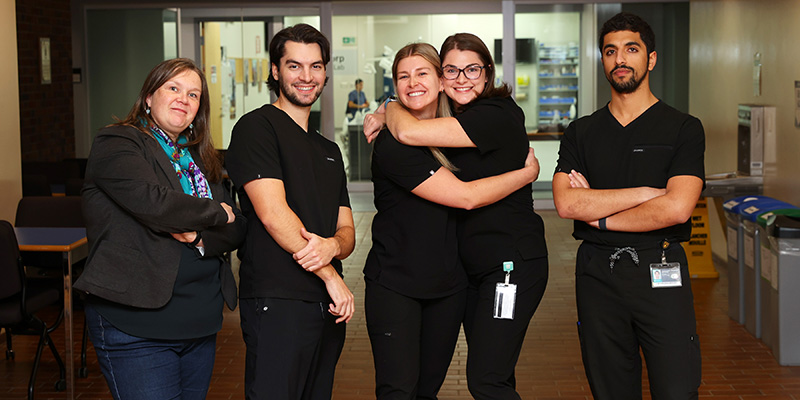
    Above: From left, Dr. Ferne Kraglund, Jared Lush, Cecilia Keith, Jillian Bishop, and Mohammed (Mo) Alabdoulsalam. Photos by Nick Pearce

    They may have come for the pizza, but they appreciated what they learned, too.

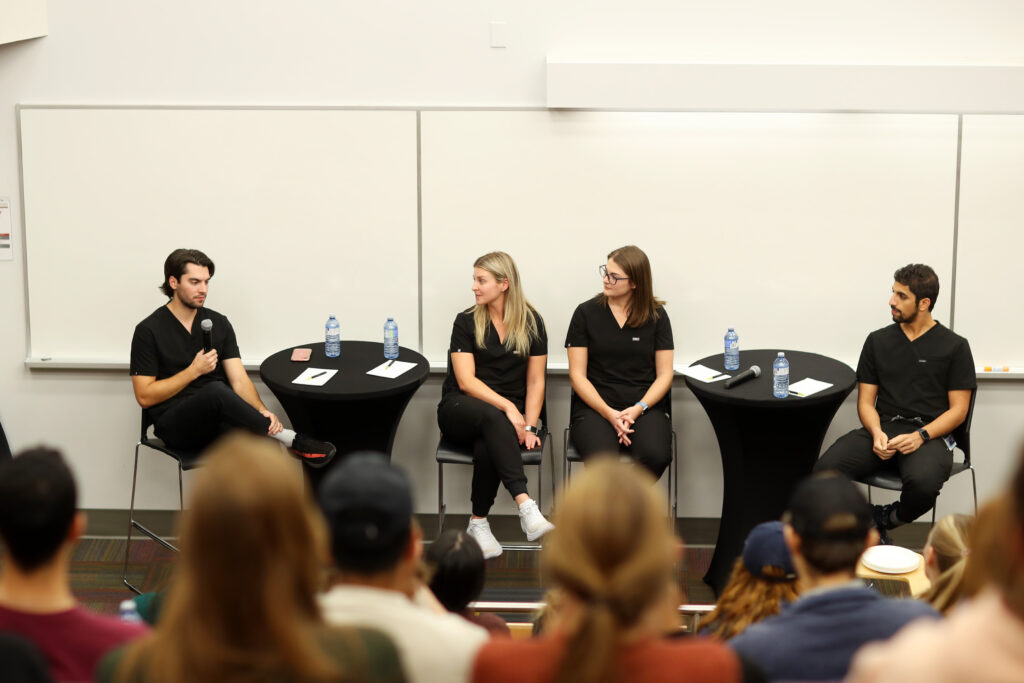
    More than 40 DDS1 and DDS2 students gathered in Dalhousie Dentistry’s Room 3156 early in the evening of November 1 to hear a panel of four DDS4 students tackle their questions, ranging from “what did you wish you had known in first year?” to “when did you feel like dentistry was right for you?” to “what’s your sleep schedule like?” The event was part of the Oral Health Professional series, taking place this year in the Faculty of Dentistry.

    The four panelists were Mohammed (Mo) Alabdoulsalam, Jillian Bishop, Cecilia Keith, and Jared Lush. Dr. Ferne Kraglund, associate dean of students, moderated the event.

    ‘What do you wish you knew in first year?’

    The first question asked was, “What do you wish you had known in first year?”

    Don’t try to be perfect was Mo’s advice. “Put the effort in and you’ll find it works out, but don’t get too caught up in the small stuff,” he says. “Keep your notes organized and think ahead about what you’ll need for your board exams.”

    In a similar vein, Jared pointed out that dentistry students are used to being high achievers, and that dealing with criticism can be difficult.

    “You might feel beaten down by the critical feedback you receive, but the important thing is to learn from it and be positive,” he says, adding that dental school is an accumulation of knowledge. “We’re studying for four years for the rest of our careers.”

    Like Mo, Cecilia recommends keeping on top of notes. When you have 10 exams in two weeks, she says, you need your notes to be in good order.

    Jillian suggests students come to clinic. “We always need people to help and it’s a great way to learn by watching,” she says.

    Co-operation rather than competition

    The senior students also talked about the importance of not being competitive and helping each other by sharing lecture notes and tips they picked up. “Karma in, karma out,” agrees Dr. Kraglund, and Jillian adds that the small group practice model was introduced to get everyone familiar with working with one another — not competing.

    When it came to dealing with stress and pressure, Cecilia recommends DDS1 and DDS2 students enjoy their summers while they can. The other panelists suggest instructors and upper-year students are also there to help.

    Jared says he tries to exercise after classes are finished for the day. “It makes me feel better and more energized when I sit down to work,” he says.

    All four panelists recommend students prioritize getting enough sleep and outline their routines and habits.

    Stressing the positives

    Other topics covered were extracurricular activities, how to deal with failure, what to do during the summer breaks, and preparing to treat patients. Above all, though, the panelists stressed the positives: the success involved in being accepted to dental school, the opportunity to make life-long friends, the help and support of instructors and other students, and the satisfaction in giving back to classmates and the wider community.

    Feedback from the DDS1 and DDS2 students after the event was encouraging. They felt the major topics of concern were addressed, and that the senior students were very open with them. They also enjoyed seeing the friendly interaction and connection between the four panelists.

    One DDS1 student, Clay Smith, found the panel’s ability to empathize with first-year students’ current situation was “comforting and motivating.”

    Without a doubt, he adds, “I would highly recommend this event!!”

    Photos by Nick Pearce
  • Welcome to the Profession 2023: Paving the way for success

    Welcome to the Profession 2023: Paving the way for success

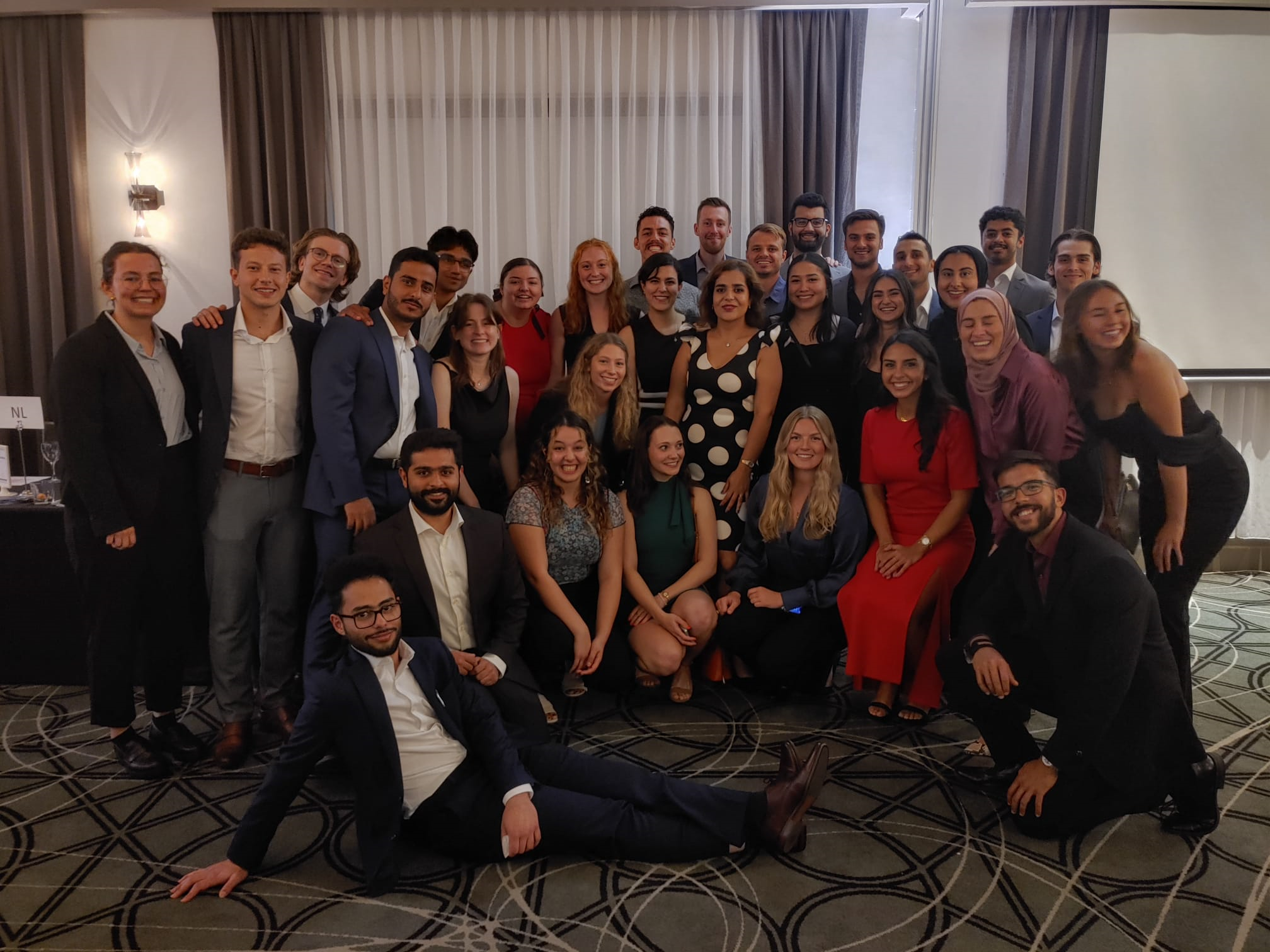
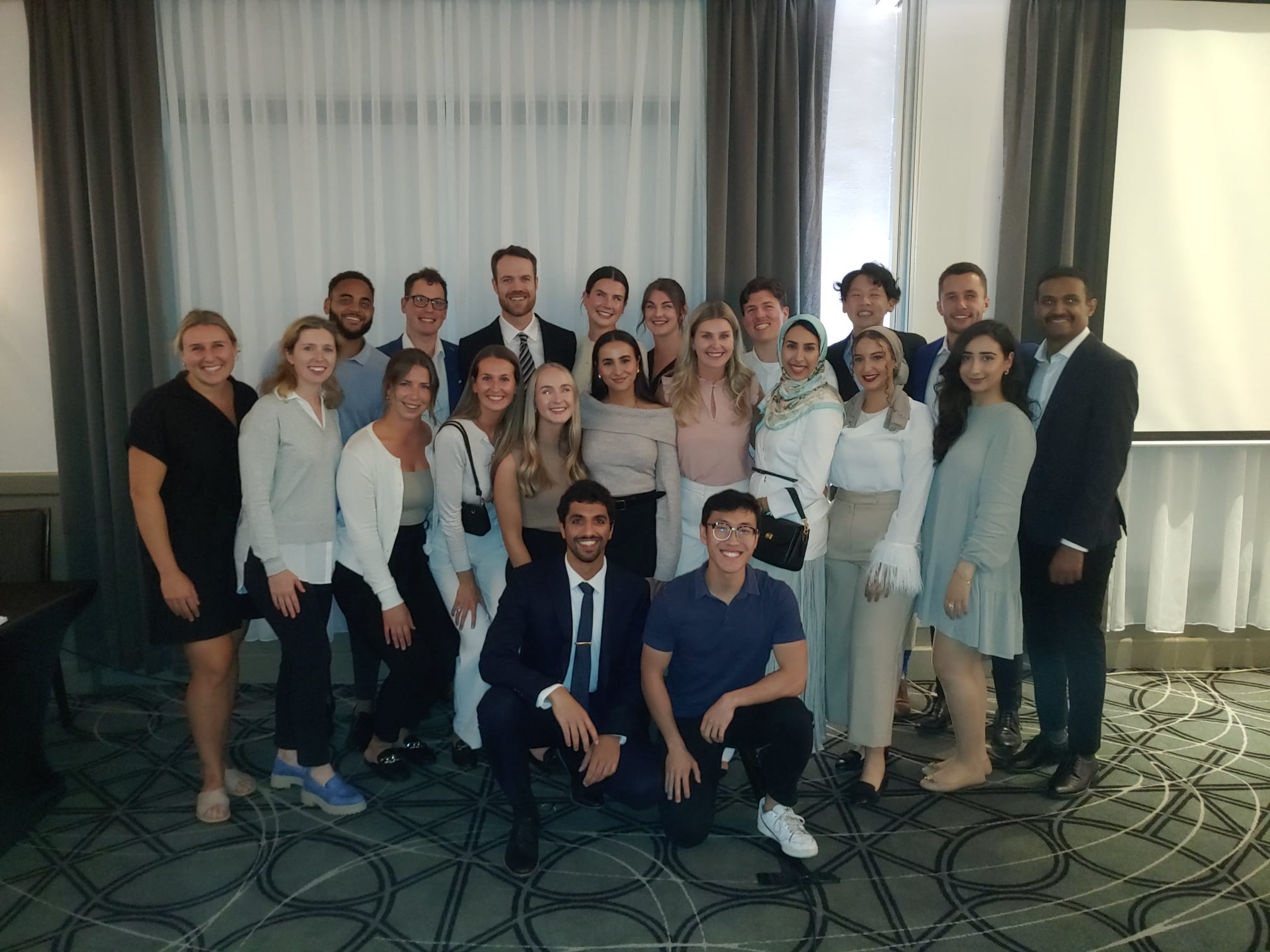
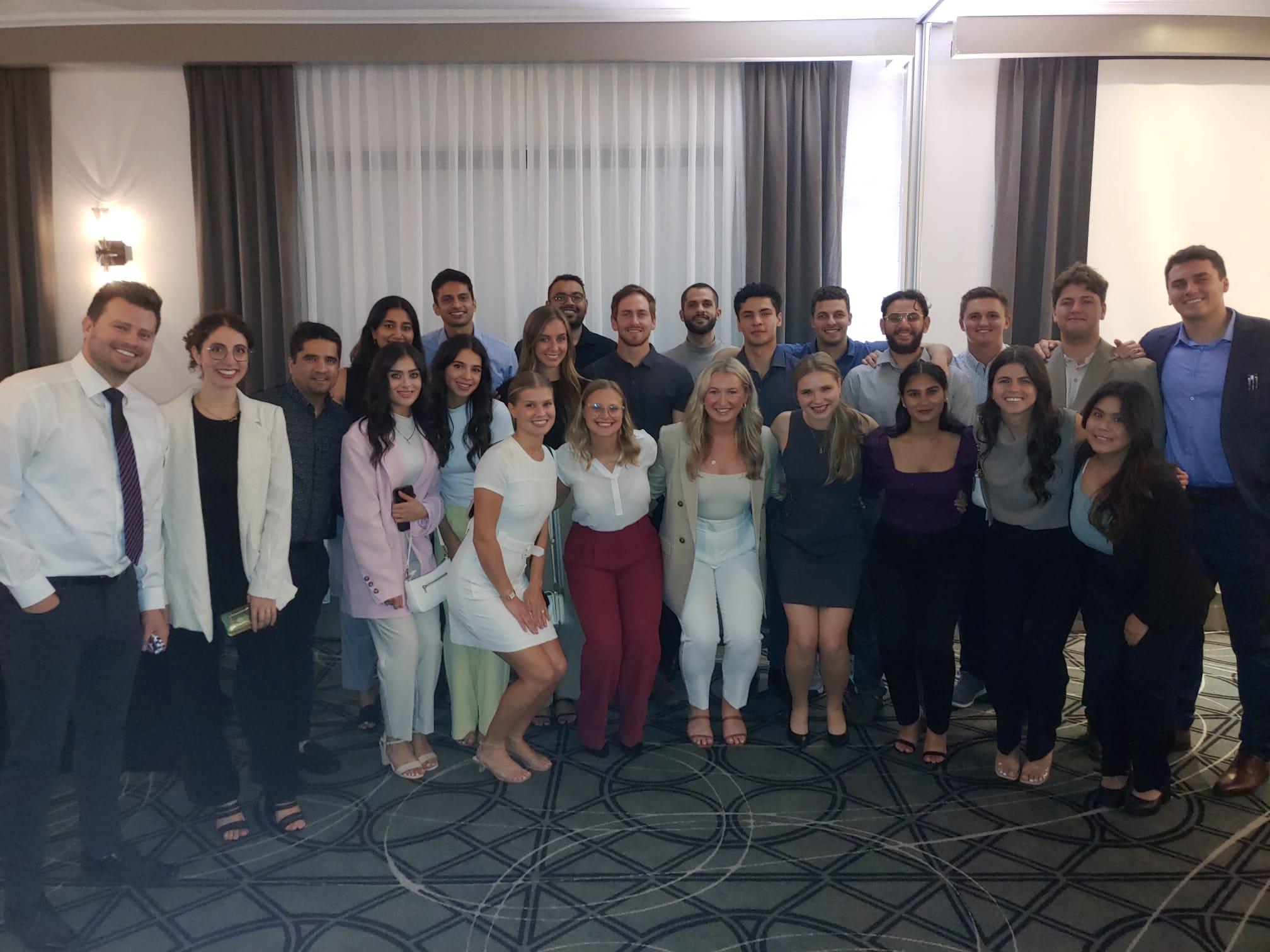
    Nova Scotia’s next generation of dentists gathered at The Prince George Hotel in downtown Halifax on Sept. 7 to mark NSDA’s annual Welcome to the Profession event.

    Sponsored by CDSPI, the celebration hosted dozens of first- to fourth-year Dalhousie Dentistry students for an evening of good food, refreshments, and, of course, networking. Many special guests were in attendance, including NSDA committee members, as well as representatives from CDSPI, the Provincial Dental Board of Nova Scotia, and the Faculty of Dentistry at Dalhousie University. Members of the New Brunswick Dental Society, the Dental Association of Prince Edward Island, and the Newfoundland and Labrador Dental Association also joined in on the fun.

    This year’s theme was “Atlantic Provinces: Trivia.” Attendees were invited to put their East Coast knowledge to the test and take part in some friendly competition.

    “The Welcome to the Profession night is always a highlight of the year for the NSDA,” says Dr. Juli Waterbury, the association’s president. “For the students, it is an introduction to their chosen profession and the roles of the dental associations in the Atlantic provinces. For the NSDA, it is a reminder of the great potential, enthusiasm and promise the students from Dalhousie University will bring to dentistry in Canada.”