
Tag: dental implants

  • Implant recall: The 12-point inspection

    Implant recall: The 12-point inspection

    By Dr. Stacey Matheson

    Five million implants are placed every year in the U.S., according to Google. Peri-implant tissues must be inspected regularly and can be diagnosed as healthy, or as having peri-implant mucositis or peri-implantitis. The 2018 World Workshop on the Classification of Periodontal and Peri-Implant Diseases and Conditions has established clear case definitions for all of these peri-implant conditions.

    • Health: Absence of inflammation, absence of bleeding or suppuration on gentle probing, no increase in probing depths compared to previous examinations, and absence of bone loss beyond the crestal bone level changes resulting from initial bone remodelling. There is an allowance for 1 bleeding point around the tooth.1
    • Peri-implant mucositis: A reversible inflammatory state where there is presence of bleeding and/or suppuration on gentle probing with or without increased probing depth compared to previous examinations, and absence of bone loss beyond the crestal bone level changes resulting from initial bone remodelling.
    • Peri-implantitis: An irreversible inflammatory state where there is presence of bleeding and/or suppuration on gentle probing, increased probing depths compared to previous examinations, and presence of bone loss beyond crestal bone level changes resulting from initial remodelling.

    Peri-implantitis can lead to loss of the dental implant. This state progresses in a non-linear fashion and at a much faster rate than periodontitis. As such, it is critical to pick up peri-implant problems early. Baseline data should be recorded once the implant is restored, including probing depth and radiographic bone height against which all future measurements would be compared.

    Moreover, all implant patients should be placed on a maintenance program (every three to six months) immediately upon implant restoration in order to prevent disease around the implant. Patients who comply to regular professional maintenance have a much lower likelihood of developing irreversible problems. Indeed, patients with peri-mucositis who do not have regular professional implant maintenance are 43% more likely to develop peri-implantitis, and only 18% who have regular implant maintenance by a dental professional develop peri-implantitis.2

    What should we look for during an implant recall examination? Try this 12-point inspection:

    1. Probing depth* ***
    2. Bleeding on probing*
    3. Suppuration**
    4. Keratinized tissue
    5. Recession
    6. Occlusion
    7. Interproximal contacts
    8. Embrasure spaces
    9. Mobility
    10. Condition of the prosthesis
    11. Plaque biofilm
    12. Radiograph***

    * Use a metal or plastic probe with gentle force
    ** Suppuration on probing or by milking the tissues
    *** Compare to baseline

    After the 12-point inspection, clean-check-clean, educate, motivate, and book the next recall appointment.

    For the next issue of Nova Scotia Dentist, I will focus on profession cleaning and home care of dental implants. Stay tuned!

    References
    1 Herrera et al. Prevention and treatment of peri-implant diseases — The EFP S3 level clinical practice guideline. J Clin Periodontol. 2023;50(Suppl. 26):4-76.
    2 Jepsen et al. Primary prevention of peri-implantitis: managing peri-implant mucositis. J Clin Periodontol. 2015;42 (Suppl. 16):152-7. doi: 10.1111/jcpe.12369

    Dr. Stacey Matheson is a board-certified periodontist in Halifax and has enjoyed serving Atlantic Canada for more than 20 years.
  • Planning needed when recommending dental implants

    Planning needed when recommending dental implants

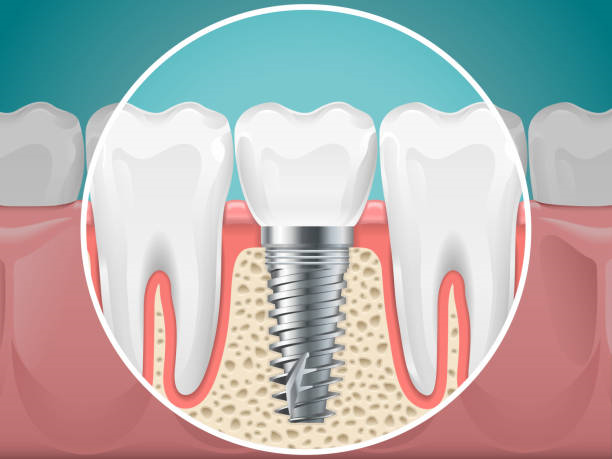
    Dental implants are not the panacea we once thought they were. Indeed, considering the prevalence (at personal level) of peri-implant mucositis is approximately 40%, the occurrence of peri-implantitis is approximately 20%, and the cost of maintaining implants is five times higher than that for teeth, one should not take the prescription of implant therapy lightly.

    Implant therapy begins before the implant is placed, and continues for as long as it is in a patient’s mouth. There is an increased awareness of the need to plan long-term supportive care programs during the treatment-planning phase, as well as the financial, biological, and legal consequences of not doing so.

    In 2023, the European Federation of Periodontology ‘dropped’ a long-anticipated paper, outlining its findings for the prevention and treatment of peri-implant diseases. This periodontal piece looks at the pre-planning and planning aspect of implant therapy.

    Primordial prevention (Prevention of risk factor development)

    • Educate the patient on the importance of supportive post-implant care (SPIC) and home care once an implant is placed
    • Impress the importance of glycemic control in diabetics
    • Encourage smoking cessation
    • Get the patient involved in a supportive periodontal maintenance program
    • Educate and coach the patient to attain good oral hygiene
    • Reduce bruxism and/or parafunctional habits
    • Use periodontal therapy to eliminate gingival inflammation (bleeding index <10% is ideal) and achieve periodontal stability

    Surgical planning

    • Ensure adequate buccal and lingual bone around implant
    • Ensure adequate mesial and distal space between the implant(s) and adjacent tooth/teeth to allow for prosthetic components, professional hygiene tools, and home care aids
    • Ensure appropriate apical/coronal position to allow for prosthetic components and avoid excess deep sulcus

    Prosthetic planning

    • Ensure access for professional hygiene tools and home care aids
    • Ensure access for professional maintenance tools (i.e. periodontal probe and deposit removal tools)
    • Ensure favourable emergence profile to facilitate plaque removal, both professionally and at home

    In the next issue of Nova Scotia Dentist, I will discuss how to assess peri-implant health status at each clinical examination, what to do at each implant recall appointment, and how to treat peri-implant mucositis and peri-implantitis. Stay tuned!

    Dr. Stacey Matheson is a board-certified periodontist in Halifax and has enjoyed serving Atlantic Canada for more than 20 years. For more information on gum grafting and for educational materials, contact her at 902-406-GUMS (4867) or via perio@halifaxperio.com.

    References

    • Herrera et al. Prevention and treatment of peri-implant diseases – The EFP S3 level clinical practice guideline. J Clin Periodontol. 2023;50(Suppl. 26):4-76. doi:10.1111/jcpe.13823
    • Gionobile and Lang. Are dental implants a panacea or should we strive to save teeth? J Clin Res. 2016. Jan;95(1):5-6. doi:10.1177/0022034515618942