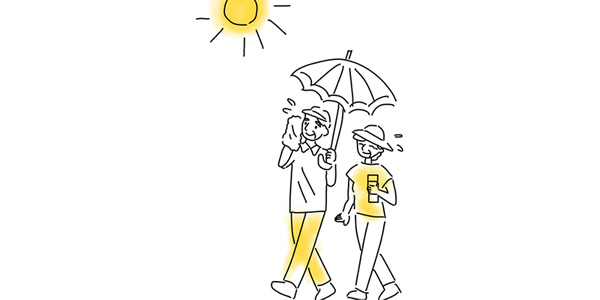
As I write this article, many parts of the globe are under extreme heat warnings. In addition to wreaking havoc on our environment, extreme heat has the potential to induce many unwanted and potentially dangerous health effects. The following tips can help keep you cool and comfortable at work in the dental office:
Use AC if you have it
We like to put the needs of our patients first and may shy from using the air conditioning to its maximum benefits in order to keep them more comfortable. Instead, offer patients a blanket or covering if they find the temperature too cool. It is important to remember patients are only in the “hot” seat for a small portion of the day — you are likely working at least eight hours and need to keep the operatory cool.
Eliminate extra sources of heat
Computers, televisions, and other appliances left running can generate a great deal of heat. Though it may be a source of distraction for patients, keeping any in-op TV screens off can help reduce the heat. Offer patients music or allow them to use their own headphones for any needed distraction.
Maintain adequate levels of hydration
Drinking plenty of ice-cold water throughout the day will help keep you cool and prevent dehydration. Try adding some fruit, lemon, cucumbers, or even some mint to water for a bit of flavour and added incentive.
Avoid alcoholic beverages and caffeine
Replace your morning coffee with a decaf herbal tea, or try popping a few tea bags in a jug of water and leaving in the fridge over-night to create your own morning iced tea.
Do not eat large, protein-rich meals while working
“Meat sweats” are a real thing! The body will warm itself due to the increase in metabolic heat produced during digestion. Fill up on salads, cold soups and pastas, and veggie wraps instead.
Wear light, moisture wicking clothing
Scrubs or designated protective clothing should be made of light, breathable fabrics that allows for heat and sweat to evaporate.
Try a cooling breathing technique
You do not have to be a yogi to practice Sitali breathing. Simply sit comfortably and form your lips into an “O.” Curl the tongue and project it out of the mouth to a comfortable distance. Inhale gently through the “straw” formed by your curled tongue as you slowly lift your chin toward the ceiling, lifting only as far as the neck is comfortable. At the end of the inhalation, with your chin comfortably raised, retract the tongue and close the mouth. Exhale slowly through the nostrils as you gently lower your chin back to a neutral position. Repeat for eight to 12 breaths. Can’t roll your tongue? Try Sitkari breathing instead. Open the mouth slightly with your tongue just behind the teeth. Inhale slowly through the space between the upper and lower teeth, letting the air wash over your tongue as you raise your chin toward the ceiling. At the end of the inhalation, close the mouth and exhale through the nostrils as you slowly lower your chin back to neutral. Repeat for eight to 12 breaths.