The opioid crisis continues to pose a significant public health challenge in Canada, with thousands of lives lost each year due to opioid overdoses. According to recent statistics, the number of opioid-related deaths has surged, with synthetic opioids, particularly fentanyl, contributing to a significant proportion of these fatalities. The crisis is driven by a combination of factors, including over-prescription of opioids, lack of awareness about the risks, and the availability of illicit substances.
As dental professionals, ensuring patient safety and effective pain management is at the forefront of our practice. With growing concerns about opioid misuse, it is essential for dentists to adopt responsible prescribing habits and to adhere to established guidelines. The Provincial Dental Board of Nova Scotia (PDBNS) has outlined specific recommendations for prescribing opioids in its document, “Guidelines for Prescribing Opioids and Benzodiazepines in Dental Practice.” The purpose of this article is to provide a concise overview of these guidelines to support dentists in making informed decisions regarding pain management in patients.
Opioid prescribing guidelines
Indications for use: Opioids should be prescribed only when absolutely necessary and typically only for acute pain management. For most dental procedures, over-the-counter analgesics or non-opioid prescription medications (such as ibuprofen, acetaminophen, ketorolac, and, in some cases, long-acting local anesthetics) should be considered as first-line treatments.
Patient assessment: It is important to conduct a thorough history and physical examination, obtain diagnostic imaging when appropriate, and make a diagnosis before prescribing any pain therapy, including opioids. In cases where an opioid is indicated, a social history reviewing the patients psychiatric and substance abuse history (including any previous instances of opioid use) should be documented.
Prescription duration: Limit the quantity of opioid prescriptions to the minimum necessary duration. Short-term prescriptions of three to four days are usually sufficient for managing post-operative pain. If the patient requires opioids beyond this time frame, they should be reassessed clinically prior to being prescribed more opioids.
Dosage and potency: Prescribe the lowest effective dose and consider using lower-potency opioids where appropriate. Long-acting or extended-release opioids should not be prescribed unless the dentist has specialized training and experience.
Monitoring and follow-up: Schedule follow-up appointments to assess the patient’s progress and adjust the pain management plan as needed. Monitor for signs of misuse and educate patients on the proper use and disposal of opioids.
Patient education: Inform patients of the risks associated with opioid use, including potential side effects and signs of dependence. Provide guidance on alternative pain management strategies and emphasize the importance of adhering to prescribed doses.
General best practices
Record keeping: Maintain accurate and detailed records of all prescriptions, including the rationale for prescribing, dosages, and patient responses. This documentation is crucial for monitoring patient care and complying with regulatory requirements.
Implement prescription monitoring: Be aware of your province’s prescription monitoring programs. In Nova Scotia, all dentists are encouraged to sign up and use eAccess (a service provided by the prescription monitoring program [PMP] of Nova Scotia). eAccess is a resource which provides prescribers and pharmacists with timely access to information they need to determine the best treatment for patients while promoting the appropriate use and the reduction of abuse and misuse of monitored drugs. Information on registering for eAccess can be found online.
Collaborate with other healthcare providers: When necessary, work with physicians, pharmacists, and mental health professionals to ensure a multidisciplinary approach to patient care. This collaboration can help identify patients at risk for substance misuse and provide comprehensive support.
Stay informed: Stay updated on the latest guidelines and research related to opioid prescribing. Continuing education and training can help ensure that your prescribing practices remain aligned with current best practices and regulatory standards.
By adhering to the guidelines set forth by the Provincial Dental Board of Nova Scotia, dentists can help mitigate the risks associated with opioid use while still providing effective pain management for their patients. It is our responsibility to balance pain relief with patient safety and to promote practices that support the well-being of our community.
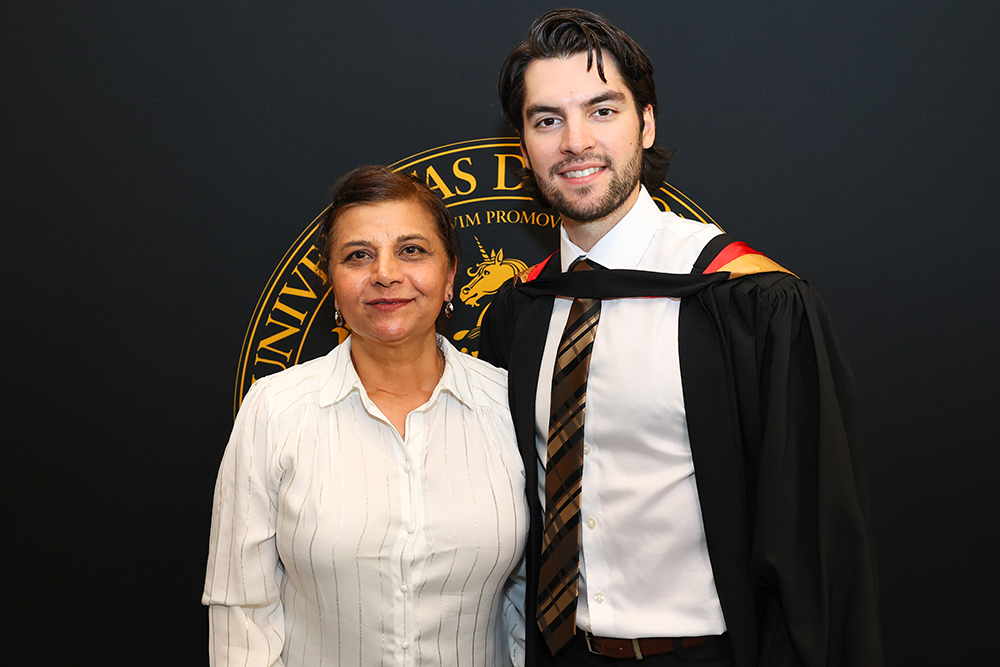
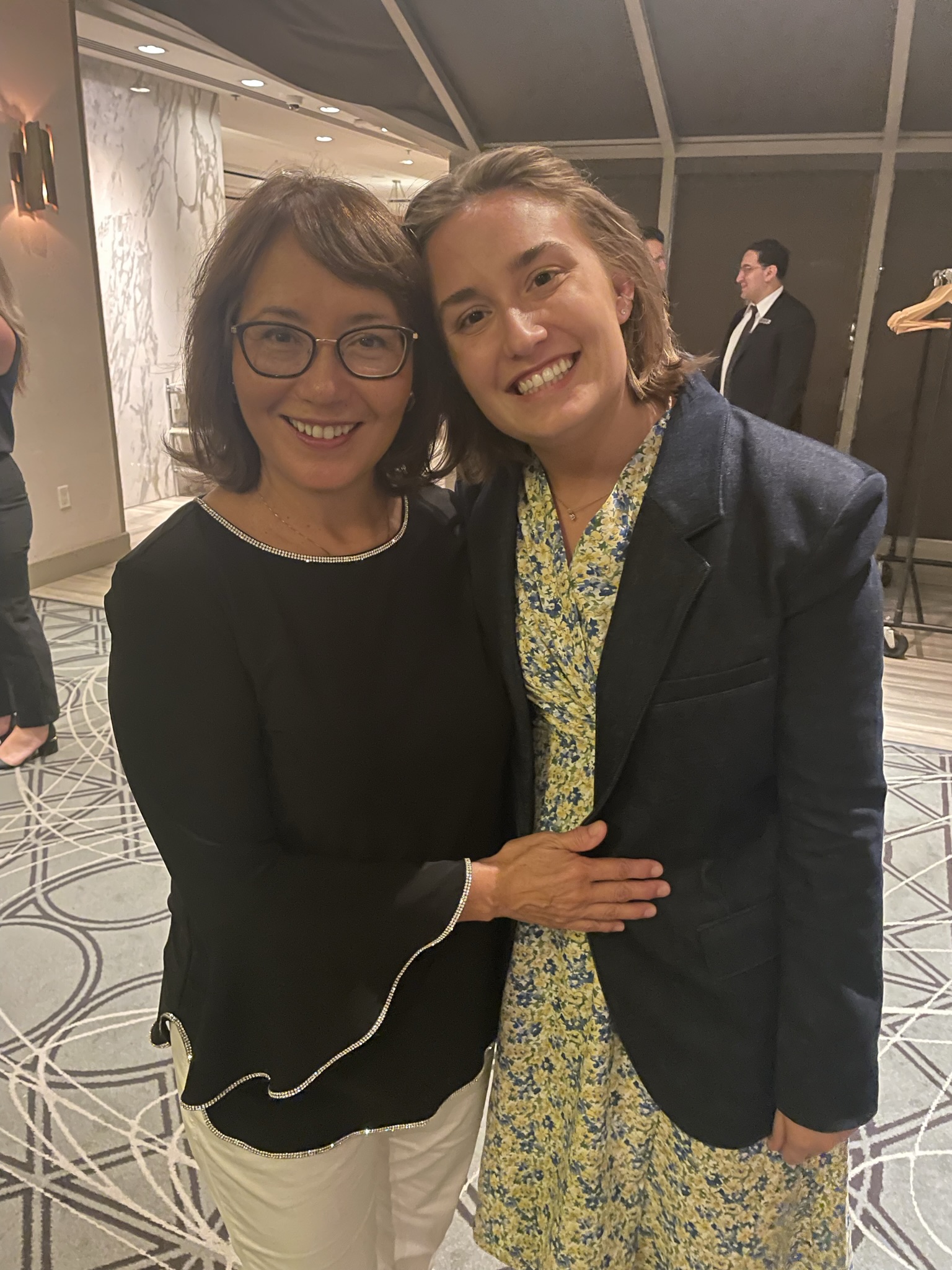
Jared Lush (DDS’24) and Zohreh Erfanian (DDH’01). Photo by Bruce Bottomley
Scholarships are a sought-after currency among students. Not only do they recognize achievements, but they also help cover the high costs of education. It’s not often that a graduating student decides to create a scholarship even before their first day at work, but that’s just what Jared Lush (DDS’24) decided to do.
Compassion, selflessness, and determination are the “greatest traits a dentist can possess,” Lush said in his valedictory speech at the DDS class of 2024 graduation dinner in May 2024. These are traits he himself possesses in abundance.
It turns out that he had a good role model and mentor in Zohreh Erfanian (DDH’01), an independent dental hygienist and Iranian immigrant in Gander, NL, whom Lush worked for when he was in high school. He assisted with the “administrative side of running her business” and worked as a receptionist. Lush loved interacting with patients and the experience helped confirm oral health was the field for him.
“It reassured me that it was a career where I could help people and be a social person,” he says.
A gift from the heart
Erfanian always supported his aspirations, Lush says, and that support grew over time. While Lush was completing his undergraduate degree in biochemistry-nutrition at Memorial University, Erfanian’s brother Ashkan — the only one of her immediate family also to live in Canada — died as the result of a chemical leak at the office in Alberta where he worked as a security guard.
“I saw Zohreh during that time,” Lush says, “and you could see the grief and hurt she was going through.”
When Lush began his dentistry studies in 2020, Efranian continued to encourage him. She also deposited a significant sum of money in his bank account to support his studies, something she continued to do each year of his dentistry degree.
“Zohreh said she wanted to help support me through dental school,” Lush says. “She said I had helped her a lot and looked out for others. She said she wanted to do it in honour of her brother — to keep his memory alive.”
Upon finishing his dentistry degree, Lush knew he wanted to repay Efranian in some way. “I was very grateful to her,” he says, “but it didn’t feel right to accept the money and not do something in return.”
Lush considered various ways to thank Efranian for her gift, but it was his fiancée, Sierra, who suggested creating a scholarship in Ashkan Efranian’s honour. Lush took the idea to Efranian, who was both moved and in favour of it.
The next step was to talk to the Faculty’s development officer, Melanie Bremner, about the details of the scholarship.
Working out the details
It was agreed that the total gift would be $7,500, pledged over five years at $1,500 per year. Each $1,500 award will be split evenly and awarded annually, with $750 for a recipient in the Diploma of Dental Hygiene program and $750 for the recipient in the Doctor of Dental Surgery program.
To be considered for the award, recipients must be in good academic standing and enrolled in the final year of either the DDH or DDS program. Further, recipients “will have made an effort to cultivate a sense of community within the Faculty and are friendly, considerate, and generous to fellow students, faculty, and staff.”
“I didn’t want it to be based just on academic performance,” Lush says.
Preference will be given to recipients who are “compassionate healthcare providers, exceptional communicators, and show kindness and patience to those in their care,” and who “show perseverance, determination, and courage throughout their education.”
Lush says Efranian’s perseverance and determination as an immigrant to Canada inspired the final criterion for the scholarship.
In the future, he hopes to create an endowed fund for the scholarship. Right now, however, he is happy that his vision is taking shape quickly and that Efranian is pleased.
“I think that by creating this scholarship and naming it after her brother, Zohreh and I are part of it together,” Lush says. “And it gives me the opportunity to pay forward what she did for me.”
Efranian says she is grateful to Lush and Dalhousie for creating the scholarship to honour her brother who, even though he worked as a security guard, was a teacher who believed that, as a people, we are here to share knowledge and help others to reach their full potential.
“To overcome the most difficult part of my life — losing my beloved brother — I had to follow his kindness and wishes,” Efranian says.
The first Mr. Ashkan Erfanian Scholarships will be awarded at the 2025 graduation banquets.
By Samantha Ashenhurst NSDA Communications Manager
1. Why did you pursue dentistry?
Originally, I was on my way to being a chemistry teacher — I love teaching people new things, and chemistry would let me do it with a bang! I was a dentophobic kid and hated lying down in the chair until I saw a Dr. MacLeod in Corner Brook, who was the first to talk and teach my way through a filling. I thought, “maybe I could make a difference with scared patients like me….” I shifted into dental school pre-requisites that fall semester.
2. What is a skill you’ve always wanted to learn?
I’ve always wanted to speak Spanish. It’s on my list of things to do when life gives me some spare time.
3. What’s your top destination in Nova Scotia?
Glenora Inn and Distillery in Cape Breton — amazing food, beautiful scenery, and, of course, great whisky. Plus, it’s just a few minutes away from Cabot Links Golf.
4. Who was your favourite or most inspiring teacher at dental school?
I’ve had a few great teachers at dental school. Dr. Doug Chaytor challenged me weekly on prosth and computers, while Dr. Frank Lovely was, to wit, lovely to everyone around him and a treat to watch perform oral surgery. But I’d have to say that Dr. Bill MacInnis made one of the biggest impacts on me. I wasn’t always this self-assured, and a combination of anxiety and lack of self-esteem would wreak havoc when I was younger. Bill never let me get away with anything easy, or let me avoid situations that would challenge both my skills and my character. It truly made a difference in the way I approached a patient and delivered treatment.
5. What is one piece of advice that’s stuck with you over time?
When I removed an upper premolar on a young patient in fourth year, I was concerned because she left crying. Her assurances that I didn’t hurt her didn’t register with me until one of the assistants said, “She’s not crying because it hurt; she’s crying because she’s a young woman and she’s lost her tooth.”
That hit me hard. We can get so focused on the treatment, the codes, and the costs that we can lose focus on the patient as a human being. In my years of mentoring and job shadowing, I’ve stressed to my audience that the dentistry is important, but don’t forget about the person who’s attached to the teeth.
By Samantha Ashenhurst NSDA Communications Manager
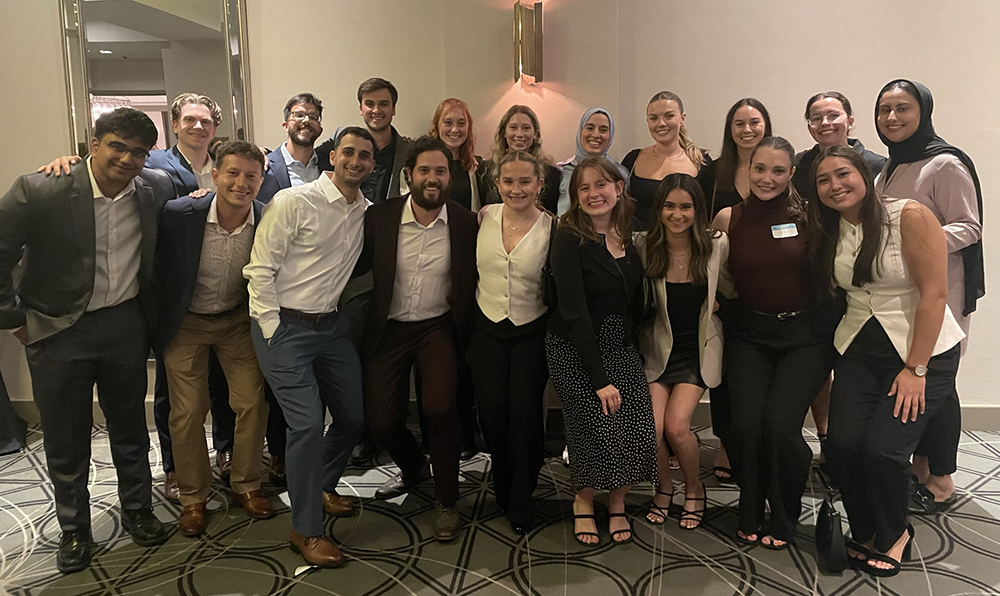
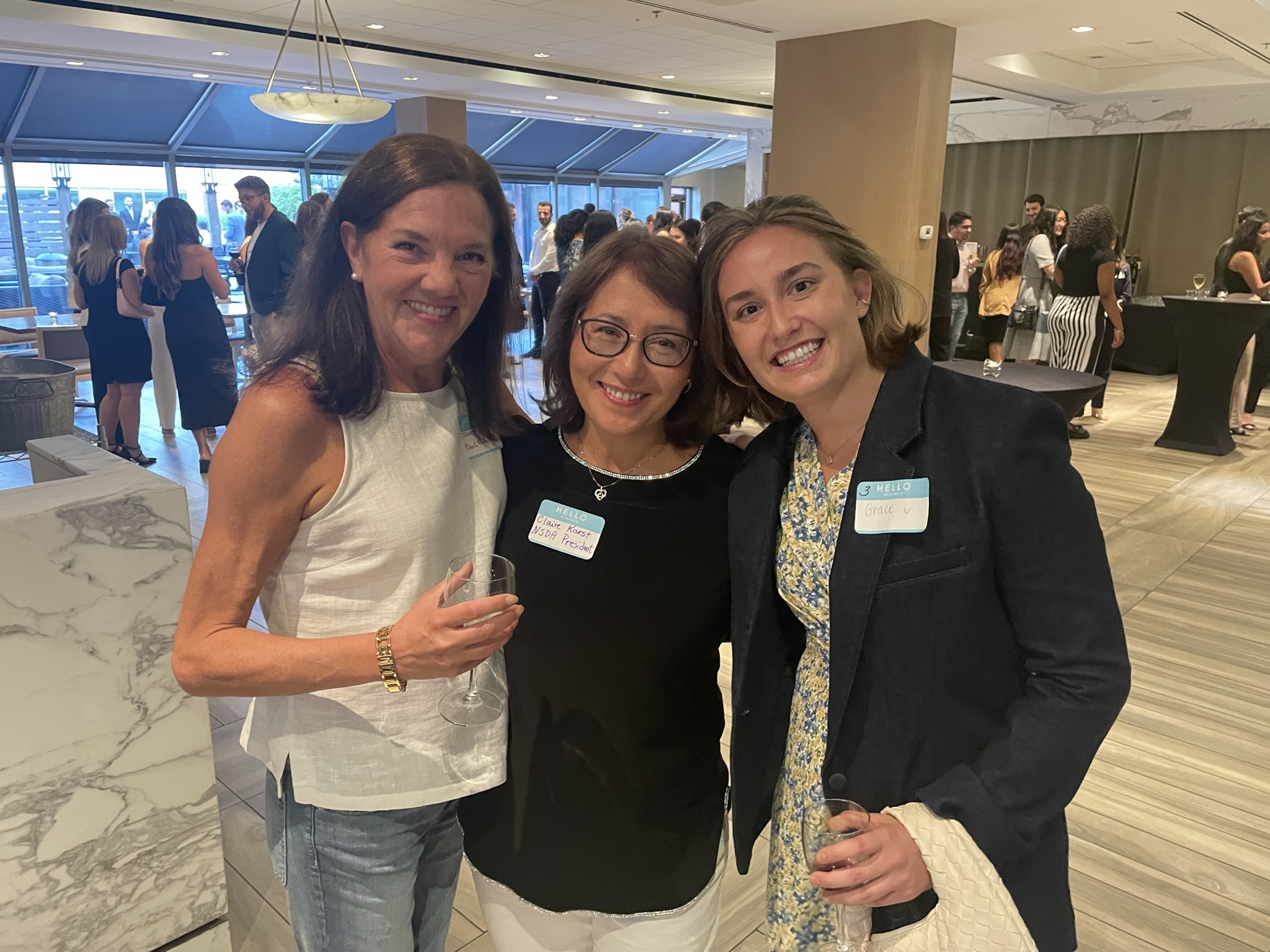
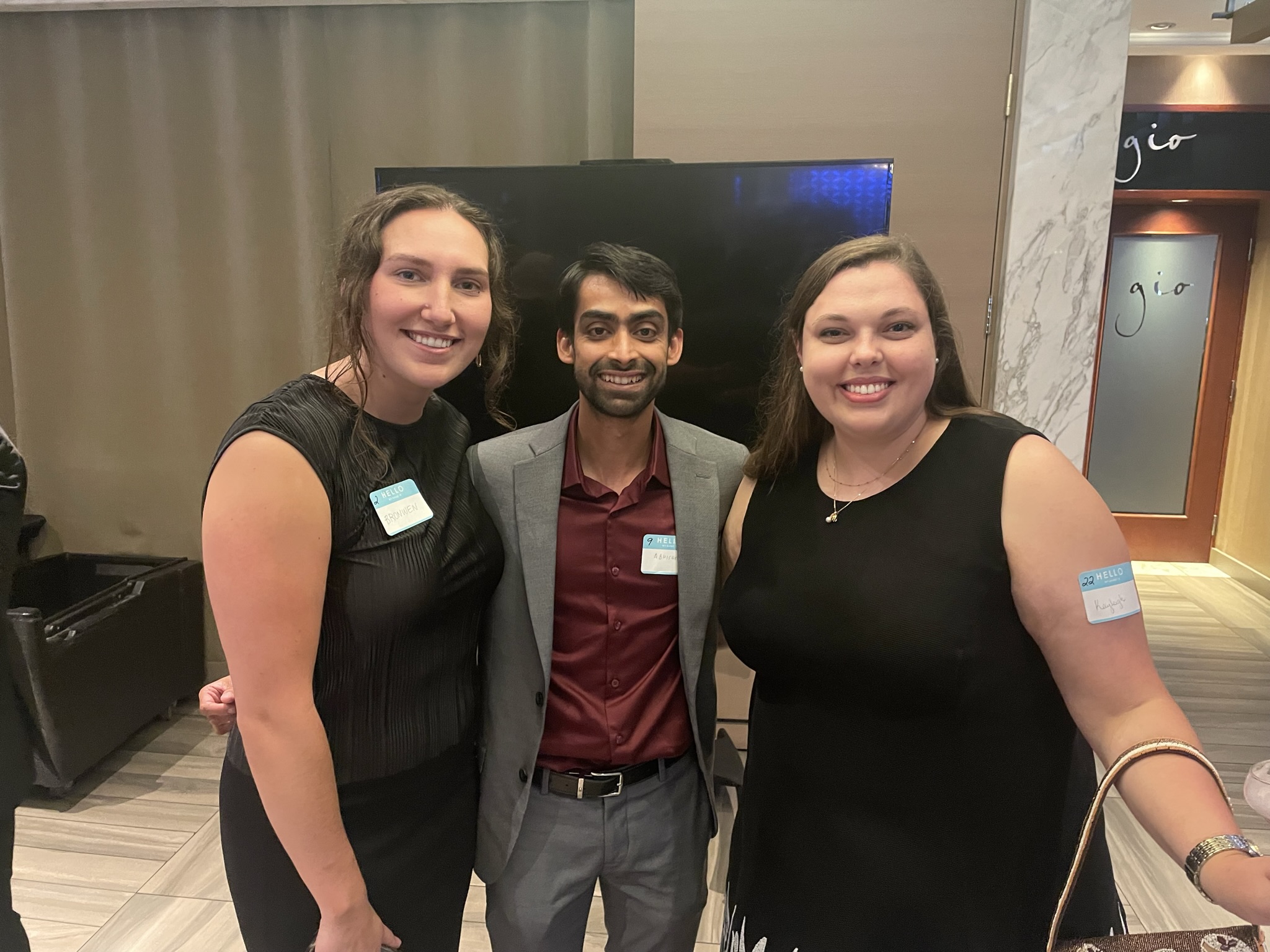
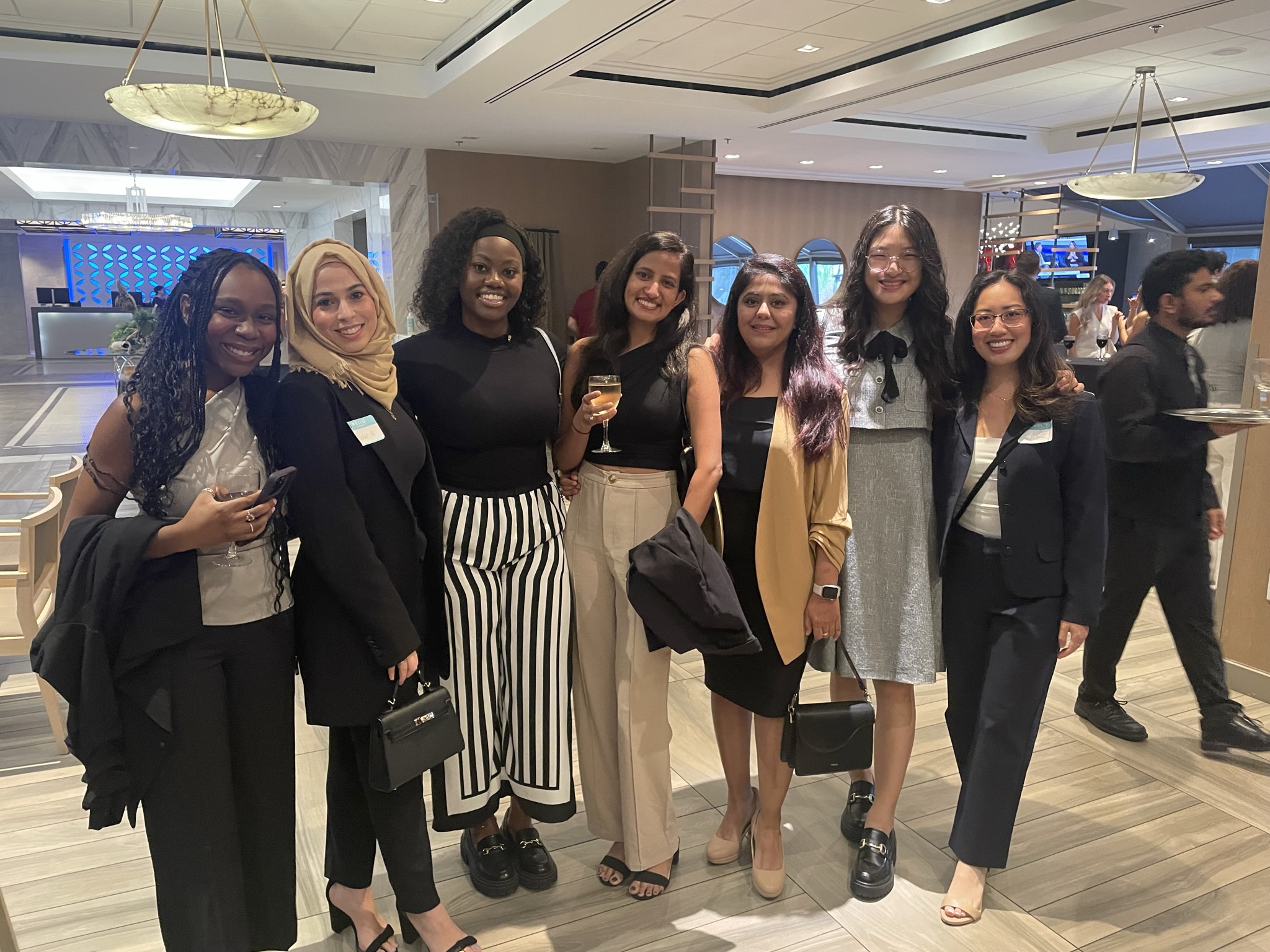
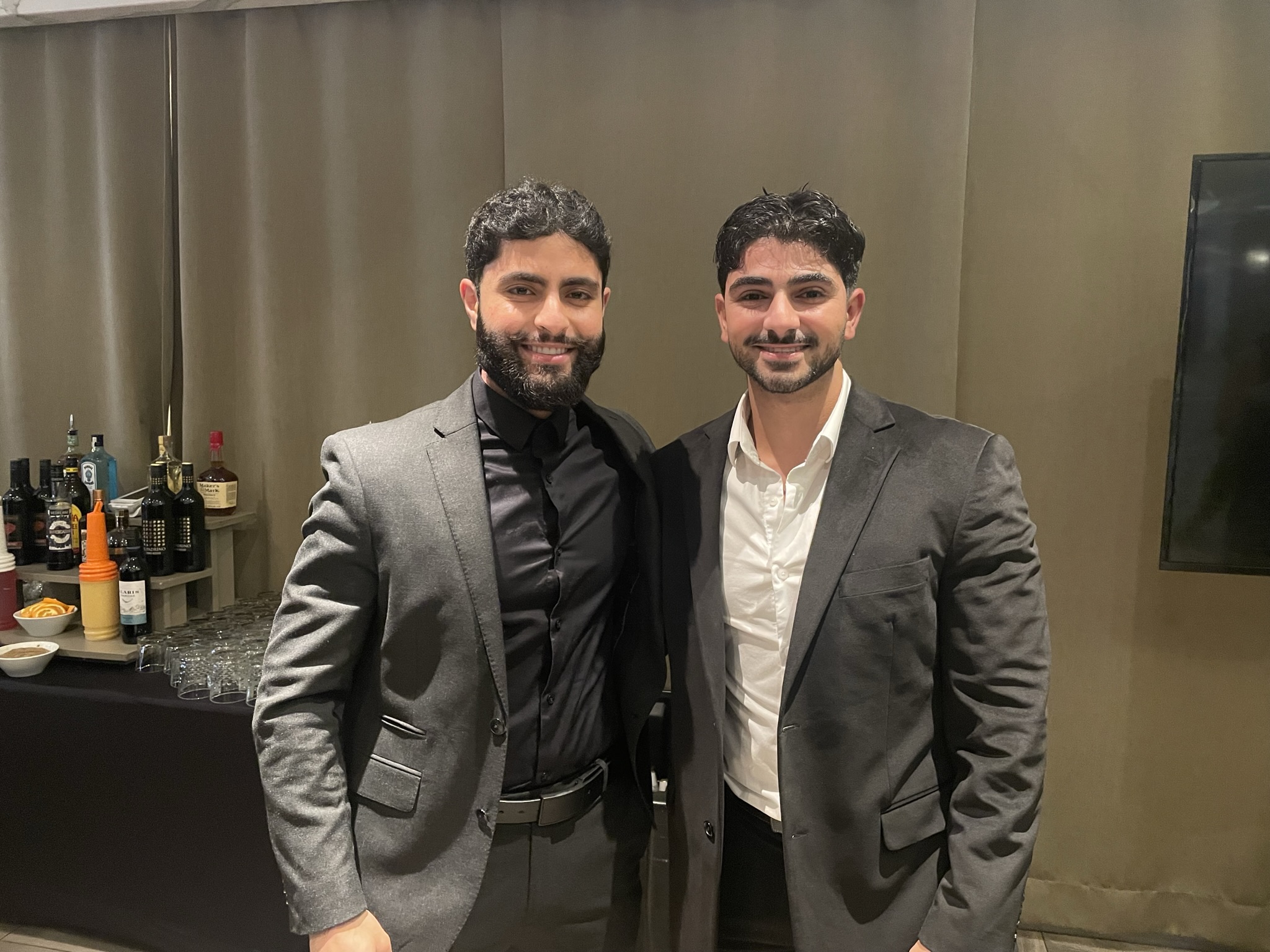
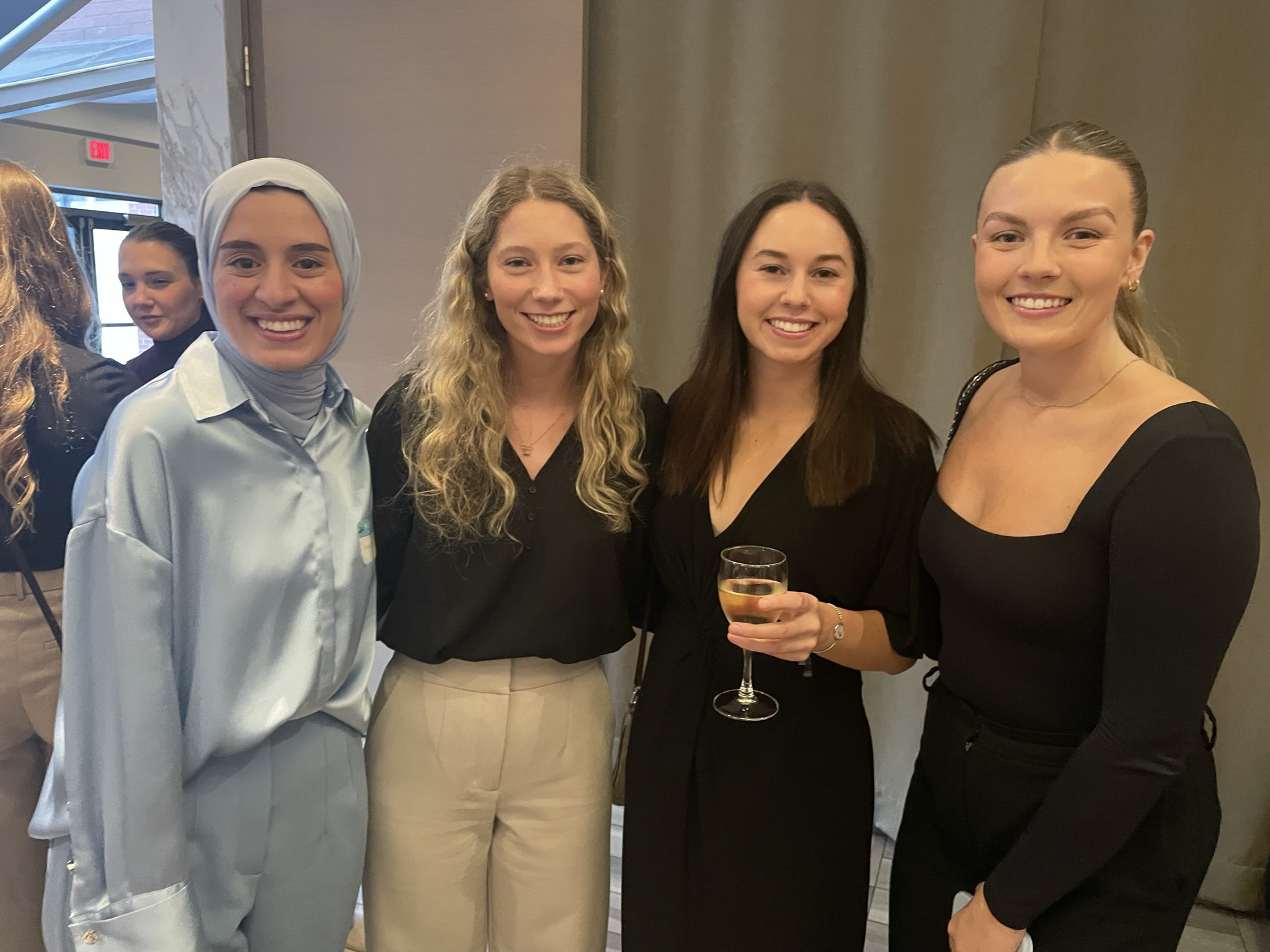
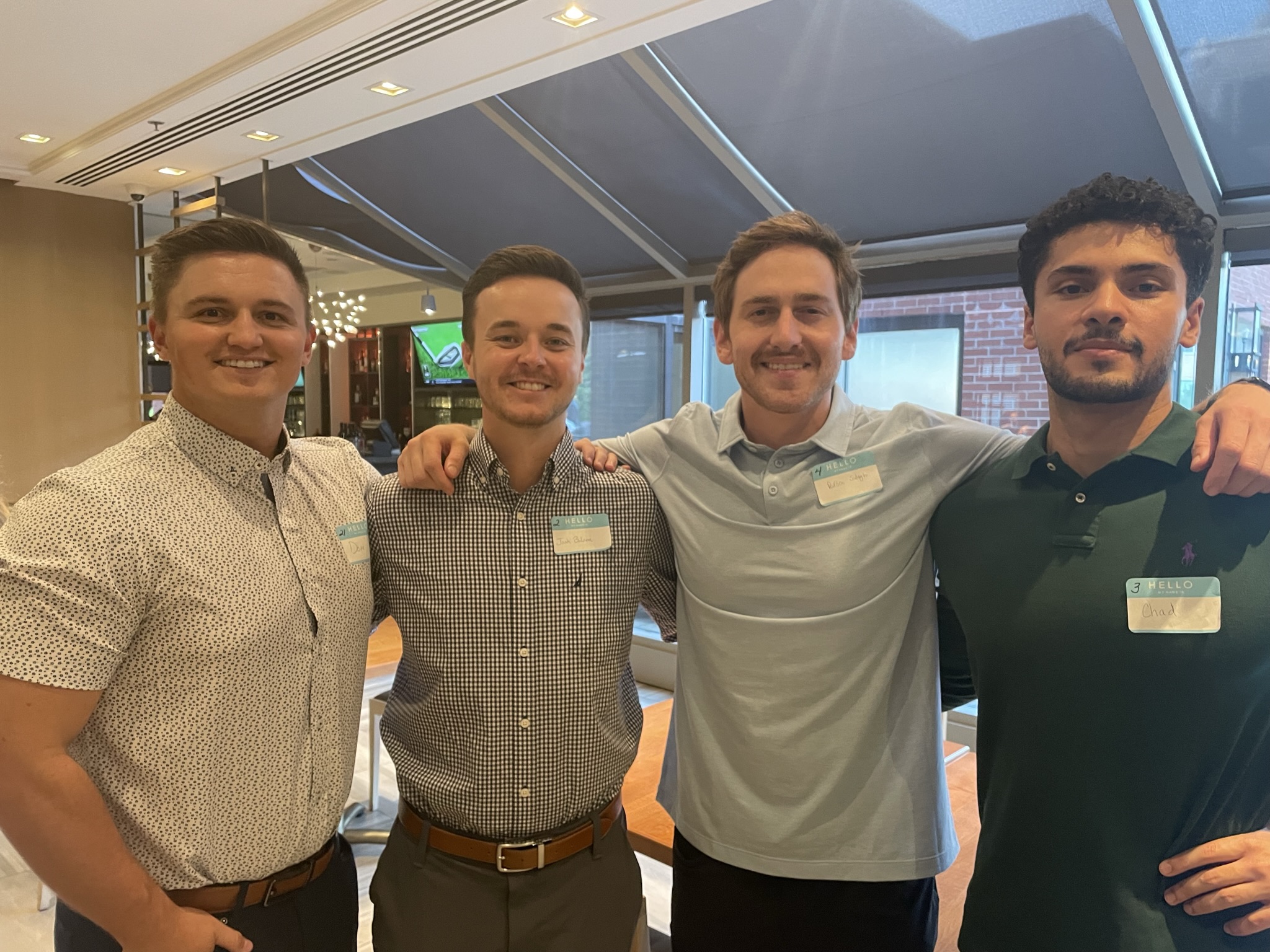
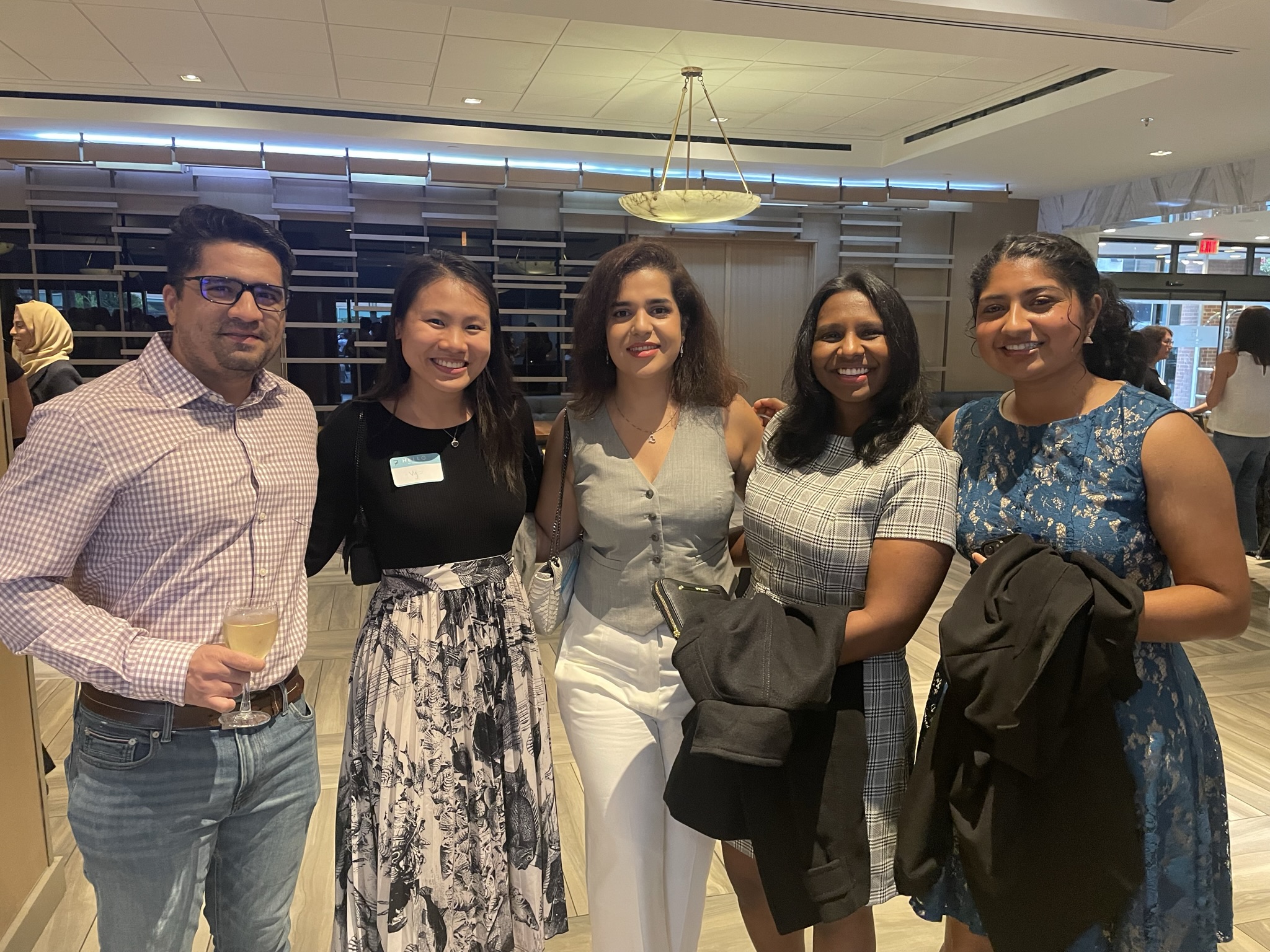
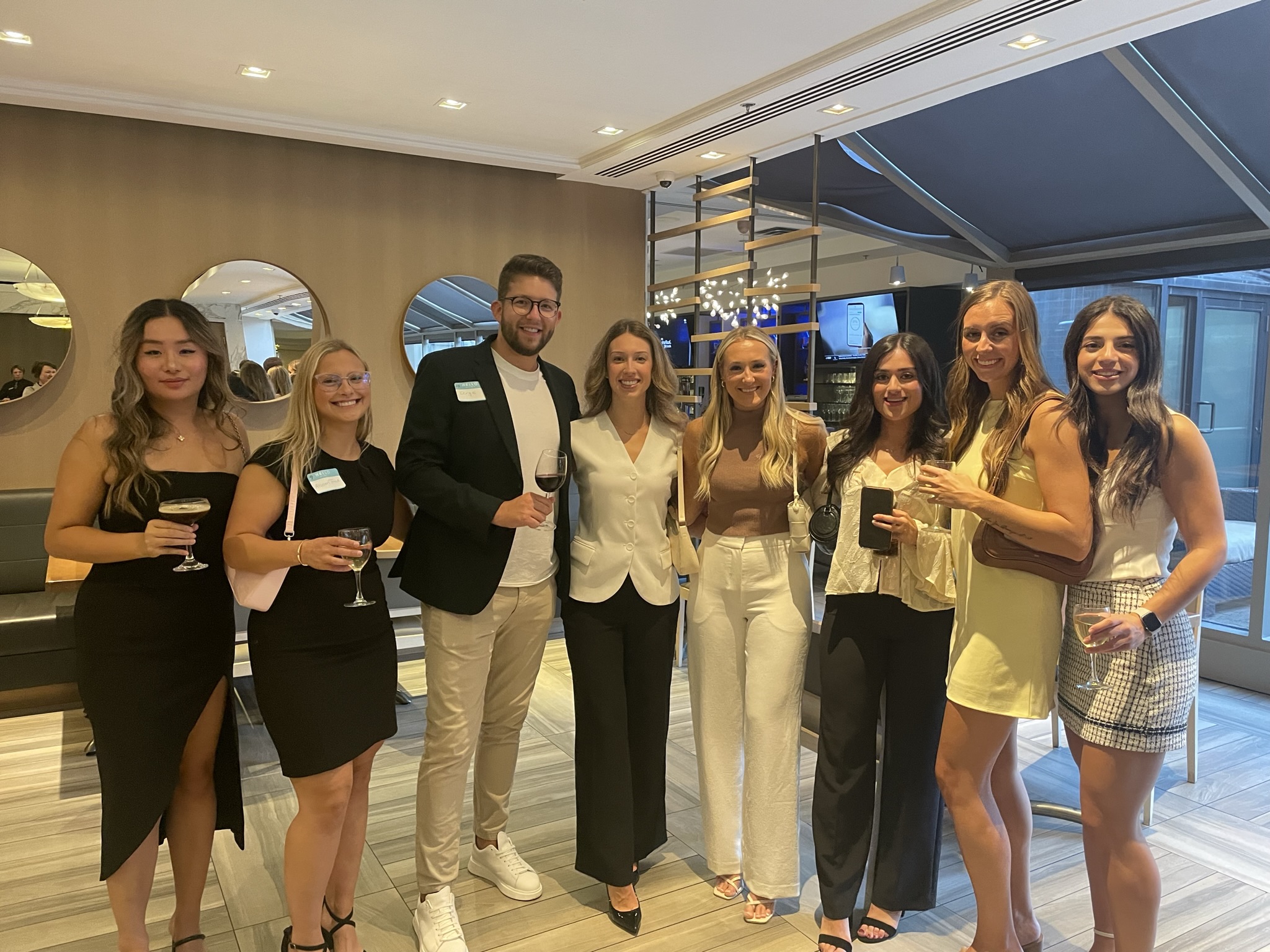
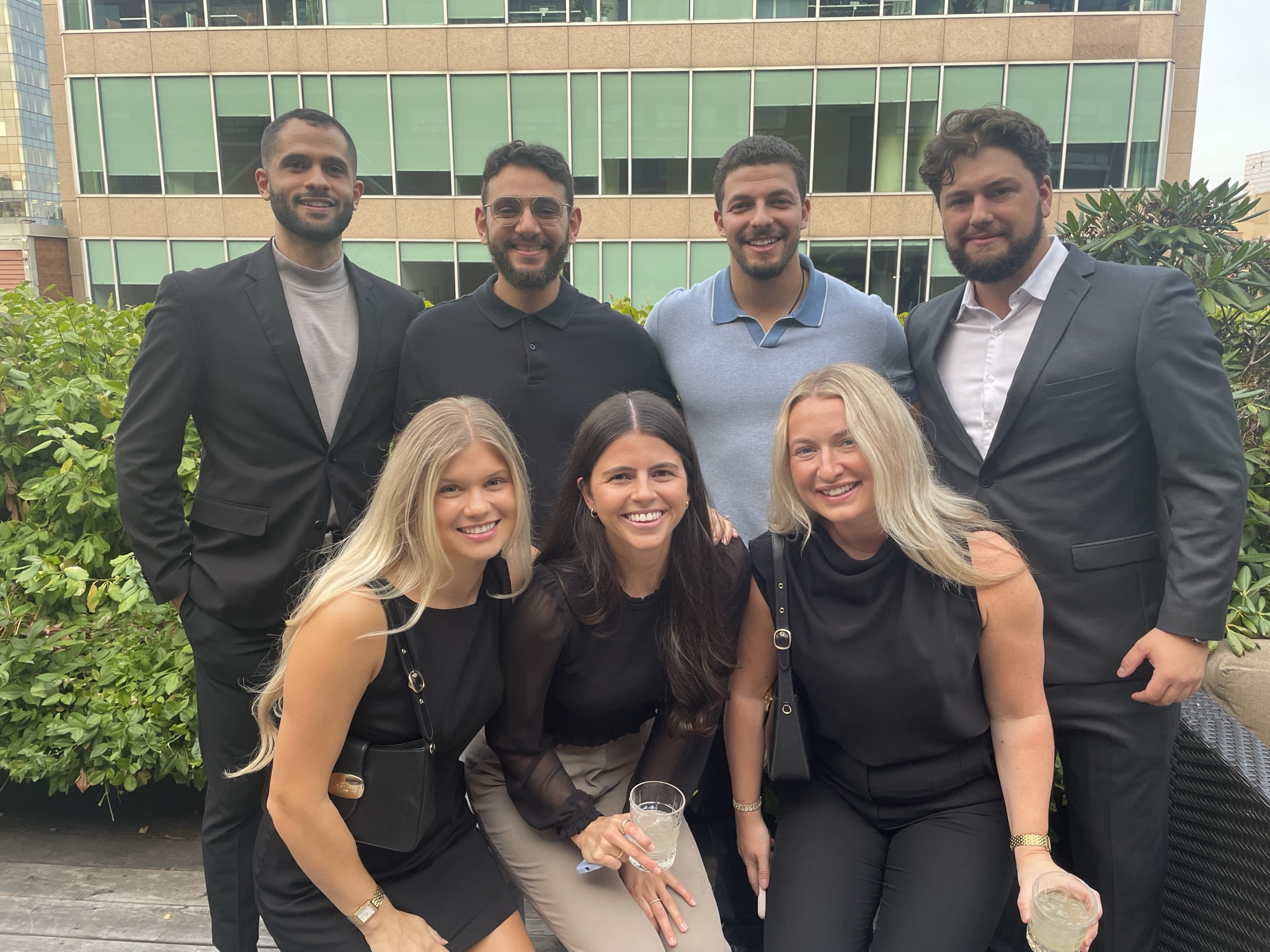
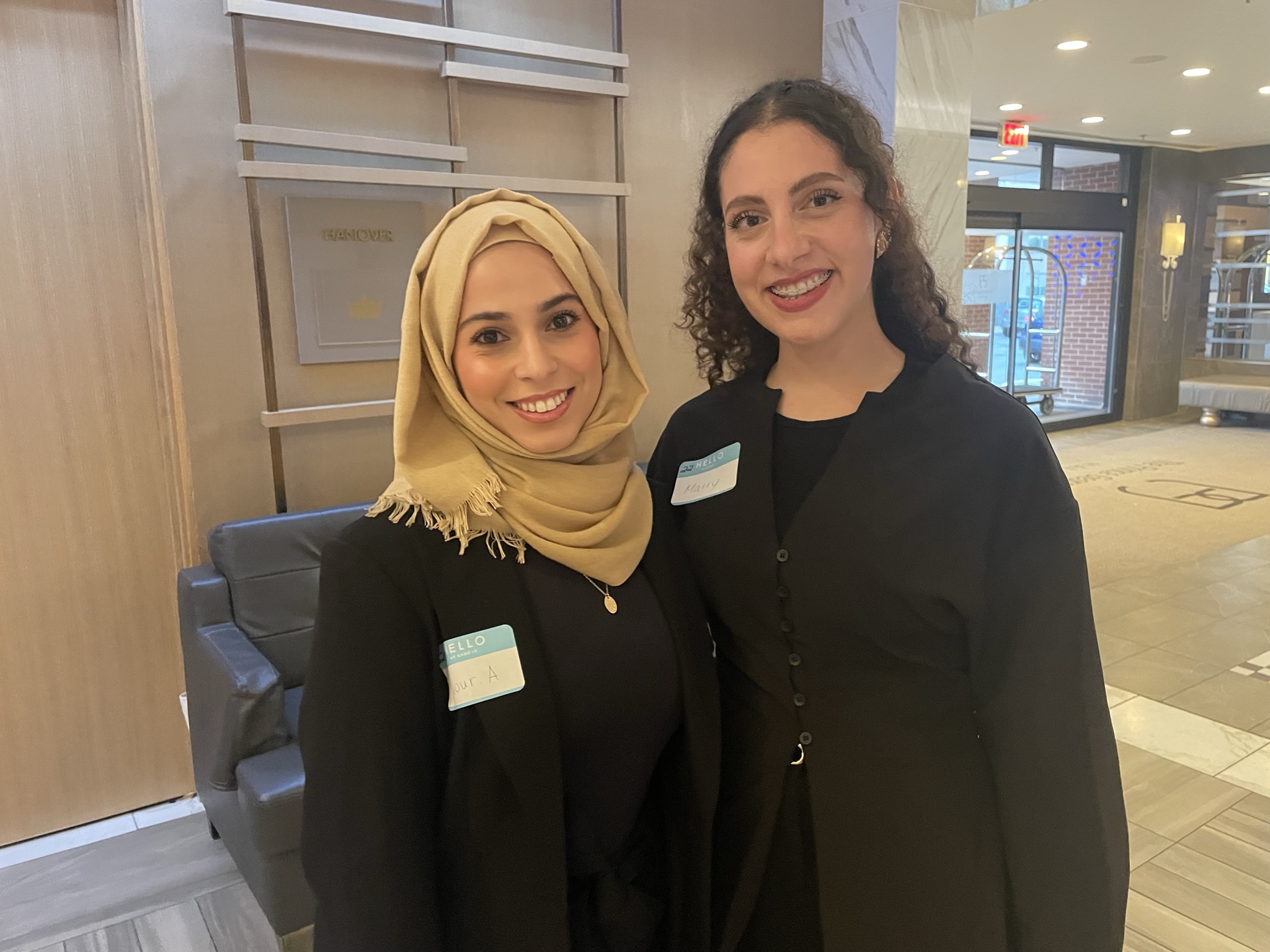
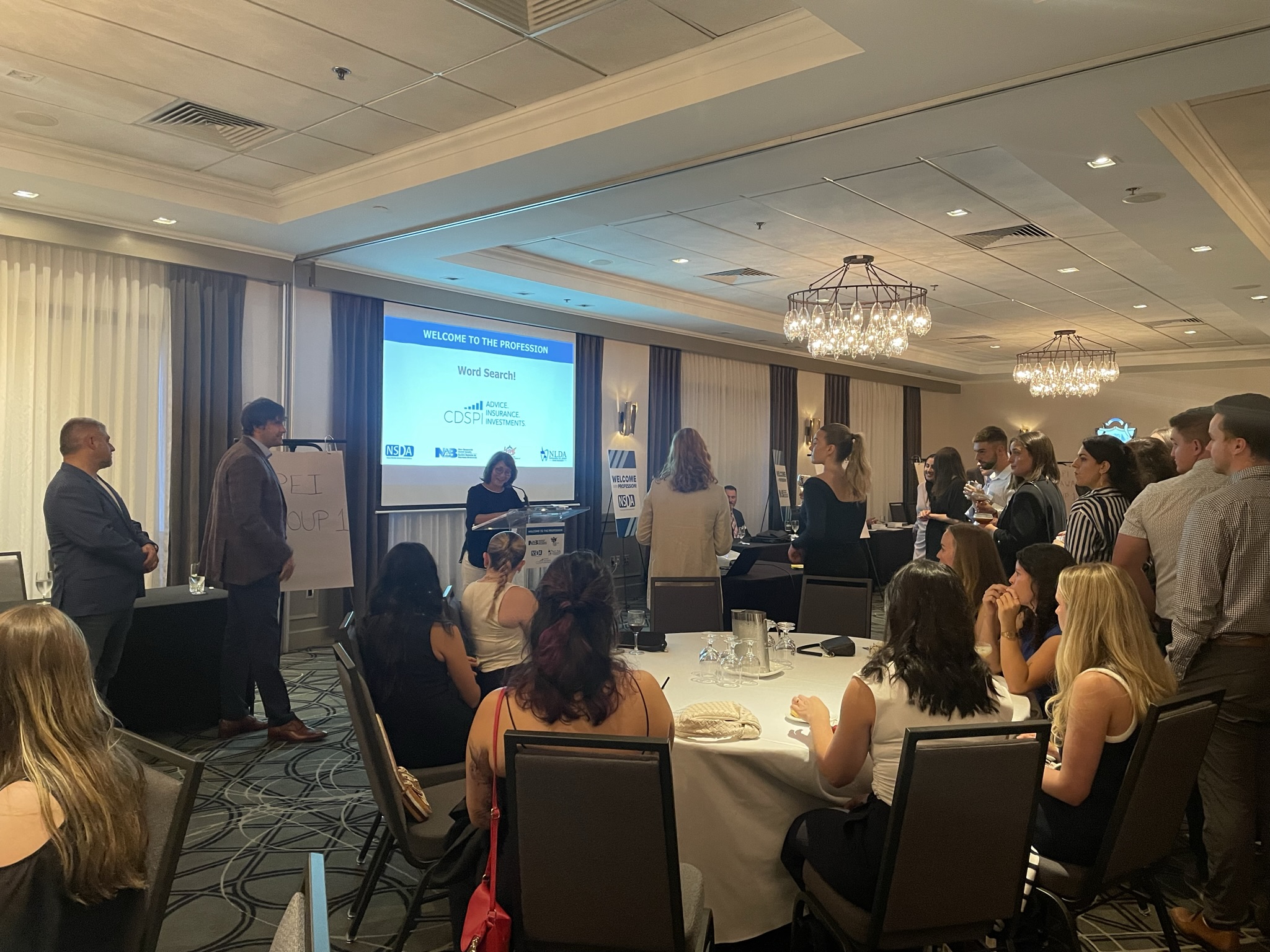
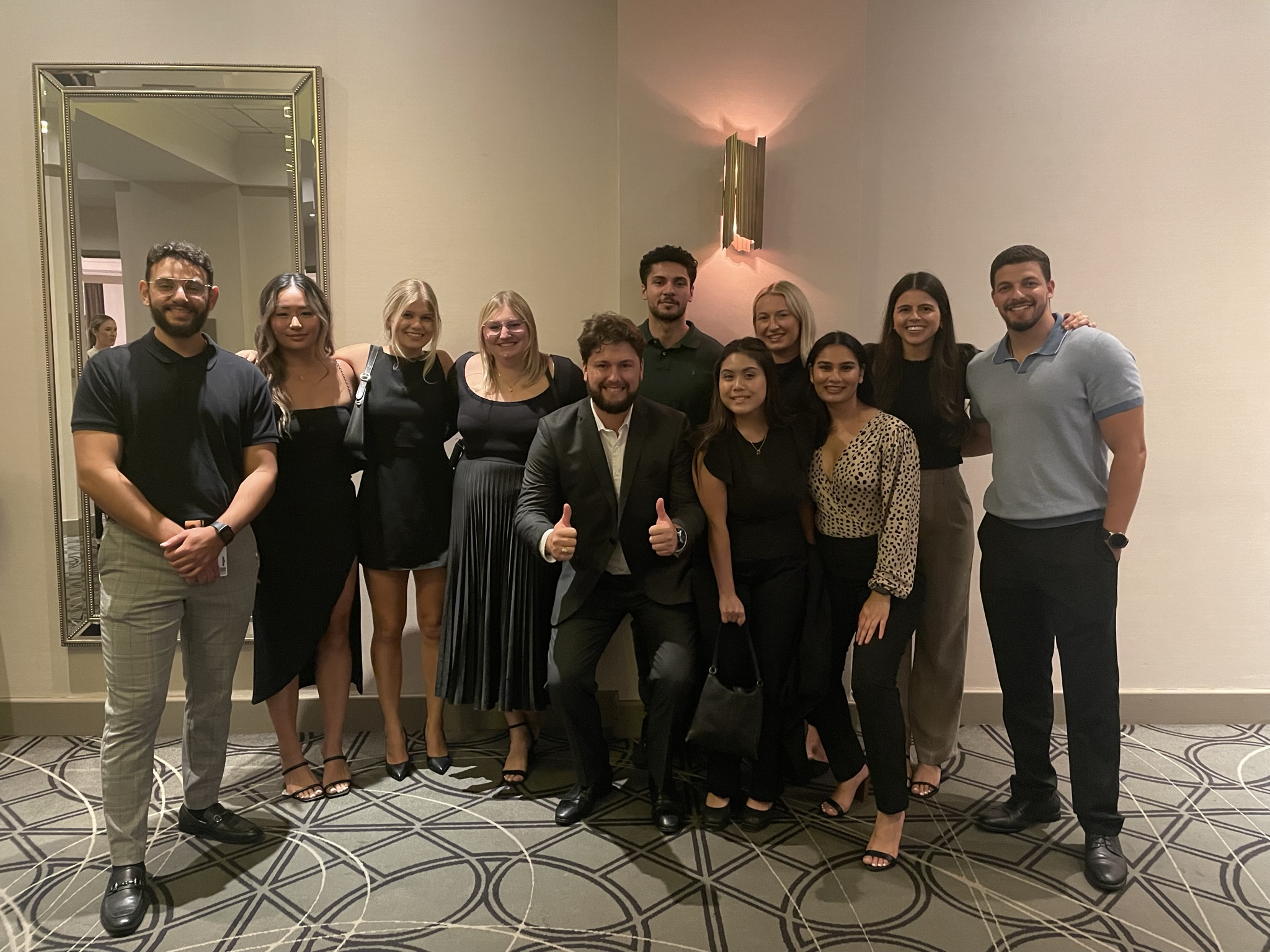
Atlantic Canada’s next generation of dentists gathered at The Prince George Hotel in downtown Halifax on September 12 to celebrate the Nova Scotia Dentist Association’s annual Welcome to the Profession night. Sponsored by CDSPI, the much-anticipated event hosted dozens of first- to fourth-year Dalhousie Dentistry students for an evening of good food, refreshments, and, of course, networking.
Dr. Claire Karst, President of the NSDA, kicked the evening off with a short speech.
“Tonight is about welcoming you to the profession, introducing you to the role of the provincial dental associations, and offering support, whether you are starting your journey in dental school or continuing your travels to the finish line,” Dr. Karst said.
The event, which was organized by the NSDA Mentorship/Shared Learning Committee — Drs. Joanne Thomas, Marianne Dobbin, Jennifer MacLellan, Carrie Terry, and Sukhip Singh — hosted many special guests, including representatives from CDSPI, the Provincial Dental Board of Nova Scotia, and the Faculty of Dentistry at Dalhousie University. Executive members of the New Brunswick Dental Society, the Dental Association of Prince Edward Island, and the Newfoundland and Labrador Dental Association also joined in on the fun and chatted with students about what life could look like post-graduation.
Reinforcing this sense of community is a significant aspect of organized dentistry, Dr. Karst shared in her address.
“As a dentist myself who entered dental school in 1985, the journey will challenge you, teach you, and shape you into more than just clinicians, but life-long learners, educators, advocates, and community leaders,” she said.
As with every Welcome to the Profession event, the night featured an activity. This year’s game (which demanded knowledge of the provinces, as well as some strategy and educated guesses) asked students to work together in small teams and engage in a little friendly competition.
“Please, look around this room,” Dr. Karst said. “This is where your success starts, building community with your student colleagues and realizing collaboration is key. Dentistry is a team effort, whether you are working with specialists, dental hygienists, dental assistants, or lab technicians to achieve the best outcomes for your patients.”
“Remember: At the heart of what we do are the people we serve. When we have a patient-centred approach, we build trust, empathy, and relationships that can last a lifetime.”
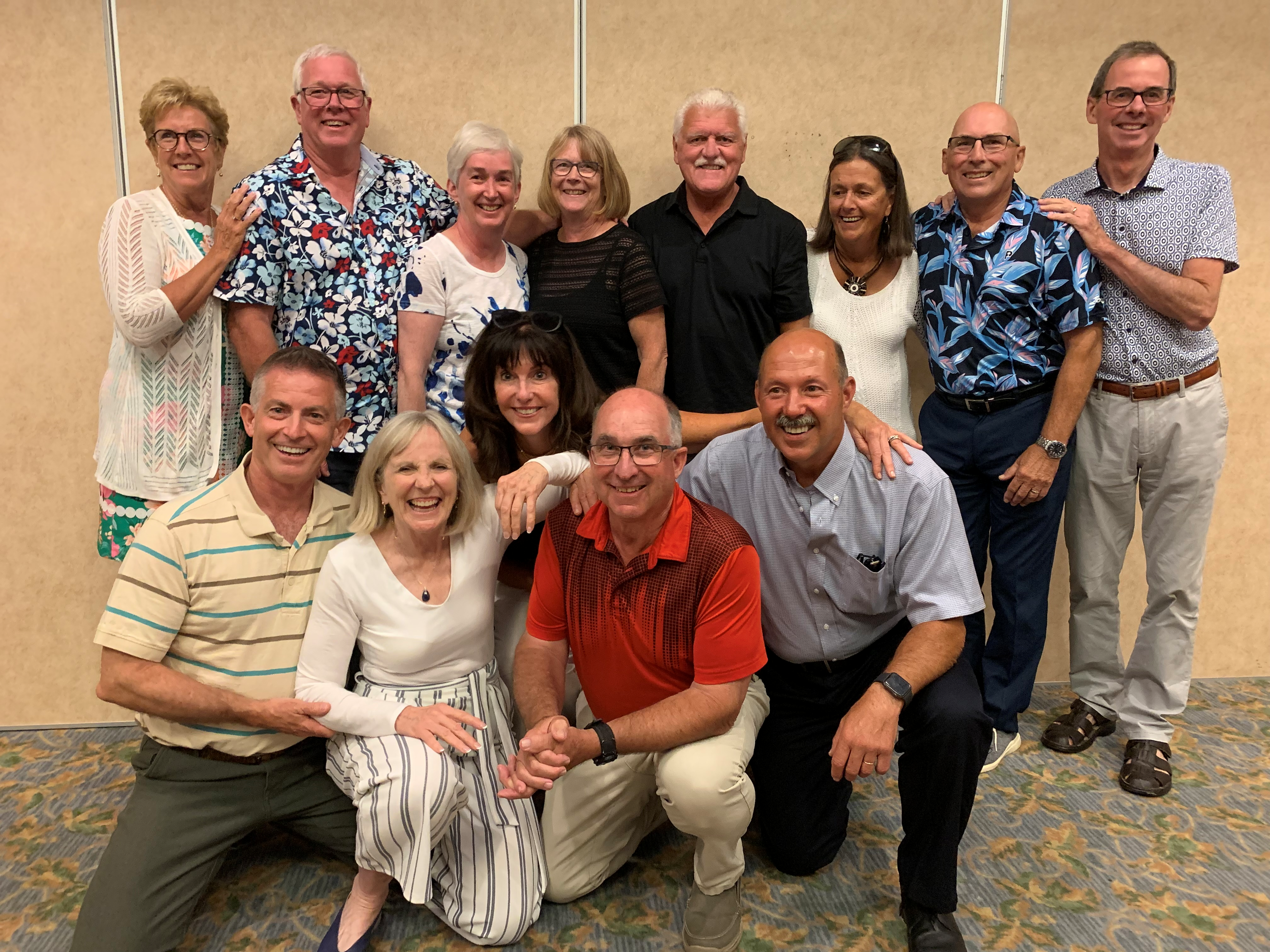
This past August, the Dalhousie Dentistry Class of 1984 travelled to Crowbush in PEI to celebrate their 40th class reunion. Over the years, some things have changed, but they still enjoy each others company as they did 40 years ago. The Class of 1984 was the first to complete all four years at the “new” dental school and was the last of the small classes to graduate.
Pictured standing left to right: Drs. Patty Johnson, Brian Walker, Anne MacDonald, Louise MacLeod, Don Walsh, Sue Lewis, John Conrad, & Bill Presse.
Kneeling left to right: Drs. Ed MacMurdo, Sharon Burke Brundige, Marjorie MacDonald, Kim Mailman, & Eric Beaton.
As the hustle and bustle of back-to-school season approaches, families find themselves immersed in shopping for supplies, adjusting to new schedules, and preparing meals amidst the chaos. In this flurry of activity, one aspect that often gets overlooked is maintaining good nutrition, especially when it comes to oral health.
Dentists have a unique role as healthcare providers, as much of our daily interaction with patients occurs through routine examinations and preventative therapy. These annual or semi-annual check-ups are (usually) painless and stress-free for patients, creating an atmosphere that easily lends itself to patient education about a variety of topics, including oral hygiene, restorative treatment options, care of oral appliances, and nutrition.
Many dentists may consider nutritional counselling to be an intrusive and awkward conversation to have with patients. Others may find it to be beyond the scope of practice, believing their knowledge to be limited on such an expansive topic. However, nutrition is an integral component in both oral and overall health, and dentists should be able to provide some basic nutritional education to their patients. Poor nutrition can lead to oral maladies, including caries, gingivitis, and mucosal pathologies. It may also lead to the progression of periodontitis and the reduction of tissue repair capacity needed to combat recurrent oral diseases or induce proper healing after surgical procedures.
When it comes to establishing life-long nutritional habits conducive to a healthy oral cavity, dietary counselling can begin as early as three months in utero. Indeed, the systemic effects of diet are most important when teeth are forming, which occurs between the third and sixth month of pregnancy. As such, it is essential your patients who are pregnant or are trying to become pregnant consume enough protein, vitamins (especially A, C, and D), calcium, and phosphorus needed for the development of healthy tooth buds. To reduce the risk of birth defects, you should recommend these patients take a dietary supplement of folic acid and eat foods high in folate and rich in folic acids (e.g. asparagus, broccoli, spinach, legumes, oranges, strawberries, bananas, and grain products fortified with folic acid). Once the baby arrives, dentists can encourage breastfeeding, if possible, but should advise parents that at-will nocturnal breastfeeding after eruption of the first tooth can cause early tooth decay. Should parents choose to bottle feed, it is important to discuss with them the frequency of feedings.
Parents should also be advised of the following:
Avoid putting children to bed with a bottle, as prolonged night-time feedings past the age of six months can increase the risk of caries
Avoid filling bottles with sugar water, juice, or soft drinks
Most dentists encourage parents to bring their child in for a complete oral exam by age one. During this exam, it is customary to begin a dialogue with parents regarding the child’s dietary habits. Dentists should recommend children be encouraged to drink from a cup by their first birthday. Milk or juice should only be offered with meals (never in a sippy cup), as the increase in saliva during mealtime and decrease in frequency that the teeth are in contact with sugars lowers the risk of tooth decay. Children should be given healthy and nutritious snacks throughout the day, including vegetables, fruits, and cheese, cut in sizes easy for little hands. Foods that are overly sticky or chewy, such as dried fruit, should be avoided, as these are not easy to remove from teeth and create an environment that contributes to cavity formation. Snacks that are high in starches, such as loose cereal, crackers, or teething biscuits, should be avoided for the same reasons.
Adolescents and young adults can pose challenging obstacles when it comes to nutritional counselling, as they may be more independent when making food choices. Opting for sugary, high-fat, high-carb foods, while tempting, can cause serious long-term damage to the oral cavity. Teenage boys are found to be the highest rising consumers of sugar-sweetened beverages, such as soft drinks, sports drinks, and energy drinks. In combination with oral appliances (i.e. braces, retainers), which are commonly worn in this demographic, poor nutrition can result in loss of tooth structure and the beginning stages of more serious chronic oral conditions. Nutritional counselling in combination with oral hygiene instruction is imperative in teenage years.
It is also important to note that eating disorders, such as bulimia, can be first diagnosed by dental professionals due to the pattern of acidic wear on the teeth — most notably the lingual of the maxillary anteriors. Though dentists and other dental professionals are not expected to provide treatment for eating disorders, early diagnosis is important and referral to the patient’s family physician can help aid in successful recovery.
Acknowledging the hectic schedules of back-to-school season, dentists can provide practical tips for families to integrate healthy eating habits seamlessly into their routines:
Meal prep: Spending some time on weekends to prepare nutritious meals and snacks for the week ahead can save time and promote healthier choices.
Smart snacking: Keeping convenient, tooth-friendly snacks, like cut-up vegetables, fruit slices, or cheese sticks, readily available can prevent reliance on less healthy options.
Hydration: Encouraging children to drink water throughout the day not only keeps them hydrated, but also helps wash away food particles that can contribute to tooth decay.
Approaching the subject of nutrition doesn’t have to be overly formal or rigorous. It can be as simple as asking a patient to fill out a questionnaire about their dietary habits, including the frequency of sugar consumption and nutritional supplements they may be taking. Recommendations can be made based on patient’s responses in conjunction with age, gender, and any medical morbidities/comorbidities.
Dentists can also provide a variety of resources to patients, such as Canada’s Food Guide, which can be easily accessed online. Resources for consumers include healthy eating recommendations, food guide snapshots, and education on understanding food labels. There are also resources for professionals, including dietary guidelines and toolkits.
In cases where full nutritional counselling is complex, dentists should advise their patients as best they can and refer them to an appropriate healthcare professional (e.g. family physician, a registered dietitian) for further guidance. The more support patients feel from their healthcare providers as a team, the more likely they are to take positive action in regards to their diet and maintain a healthy lifestyle.
As families gear up for another school year, the guidance provided by dentists serves as a reminder that prioritizing good nutrition can be both manageable and rewarding, laying the foundation for healthier smiles and happier lives.
In the pursuit of personal well-being, we often seek various techniques and practices that promise to enhance our physical health, mental clarity, and emotional balance. While yoga is commonly associated with physical postures (asanas), its philosophy extends far beyond the mat. Central to this philosophy are the Yamas, which serve as ethical guidelines for living a meaningful and harmonious life.
Understanding the Yamas
The Yamas are the first limb of the eightfold path of yoga, as outlined by the sage Patanjali in the Yoga Sutras. They represent moral principles or restraints that guide our interactions with the external world and ourselves. By adhering to these principles, individuals cultivate a sense of integrity, compassion, and peace within themselves and in their relationships.
Exploring each Yama
Ahimsa (Non-violence): Ahimsa encourages us to practice compassion and non-violence towards all living beings, including ourselves. It invites us to cultivate kindness in our thoughts, words, and actions, fostering an environment of harmony and understanding.
Satya (Truthfulness): Satya emphasizes the importance of honesty in all aspects of life. Being truthful not only builds trust with others but also nurtures authenticity within oneself, leading to greater clarity and inner peace.
Asteya (Non-stealing): Asteya teaches us to refrain from taking what does not belong to us, whether it be material possessions, time, or energy. By respecting the boundaries and possessions of others, we uphold fairness and integrity in our interactions.
Brahmacharya (Moderation): Often associated with celibacy, brahmacharya encompass moderation in all aspects of life. By practicing moderation, individuals conserve energy and maintain balance, fostering physical, mental, and emotional well-being.
Aparigraha (Non-possessiveness): Aparigraha encourages us to let go of attachments to material possessions and desires. By reducing our attachment to external things, we free ourselves from unnecessary burdens and cultivate contentment with what we have.
Applying the Yamas to personal well-being
Integrating the Yamas into our daily lives can significantly enhance personal well-being in many ways:
Mindfulness: Practicing Ahimsa and Satya fosters mindfulness and self-awareness, enabling individuals to understand their thoughts, emotions, and behaviours more deeply.
Healthy relationships: Asteya promotes respect and trust in relationships, fostering healthy boundaries and mutual respect. This contributes to emotional well-being and a sense of security in interpersonal connections.
Balance and moderation: Embracing brahmacharya encourages individuals to prioritize their physical, emotional, and mental health, promoting a balanced and sustainable lifestyle.
Inner peace: Aparigraha helps individuals detach from material desires, leading to greater inner peace and contentment with oneself and life circumstances.
Inner harmony
Incorporating the Yamas into our lives offers a holistic approach to personal well-being, addressing not only physical health but also emotional balance, mental clarity, and spiritual growth. By cultivating these ethical principles, individuals can navigate life’s challenges with grace, foster harmonious relationships, and nurture a deeper connection with themselves and the world around them. Ultimately, the Yamas serve as a timeless guide for achieving inner harmony and leading a fulfilling life rooted in compassion, truth, and integrity.
Stay tuned for the next edition of Self-care Corner, where the second limb, the Niyamas, will be discussed.
If you’ve taken out a mortgage to purchase your home, your lender likely asked whether you wanted to purchase mortgage insurance. It makes sense to want to protect one of the biggest investments you are likely to make — particularly if you plan to live and raise a family in it.
Ensuring your loved ones can keep your family home if something unforeseen happens to you should be a top priority.
However, the type of mortgage insurance your lender may have offered (commonly called “creditor insurance”) might not be the best option for your situation. Indeed, life insurance offers options and benefits that may better fit your financial priorities.
Mortgage insurance vs. life insurance
Let’s take a step back and examine what these products do and how they compare. Mortgage insurance and life insurance have a similar purpose (i.e. ensuring your family can continue to live in their home if something happens to you), but they have a few key differences.
The death benefit on mortgage insurance only covers the outstanding mortgage amount and is paid directly to the lender, whereas life insurance pays the death benefit to the beneficiaries named in the policy, who can then apply this money towards the mortgage or anything else. This can be helpful, as your loved ones may prefer to use these funds to cover other expenses, such as funeral costs, childcare, other living expenses, or academic/business pursuits. Personal life insurance gives beneficiaries the flexibility to choose what works best for them.
Knowing you’ve got it covered
These types of insurance also differ when it comes to determining if you qualify for coverage and if the claim will ultimately be paid.
With mortgage insurance, it is usually determined if you qualify for the coverage after your beneficiaries submit a claim. Even though you answer many questions when you apply for a policy, if a pre-existing health condition is found, a claim may be denied. This is called “post-claim” (or “post-death”) underwriting, and its potential consequences are not the kind of legacy you want to leave behind.
“With life insurance, all the underwriting is completed before your insurance goes into effect,” says Julie Berthiaume, a senior insurance advisor at CDSPI Advisory Services. “You may be asked to complete a health questionnaire or take medical tests, but you can be confident that your beneficiaries won’t be left in the cold when they need to make a claim.”
How life insurance and mortgage insurance compare:
While mortgage life insurance can be convenient (given that premiums can be built into monthly mortgage payments and applicants only need to answer a few questions to be “approved”), it has significant limitations that could leave your loved ones no better off. In fact, many industry experts have expressed skepticism about the efficacy of this type of insurance, with Rob Carrick of the Globe and Mail warning consumers to avoid it under most circumstances.
Choosing your life insurance protection
Life insurance offers the guarantees needed for today while remaining flexible to adapt as needs change. Life insurance policies can provide you options, including allowing you to change your coverage as your financial needs evolve. Some policies may also allow you to suspend payments if you become disabled and cannot work. With so many options available, there is a life insurance solution available to suit your financial needs and priorities.
A licensed insurance advisor can answer your questions and help you decide if life insurance is the right option for you to protect your mortgage and your family. These professionals can also help you explore alternatives (e.g. disability insurance, critical illness insurance) to create a more comprehensive and robust protection plan.
The information contained in this article is of a general nature only and should not be considered personal insurance or financial advice. For specific advice about your situation, please consult with your financial advisor.
By Samantha Ashenhurst NSDA Communications Manager
What would you say is on your professional bucket list?
For Halifax-based Registered Dental Assistant Sherry Whytewood, taking part in an organized outreach and treating patients in remote areas has been top-of-mind for more than two decades.
“When I became a dental assistant, I knew I wanted to be very involved in the profession,” she tells Nova Scotia Dentist. “I think volunteer outreach missions are a big part of this.”
This past winter, Sherry was approached by a former colleague, Dave Sampson, with an opportunity to achieve this goal. Dave, a dental technician who retired more than eight years ago, had recently crossed paths with his friend, Dr. Gary Samson. Gary, who retired from general practice in 2004, has participated in 16 dental outreach missions in rural areas of Guyana, Haiti, and Peru, among other locales.
“I was catching up with Gary and asked him if he was still doing the outreaches,” Dave says. “He told me he was to Uganda and Kenya in a couple months and asked if I would consider joining.”
“Technicians are so valuable in outreaches,” Gary explains. “They make sure equipment is working and functional. It’s essential.”
“I thought, to myself, well, maybe I should volunteer,” Dave says. “I figured it was an opportunity for an adventure while I’m still healthy enough to do it.”
After signing on, Dave reached out to Sherry and encouraged her to join as well.
“Dave and I worked together for more than 20 years, and he knew that one of the things I wanted to do was an outreach,” Sherry says. “I always figured it would be up north. Never in a million years did I think we’d be off to Africa, but he called me and said, ‘We’re doing Africa in February. What do you think?’ I was in.”
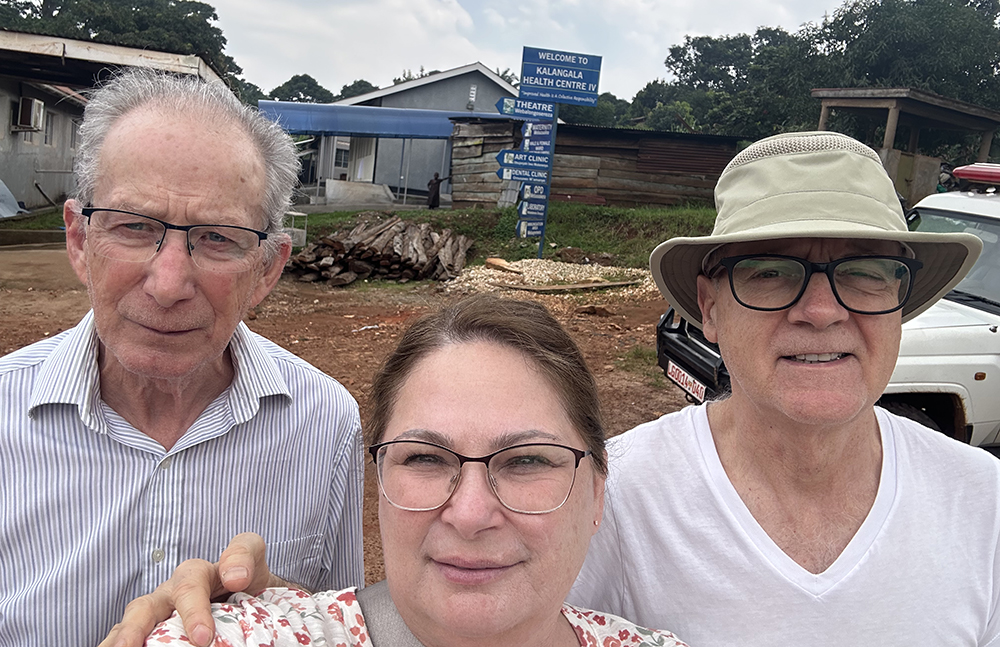
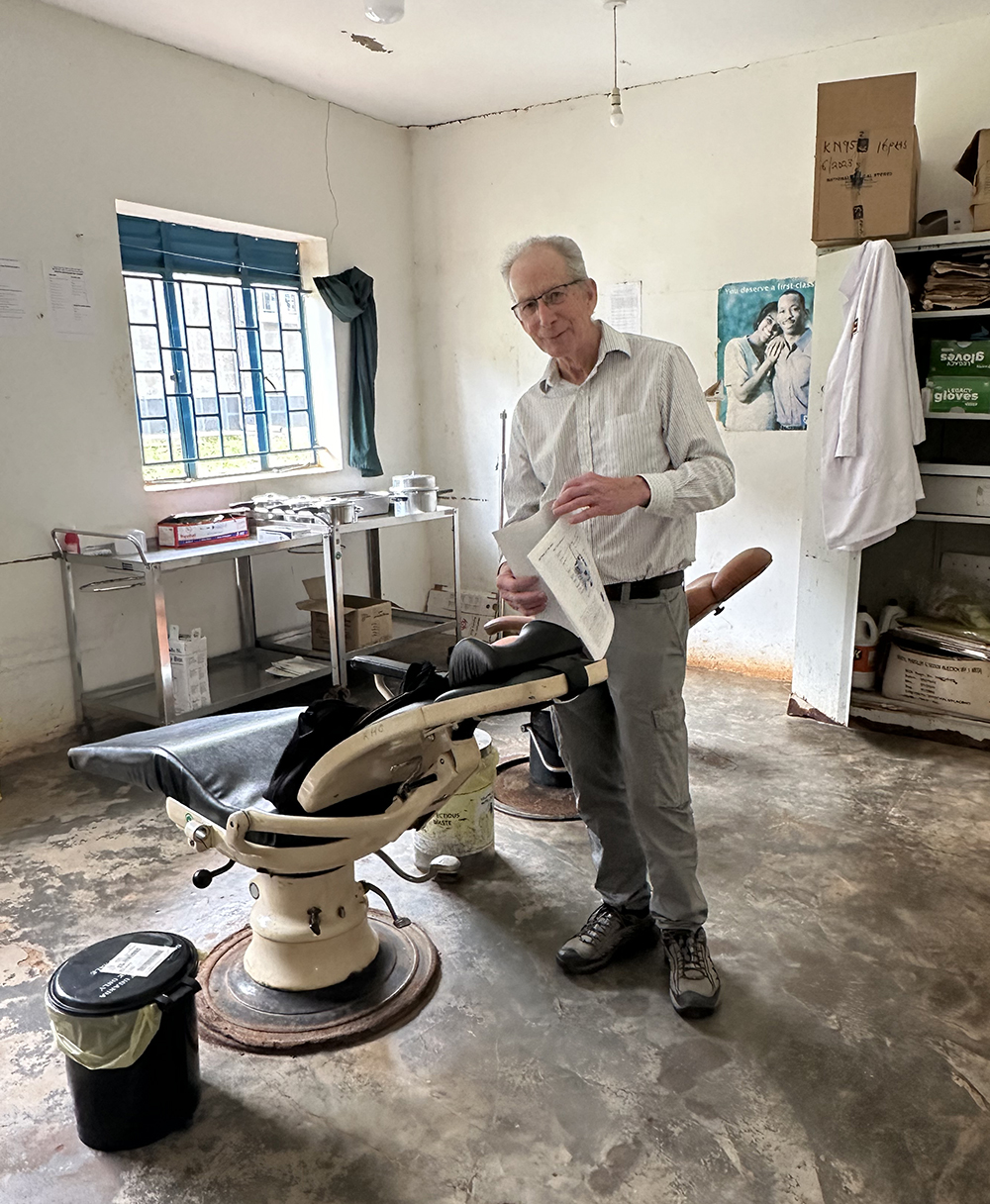
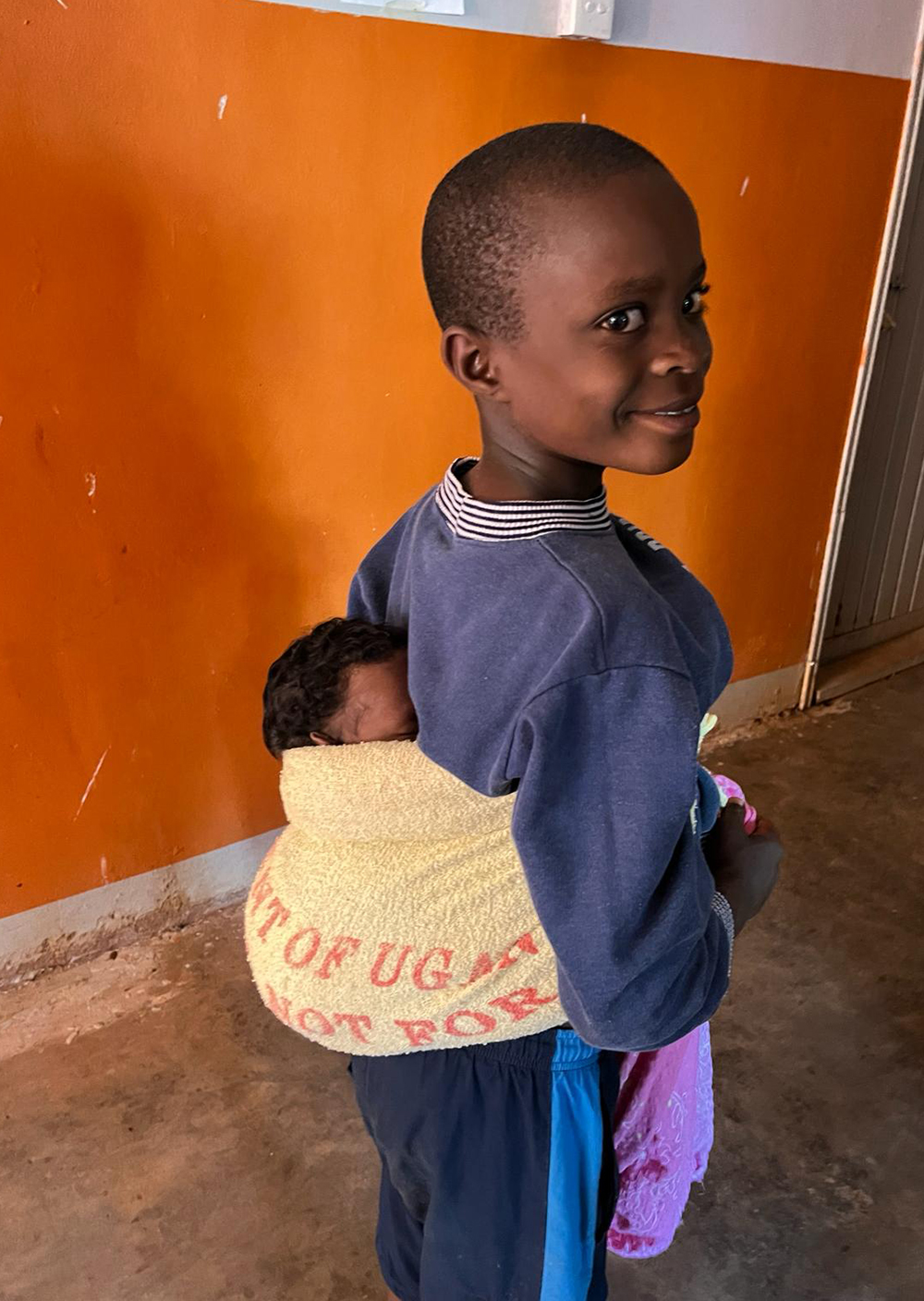
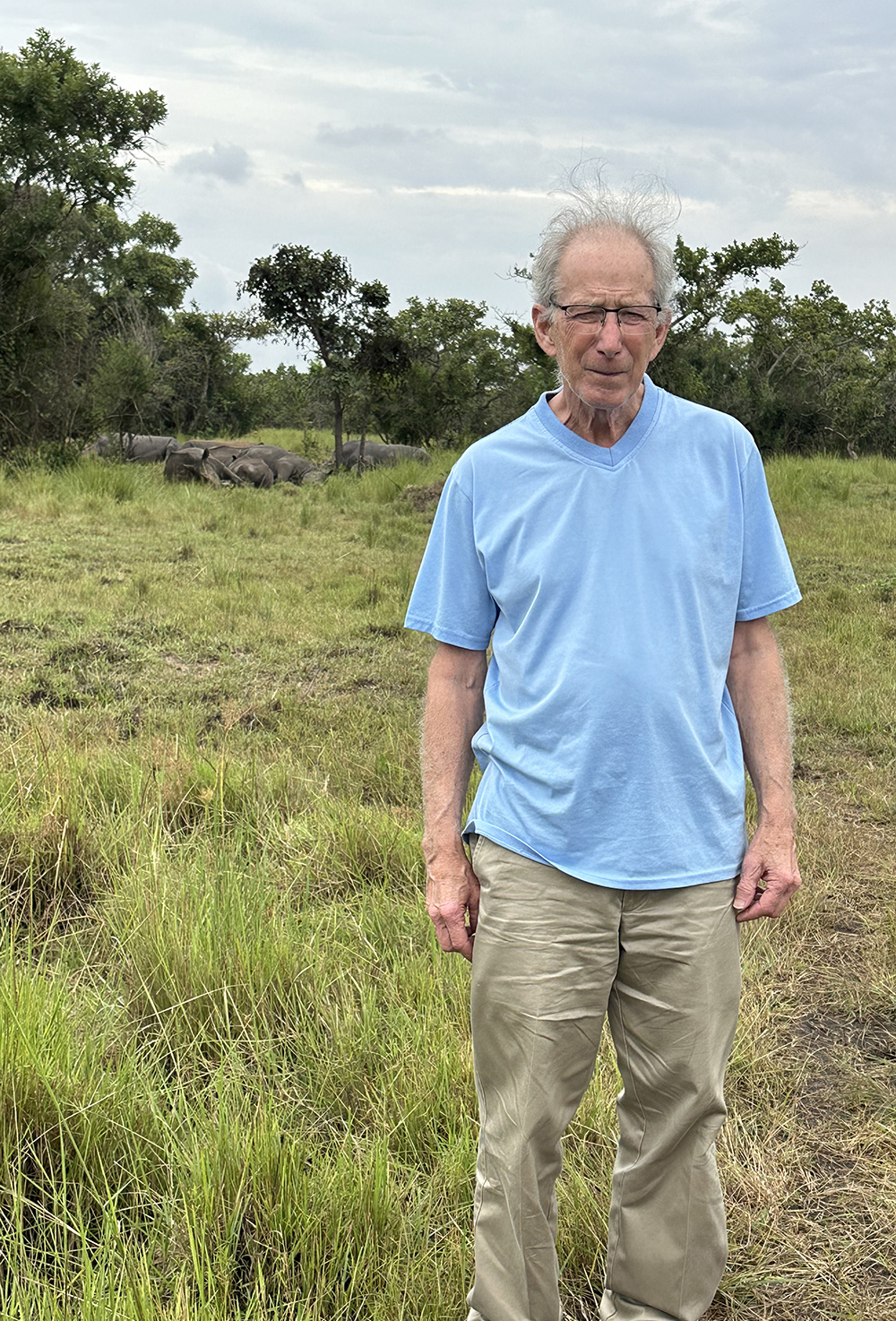
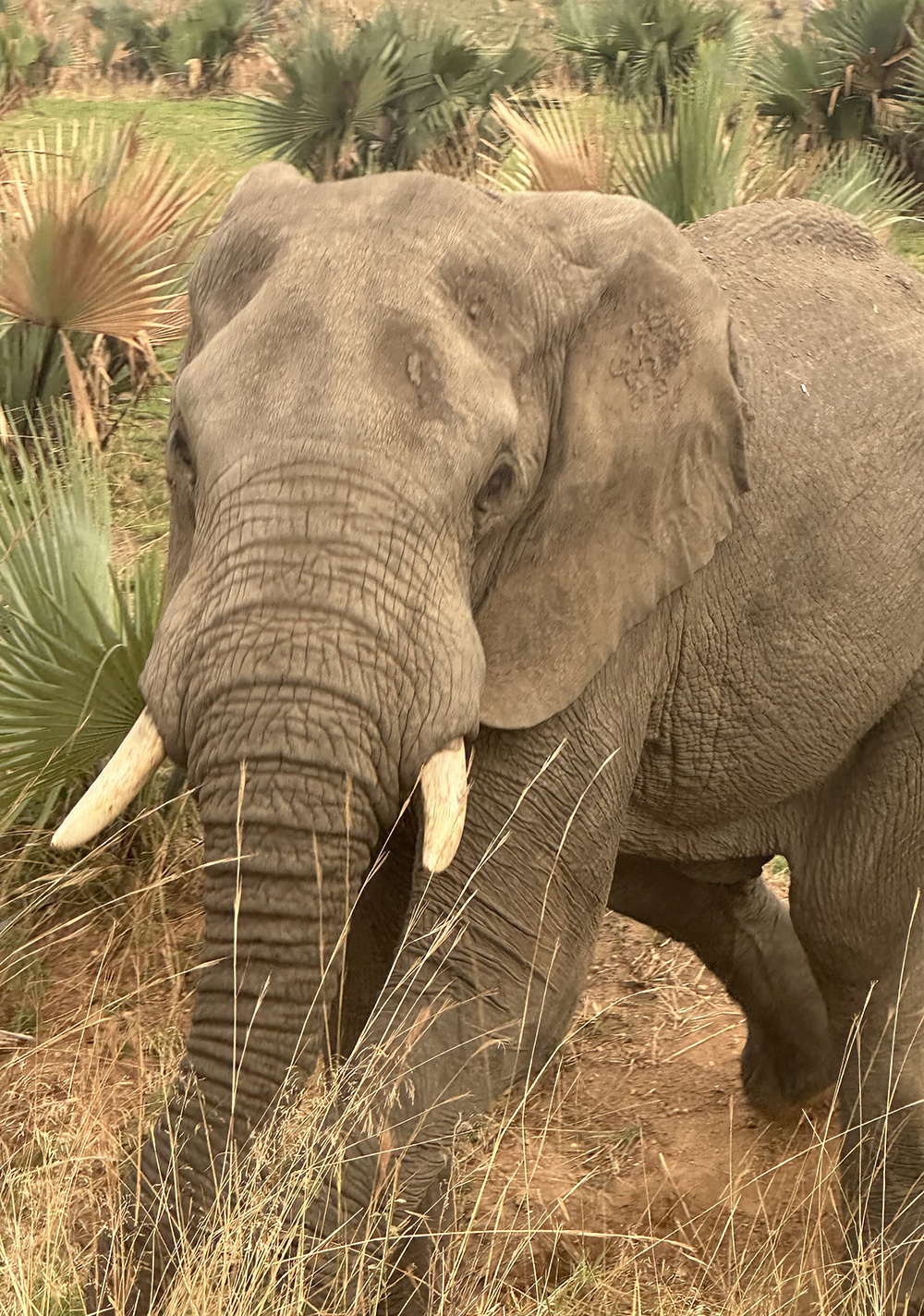
From left: Dave Sampson, Sherry Whytewood, and Dr. Gary Samson. Photos courtesy Sherry Whytewood
Bridge to Health
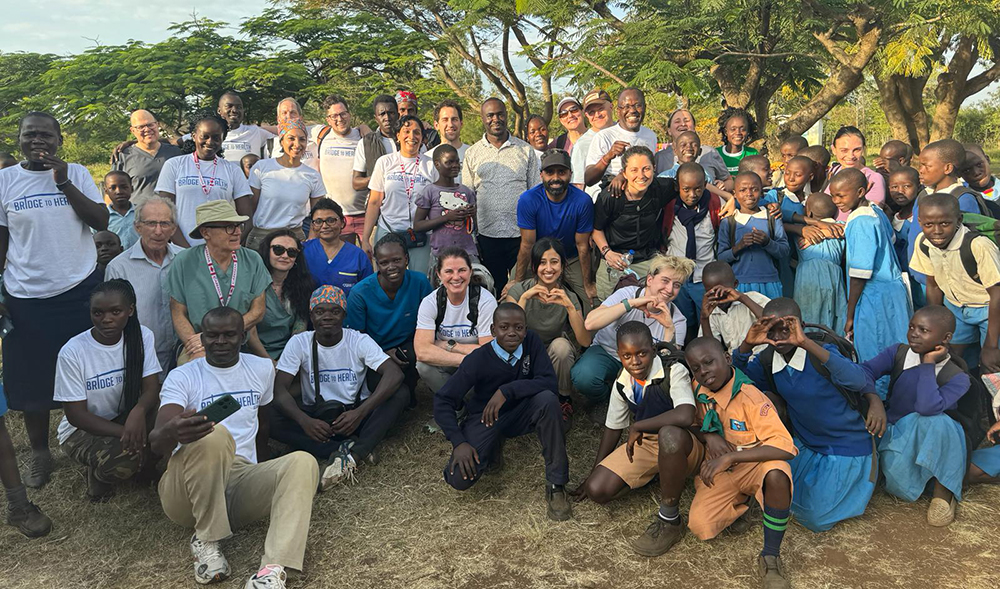
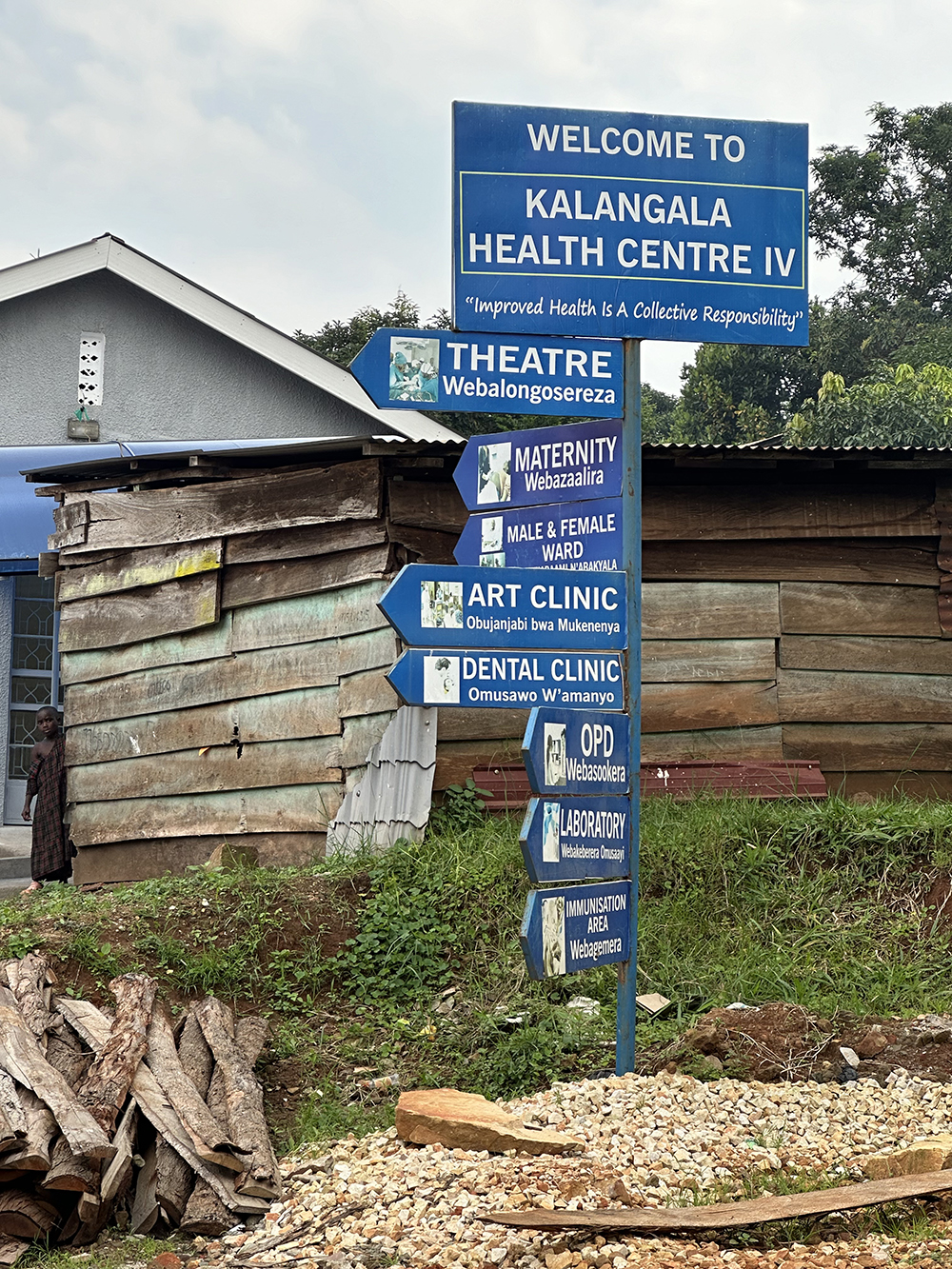
The month-long trip was coordinated by Toronto-based non-profit organization Bridge to Health. Guided by global health ethics, the group works with local organizations worldwide to bring sustainable healthcare to underserved rural populations, providing cost-effective medical and dental care through appropriate educational programs and clinical service.
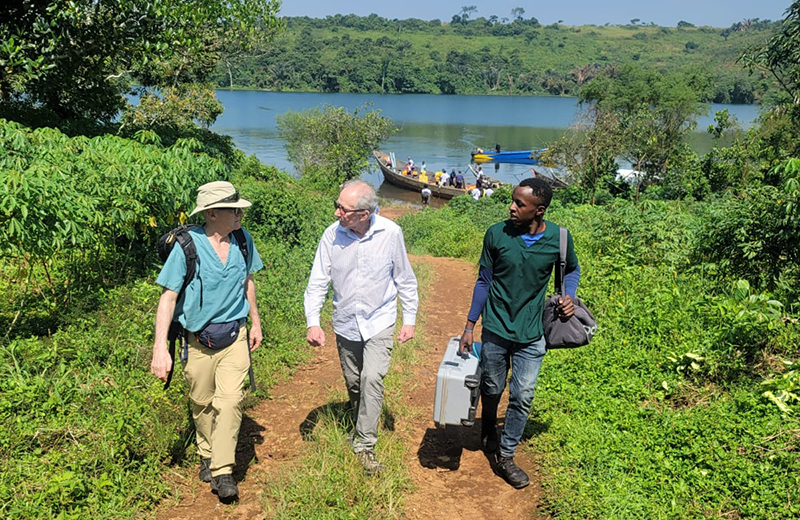
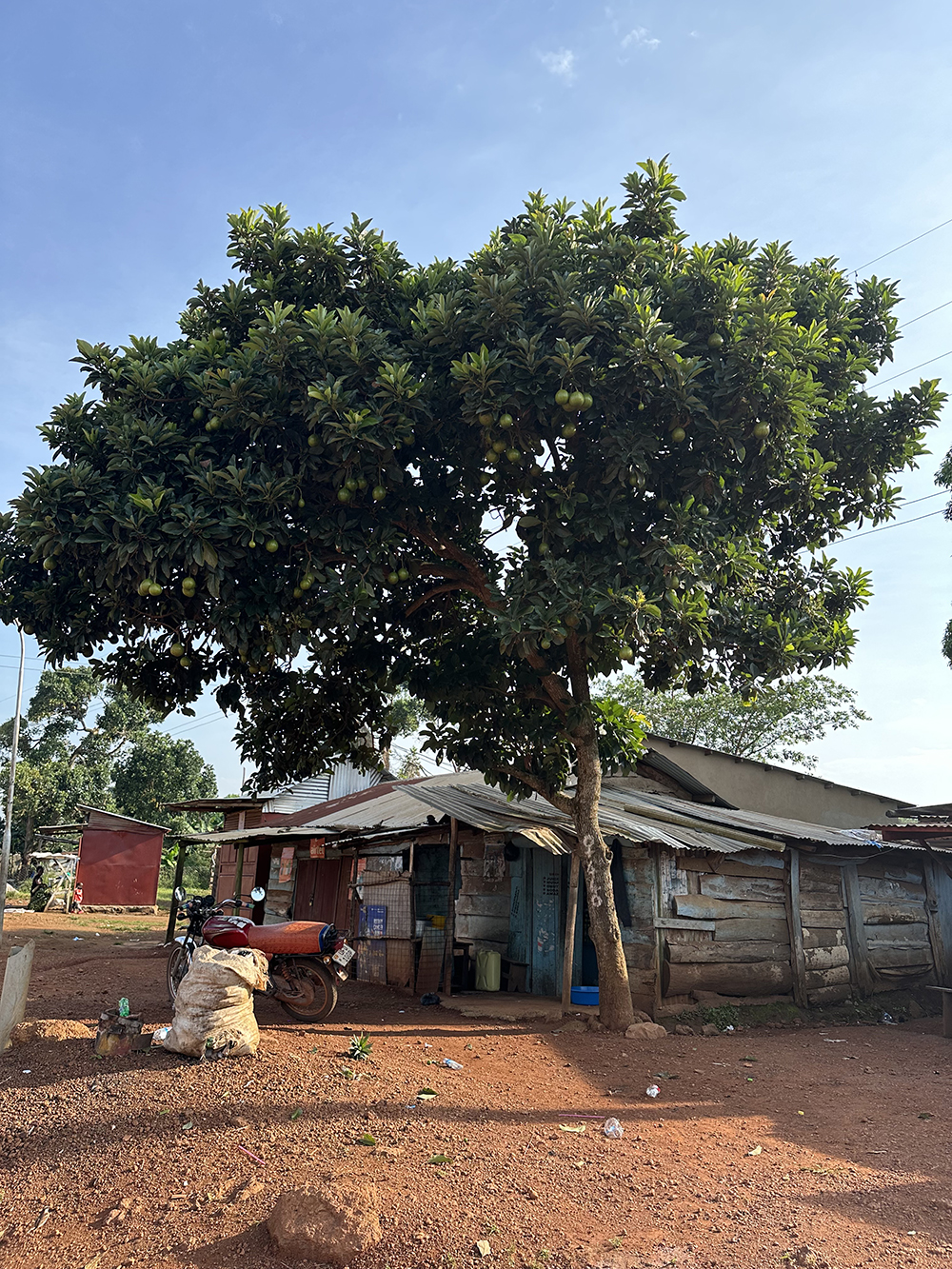
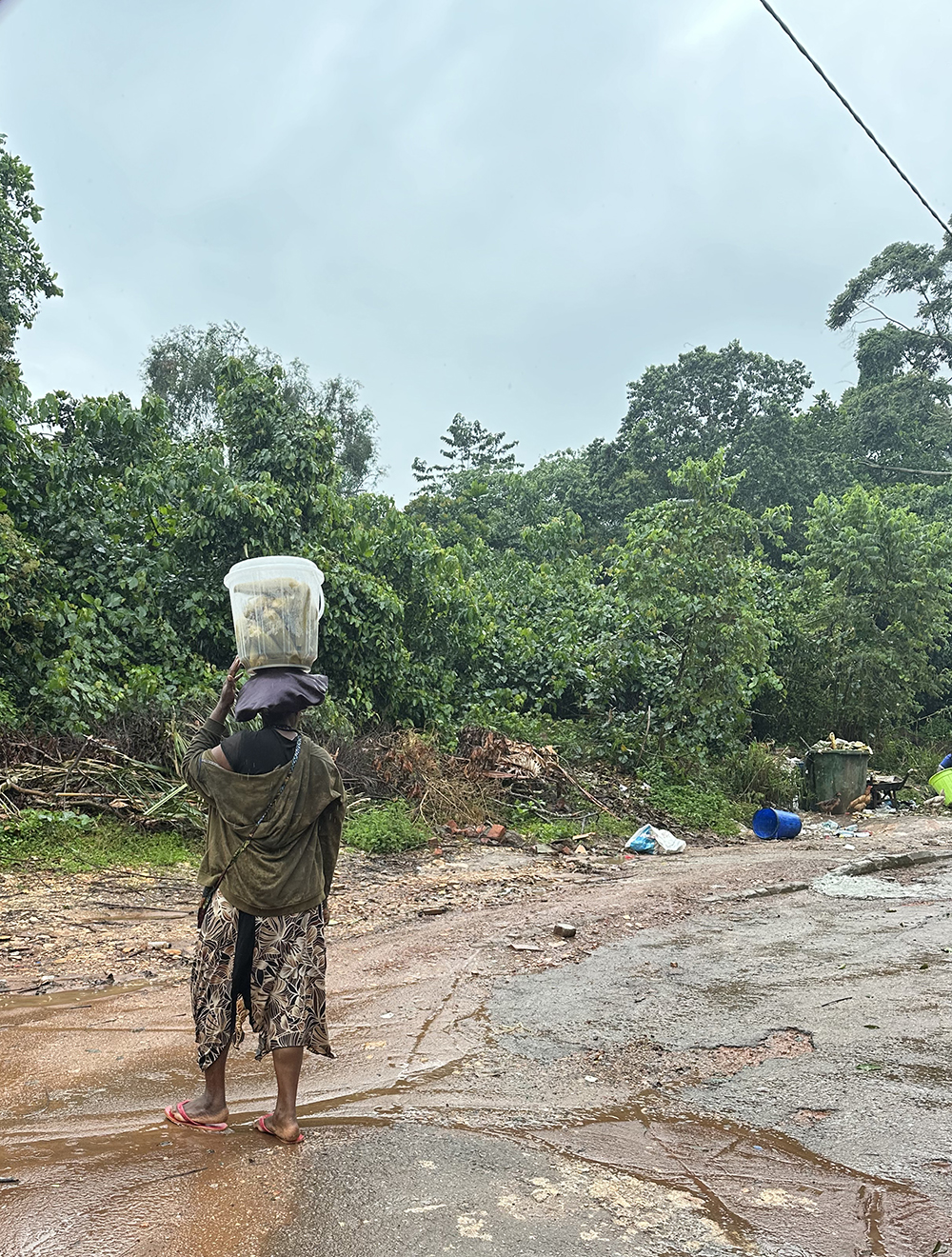
This particular trip, which took place in February 2024, consisted of two weeks in the mountainous town of Kabale, Uganda, then another two weeks in Kisumu, a lake village in Kenya. The areas have been visited by Bridge to Health volunteer groups for more than a decade.
“The locations we visit are determined by the Bridge to Health executive board and are completely based on meetings they have with healthcare and government officials,” Gary explains. “A needs assessment must be conducted together with a strong local partner before any intervention. There are a lot of factors in play when it comes to determining where we’re going and what we’re doing.”
Such factors include access, available resources, and expected frequency of healthcare visits.
“Organizers are continually evaluating as we work in different areas,” Gary says.
In practice
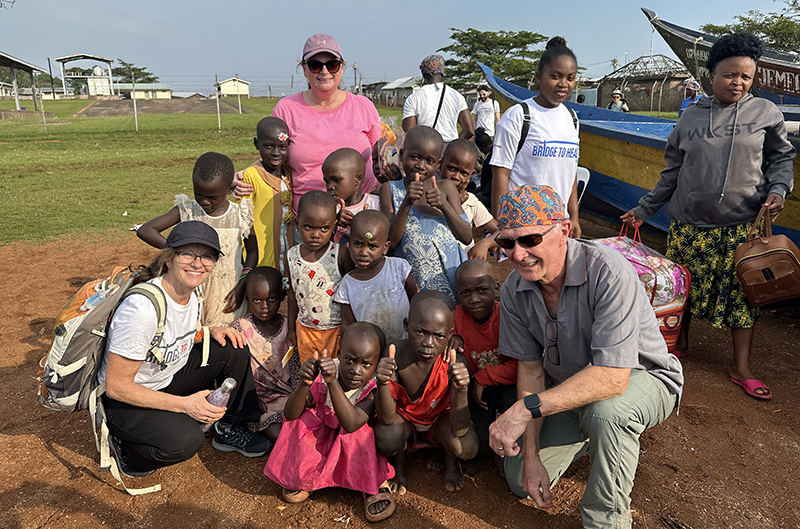
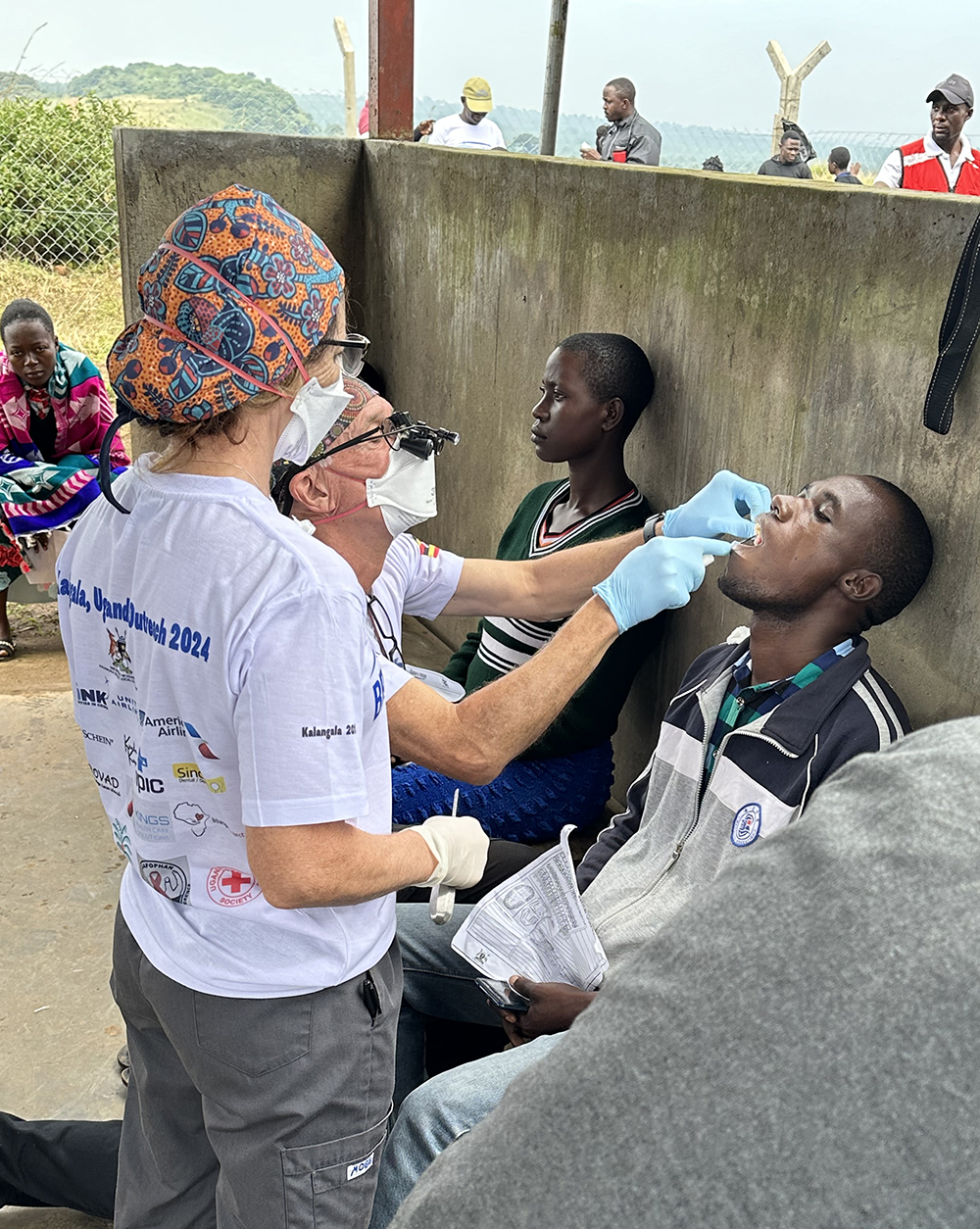
While in Africa, Dave, Sherry, and Gary worked and travelled with a large group of volunteers, providing much-needed care to dozens of patients each day.
“It was about 70 of us travelling together from one location to the next,” Dave says. “Most of the members of our group were local dentists, doctors, nurses, and pharmacists.”
As a first-time volunteer, Sherry experienced some culture shock when she arrived at the outreach.
“I’d seen photos from trips before, but that really doesn’t compare at all to what the experience is like,” she says.
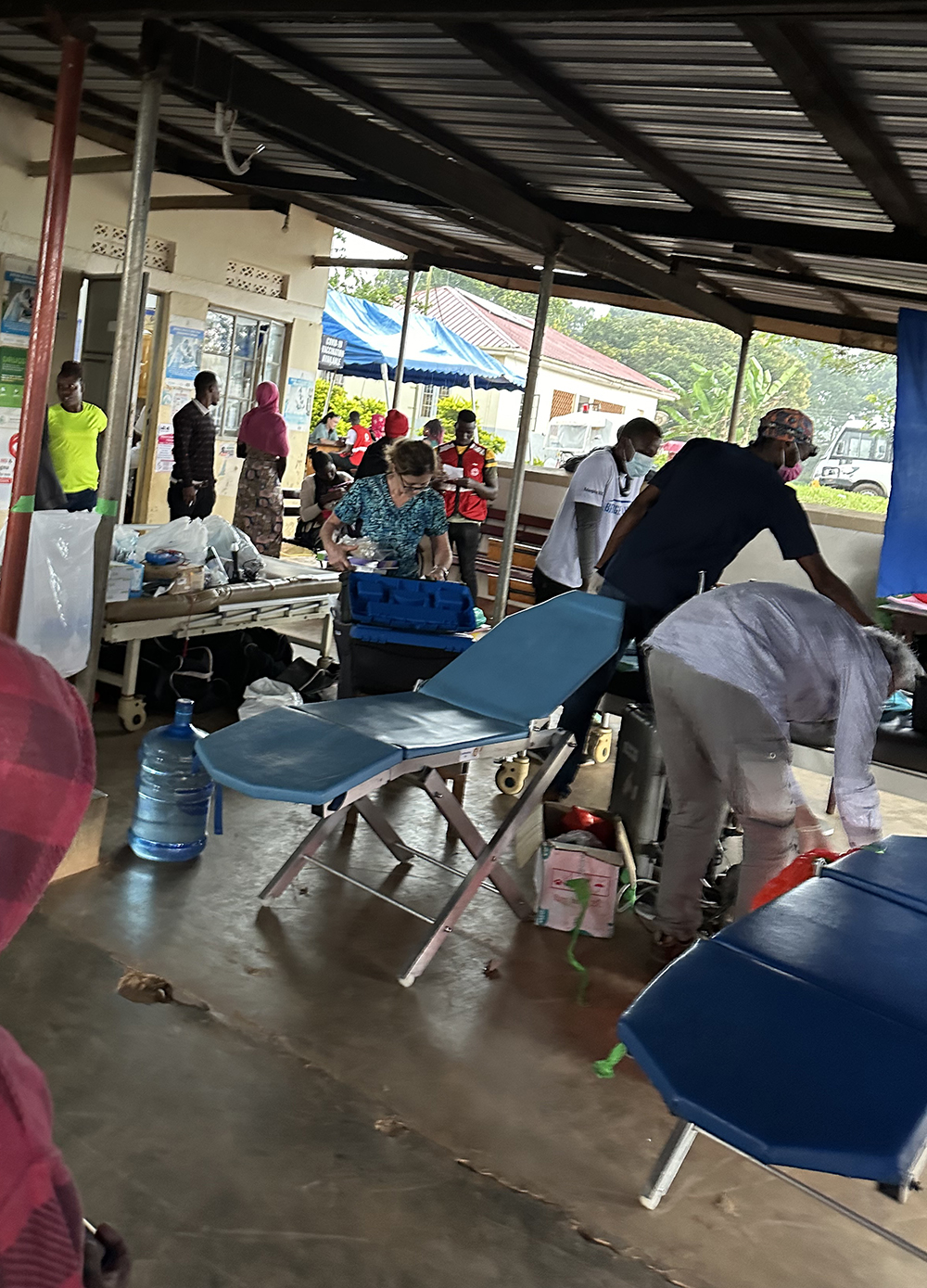
“Some mornings we would arrive to set up and there would just be line ups of people waiting,” she continues. “We went to one island in Uganda and set up in this very old brick-and-mortar building. People in need of care had slept out overnight. Six pregnant women were waiting. They had no prenatal care, and they knew that medical was coming and that they’d be able to get an ultrasound.”
When it comes to dental procedures performed, extractions are most common — mostly due to the availability of resources.
“I find that local dentists are quite adept at removing teeth,” Gary says. “They aren’t as used to doing fillings because they don’t have the proper material handy, but we had curing lights and were helping them use materials they’d never used before.”
“Also, because we had a guy like Dave around, we had two dental units and two suction units the hygienists could use,” he continues. “So, we had the potential for operative setups, which is something that doesn’t happen a lot.”
In the long term, Bridge to Health aims to equip remote areas with the training and materials needed to no longer necessitate volunteers from overseas. To that, the organization raises funds to cover tuition costs for local doctors and dentists with the idea that they will stay and practice in rural areas.
“If you’re doing things properly, you want to work yourself out of a job because local dentists will be able to come in and do everything,” Gary says.
Generally, all international volunteers look to local dentists when it comes to patient care.
“In terms of training, you have to be very careful to not to impose your standards,” Gary explains. “You have to respect how dentistry is practiced in the setting and not go in with an attitude like you know what’s best for the patient.”
“I struggled with that,” Sherry admits. “In my dental training, I was taught to explain everything to the patient, make sure they’re comfortable, and reassure them when necessary. That’s not generally done with outreach, though — there just isn’t time.”
“You want to see as many people as possible,” Gary says. “It’s a bit of a different criteria from what we’re used to in Canada.”
Despite this, patients are very appreciative of those working in the clinics.
“People would walk up to you out of the blue and thank you for coming,” Dave says.
“That was absolutely bittersweet for me because I just felt like there was so much more we could have done,” Sherry adds.
Dave agrees.
“There’s always more that could be done because there are millions of people,” he says. “That was a big part of the learning curve for me: Getting rid of my North American mindset and just rolling with it. You do the best you can do with what you have to work with and the time you have.”
Challenges faced
Logistics and time restraints posed some significant challenges for the volunteers. For the two weeks spent in Uganda, for example, the group did seven clinics, moving around to different places for each one.
“That was a challenge because it would take an hour and a half in the morning to set up the equipment and then another hour or so to take it down at night,” Gary says. “In Kenya, it was a bit easier because we were concentrated in two major areas.”
“That let us put in longer days,” Dave adds.
Navigating emotions can also be challenging.
“Gary had told me before we left that it would be about two weeks in before I would really start to settle in,” Dave says. “Sure enough, we were about two-and-a-half weeks in, and I was talking to my wife one night on the phone and I got very emotional. I don’t know why. It was nothing sad, but suddenly everything you’ve taken in for two weeks hits you like a ton of bricks.”
Sherry agrees that the experience was moving and a bit complex at times.
“I was told that I would leave with one attitude and, once I got home and had time to process the whole thing, I would probably have a totally different response,” she says. “When I left Uganda, I told myself I was never going back — I felt like what we had done just was not enough. But, after a week or so of being home, I realized if they called me to go next year, I would definitely go.”
“It’s all perspective,” Gary adds. “When you come back home, you can look at it with a different set of eyes than what you experienced and you can understand the good and the bad. It gives you a chance to evaluate your experience.”
Amidst the challenges, Dave also says he learned an appreciation for the privileges he’s accustomed to.
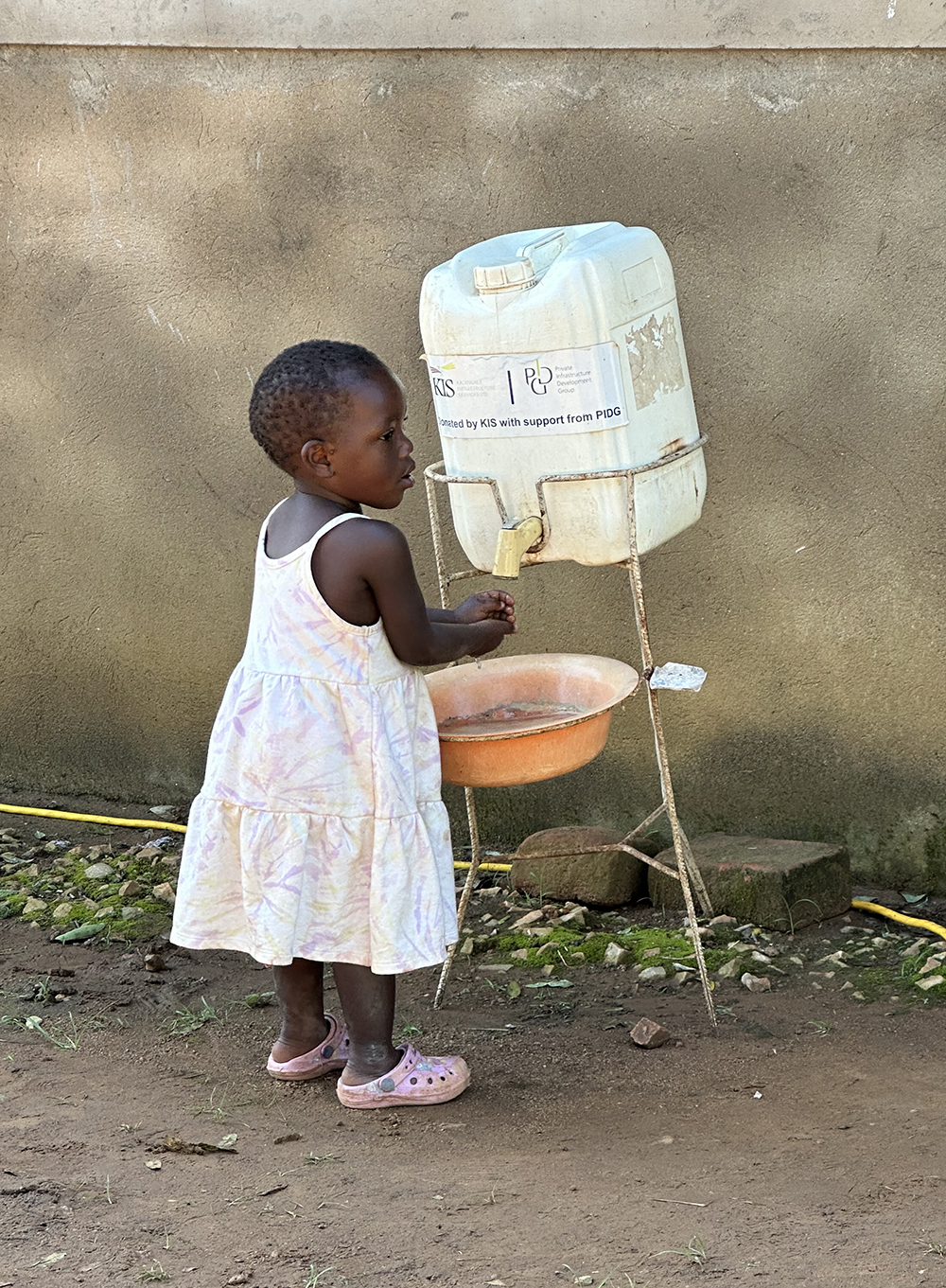
“I think about all of our services, the freedom of movement, and the privileges of living in Canada, and it’s just amazing,” he says. “Something as simple as going to the faucet, turning on the tap, and getting a drink of water. When we were at the outreach, I was always planning ahead and thinking of where I’d be getting my next water because hydration is a real issue.”
The missions are also an incredible way to bond with peers.
“When you work with people like this, they really become comrades,” Gary says. “Your health and well-being are based on everybody around you, so you get closer to people in two weeks than friends that you’ve had for 20 years.”
Sherry agrees.
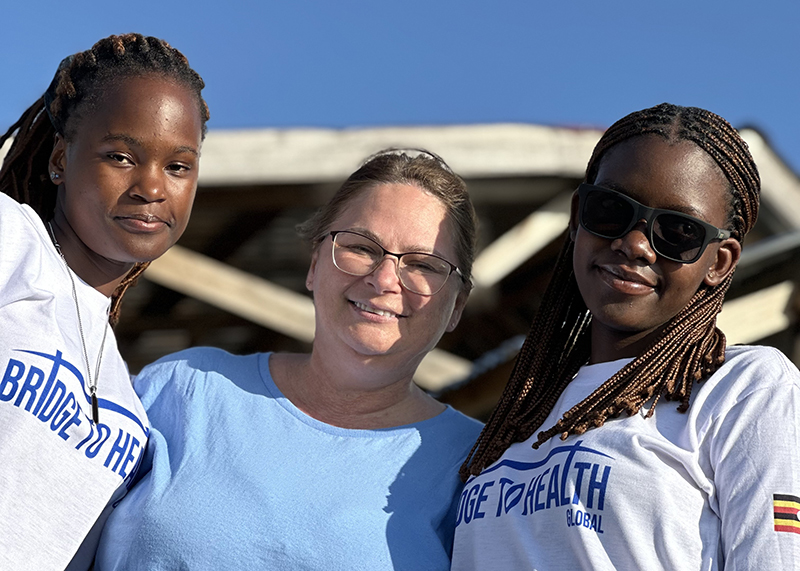
“When we were in Uganda, I met some incredible ladies who are pharmacy students,” Sherry says. “One of them they were calling my sister because her name is the same as mine and our smiles were the same. The three of us have talked on the phone every Sunday since I’ve been home.”
Next trips
When it comes to recruiting volunteers for outreach missions, one logistical challenge in Nova Scotia that Gary hopes will be addressed in the coming years relates to licensing for retired dentists.
“Across the country, we have a lot of people like myself who are retired and love to do this kind of work,” he says. “You have to be qualified in order to do it — there’s no question about that. But to maintain your license in Nova Scotia, you have to engage in dentistry for 450 hours within a three-year period and also pay your registration fee.”
“What Ontario’s done is allowed retired dentists to pay a fee to register for $250 instead of $5,000, as long as they maintain the continuing education,” Gary continues. “I’m hoping that something similar can be passed in Nova Scotia. It would help the profession in every aspect. There are a number of people who are retired who would join these missions.”
Currently, Bridge to Health is looking for volunteers for its 2025 medical and dental outreach. Dave, Sherry, and Gary can’t recommend the experience enough.
“I think anybody that’s got any spark of interest to do it should do it,” Sherry says. “Absolutely. It’s life-changing.”
“Anybody and everybody can contribute,” Dave adds. “No matter what your skills are and what your age is, you will make a difference. Everybody can contribute something.”
“It’s just an amazing experience,” he says. “Absolutely amazing.”
Since its launch in 2012, Bridge to Health has provided care to more than 48,000 patients through 12 outreaches, planned with and led by local partners, and has sponsored over 850 clinical trainees. For more information, visit bridgetohealth.ca.
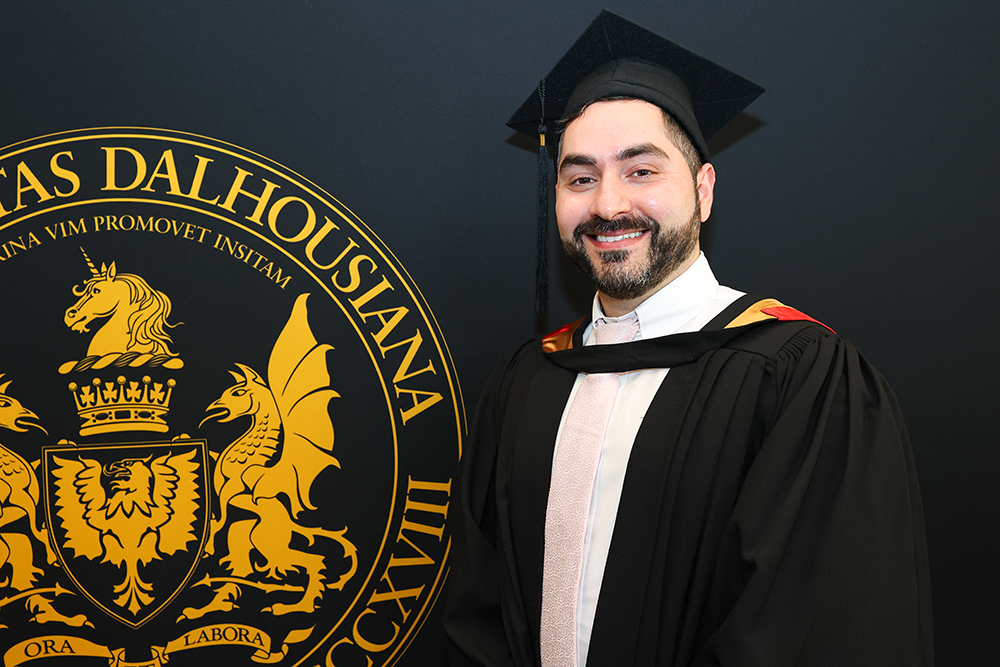
Haider Hussain’s (MPerio’24) first experience of Canada was from the window of a quarantine hotel. It was May 2021, and he had arrived from the United Kingdom to take up his place on the master of periodontics program at Dalhousie University.
He was undaunted. “I like an adventure,” he says.
On the move
Hussain’s adventures began long before he reached Canada. He and his family moved from Saddam Hussain’s Iraq to the U.K. when Hussain was in his early teens. The move was “challenging,” he says, forcing him to grow up before his time.
The family settled in Leeds, West Yorkshire, which offered Hussain’s parents — both engineers — work opportunities in a multicultural city.
Many of Hussain’s family members are doctors and dentists, so when he was deciding what to study at university, health care was a clear choice. At school, he was able to get a few weeks’ work experience in a couple of dental practices. He gained similar experience in a GP’s medical practice, but didn’t find it as engaging.
“With dentistry you’re doing lots of things with your hands and being artistic,” Hussain explains. “You’re managing patients and staff, and there’s also a giving-back aspect to it.”
In the U.K., students can study dentistry straight out of high school. And, so, in 2006, Hussain began his five-year dentistry training at the University of Manchester, followed by a compulsory foundation year, which is a salaried position during which new dentists work under supervision.
Only a certain number of practices offer foundation-year placements, and Hussain’s was in a high-needs area near Sheffield. He treated patients needing multiple restorations, extractions, and full mouth rehabilitation, and gained an appreciation for “delivering dental care centred on disease prevention.”
After foundation year, Hussain needed a job. Like other junior dentists in the U.K., he worked for the National Health Service (NHS). He gained more experience and built up his speed, but in many ways, the work wasn’t satisfying enough.
“I understood the need to be fast, but I also wanted to give patients a good experience and for them to want to come back,” Hussain says. “I knew then that I wanted go into private dentistry.”
The road to periodontics
Hussain registered for a 15-day restorative certificate course at the Manchester Dental Education Centre, which he took over the course of a year while continuing to work. It was, he says, a “crash course on all the specialities.”
The course opened the door to periodontics. Hussain was intrigued and attracted to both the aesthetic and surgical aspects of the speciality, and procedures such as crown lengthening and gum and bone grafts. He explored part-time programs that would give him skills and knowledge in more advanced periodontal treatment. A three-year masters in clinical periodontology at the University of Central Lancashire in Preston was the result.
Although combining his practice commitments with his studies and travelling to back and forth to Preston was hard, Hussain says the masters program ignited his passion for periodontics. “There were lots of non-surgical treatments,” he says. “I was also able to do some surgeries, including guided tissue regeneration around implants, plus practising on pig jaws, treating patients, and a dissertation in third year.”
Hussain’s first masters was an introduction to the speciality, but it didn’t make him a specialist. That was why he came to Dalhousie to do a second one. He explored options in the U.K. and other countries, but Dr. Matthew Morris (MPerio’23), whom he met during his first masters and who was already in the Dal program, encouraged him to come to Halifax.
Ready for Dal
The interview for the Dal residency took place over Zoom because of COVID restrictions, denying Hussain an opportunity to visit campus.
“I was really impressed by the questions and by how chilled and relaxed the interviewers were,” he says.
Hussain was also given a lot of information about the program and the types of procedures he would be doing, including gum grafts using multiple techniques. He says it was a “lightbulb moment” when he recognized the scope for soft tissue grafting and the “artistic side of perio” a North American program would offer him.
He was not disappointed. “Dal offers a true speciality training program,” he says. “You’re not only being tested on your skills; you’re also being tested on the way you look for knowledge and gain that knowledge. I think this is what sets it apart from other programs.”
Hussain was ready for a program like this.
“I wanted to be a specialist,” he says. “I wanted an adventure. If that meant a new culture, a new place, new ideas, and working in a new country, I thought it would be stupid not to take that perfect opportunity.”
For Hussain, the adventure is not over. After his board exam, he will be volunteering with Crisis Management Association (crisismanagementassociation.com) at a refugee camp on Lesbos, a Greek island, where around 6,000 refugees from Syria, Yemen, and Somalia wait for their paperwork to be processed.
“It’s something I’ve always wanted to do,” he explains. “I’ve done some volunteering and I like the idea of giving back and meeting like-minded people.”
After some time at home in the U.K., Hussain plans to return to Nova Scotia.