Author: David Salter

  • AGM 2024: Celebrating Nova Scotia dentistry in Fox Harbour

    By Samantha Ashenhurst
    NSDA Communications Manager

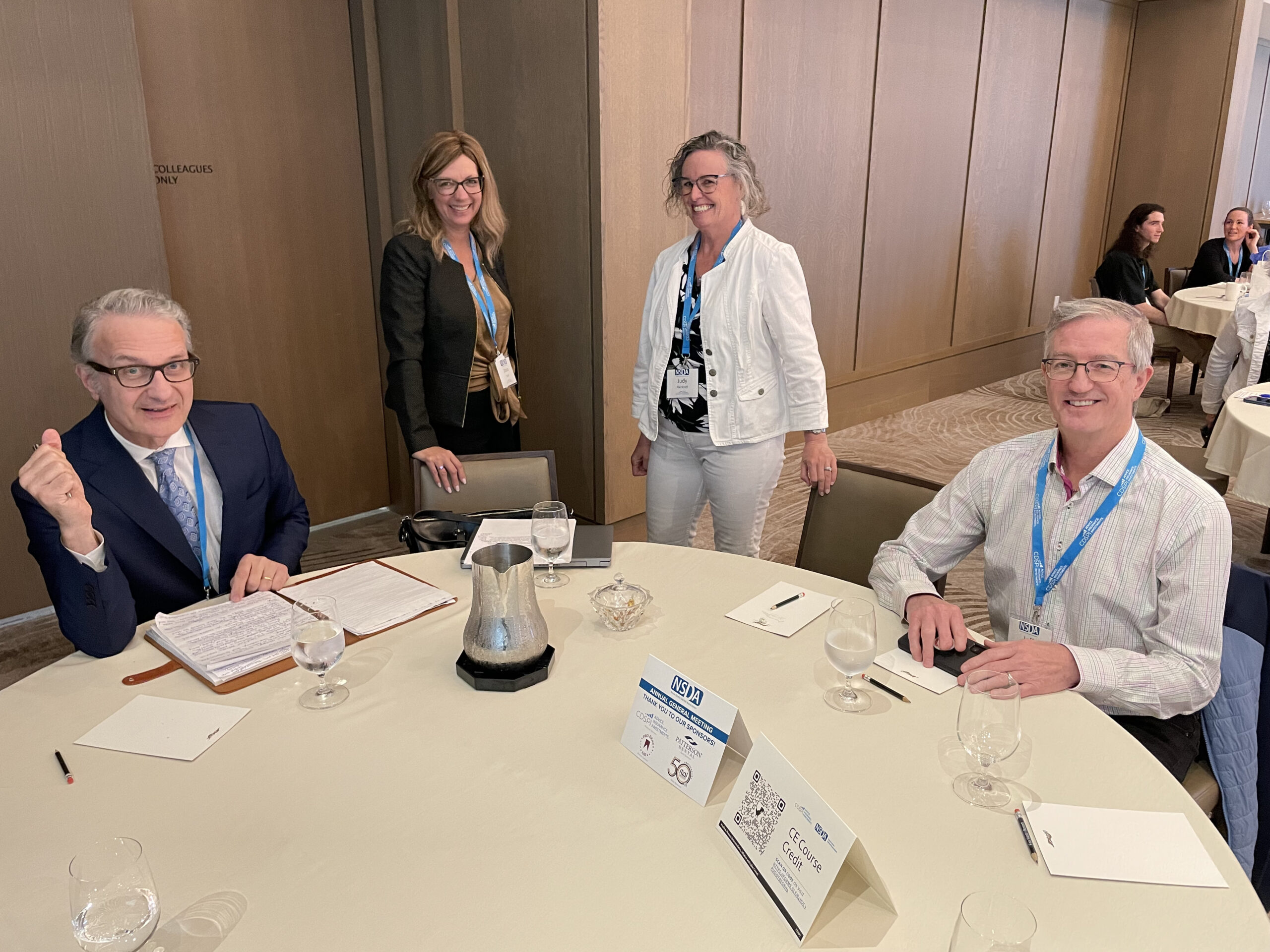
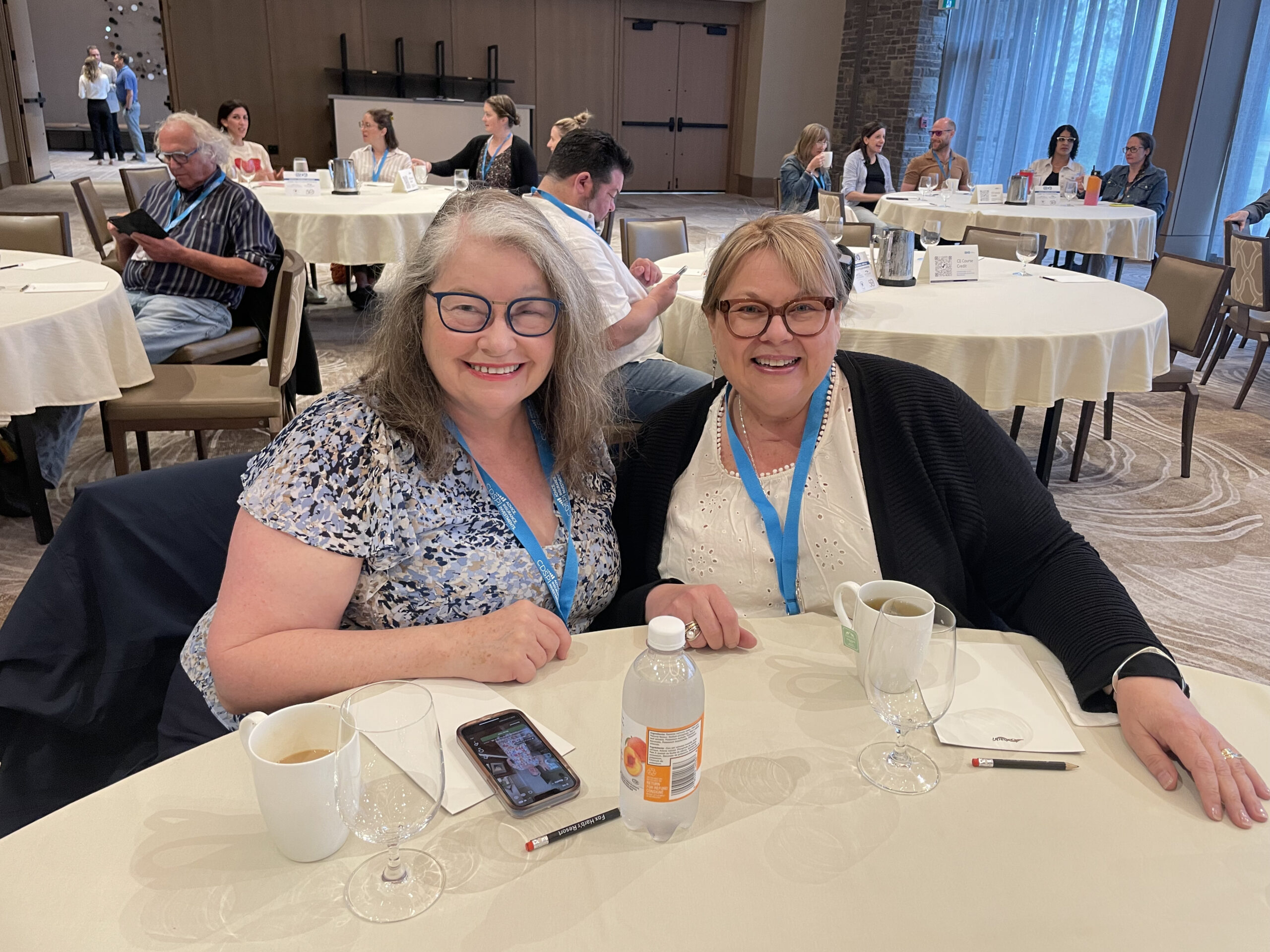
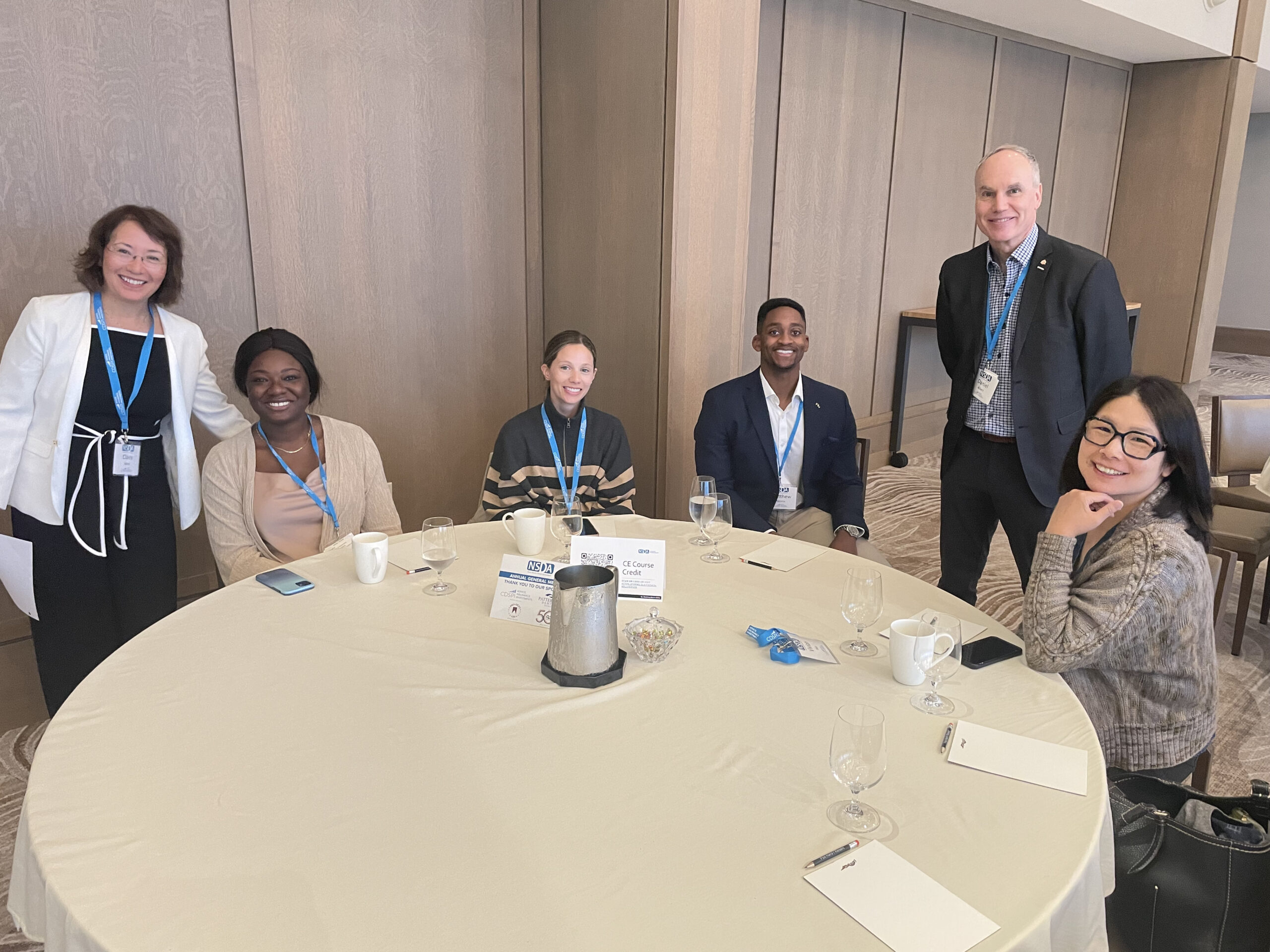
    The Northumberland Coast served as a beautiful backdrop for the Nova Scotia Dental Association’s 134th Annual General Meeting (AGM) and its schedule of events.

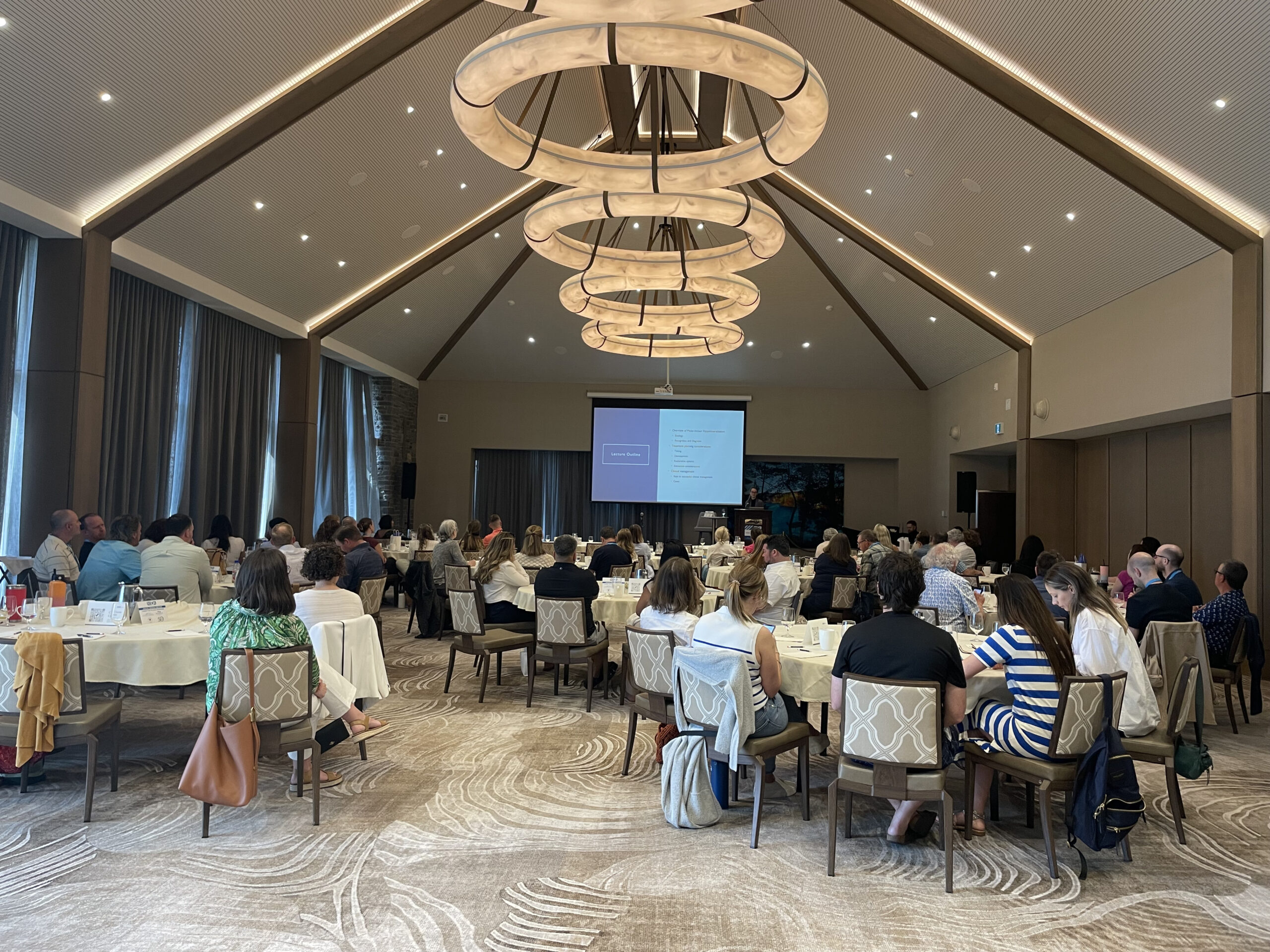
    Indeed, more than 100 dentists from across the province gathered at Fox Harb’r Resort to partake in the weekend’s activities, including continuing education sessions, the Annual Business Meeting, a Canadian Dental Care Plan (CDCP) panel discussion, the Chain of Office and Awards Ceremony, and the President’s Gala. The AGM, which took place over three days, was a time of celebration, education, and reflection of the year gone by.

    Thursday, June 13

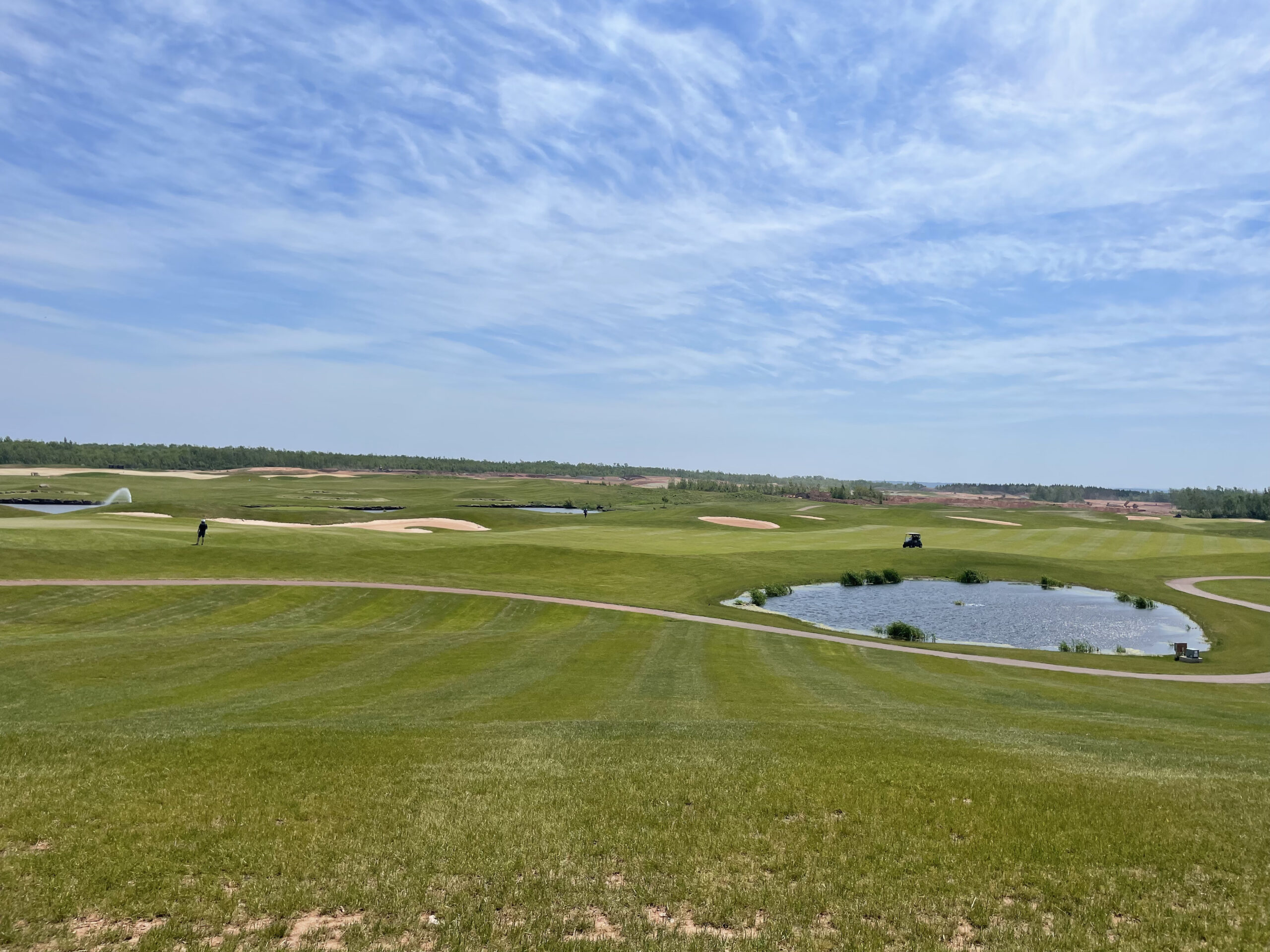
    With a tee time of 1 p.m., the annual Nova Scotia Dental Technician’s Association (NSDTA) golf tournament offered participants an afternoon of sunshine and friendly competition on the legendary Fox Harb’r Golf Course. Thank you to the NSDTA for hosting and organizing this exciting event, which has been enjoyed by NSDA members for many years!

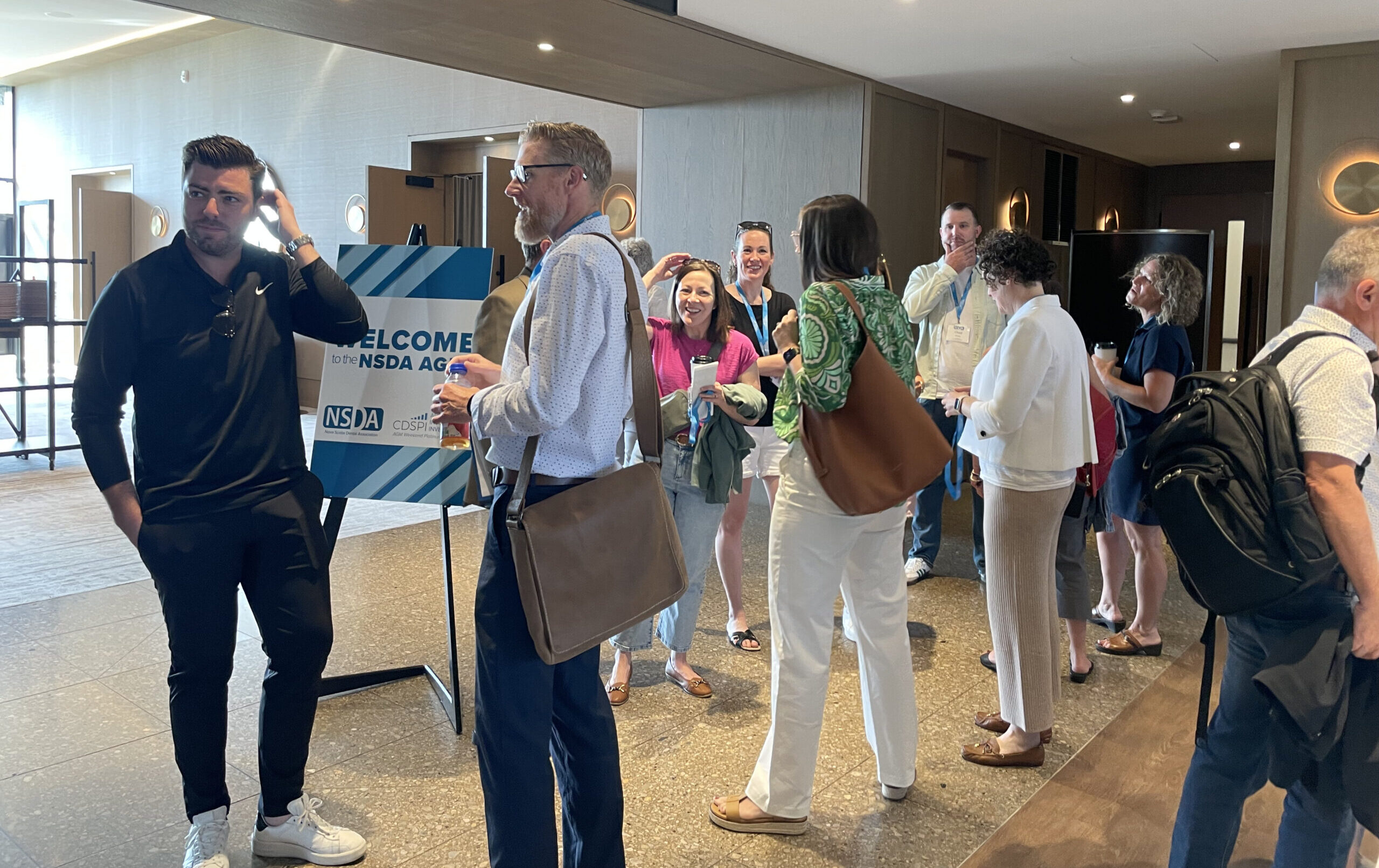
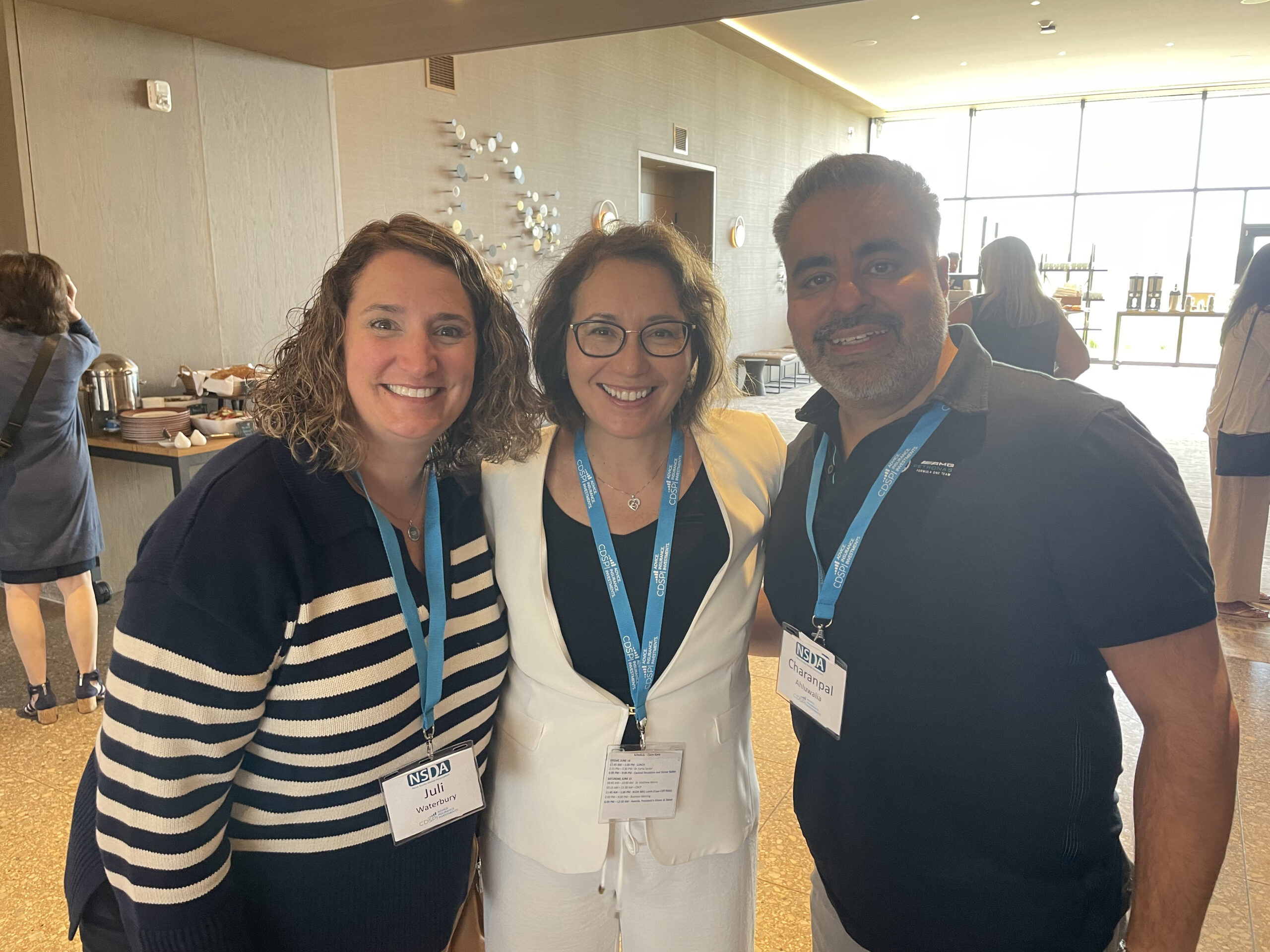
    In the evening, members and their guests gathered at the Fox Harb’r Sporting Lodge for a Welcome Reception. Dr. Juli Waterbury, in one of her final official events as NSDA President, took to the mic and welcomed everyone to the AGM Weekend.  

    Friday, June 14

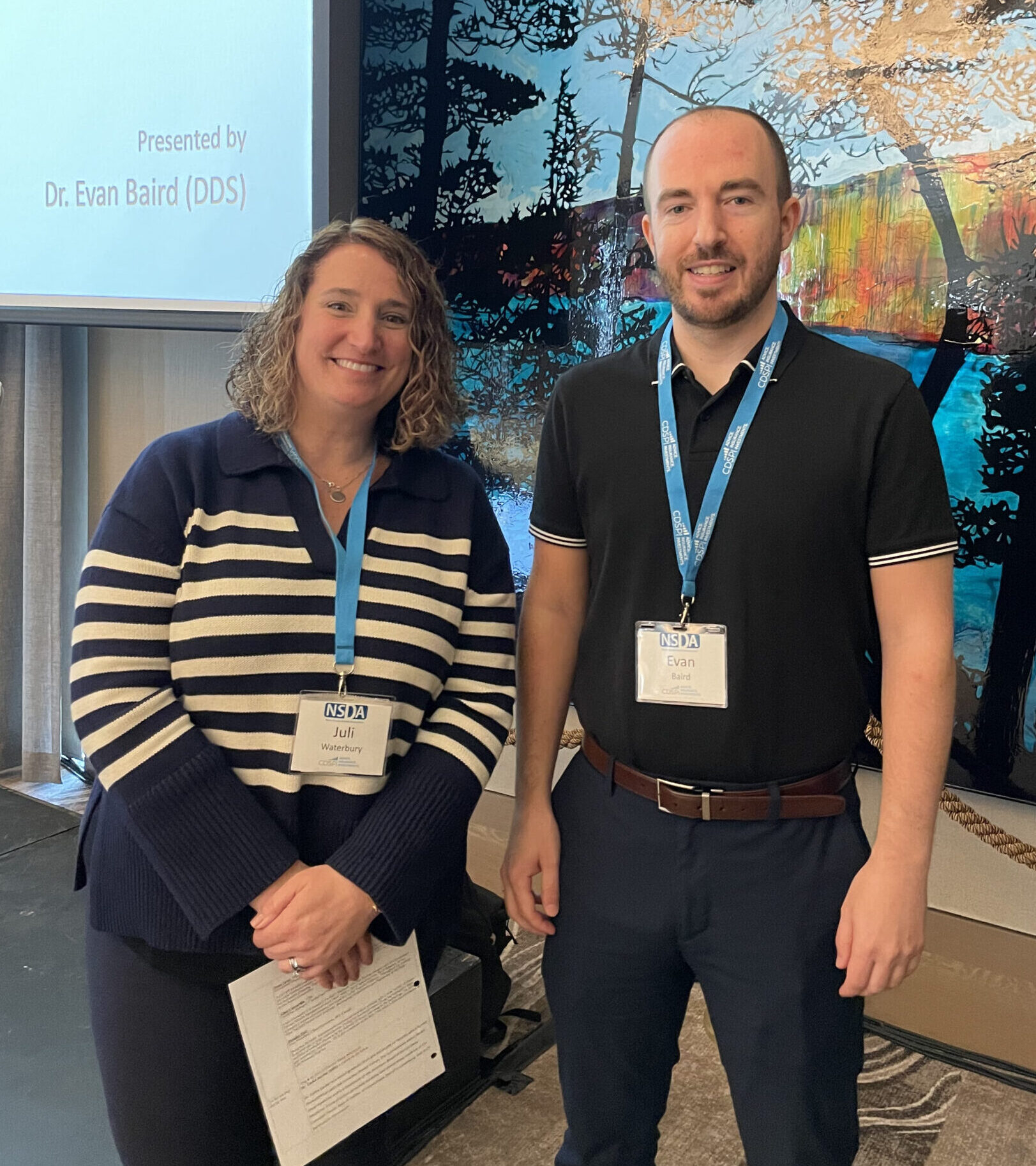
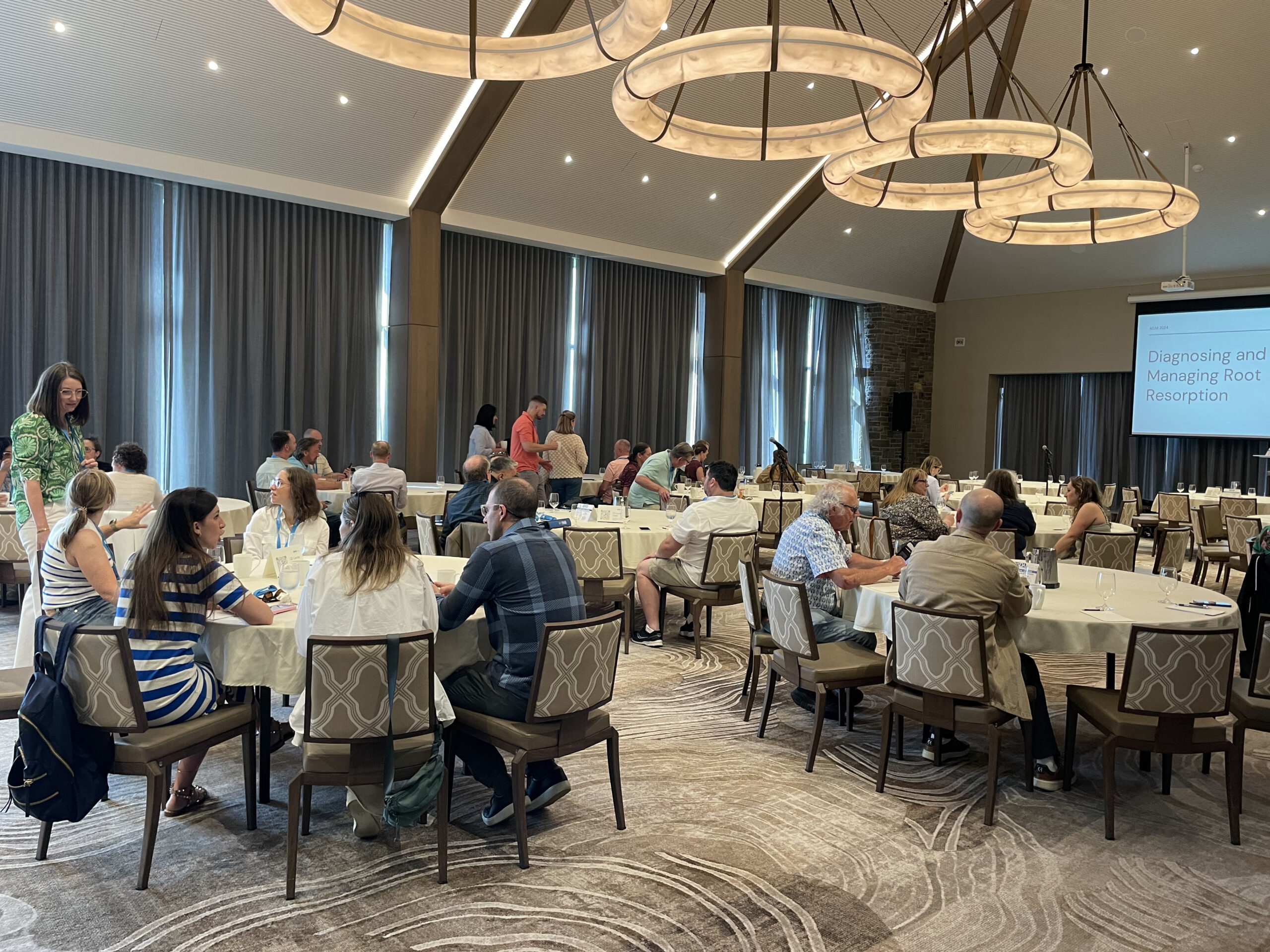
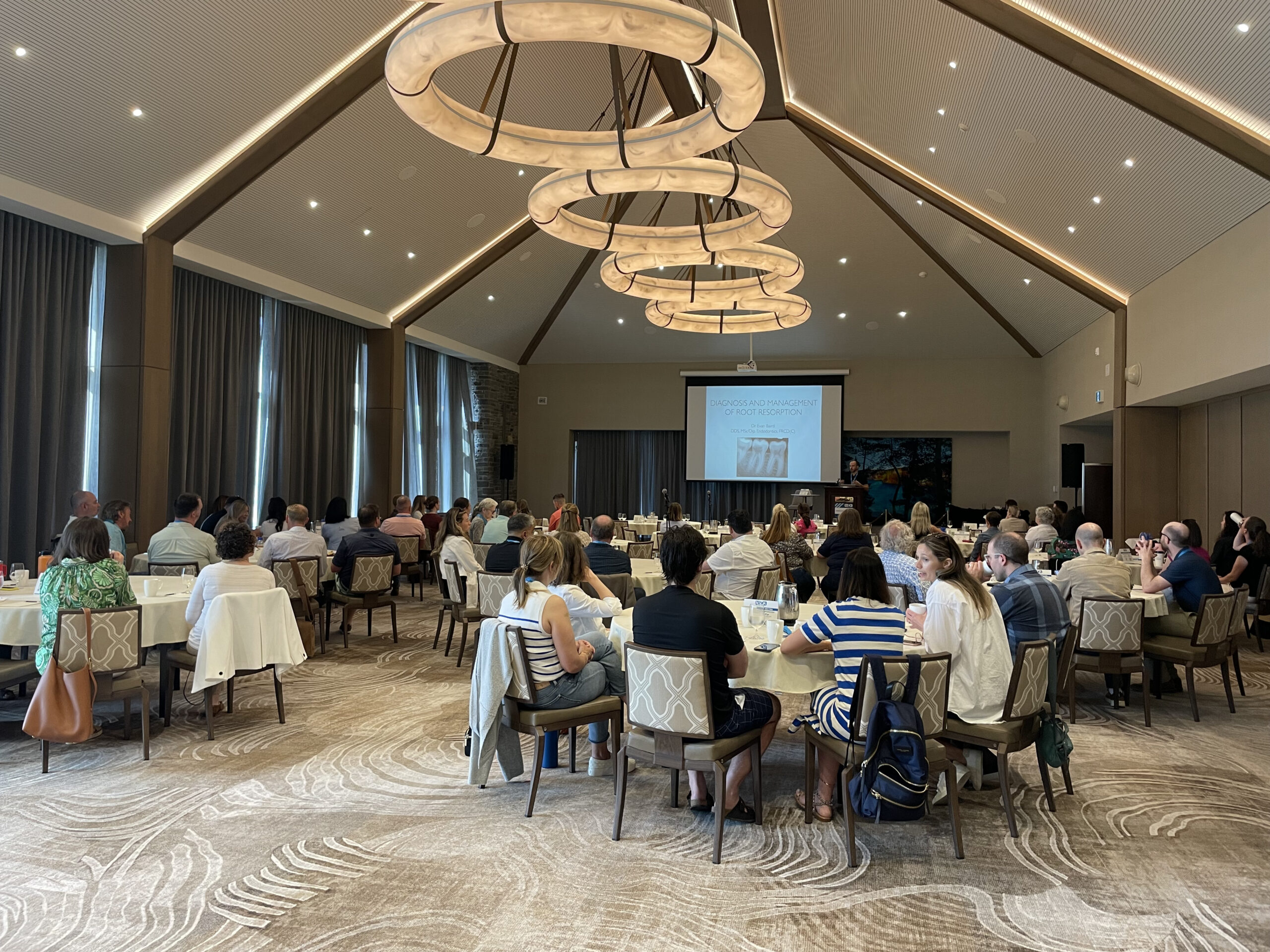
    This year’s continuing education program (which was free for all attendees) kicked off on Friday morning in the Fox Harb’r Nova Scotia Ballroom, beginning with “Diagnosing and Managing Root Resorption,” presented by Dr. Evan Baird. The course covered four different types of root resorption — internal resorption, external inflammatory resorption, external cervical resorption, and replacement resorption — and included a discussion of the etiology, basic biology, prognosis, and management for each.

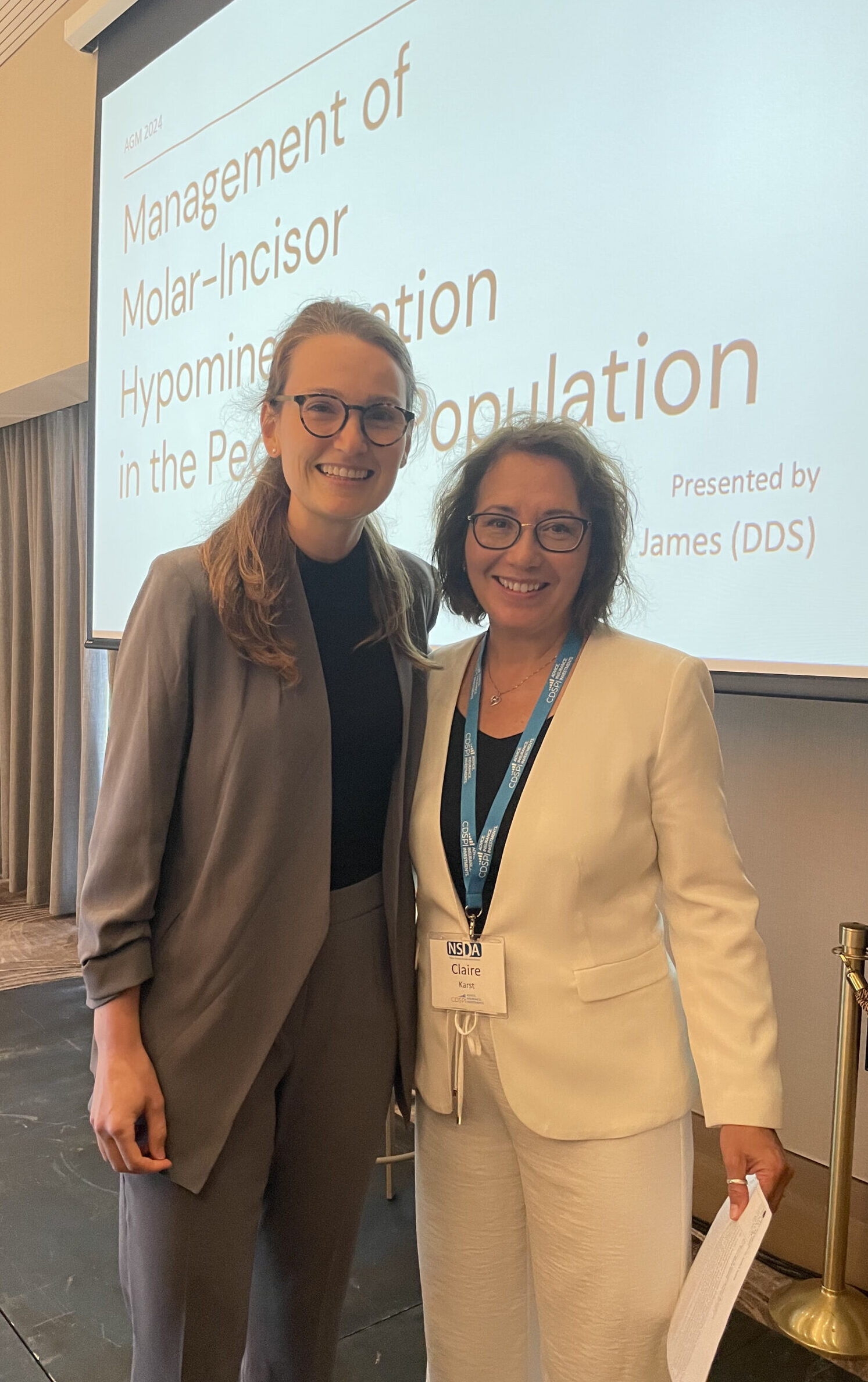
    Following a brief coffee break, Dr. Lindsay James continued the educational component of the weekend with her session, “Management of Molar-Incisor Hypomineralization in the Pediatric Population.” The course provided a general overview of molar-incisor hypomineralization, including diagnosis and treatment considerations.

    Attendees enjoyed a lunch buffet before reconvening for the afternoon sessions, beginning with “Profit and Protect: Interest rates, inflation and cyber crime,” a panel presentation led by CDSPI. Dr. Farha Sardar then closed the day’s educational component with her session, titled, “The ‘A to Zzzz’ of dental sleep medicine.”

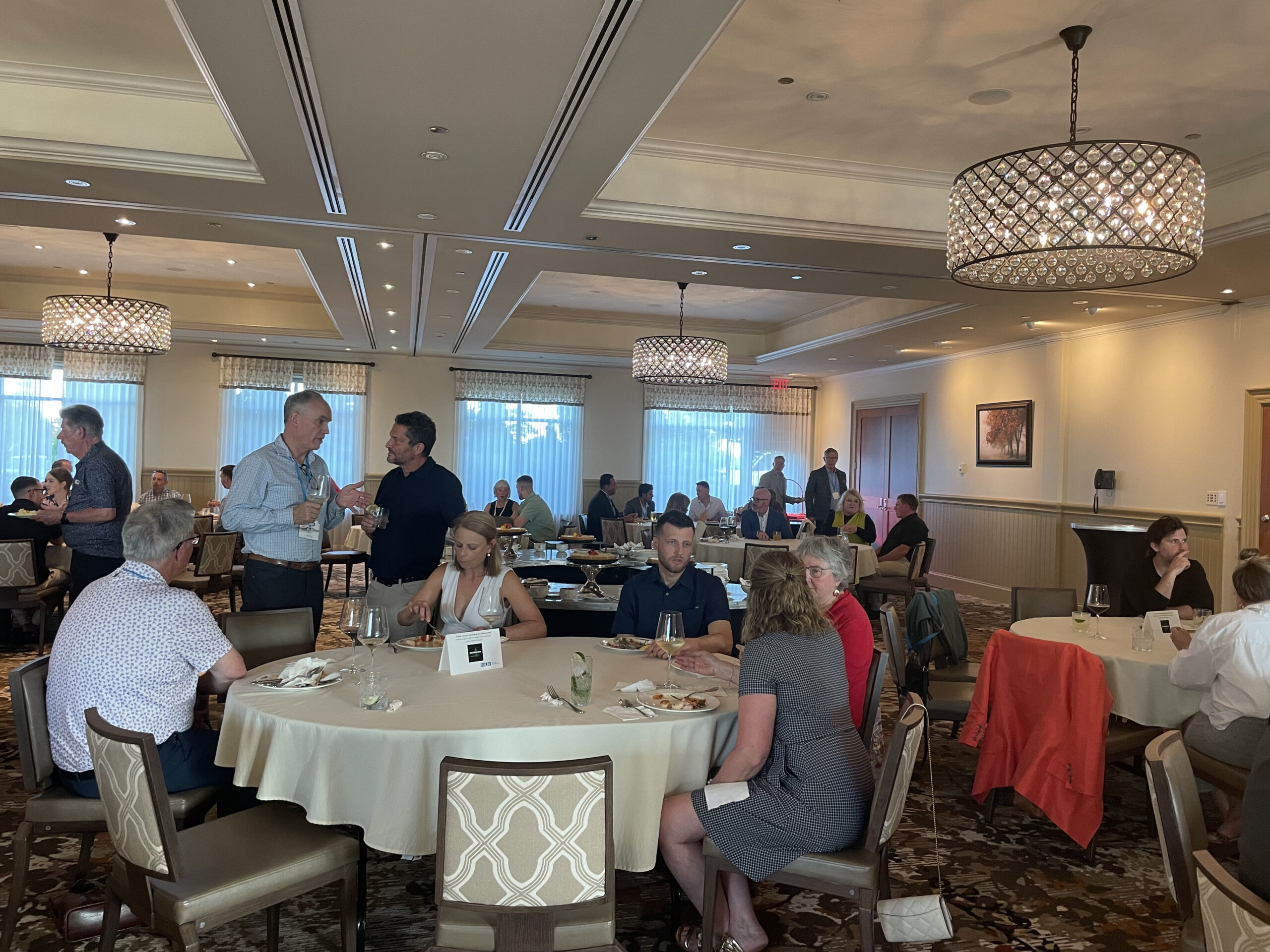
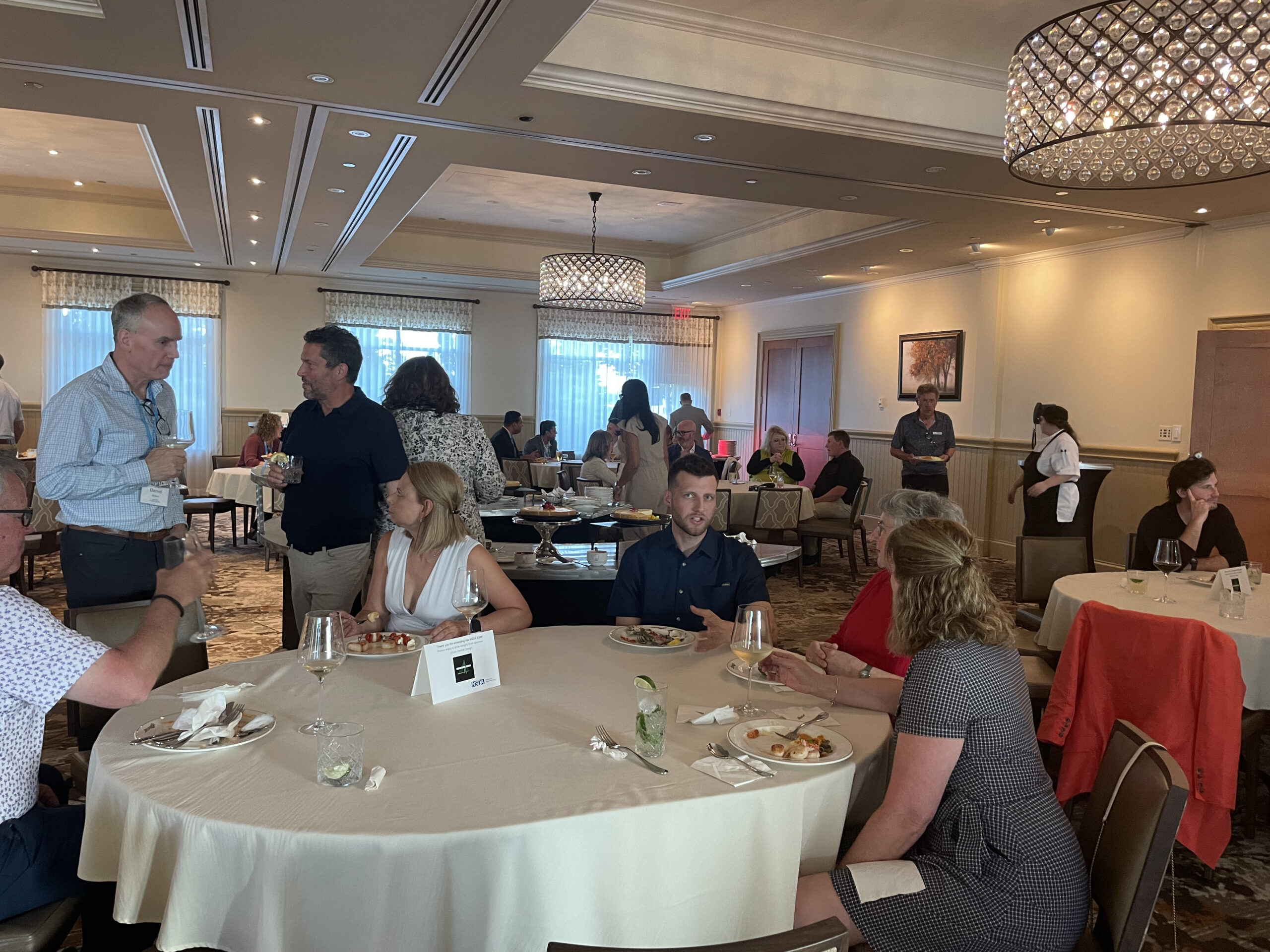
    Friday concluded with a cocktail reception and dinner, where attendees had the opportunity to connect and chat with friends and colleagues. Dr. Waterbury welcomed everyone to the event and thanked our weekend sponsors — including Urban Dental Design, which provided guests with drink tickets for the evening’s reception.

    Saturday, June 15

    As per tradition, former NSDA presidents attended the Past-Presidents’ Breakfast on Saturday morning to discuss relevant and pressing issues. Attendees gathered in the Wallace Room, overlooking the Fox Harb’r Golf Course, to dive into this year’s hot topic: “Canadian Dental Care Plan: Where it is now and what options remain.”

    The CE line-up continued on Saturday morning, beginning with “Benefits of Soft Tissue Grafting Around Teeth and Implants,” presented by Dr. Matthew Morris. The course provided an overview of the physiological anatomy and mucogingival deformities of periodontal and peri-implant tissues, along with a summary of the 2017 Classification of Periodontal and Peri-implant diseases with respect to ‘mucogingival deformities and conditions’ and ‘peri-implant soft and hard tissue deficiencies.’

    After a short break, attendees reconvened in the Nova Scotia Ballroom for the much-anticipated CDCP panel, led by Dr. Waterbury, Dr. Heather Carr, Dr. Chris Mintern, and Mr. Steve Jennex, NSDA Executive Director. The discussion offered an overview of where the Canadian Dental Care Plan stands currently, as well as an exploration of how it might look for dentists once Health Canada’s ‘alternative pathway’ opens on July 8. In addition to the packed room of in-person attendees, more than 50 NSDA members tuned in virtually for the session.

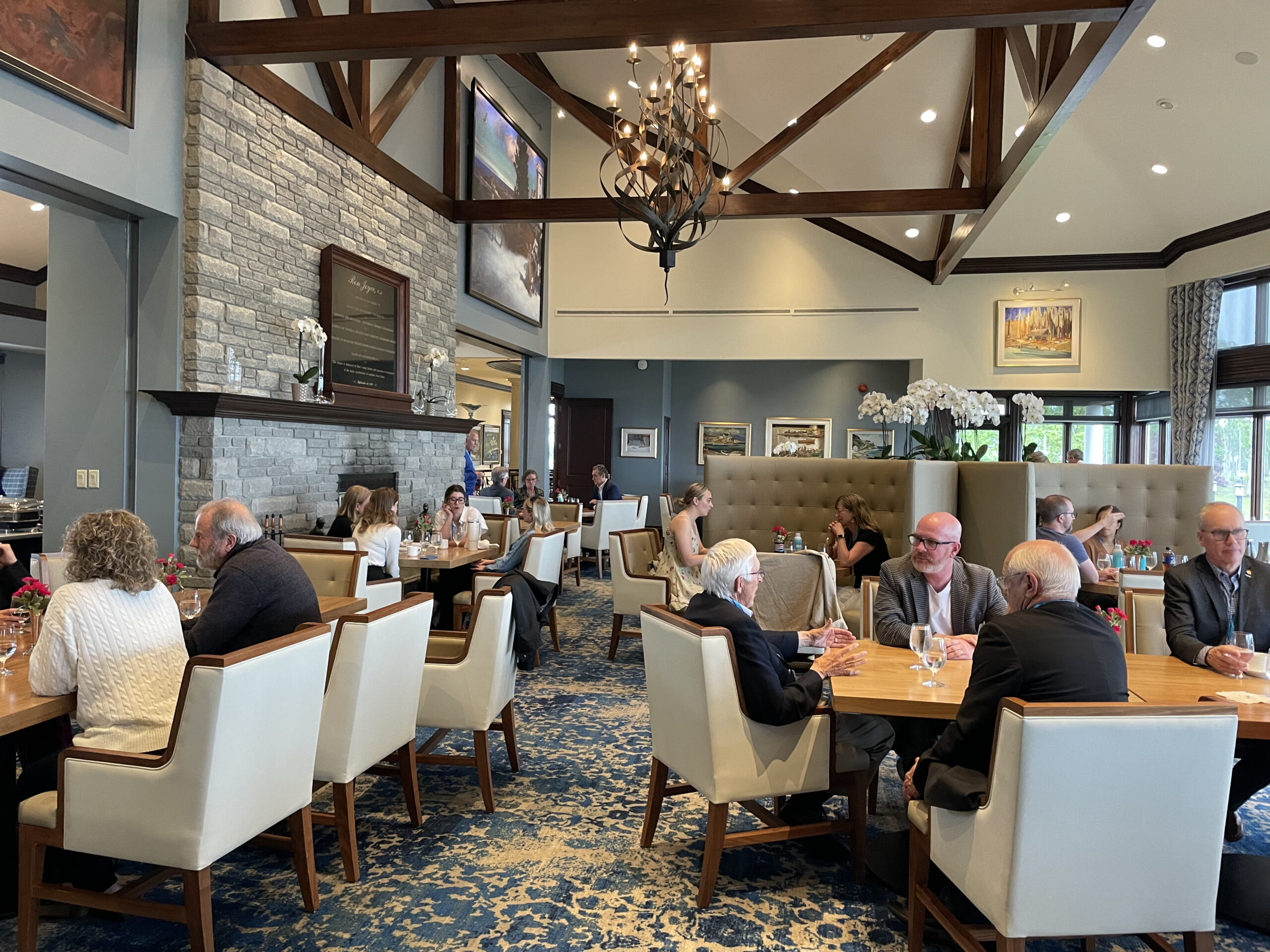
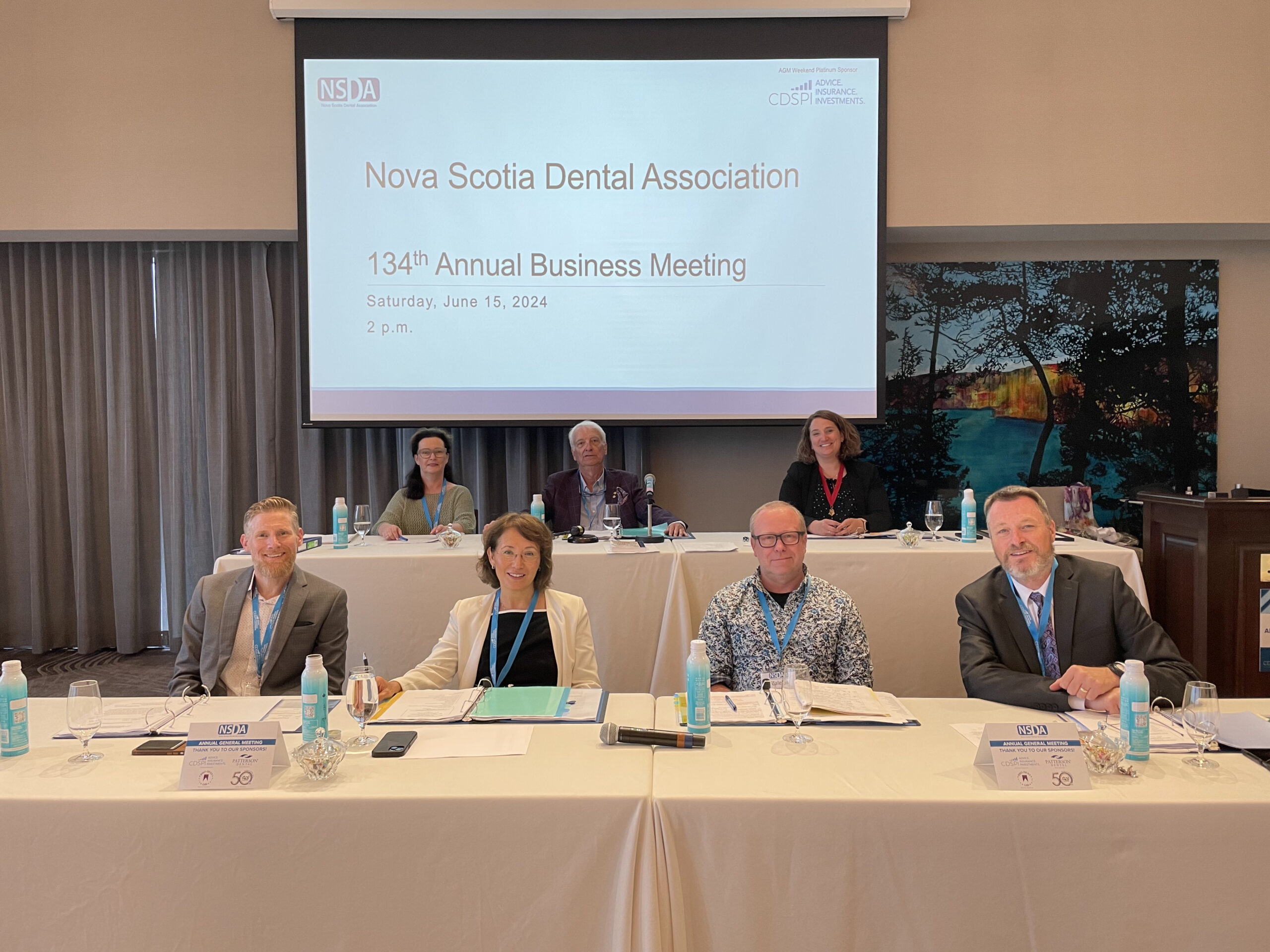
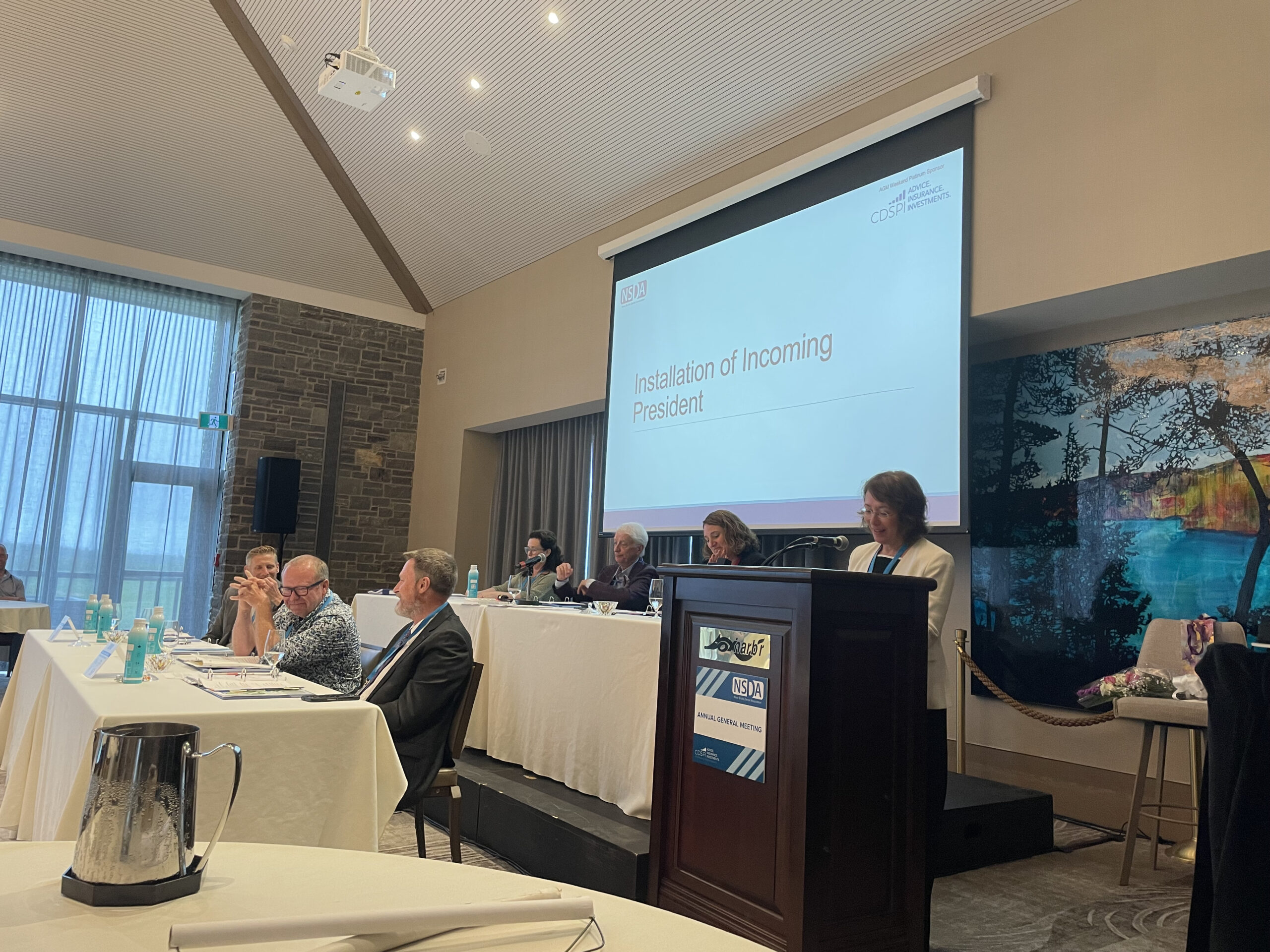
    Following a barbeque lunch in the gorgeous Cape Cliff Dining Room, NSDA members came together for the Annual Business Meeting. A feature since 1891, the meeting is an opportunity for dentists from across the province to meet and discuss important, current events impacting dental care and practices. To ensure maximum attendance, the meeting was hosted in a hybrid format, with NSDA members tuning in virtually (via Zoom), as well as in person at Fox Harb’r.

    Upon calling the meeting to order, Dr. Alfred Dean, Chair of the NSDA, invited Dr. Waterbury to present a Year in Review of the NSDA’s activities. Other highlights of the Business Meeting included an update from CDA representative, Dr. Stuart MacDonald; a presentation by Mr. Ed Dermit, CEO of CDSPI; greetings from Dr. Russell MacSween, Board Chair for the Provincial Dental Board of Nova Scotia; and an educational update from Dr. Ben Davis, Dean of the Dalhousie University Faculty of Dentistry.

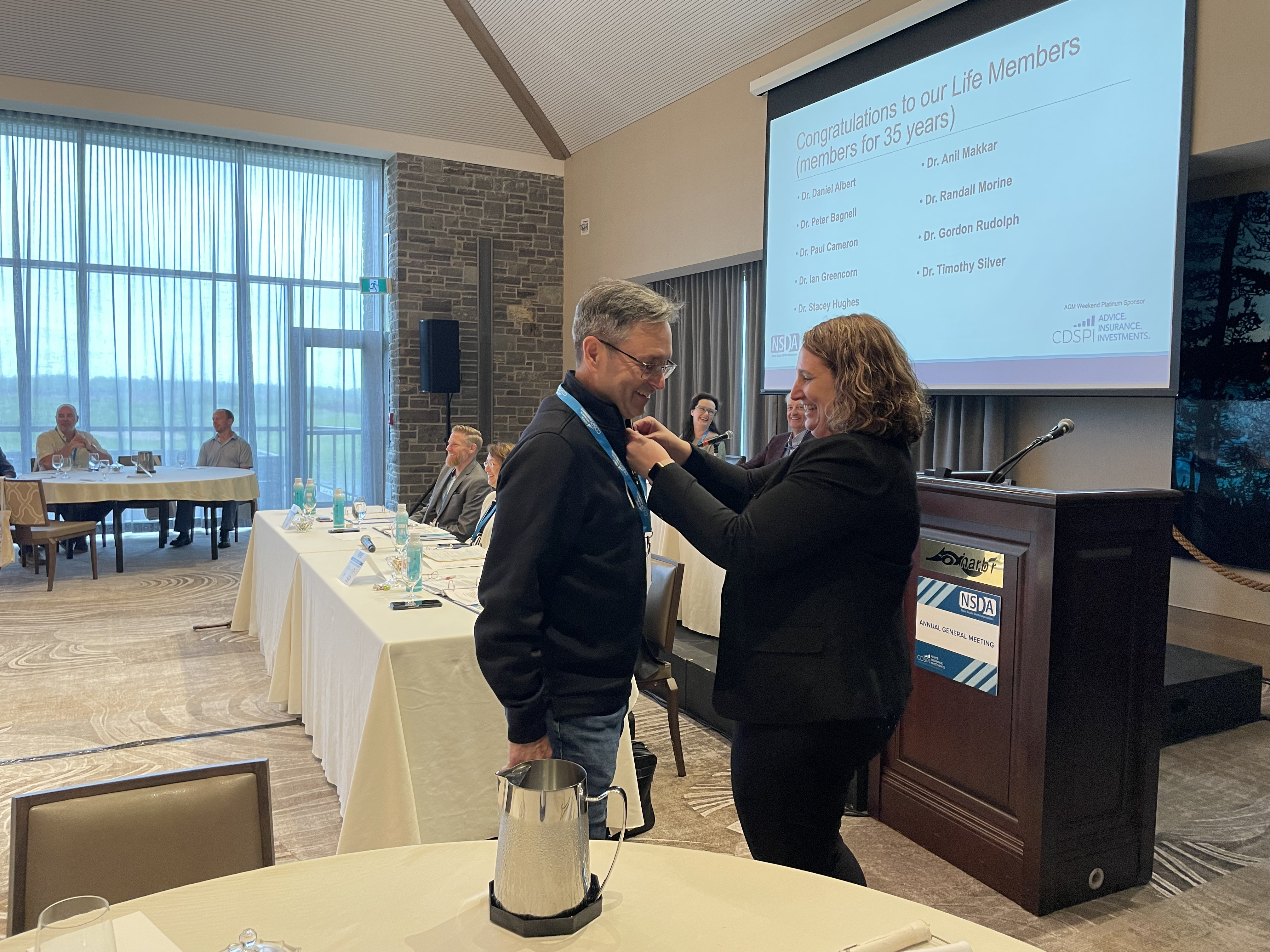
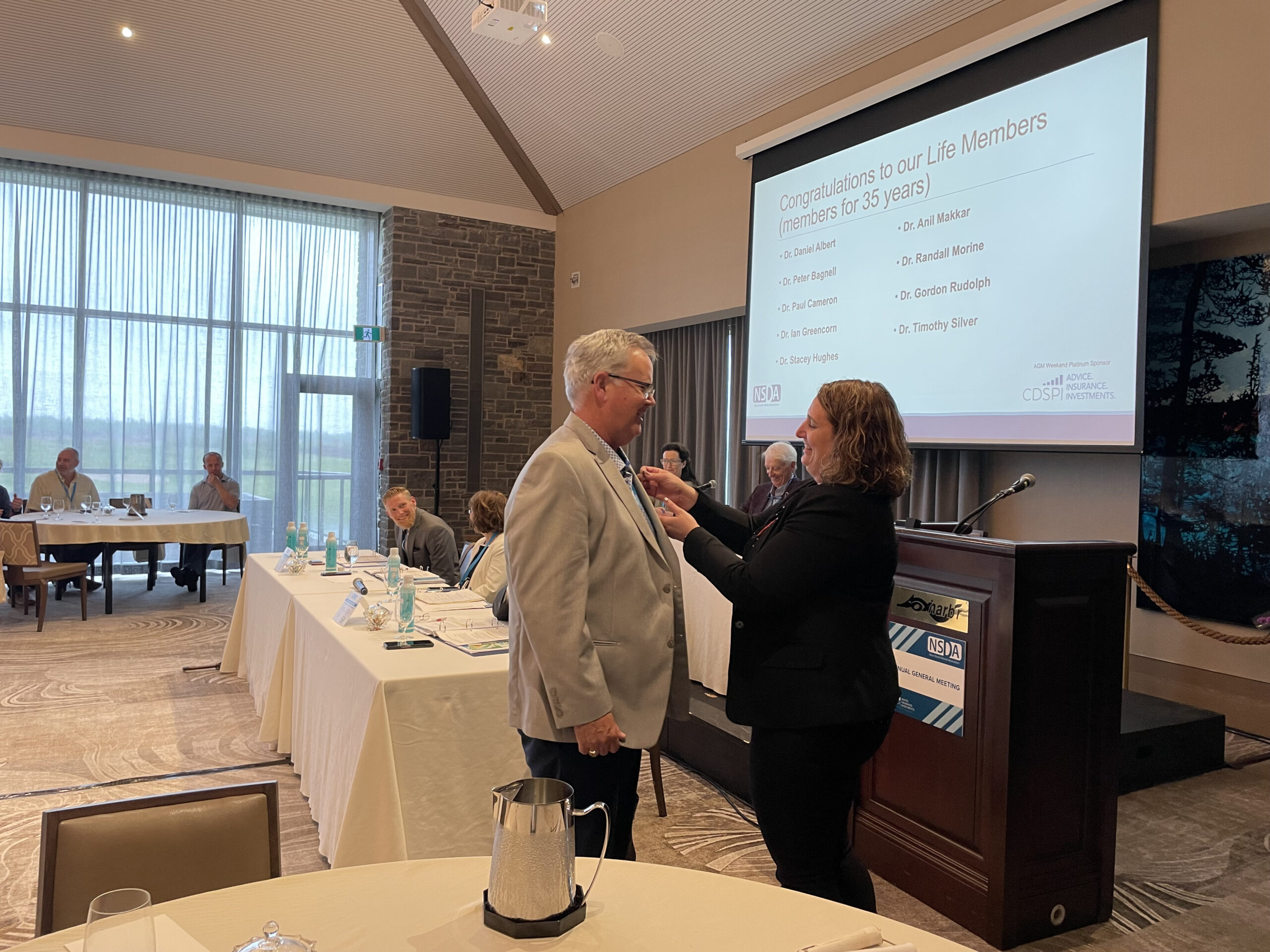
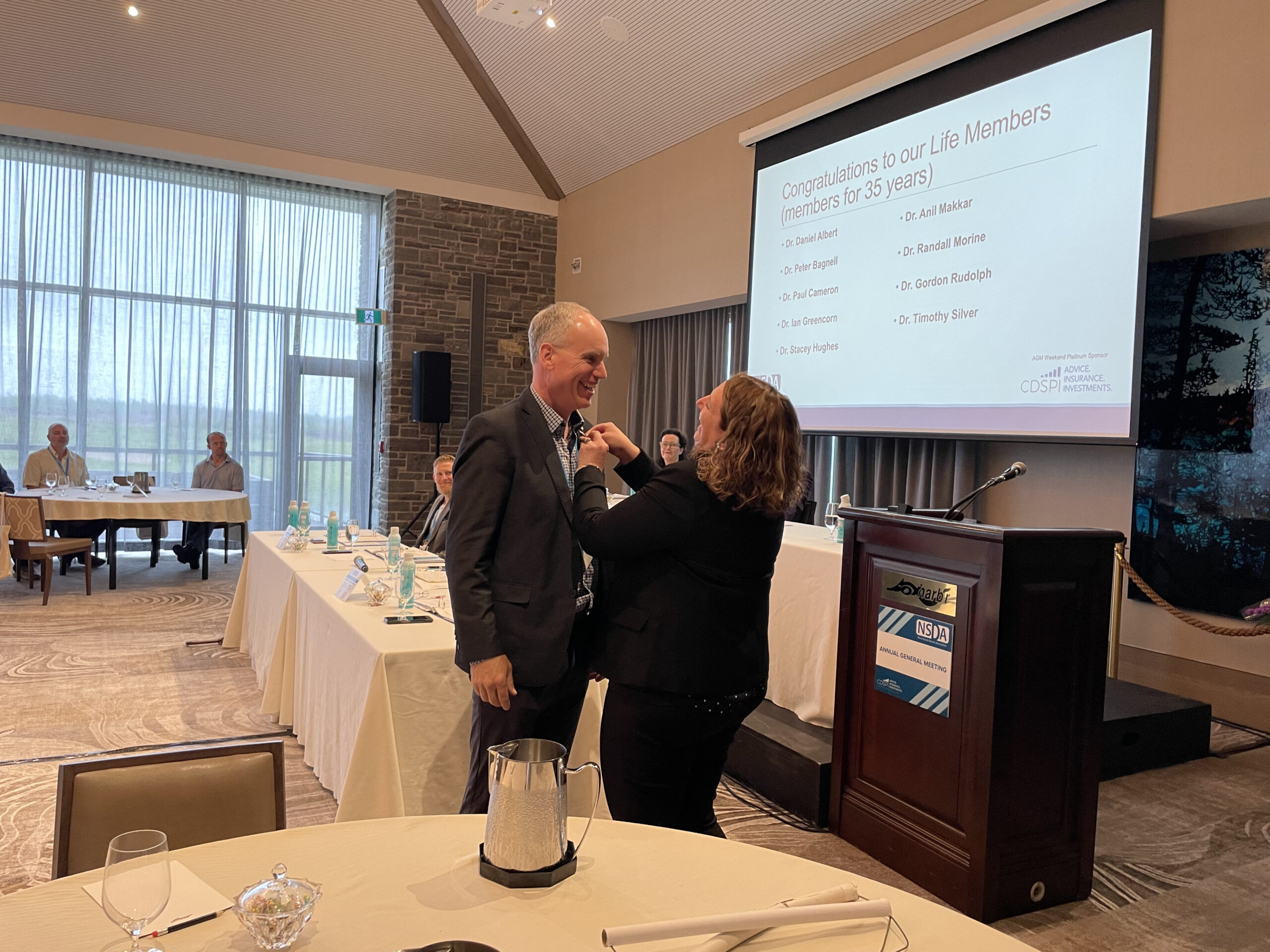
    The meeting also included a moment of silence for members who have passed in the last year, along with the announcement of this year’s NSDA award winners and the date and location of next year’s AGM. Eligible members in attendance were also called upon to receive their NSDA life member pin.

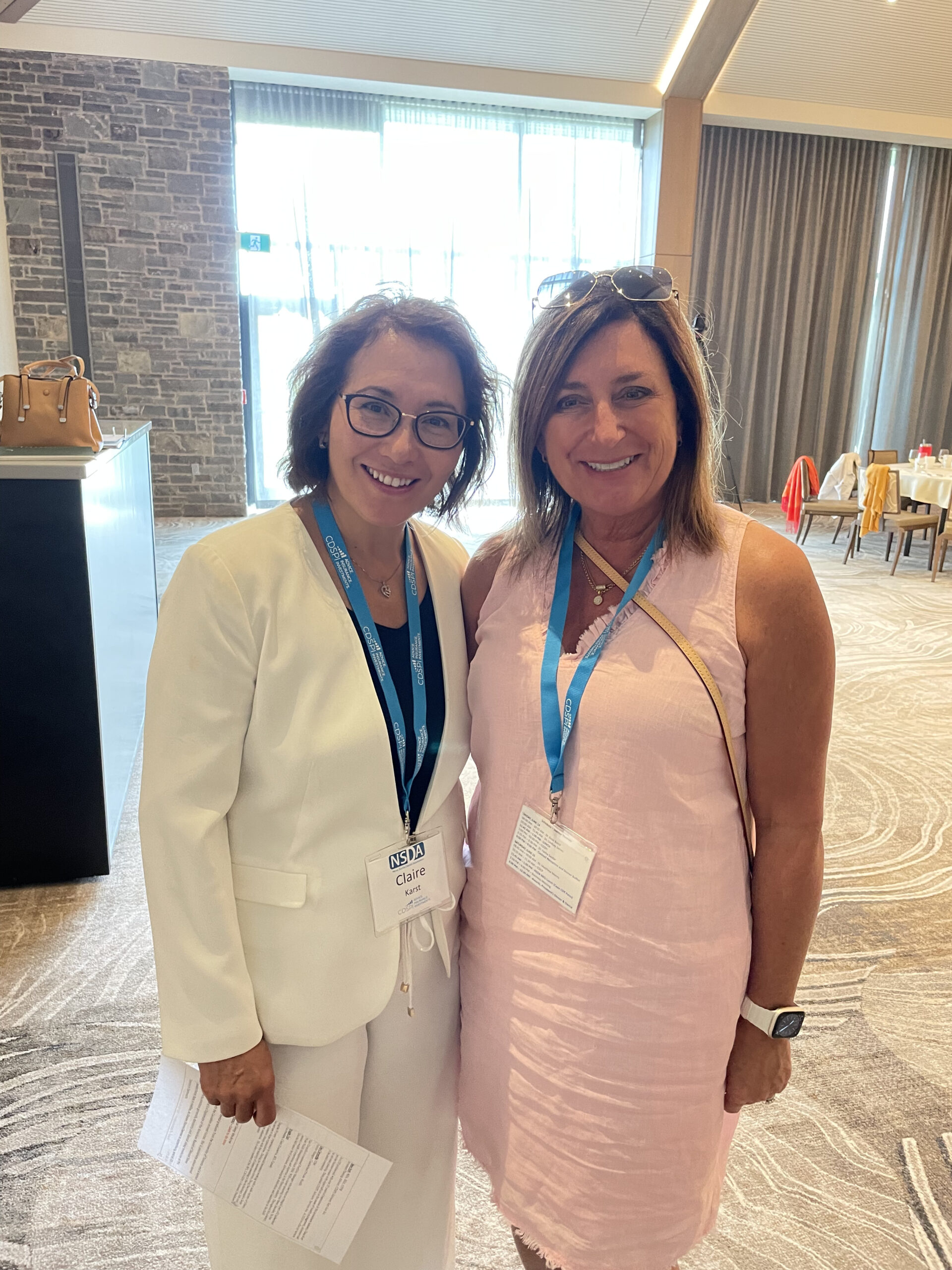
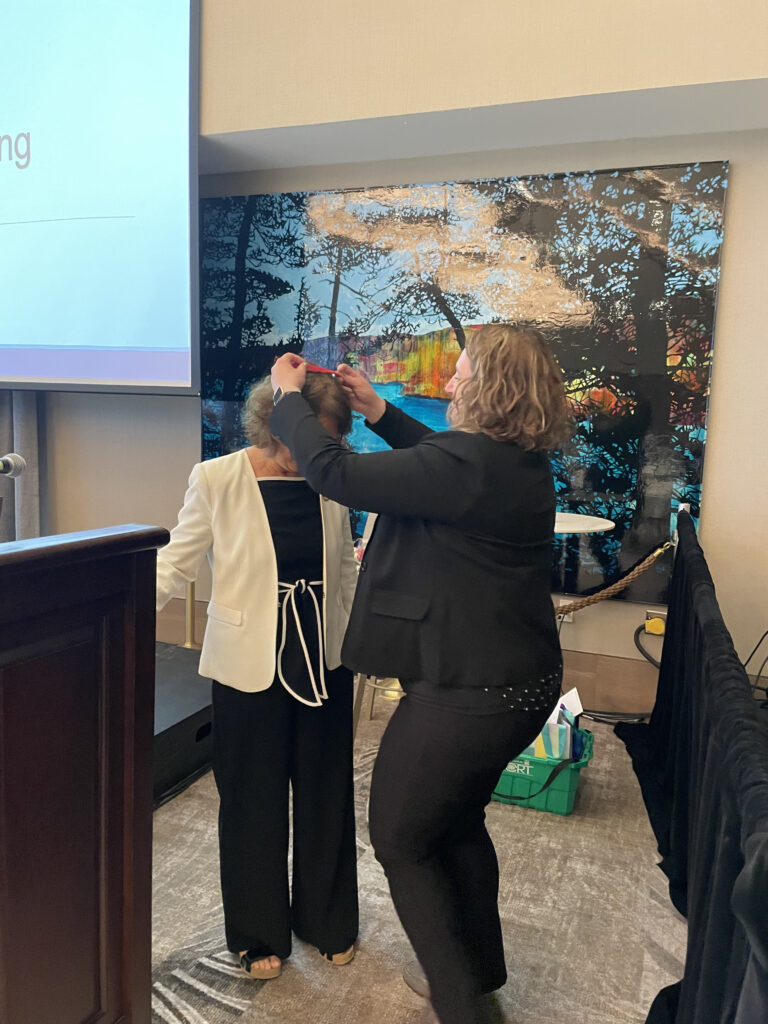
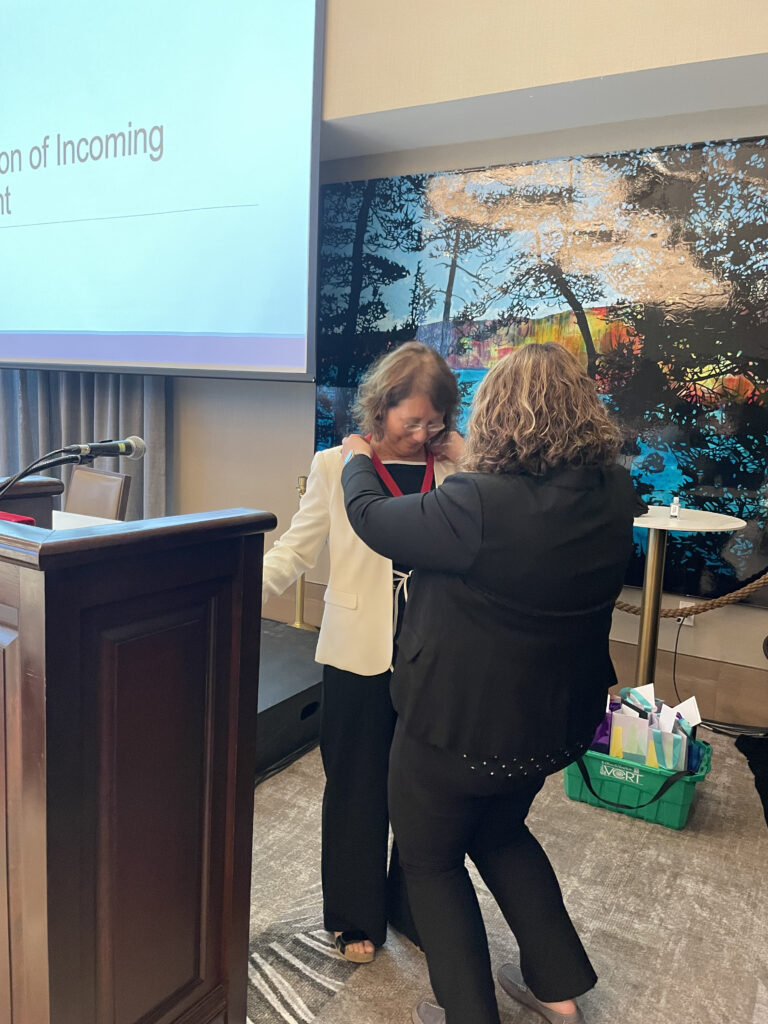
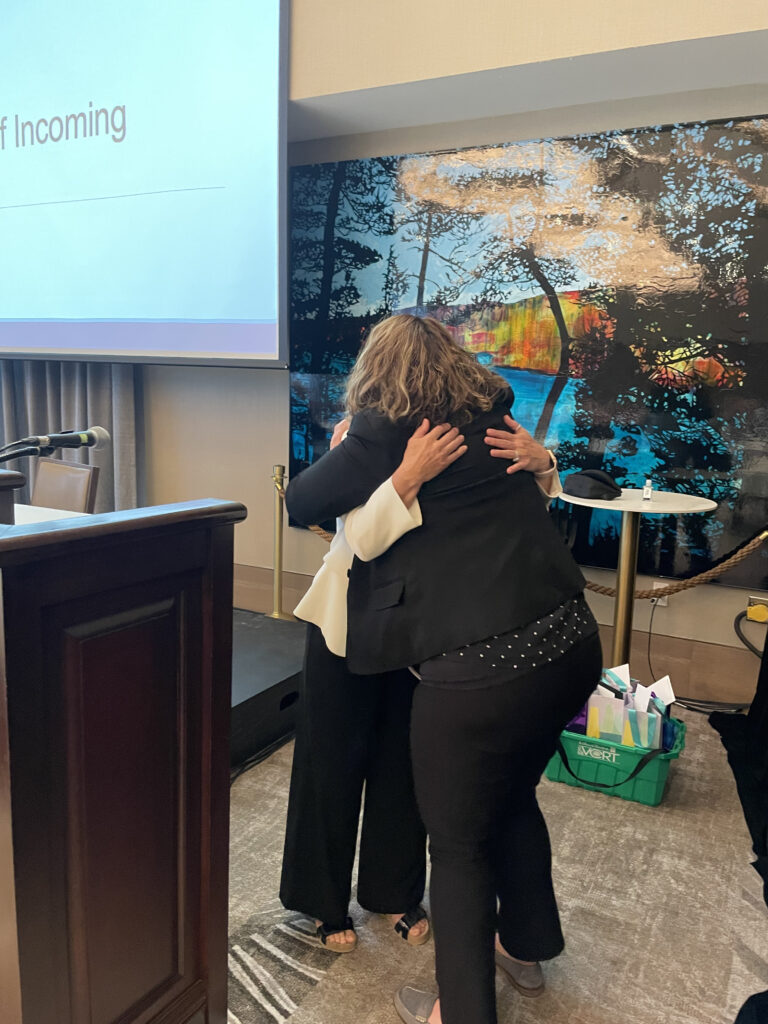
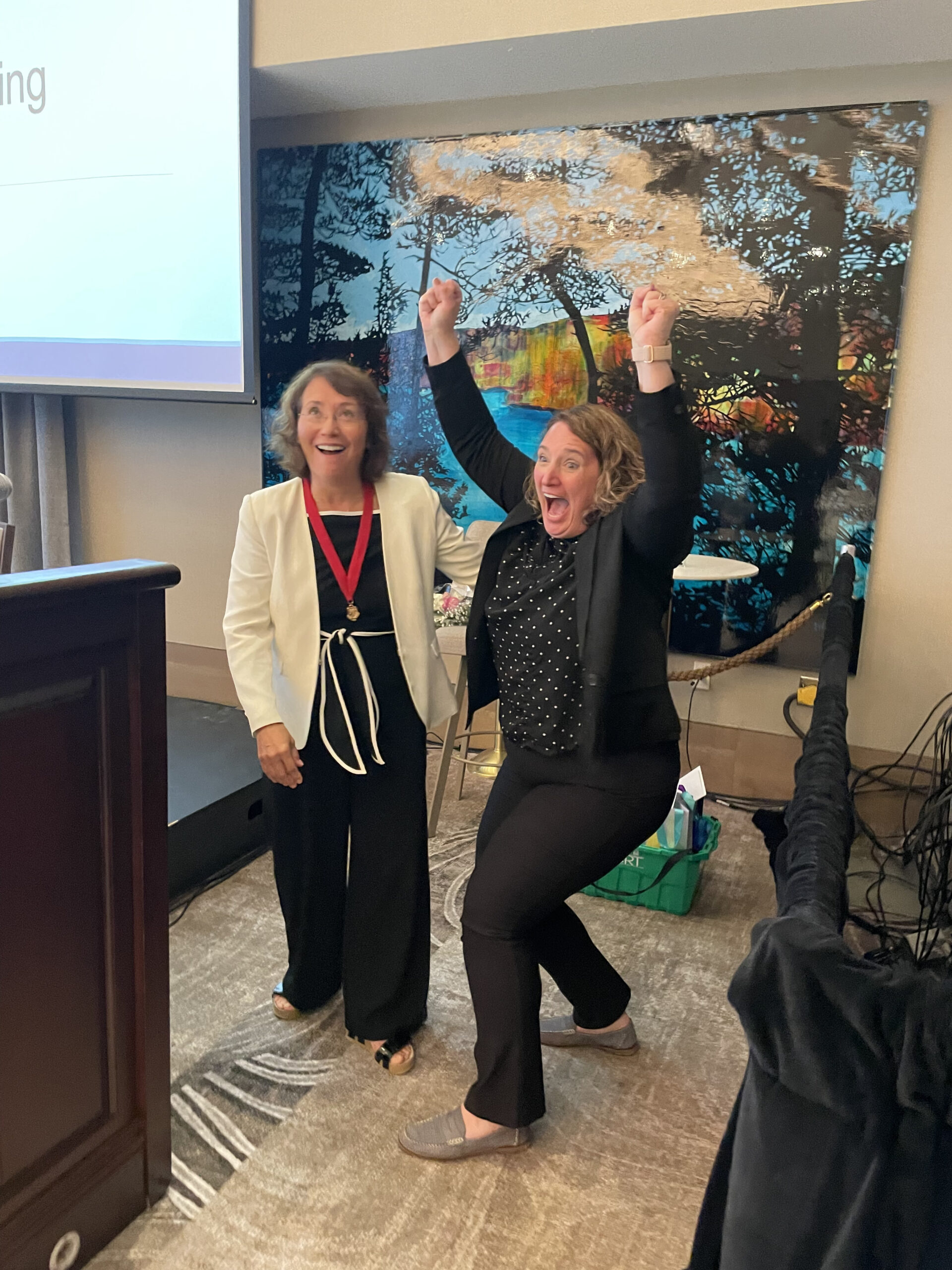
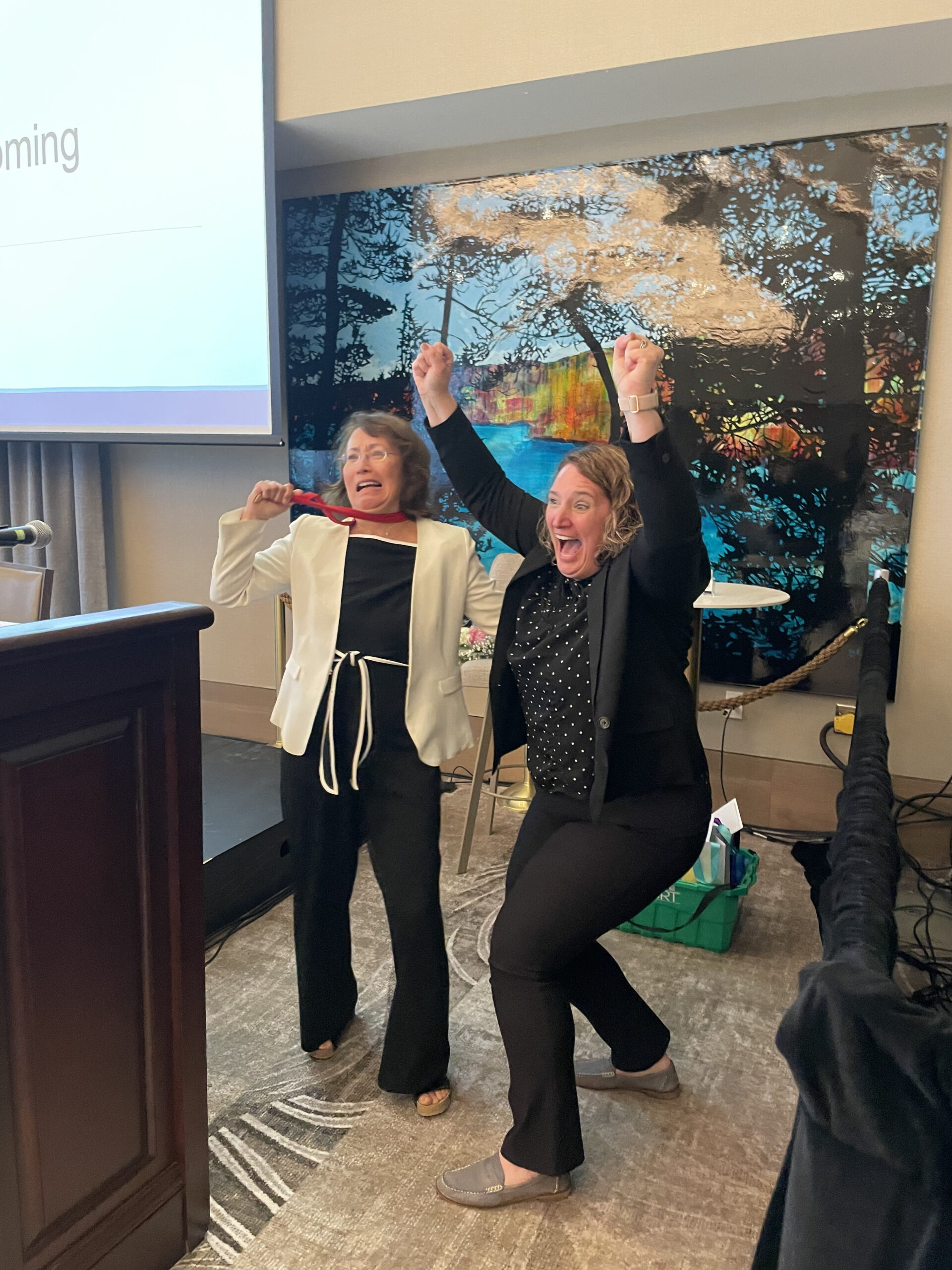
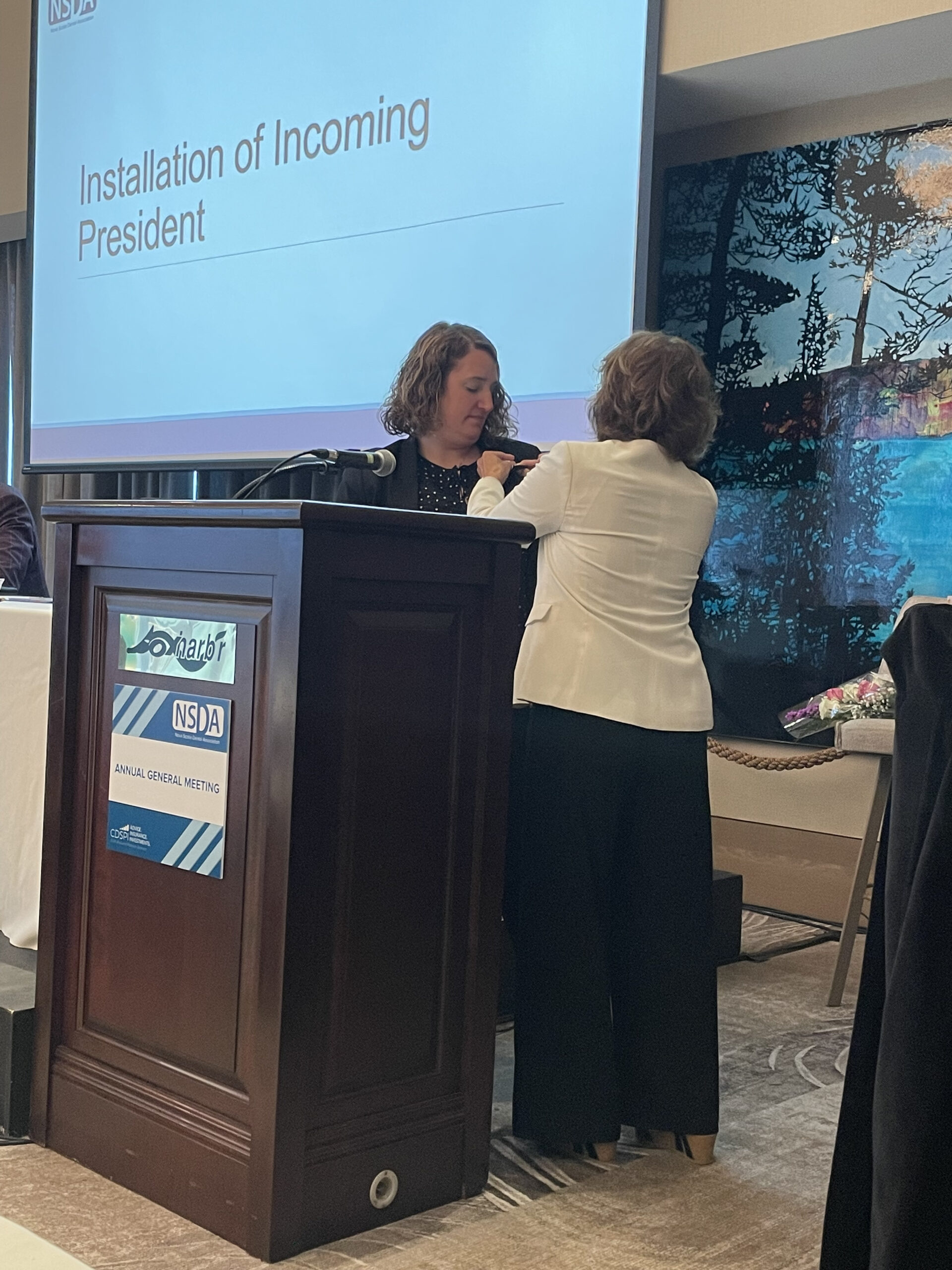
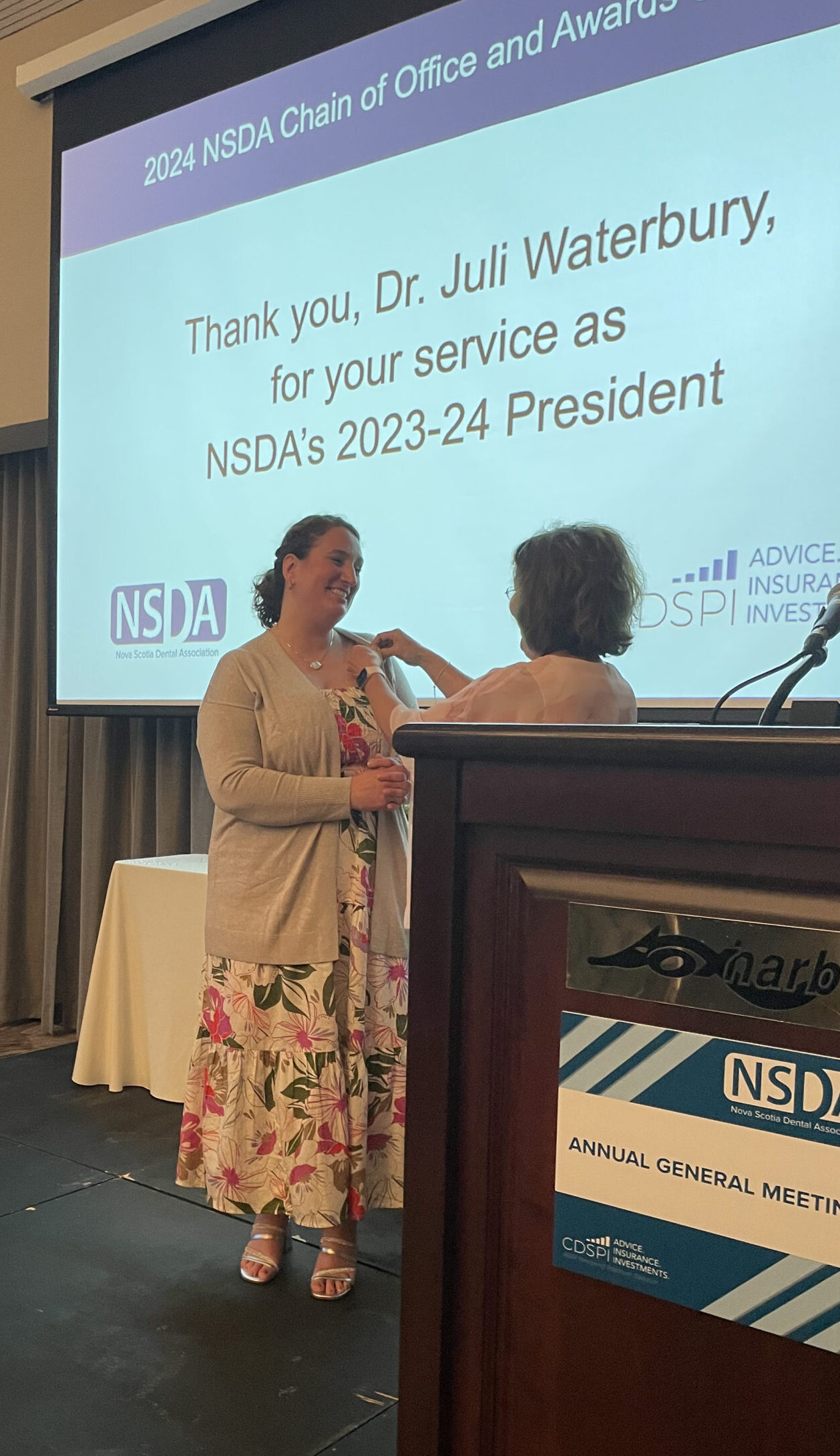
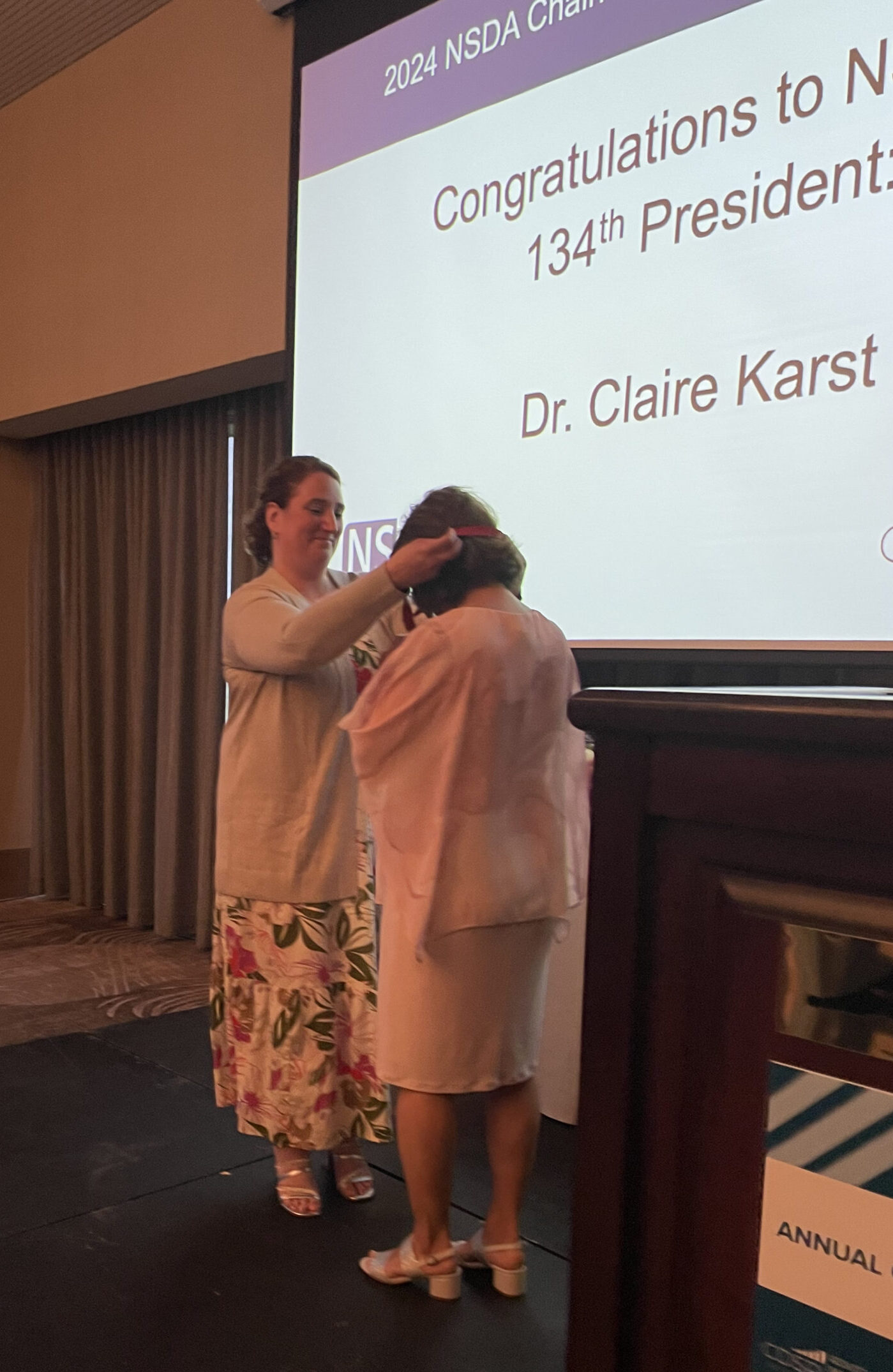
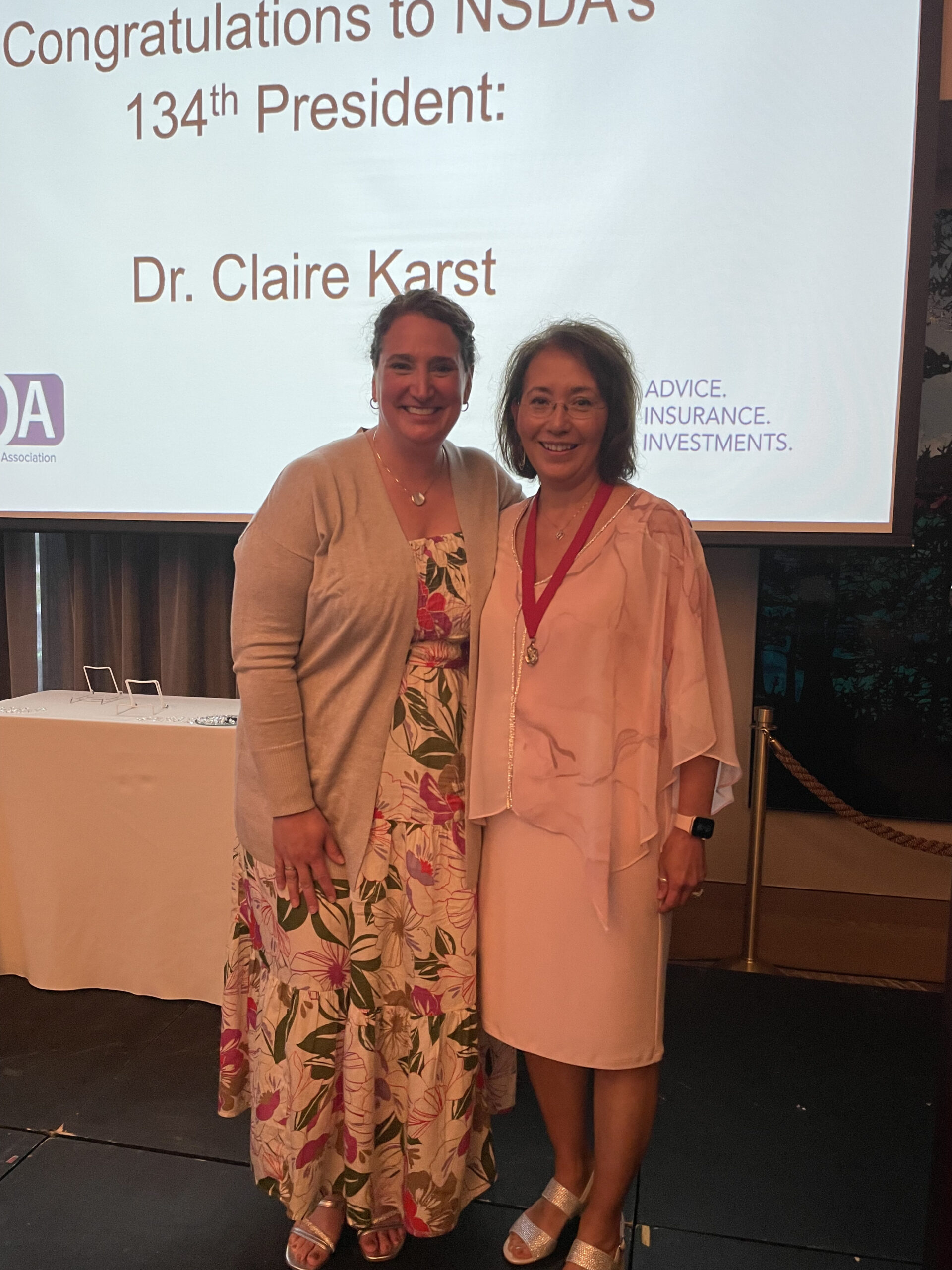
    Dr. Waterbury passed the chain of office to Dr. Claire Karst, officially installing her as NSDA President for the 2024/25 year. Dr. Karst, in turn, presented Dr. Waterbury with her Past-President pin. Dr. James Brunt was also confirmed as Vice-President, while Dr. Caleb Porter has assumed the role of President-Elect.

    The NSDA is incredibly grateful to Dr. Waterbury for her dedication and leadership throughout an eventful year in Canadian dentistry! We’re excited to welcome Dr. Karst as President for the year ahead.
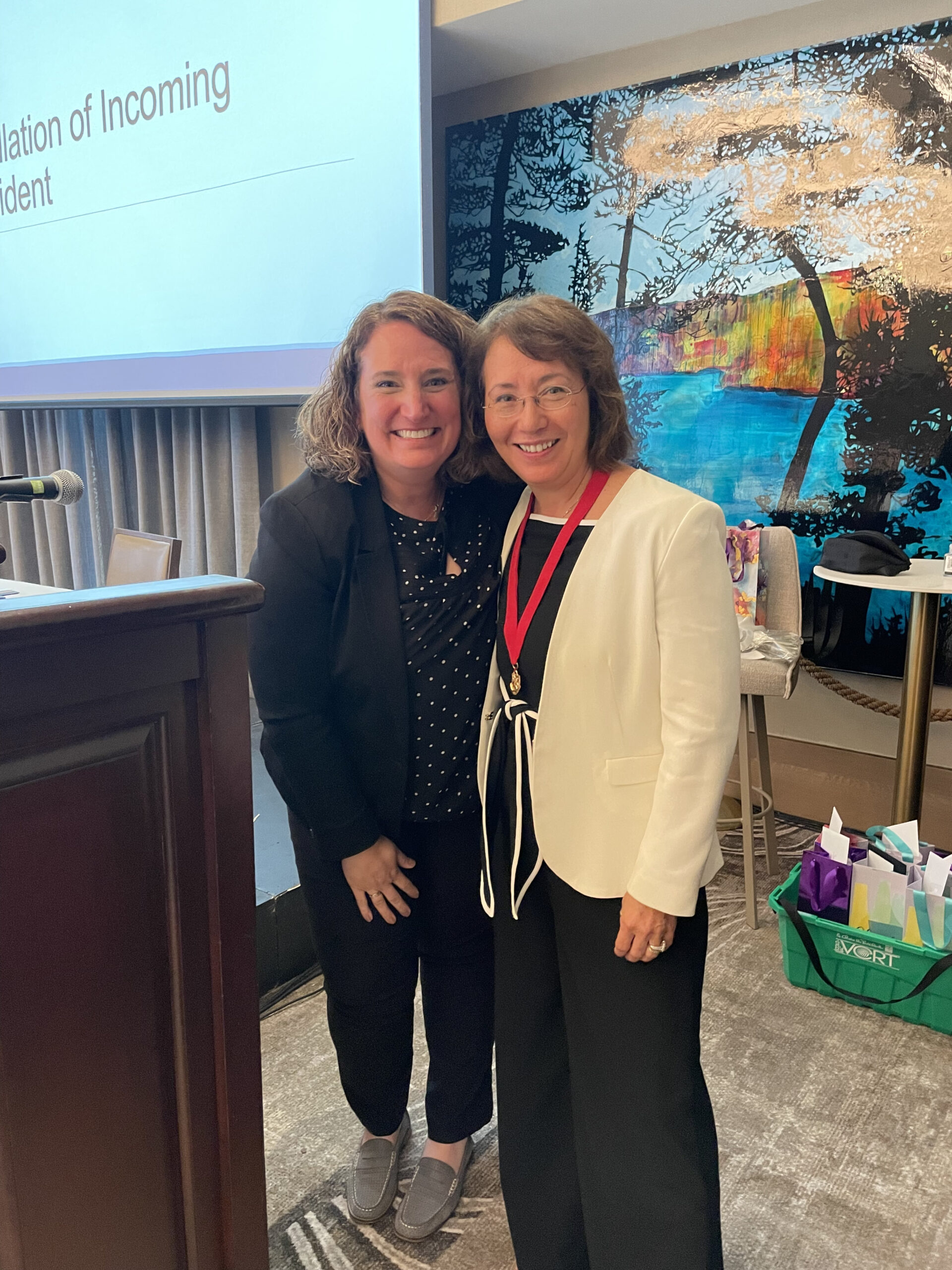
    Dr. Juli Waterbury and Dr. Claire Karst

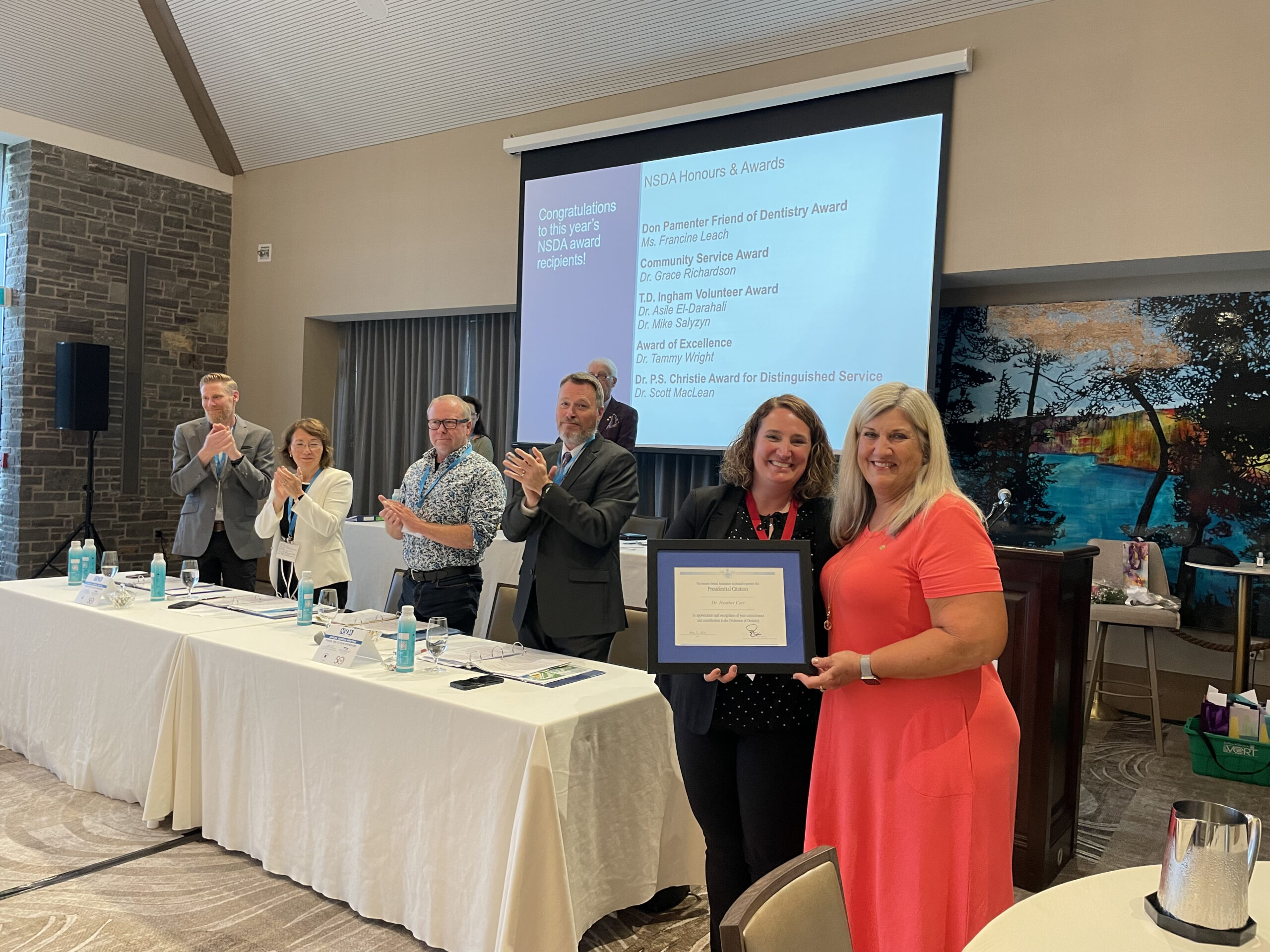
    Congratulations to this year’s NSDA Award winners!

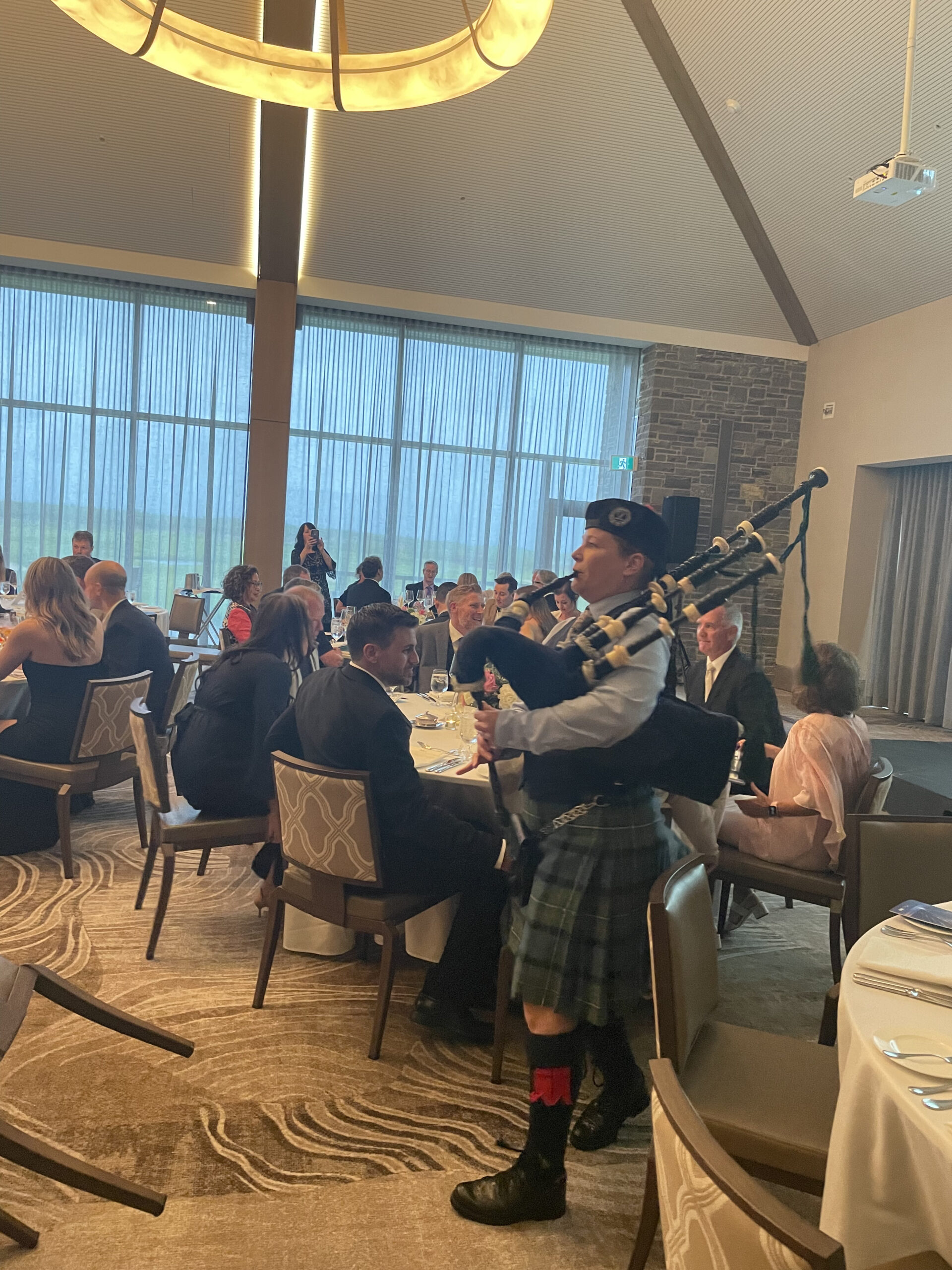
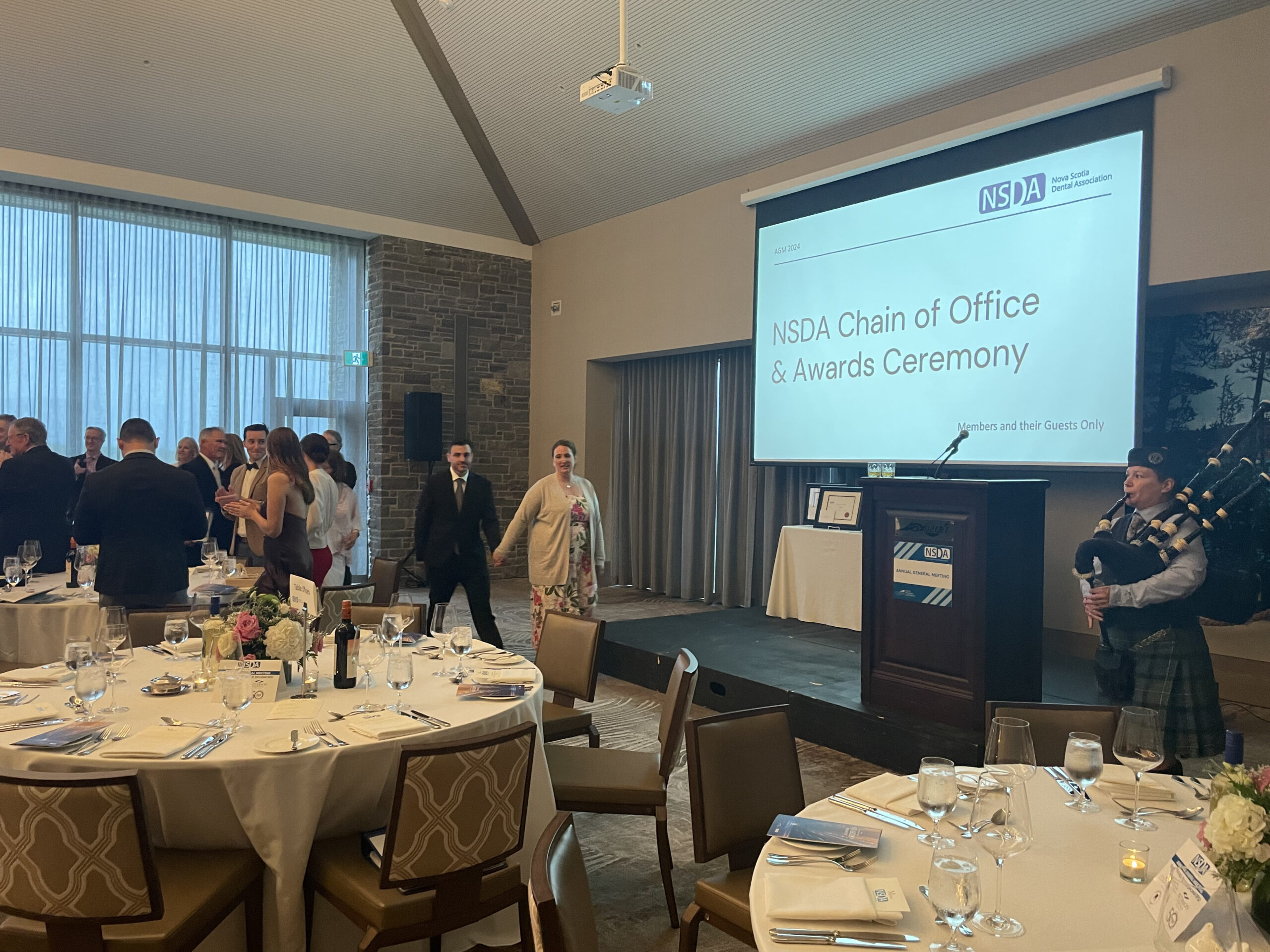
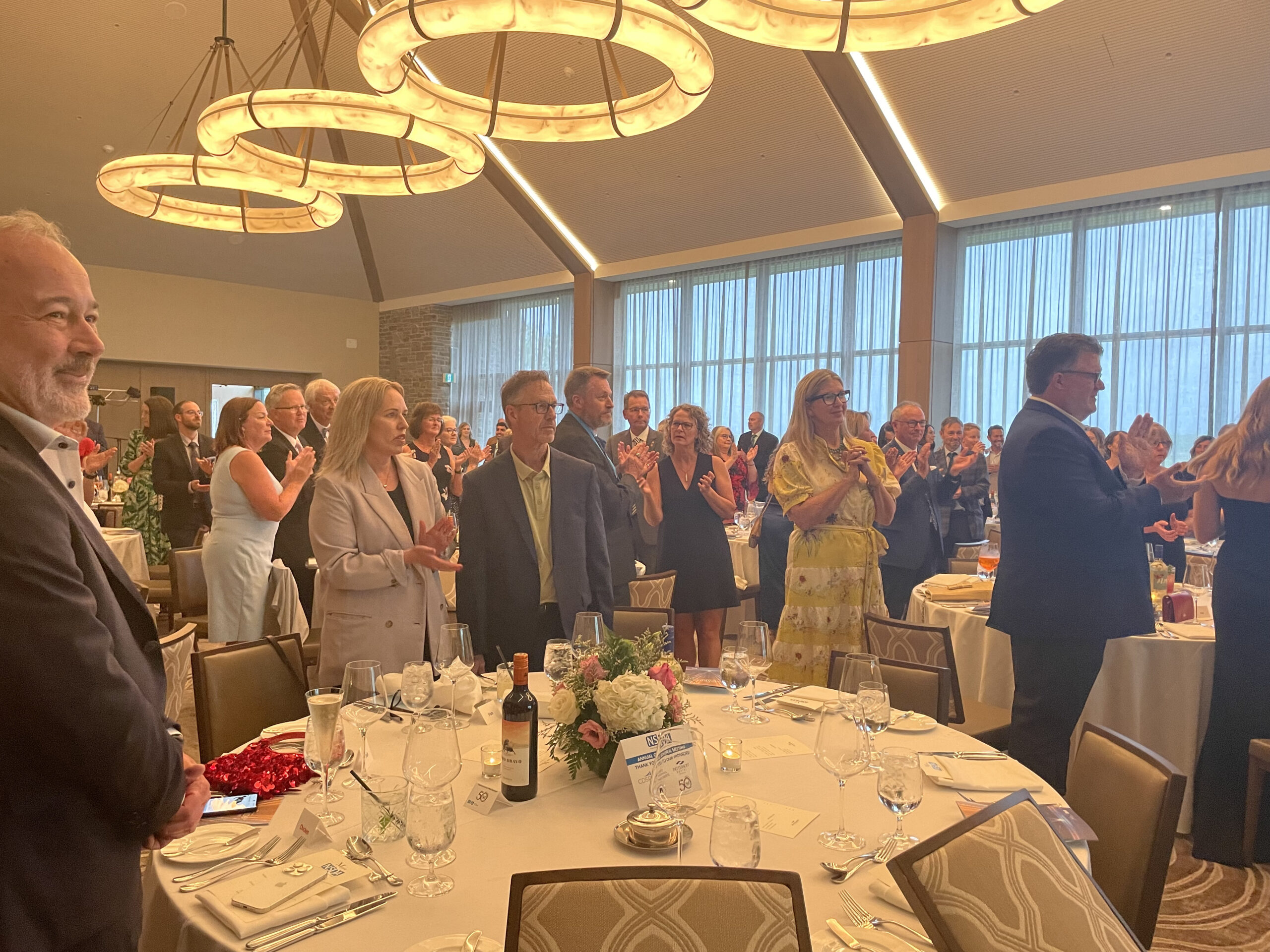
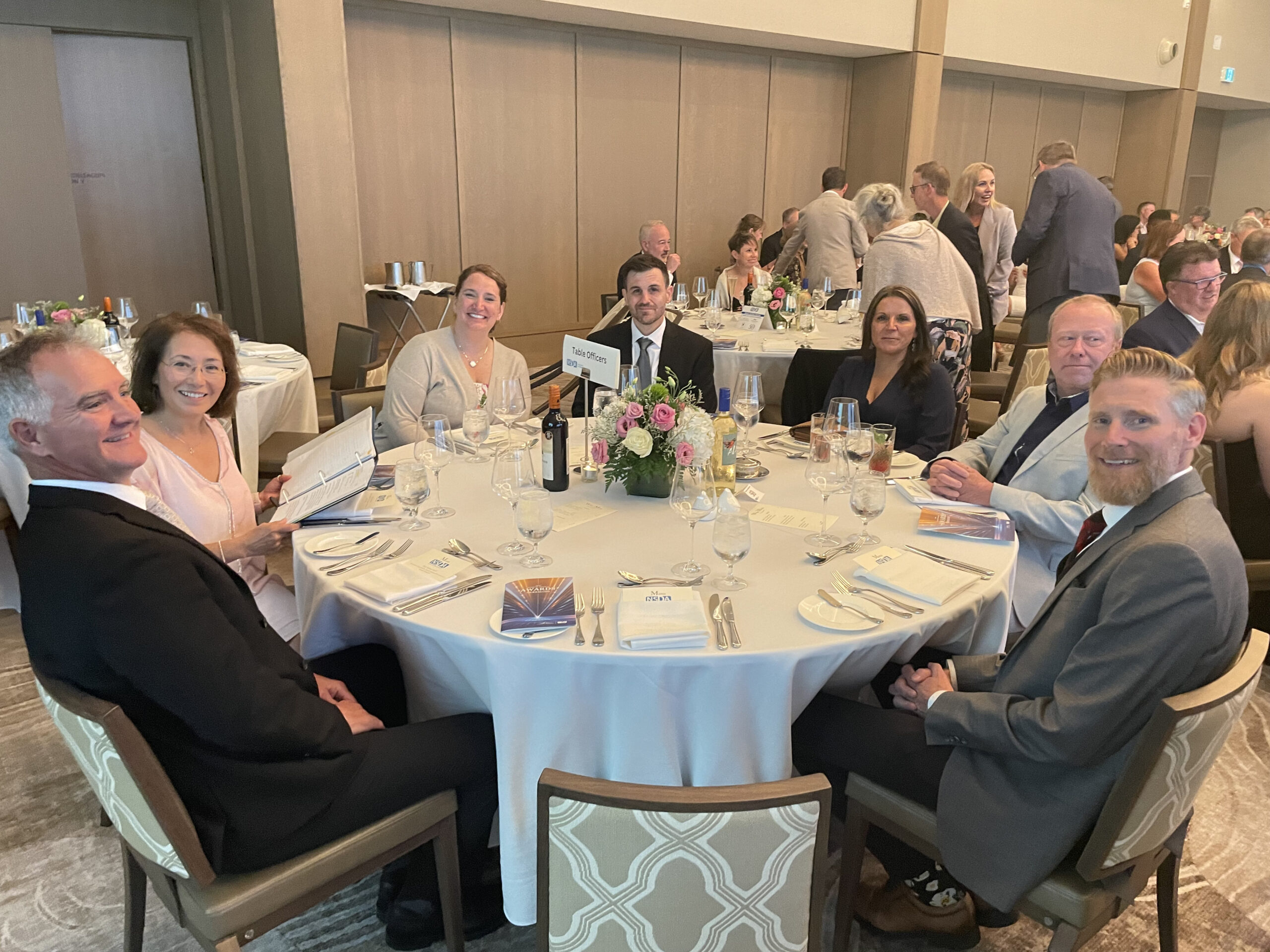
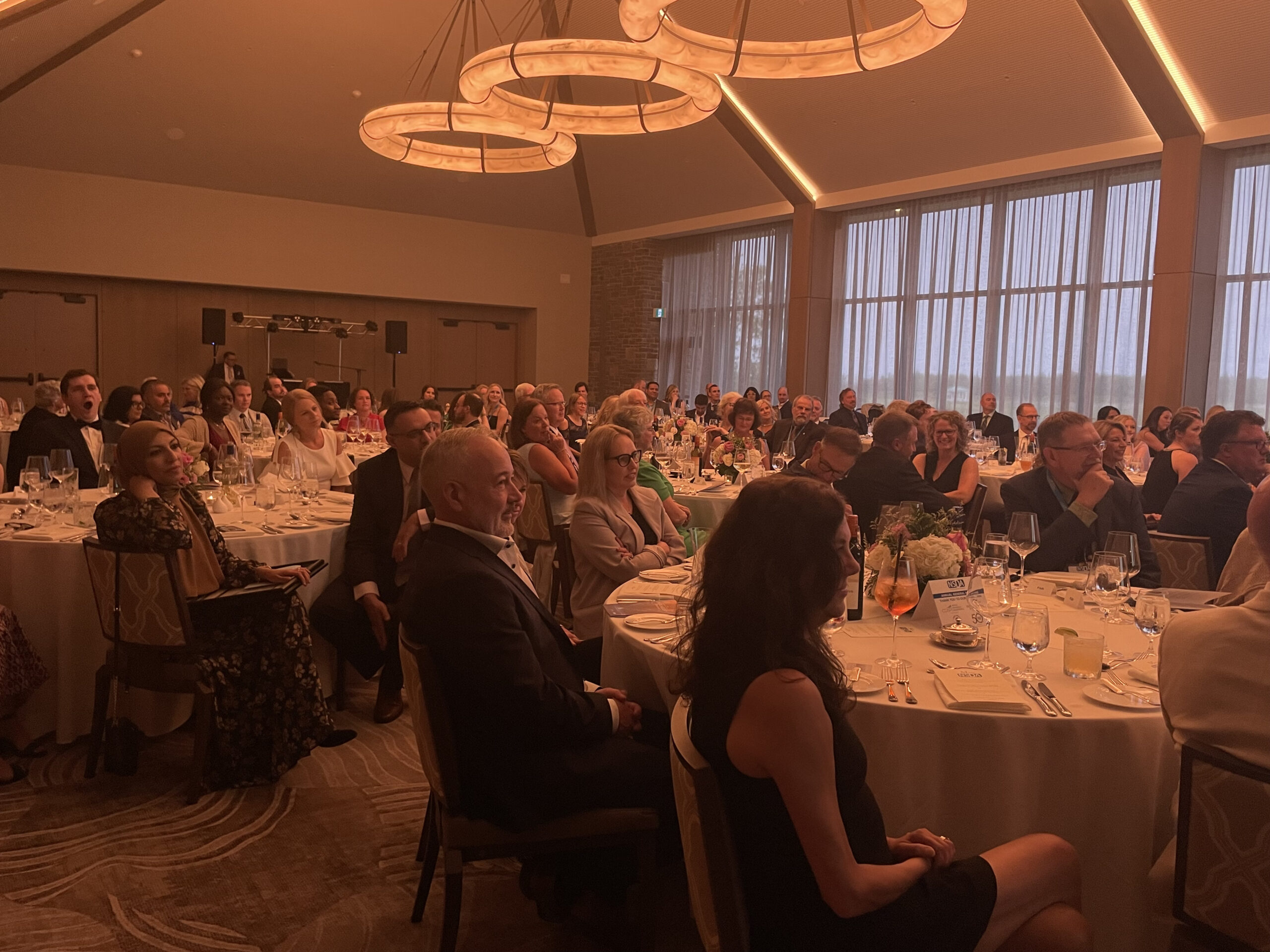
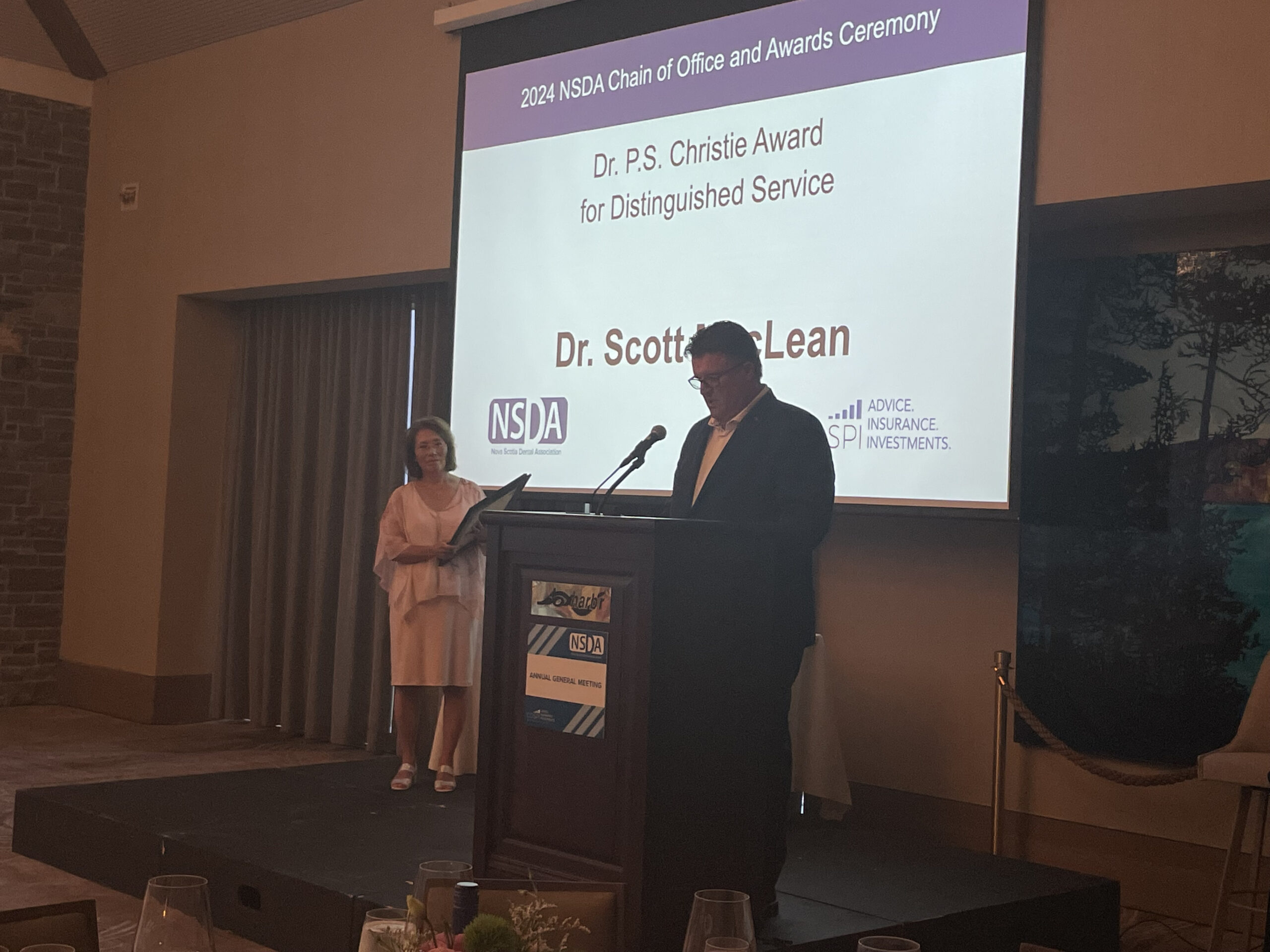
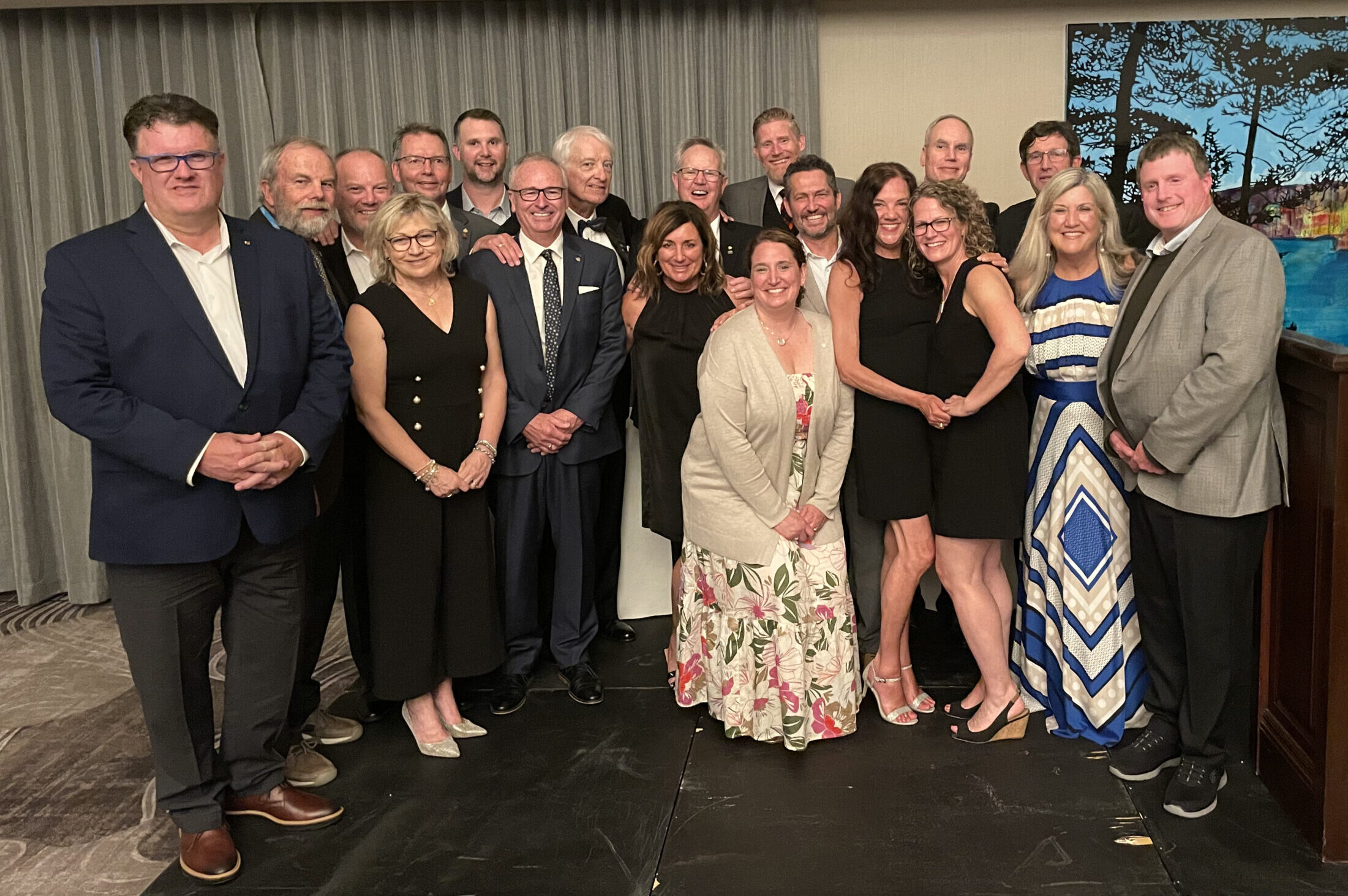
    The AGM weekend concluded with the Chain of Office and Awards ceremony, held Saturday evening. With Dr. Karst at the mic as MC, table officers and their families were led into the ballroom by a traditional bagpiper to begin the ceremony.

    The following individuals were recognized for their exemplary service to the profession and community this past year:

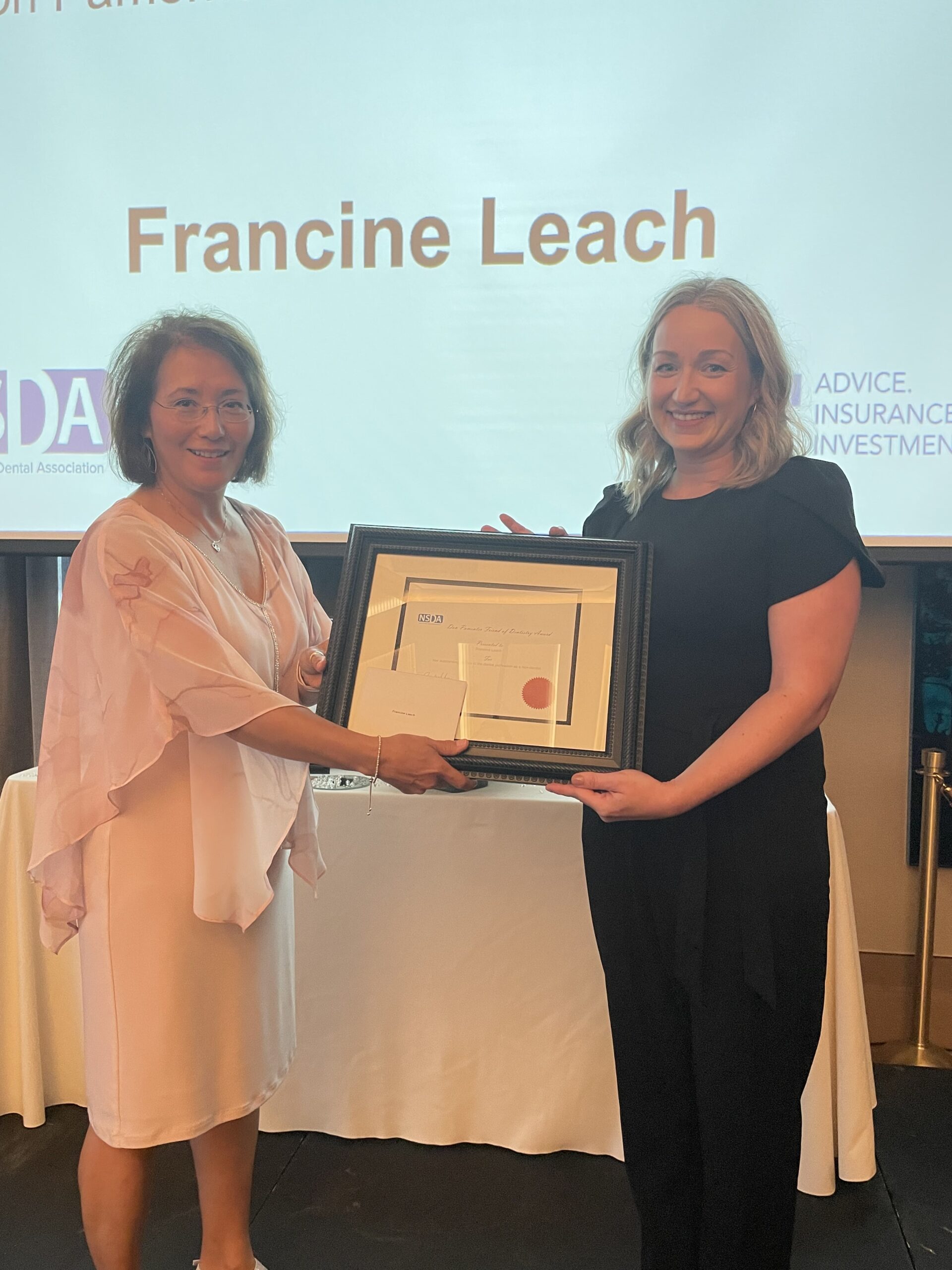
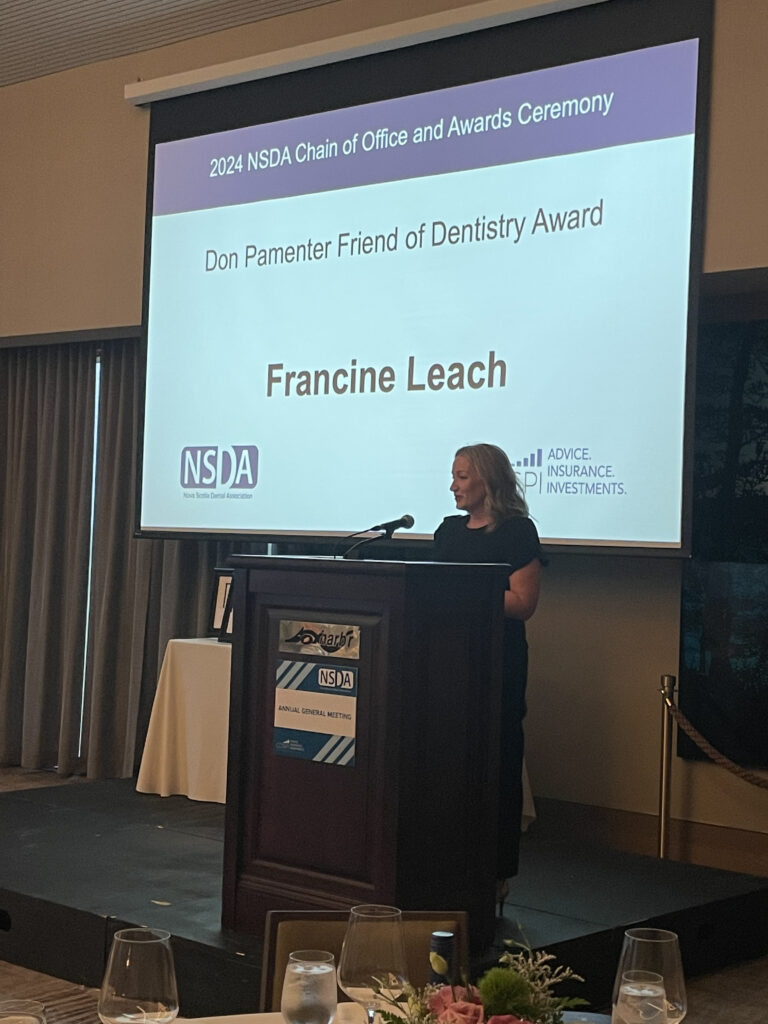
    Don Pamenter Friend of Dentistry Award:
    Ms. Francine Leach

    The Don Pamenter Friend of Dentistry Award is given to an individual non-dentist to recognize outstanding service to the profession of dentistry, either for a single outstanding contribution or for sustained service of no less than 15 years.
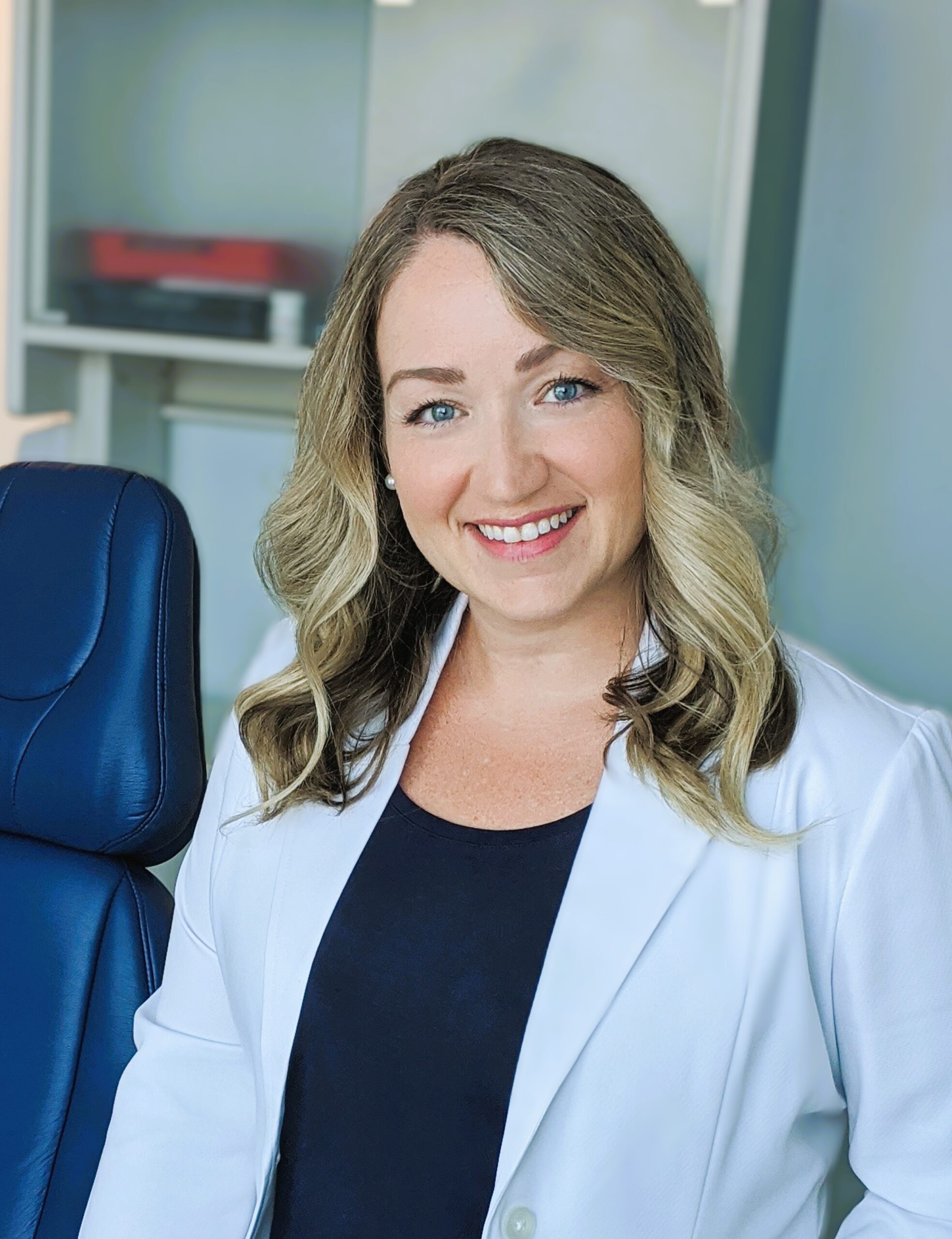
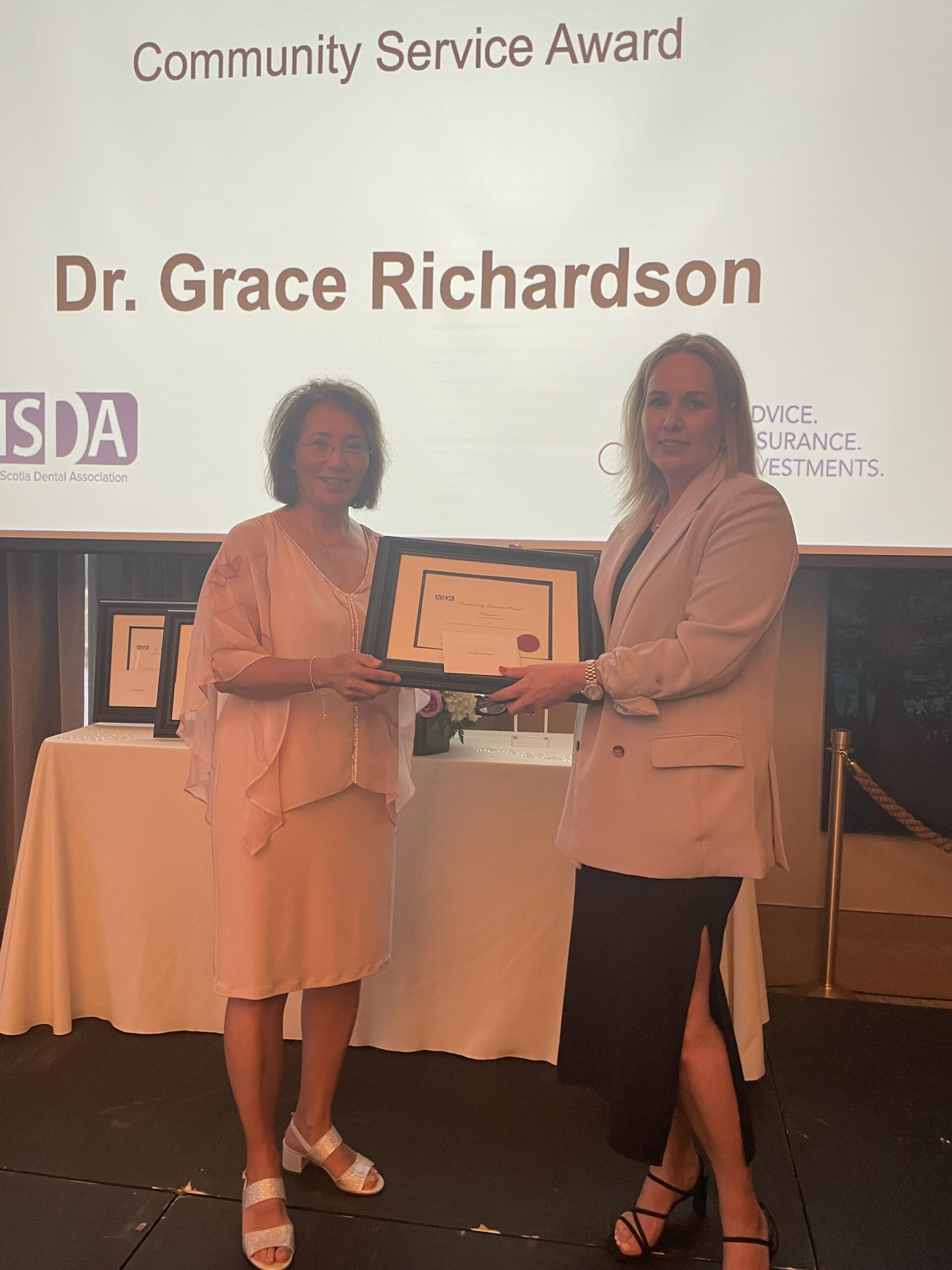
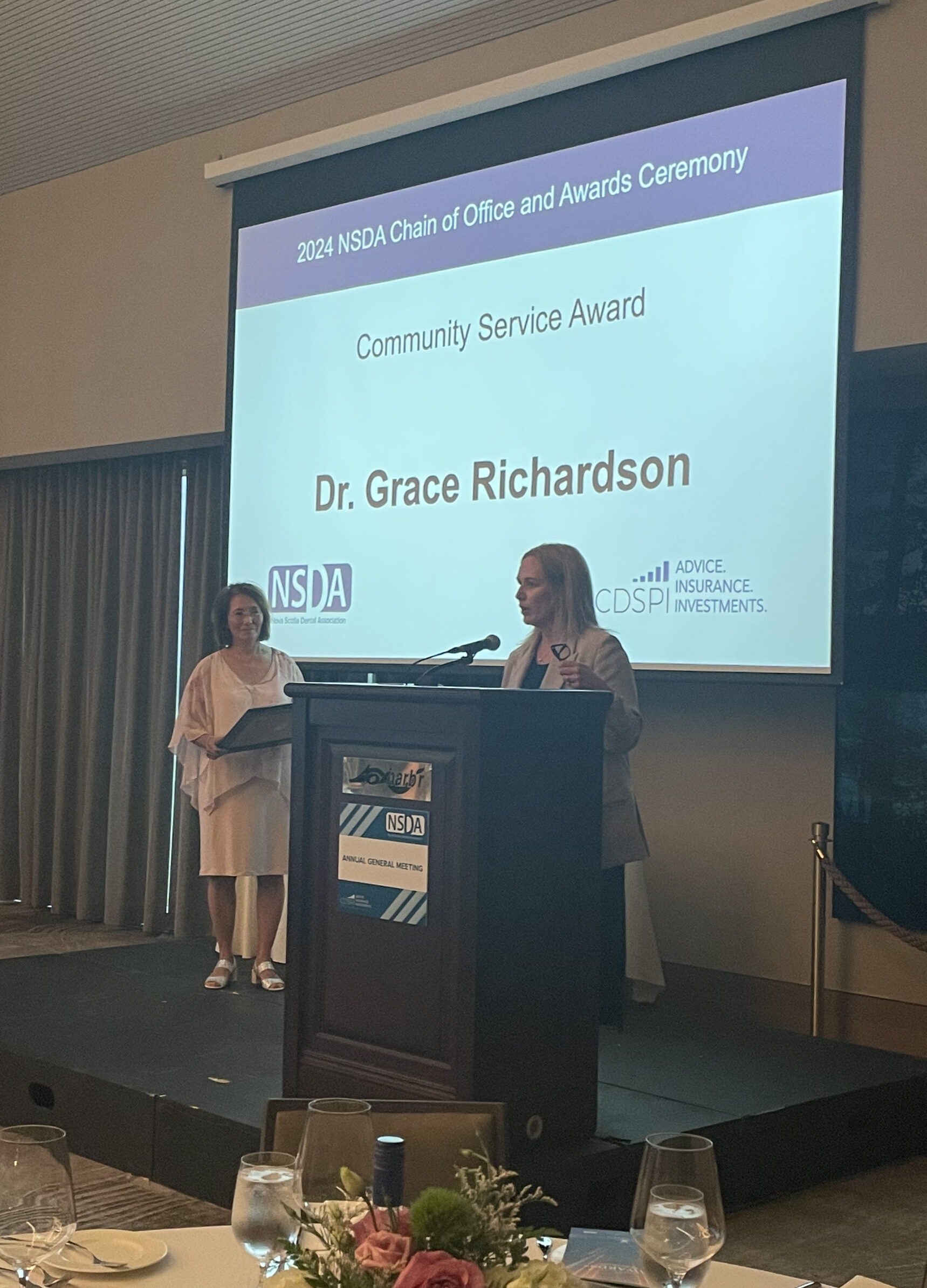
    NSDA Community Service Award:
    Dr. Grace Richardson

    The Community Service Award is presented to a dentist for non-dental-related community service. The community service may be for one outstanding event or activity or for service over a period of time.

    T.D. Ingham Volunteer Award:
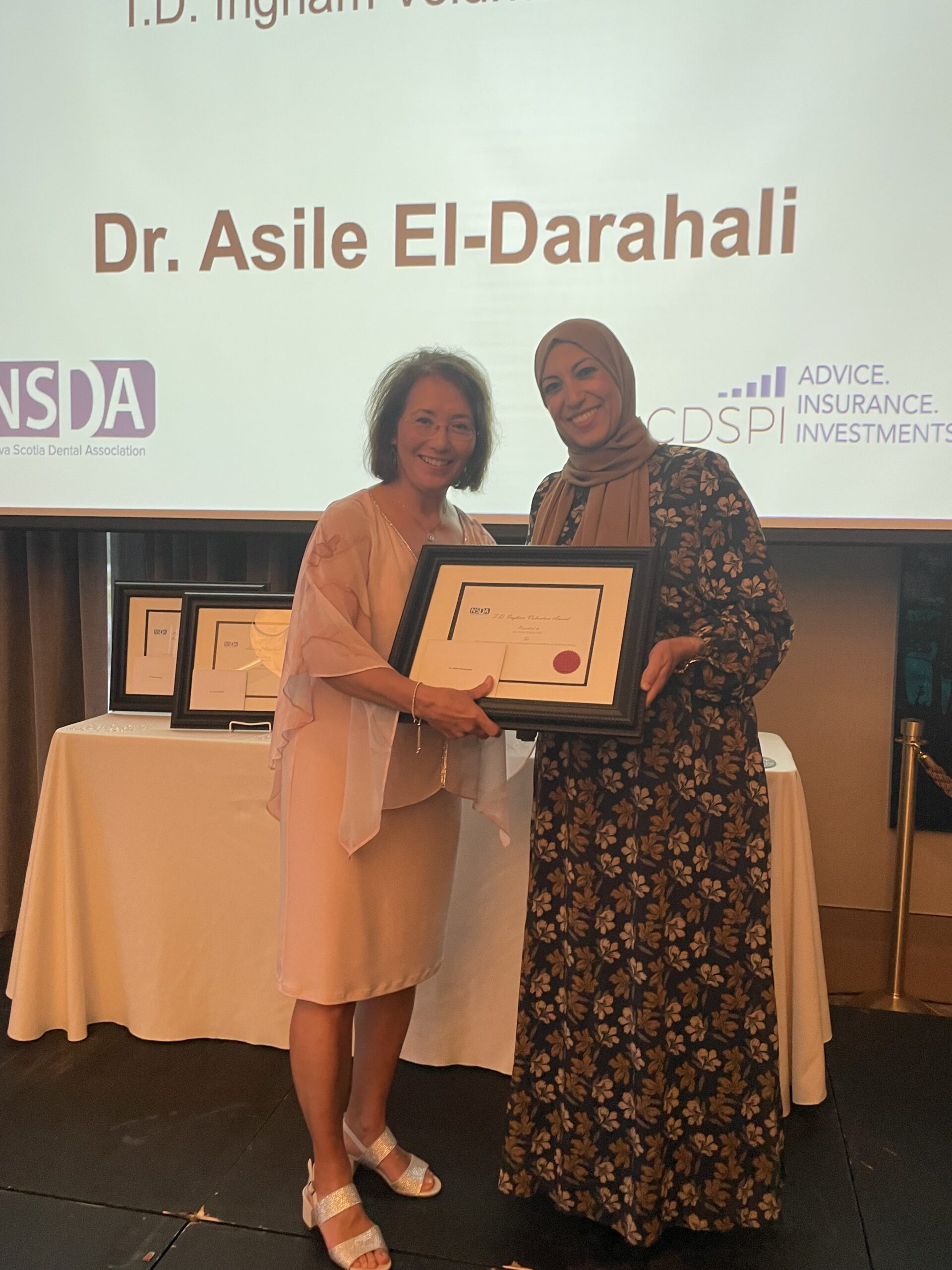
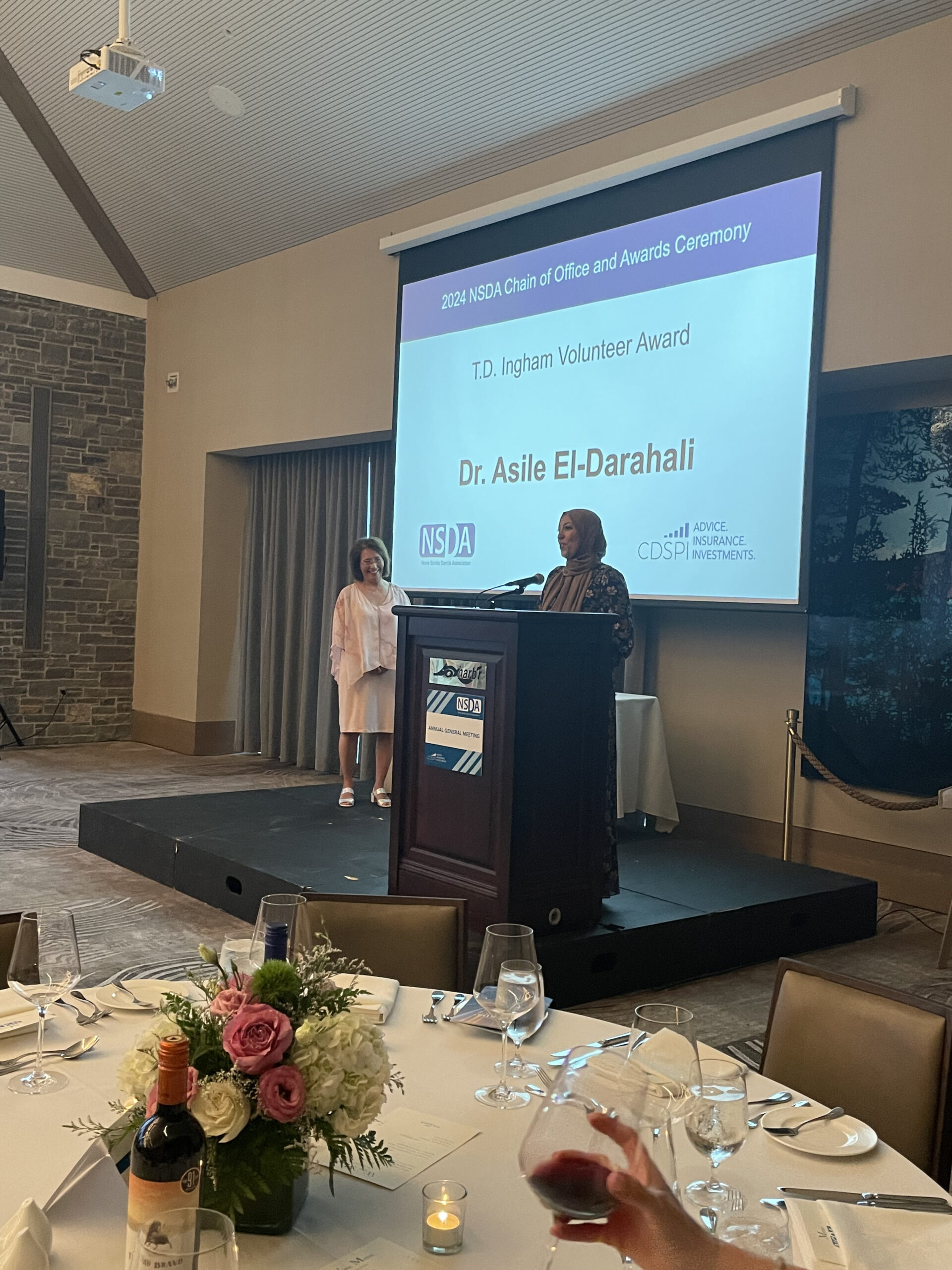
    Dr. Asile El-Darahali and Dr. Mike Salyzyn

    The T.D. Ingham Volunteer Award recognizes exemplary service in the line of internal volunteerism on NSDA committees.
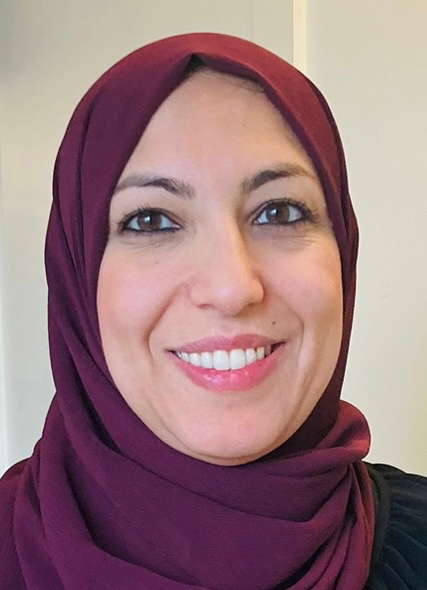

    NSDA Award of Excellence:
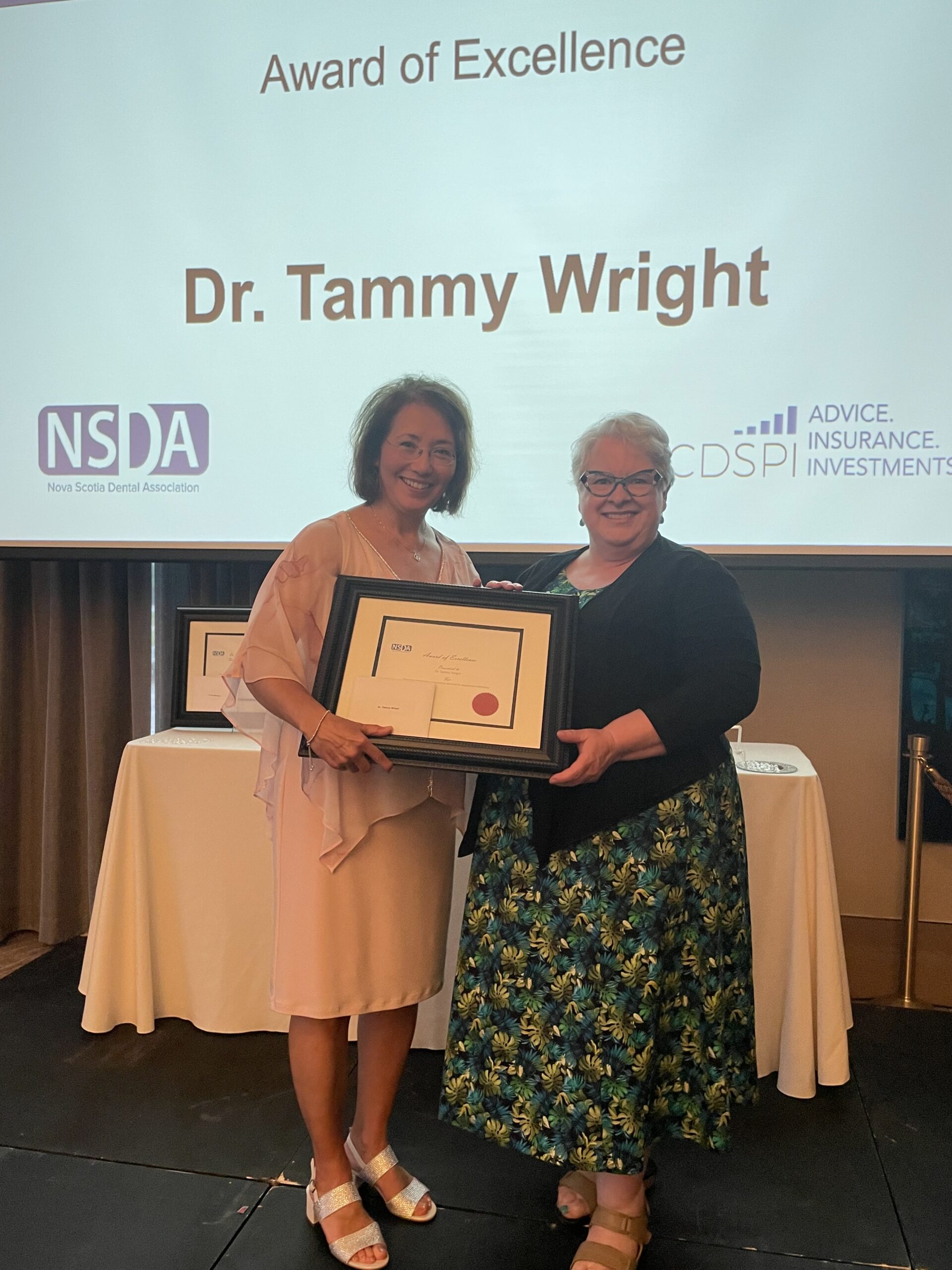
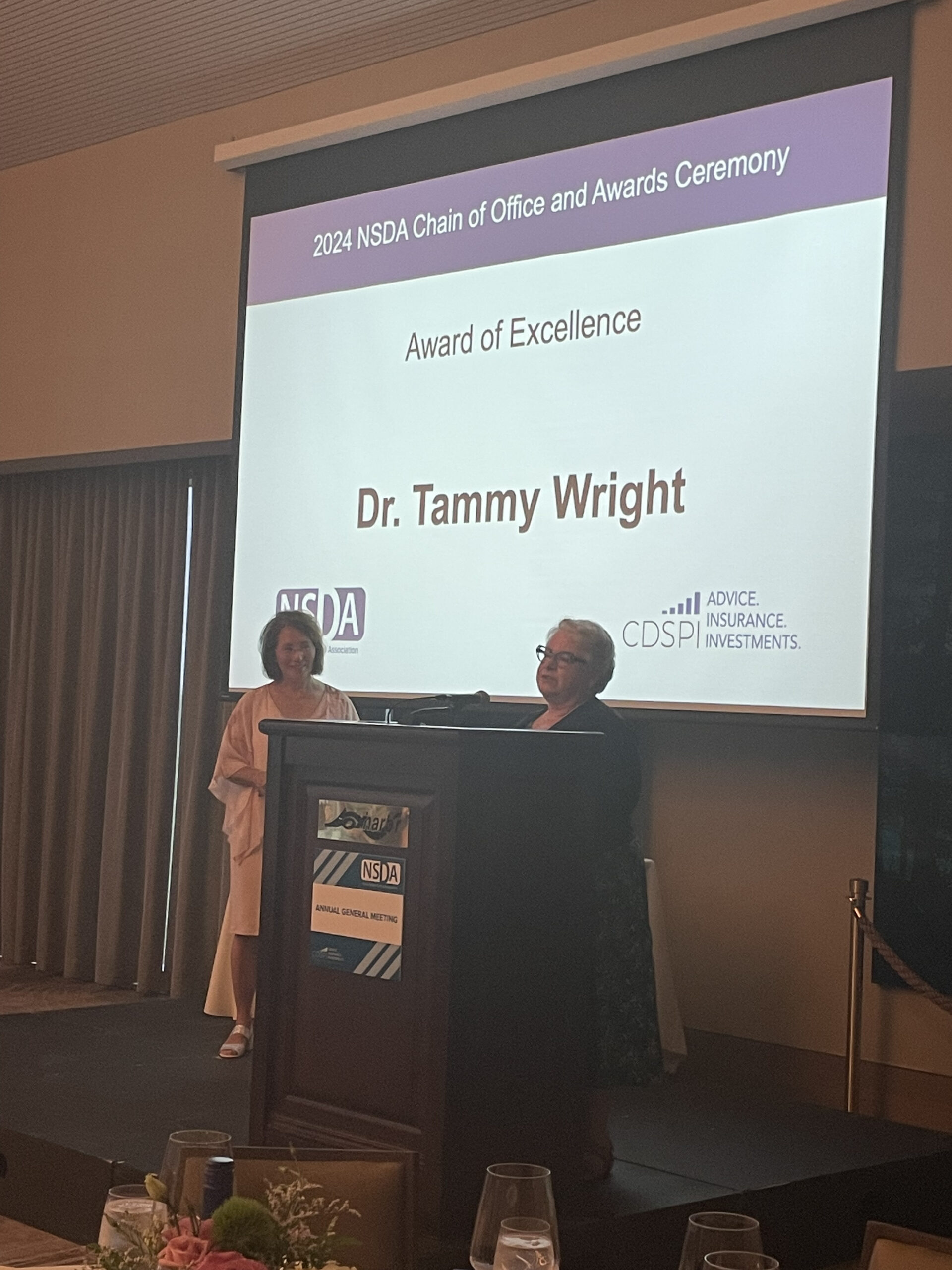
    Dr. Tammy Wright

    The Award of Excellence recognizes an individual for exemplary, long-standing (minimum of 10 years) service to “organized dentistry,” either provincially or nationally.

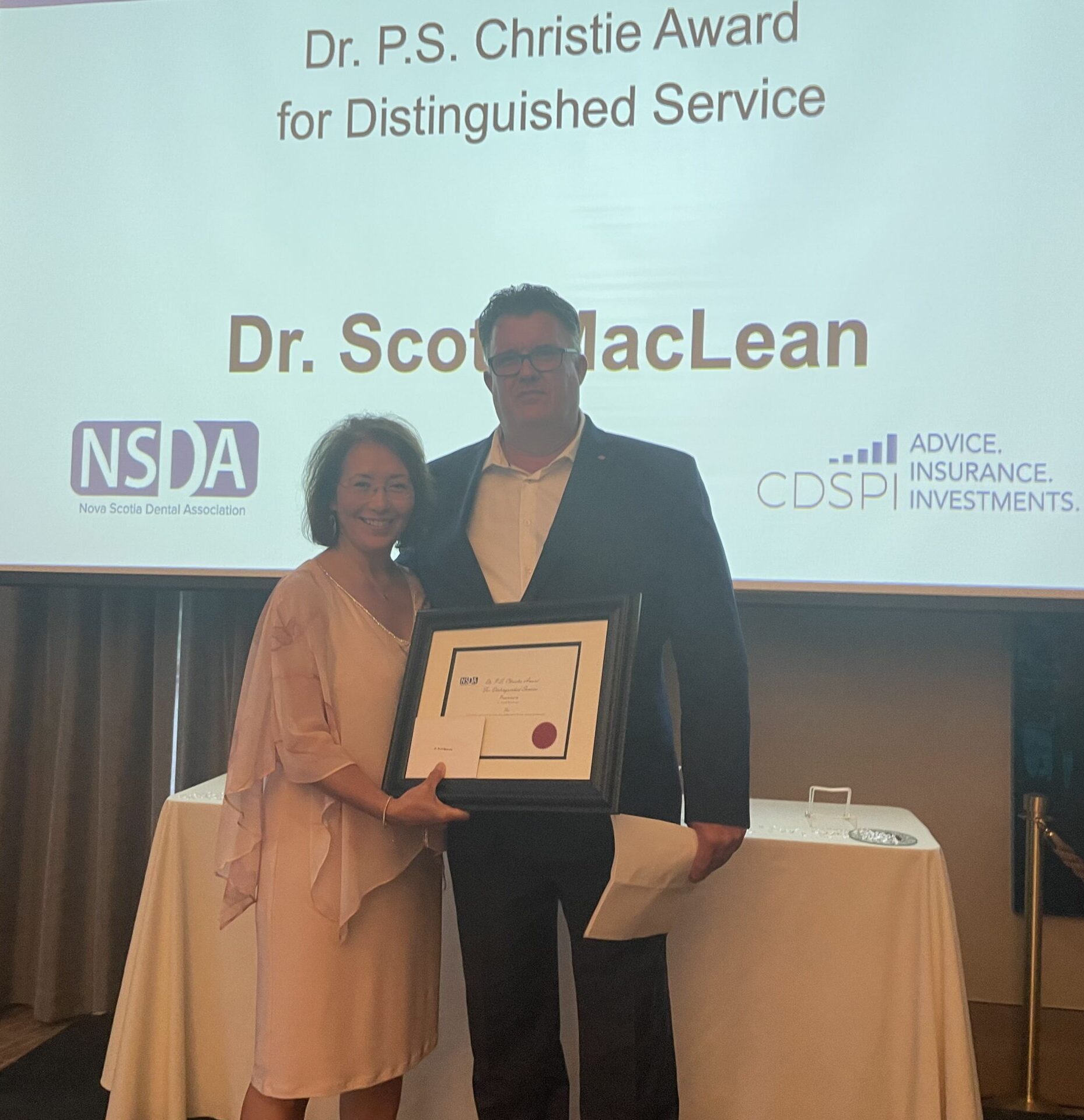
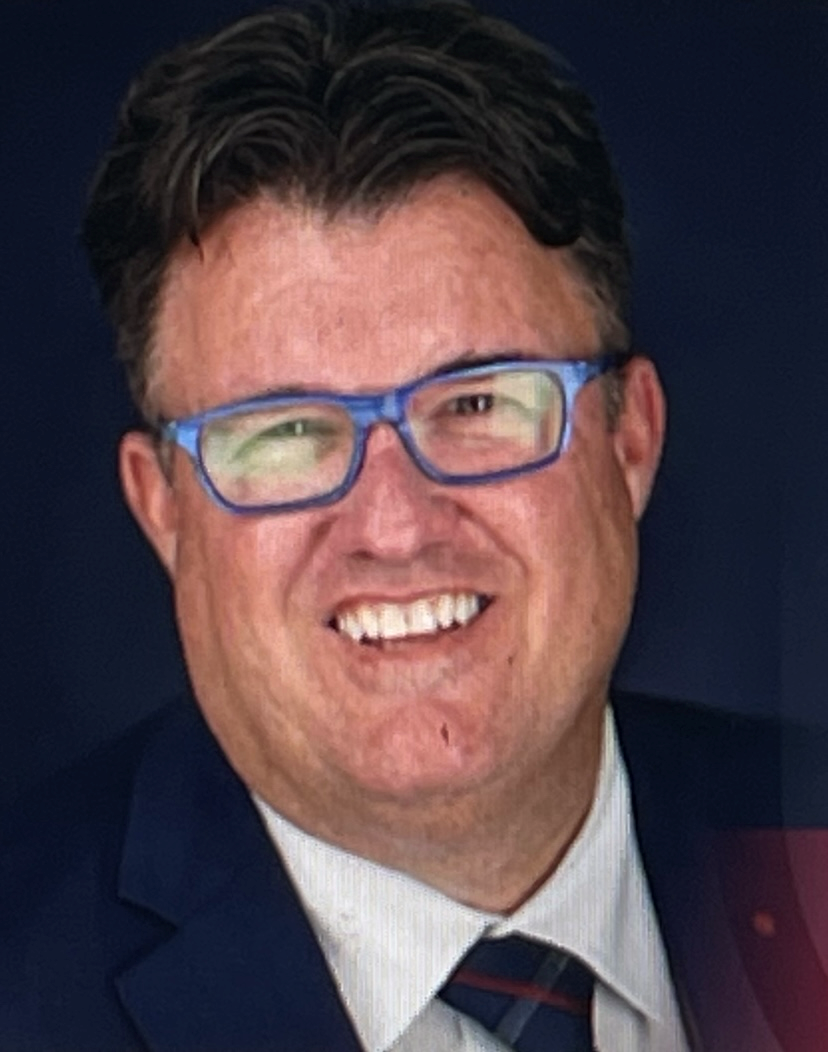
    Dr. Philip S. Christie Award for Distinguished Service:
    Dr. Scott MacLean

    The Dr. Philip S. Christie Award for Distinguished Service is presented to an individual in recognition of their outstanding contributions and service to the profession of no less than 15 years.
    Until next year!

    Thank you to all who attended the 2024 AGM and to everyone who helped make it a success.

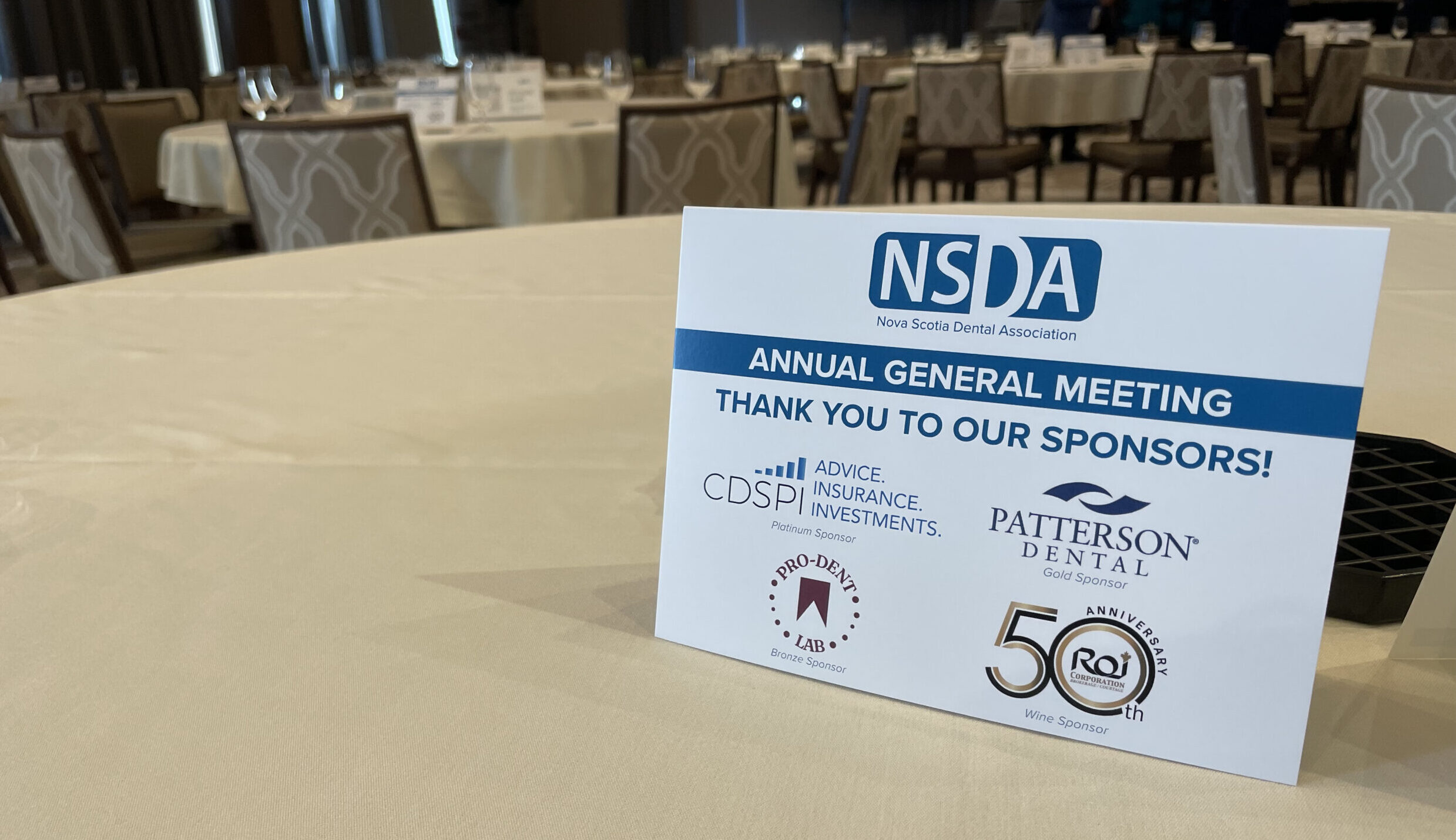
    Thank you, as well, to our AGM Weekend Sponsors: CDSPI, our Platinum Sponsor; Patterson Dental, our Gold Sponsor; and Pro-Dent Laboratory, our Bronze Sponsor. Additionally, many thanks to ROI Corporation for providing the wine for Saturday night’s dinner and to Urban Dental Design for supplying drink tickets for the Friday night cocktail reception. Your support and generosity are greatly appreciated.

    We look forward to the upcoming year and seeing you all at the 2025 AGM, held at Digby Pines Golf Resort and Spa on June 12, 13, and 14, 2025!

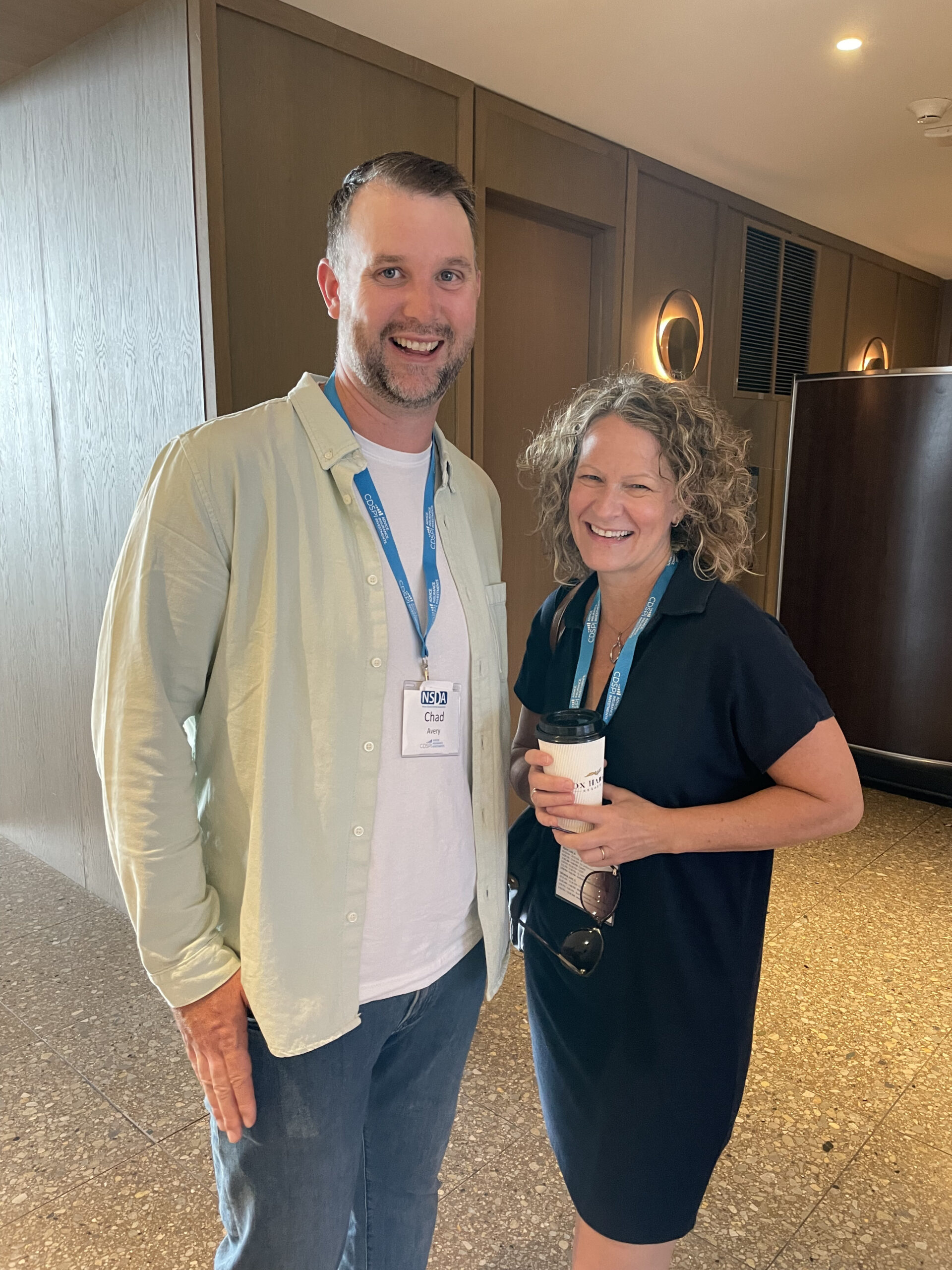
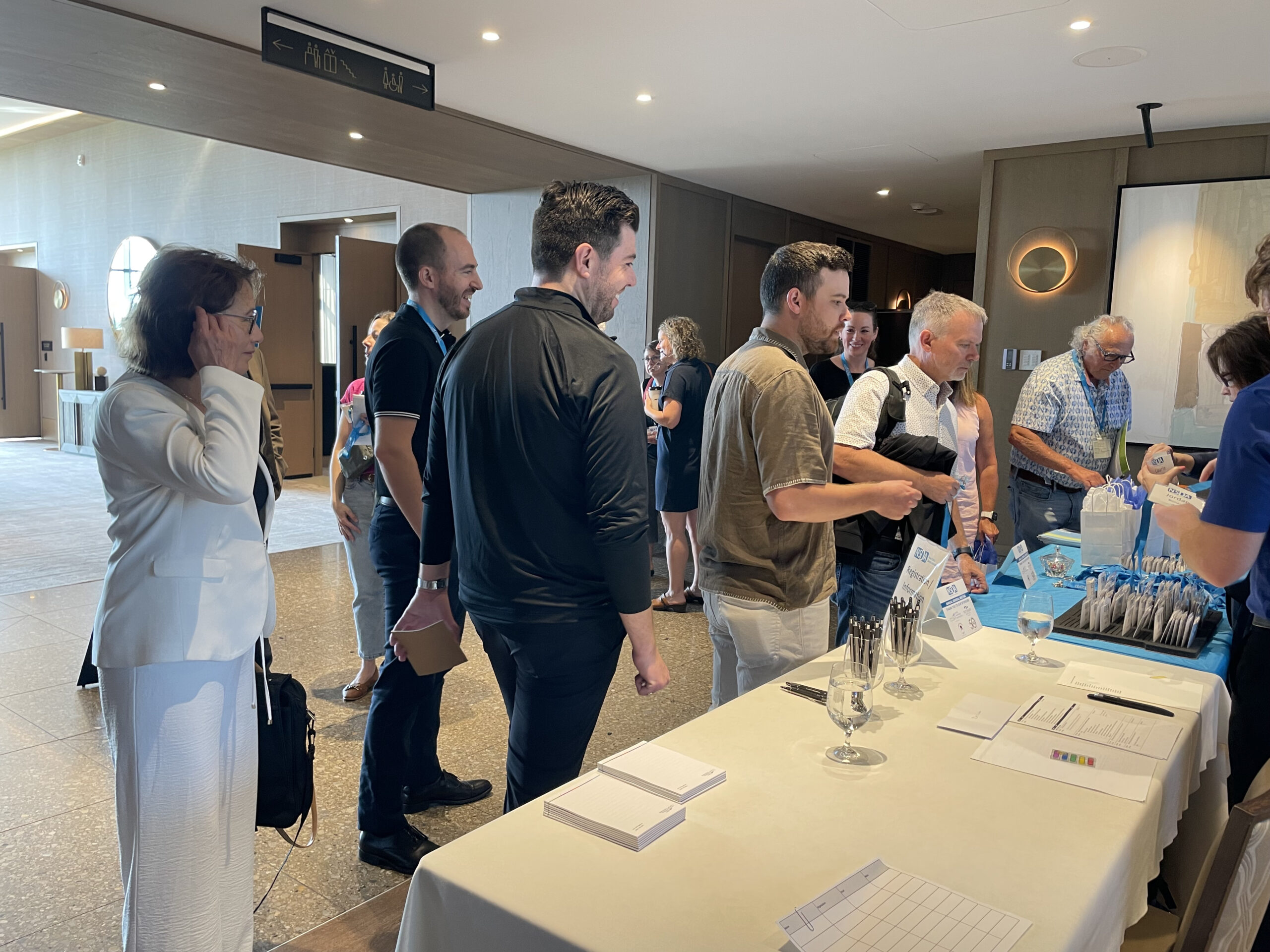
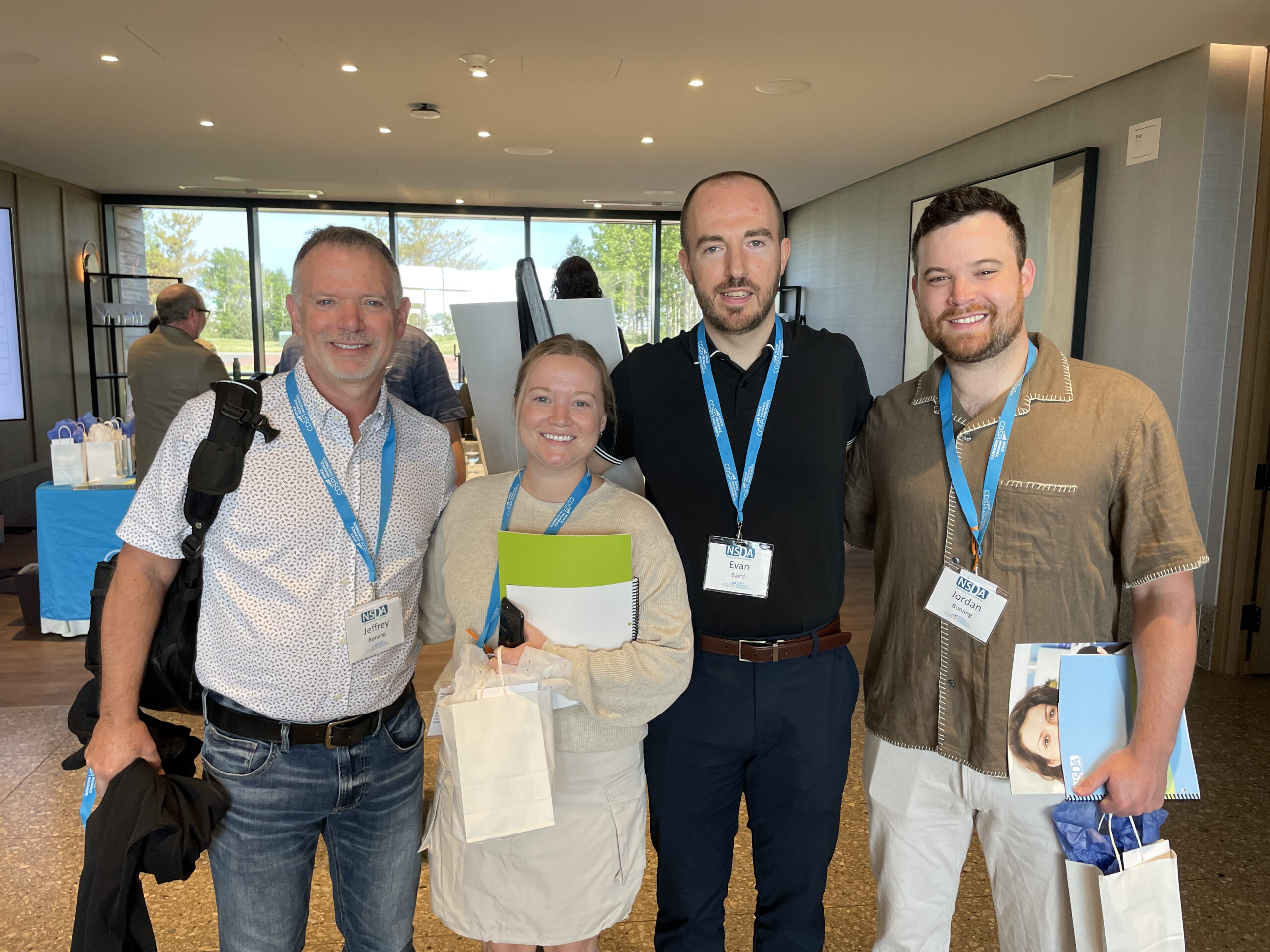
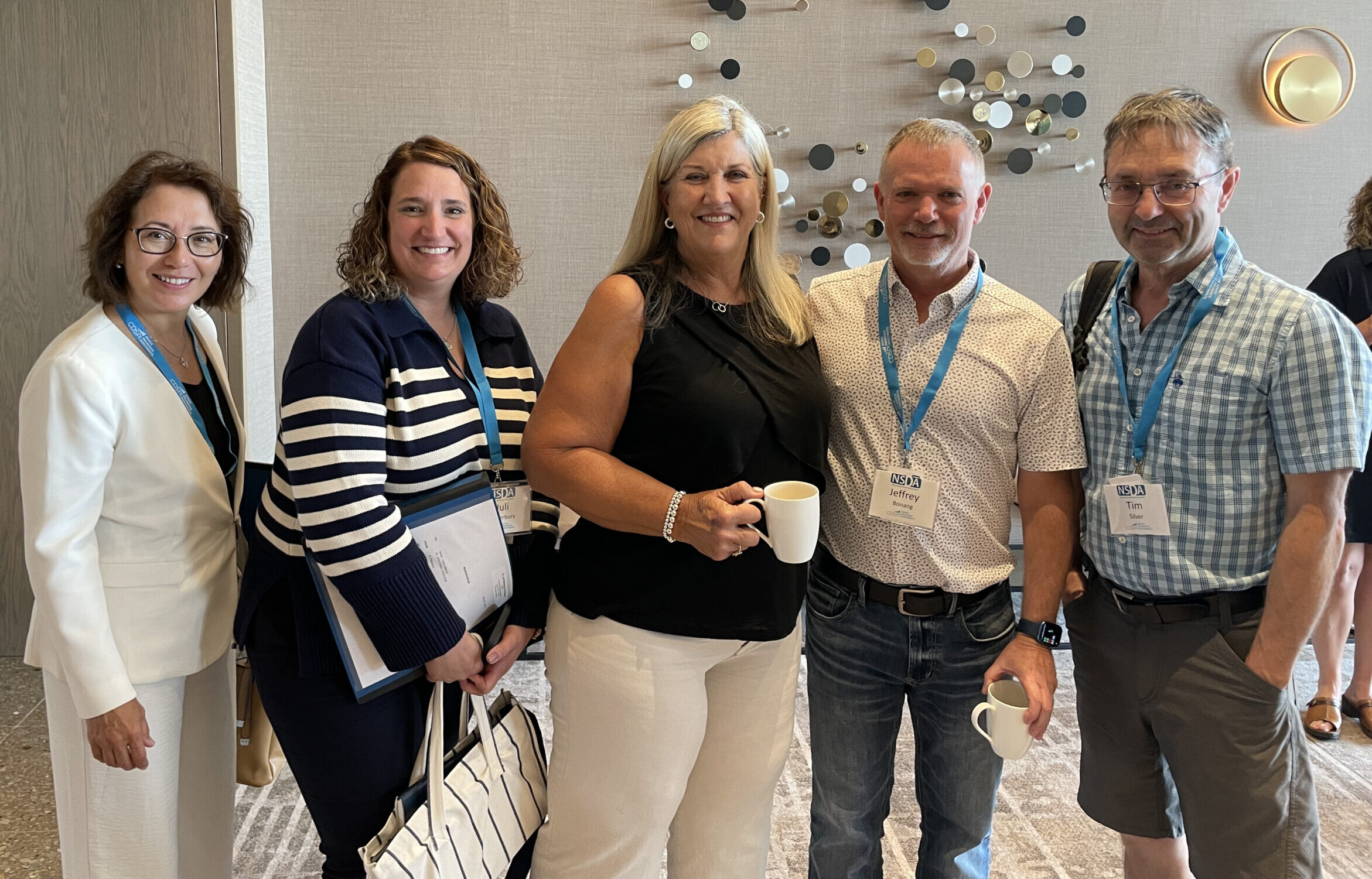
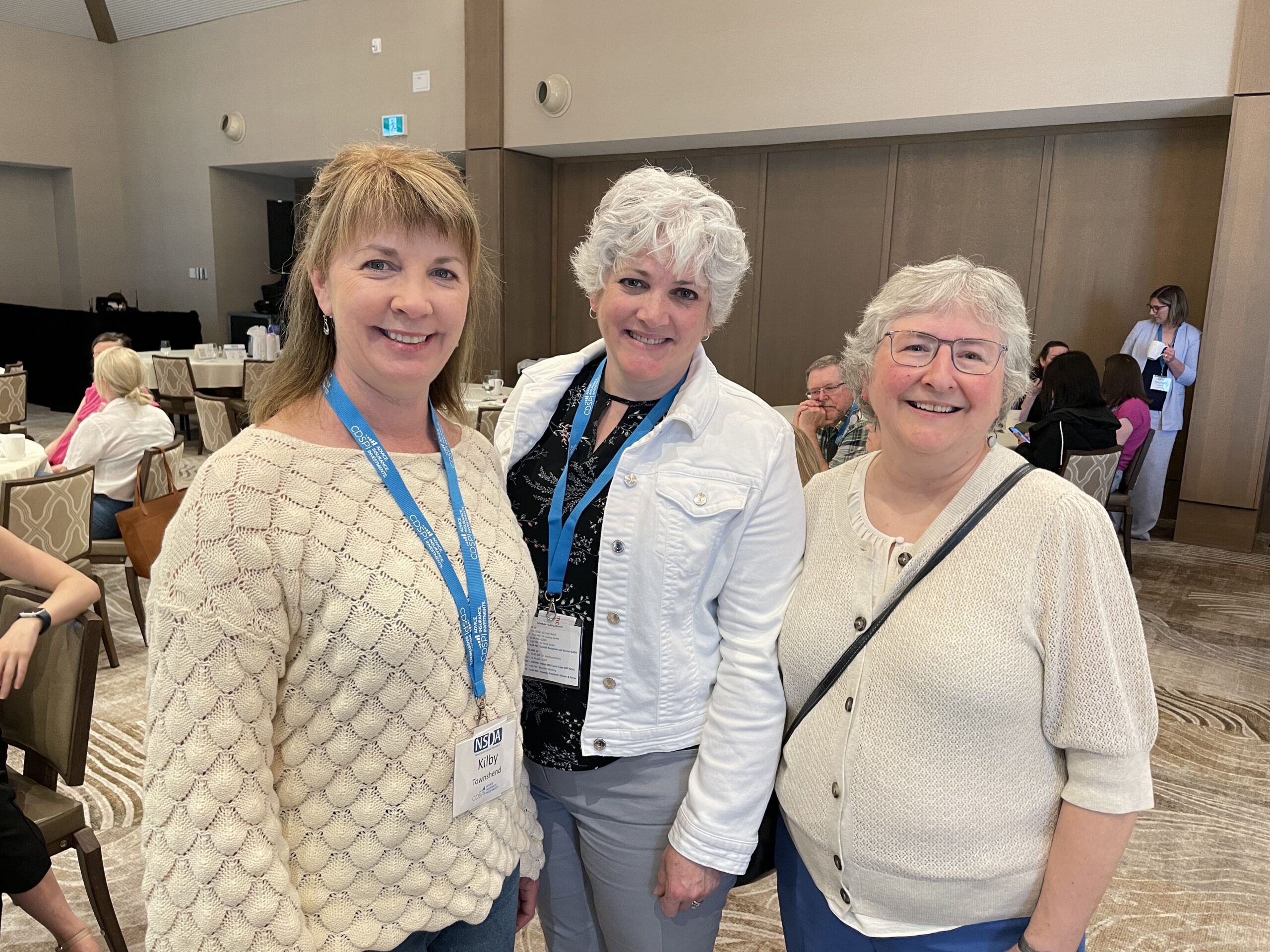
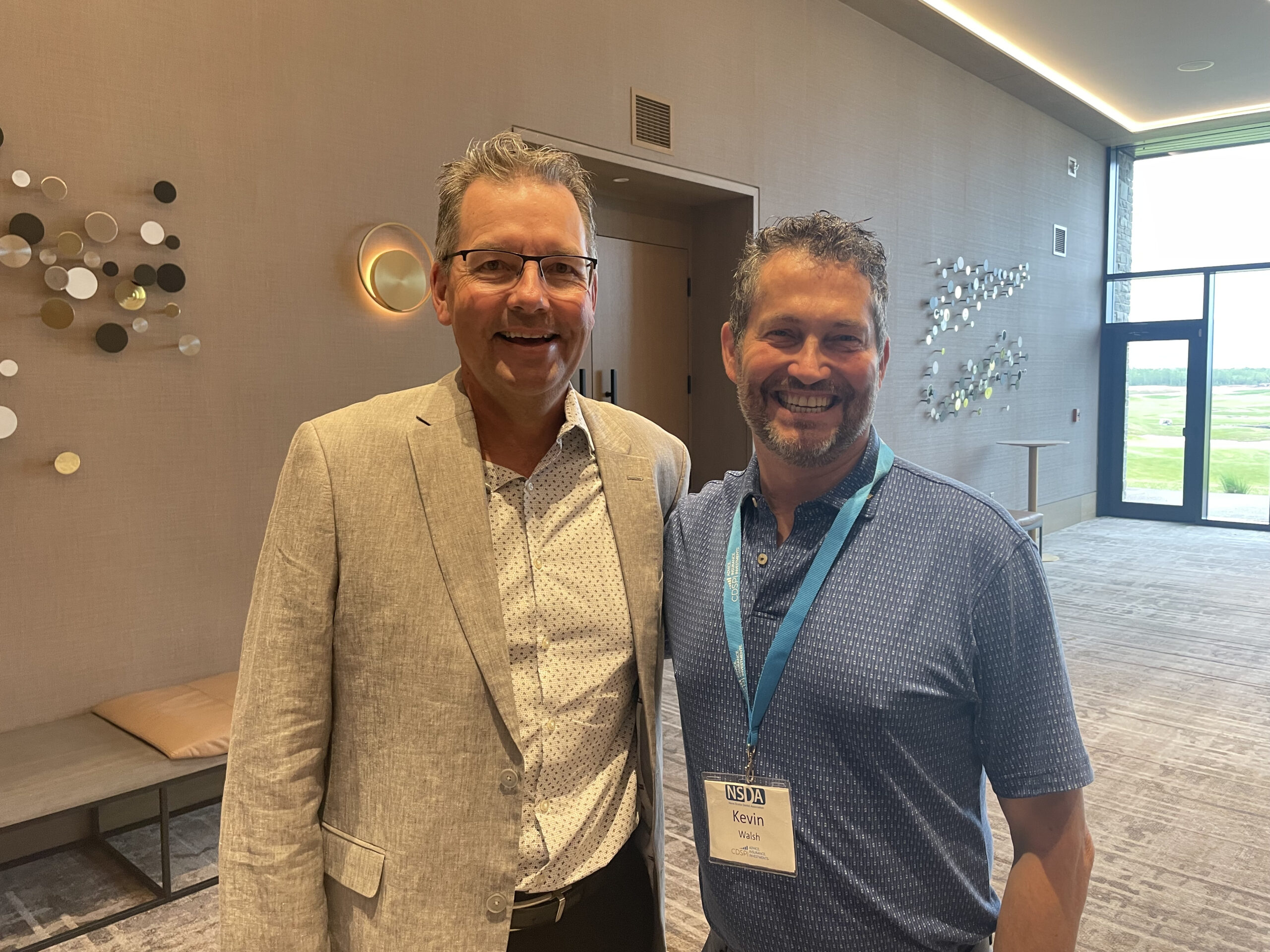
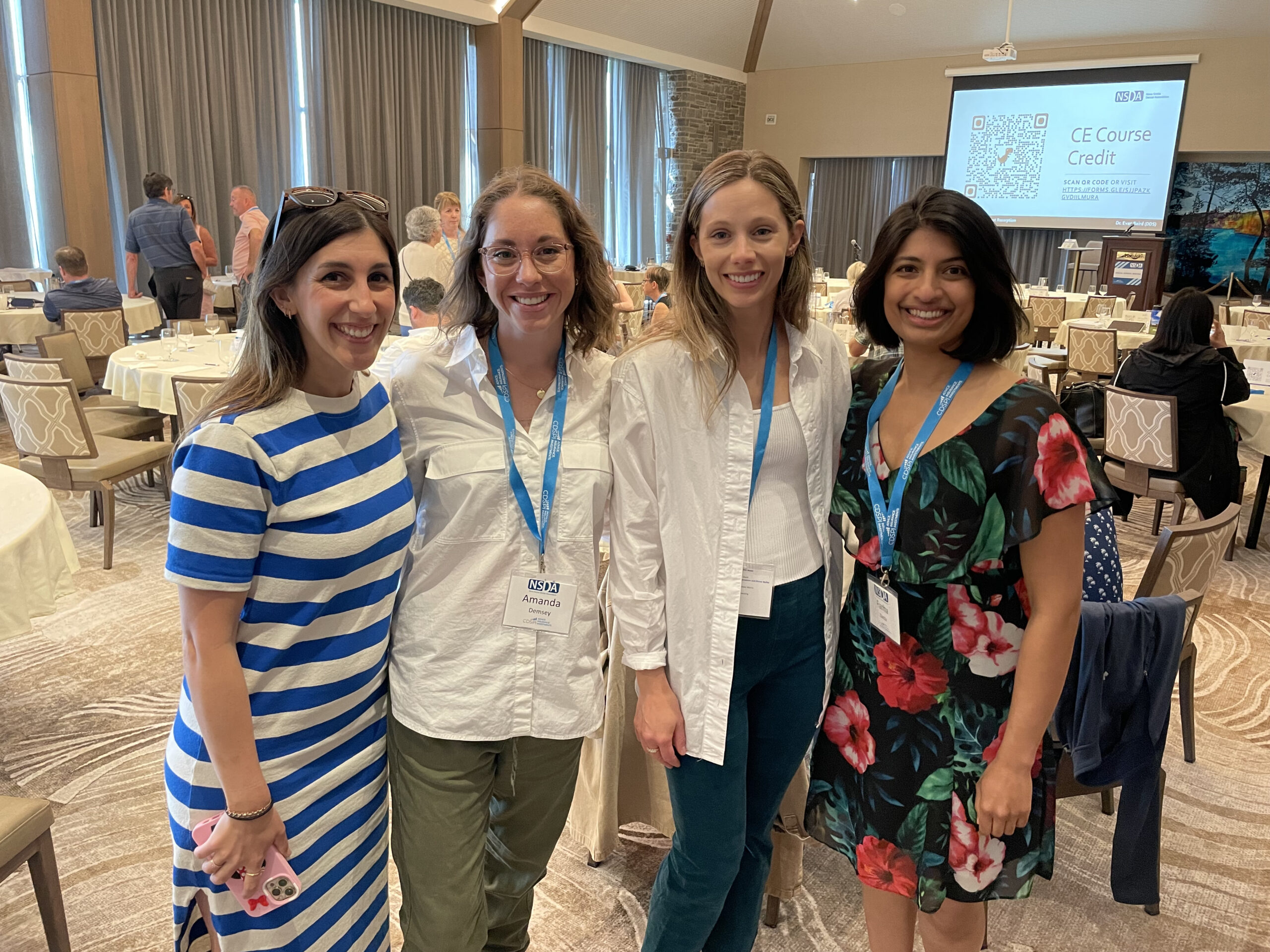
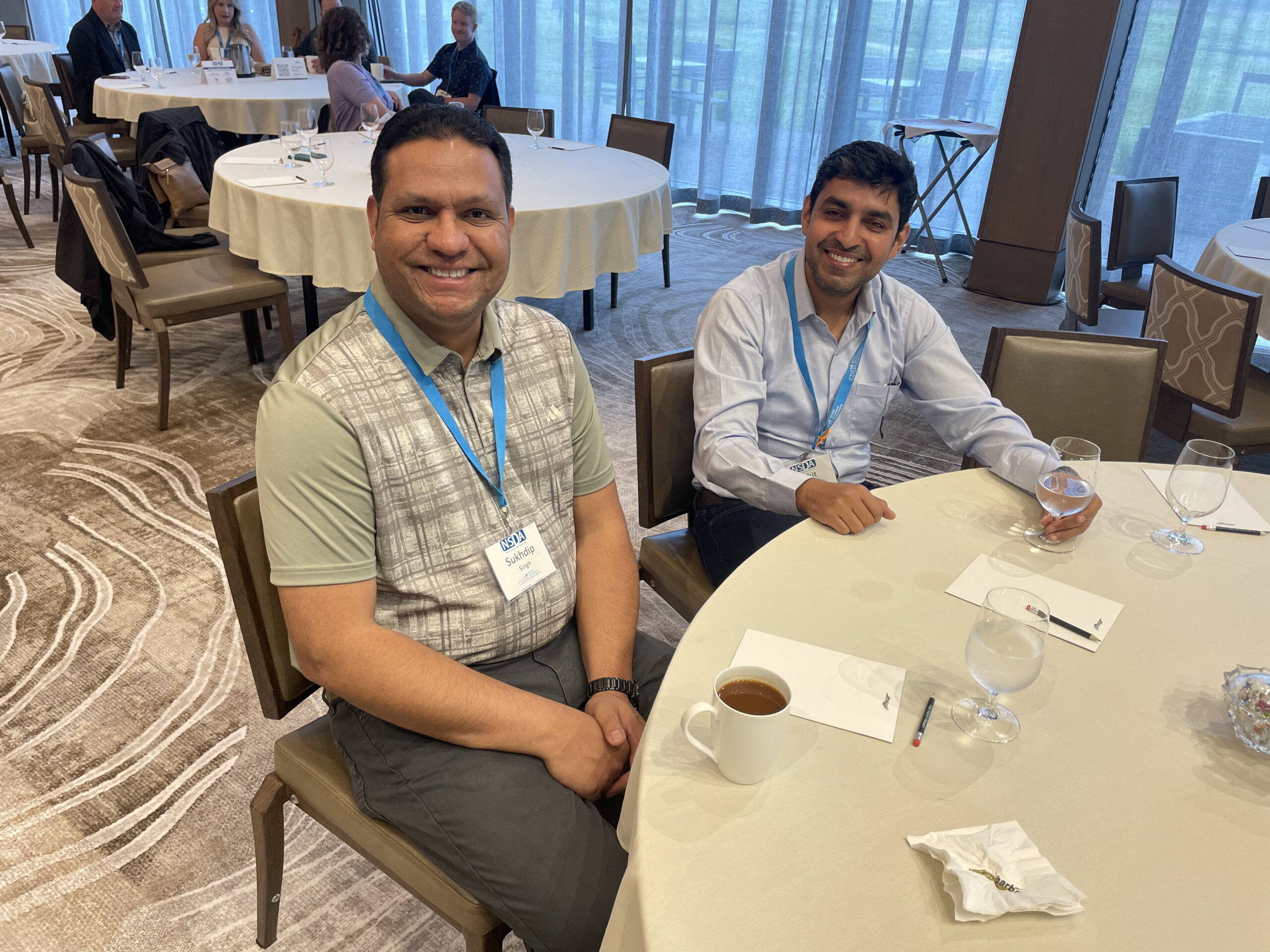
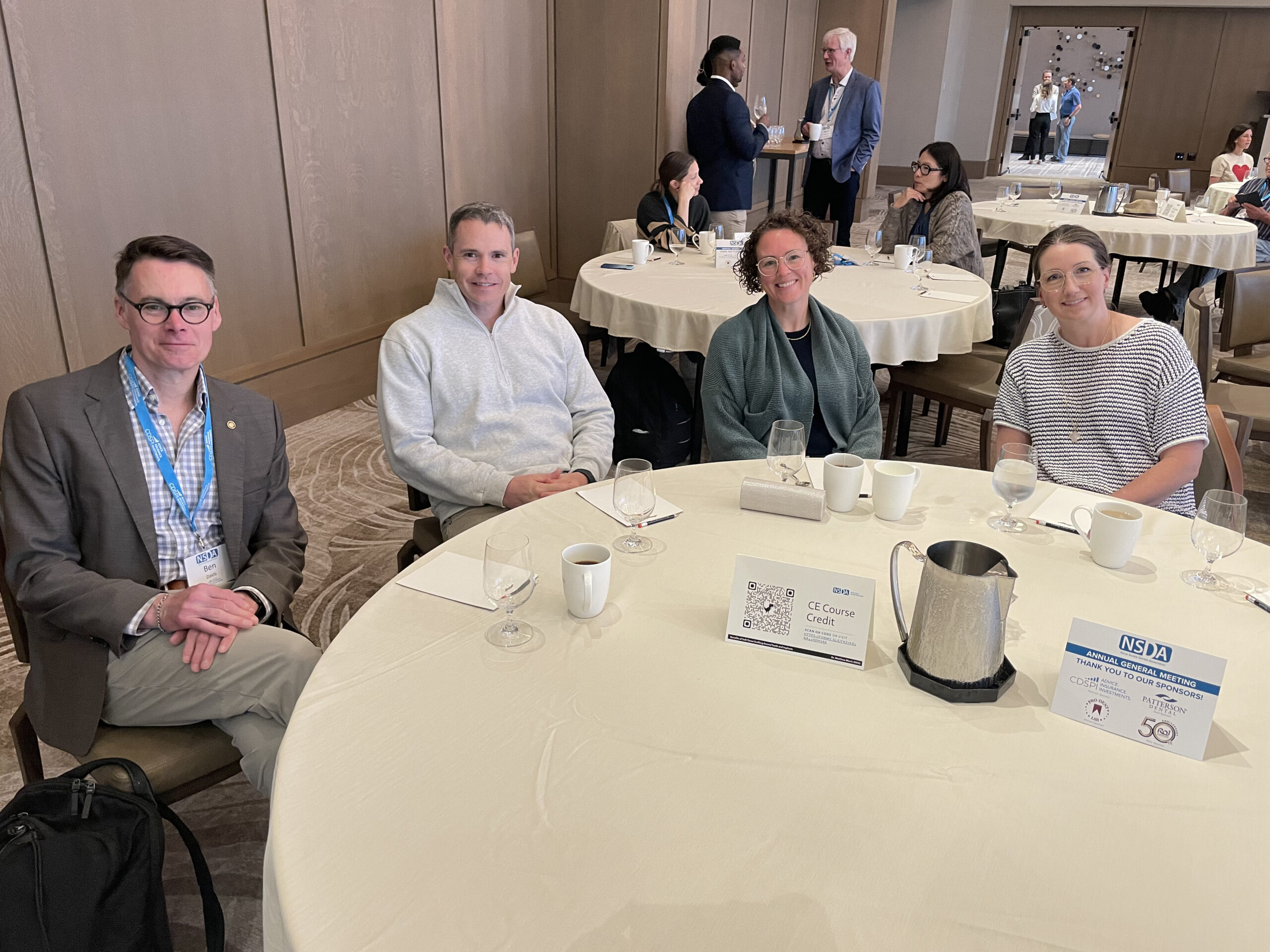
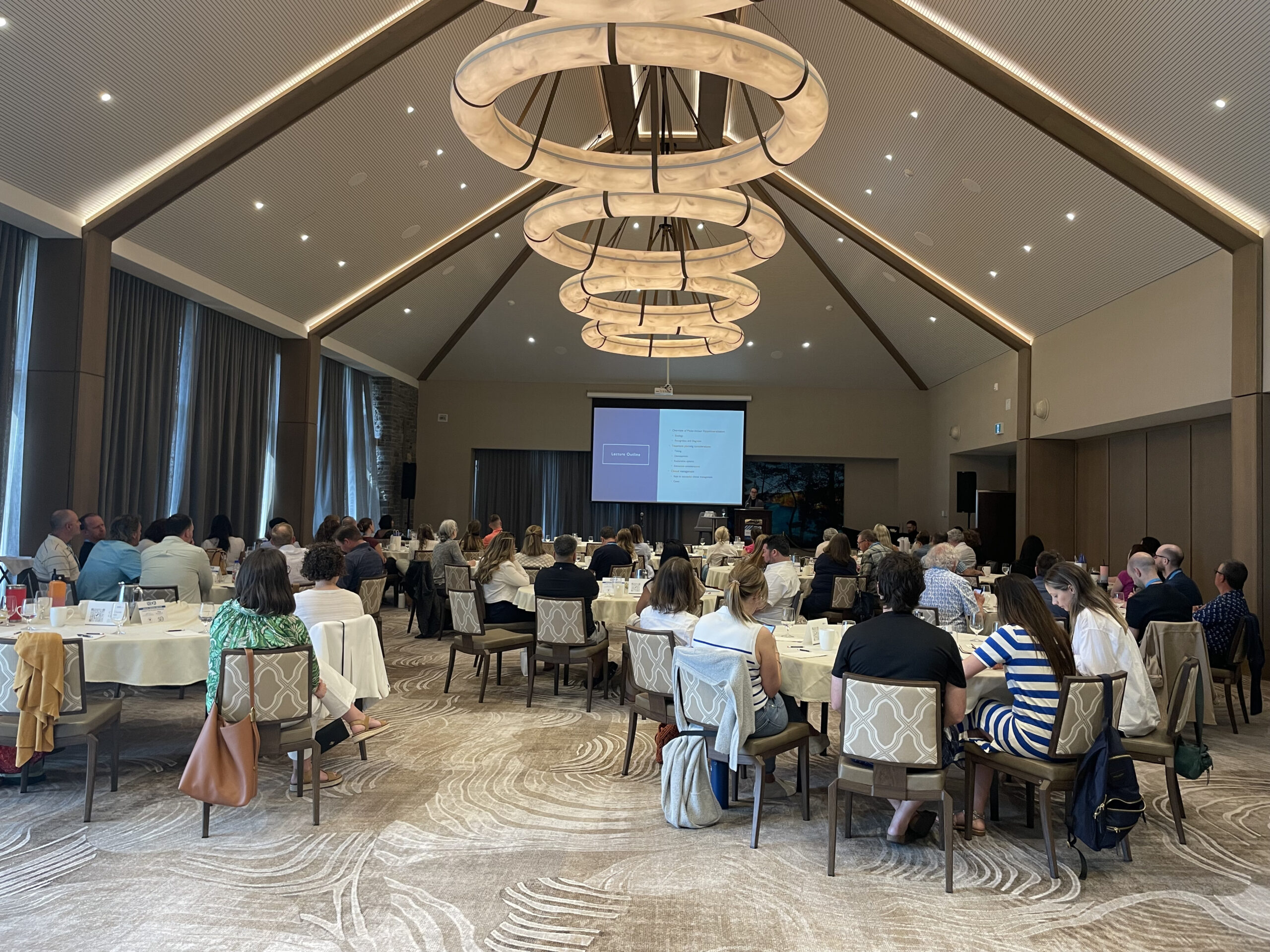
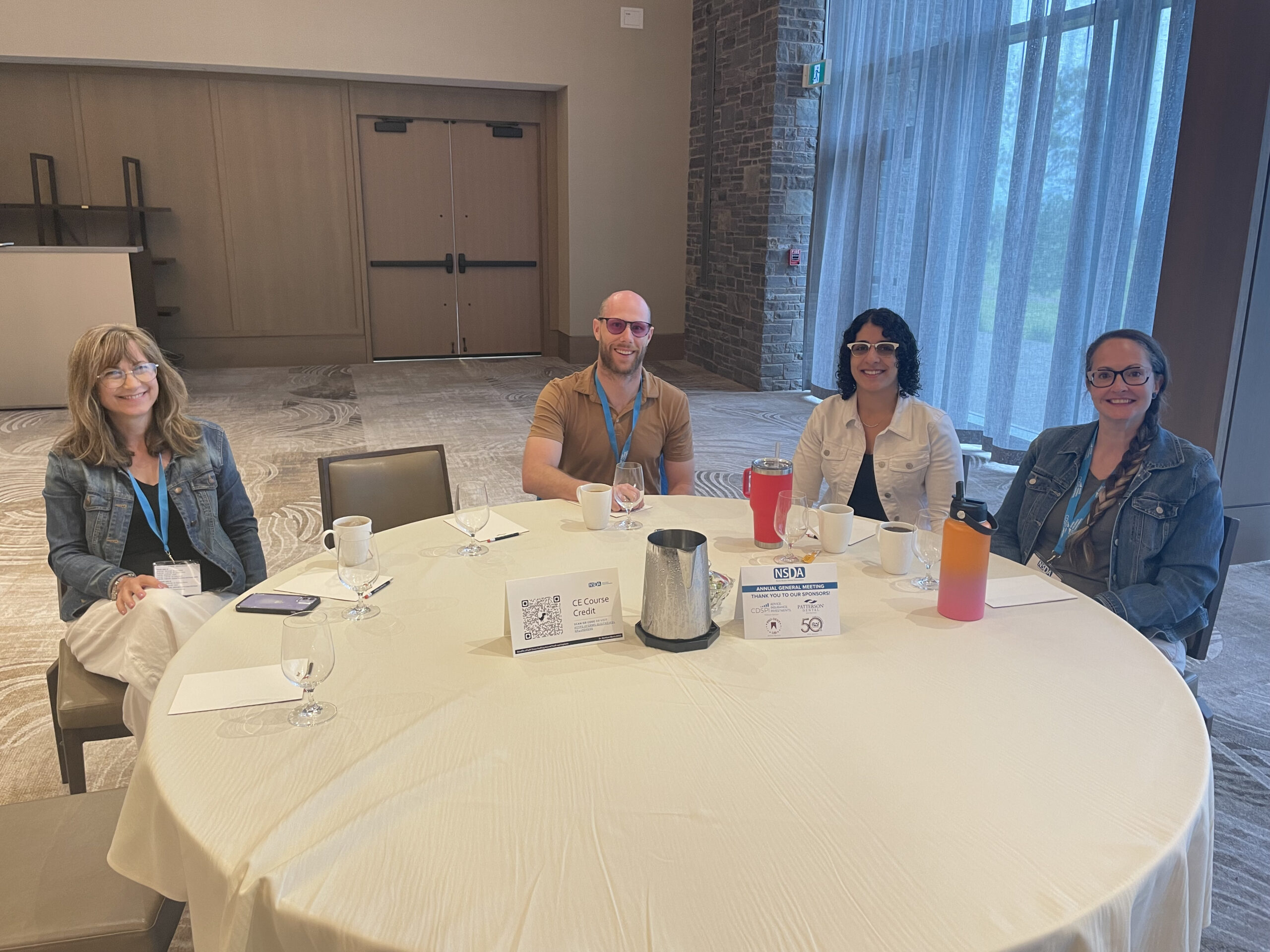
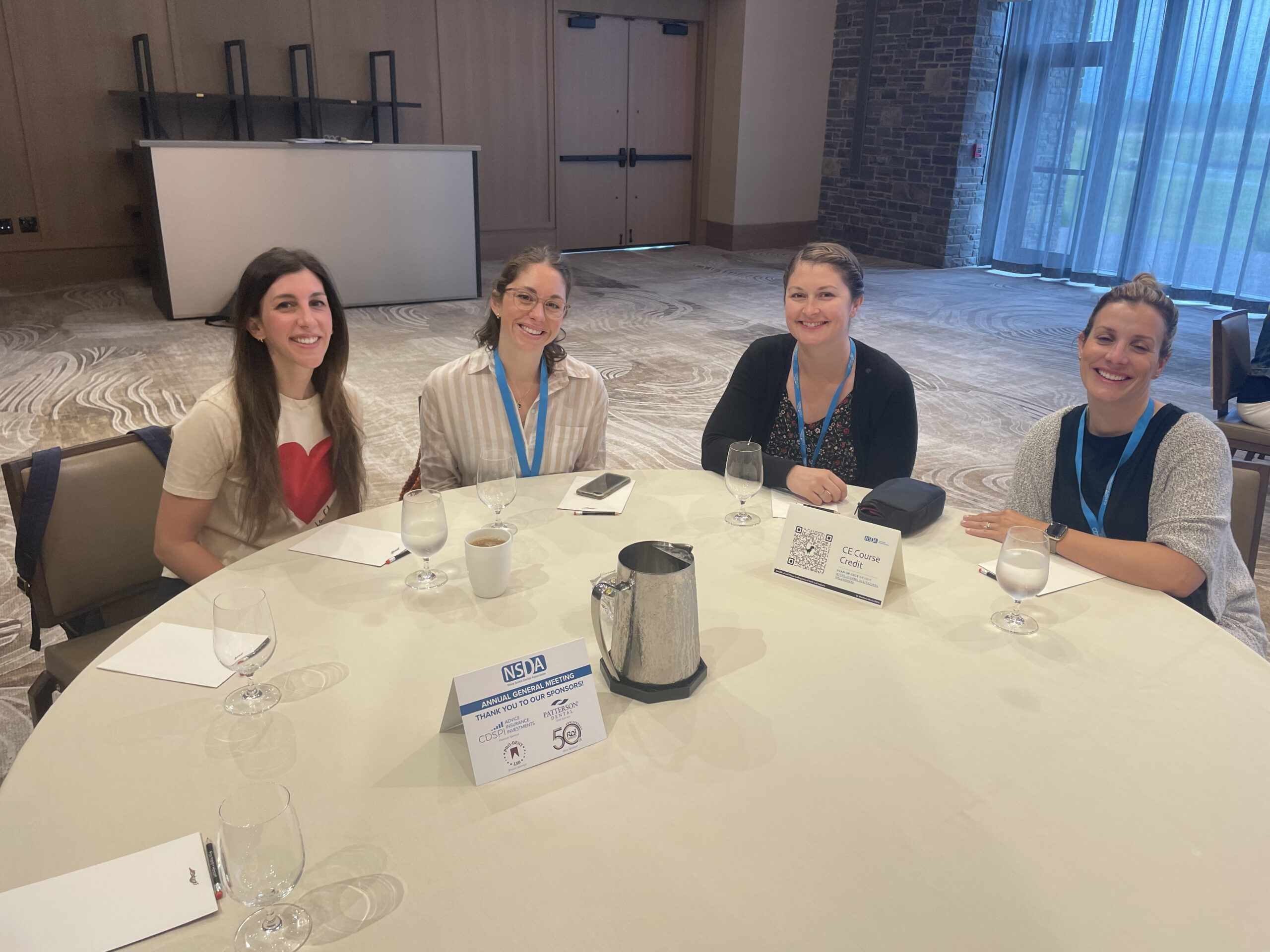
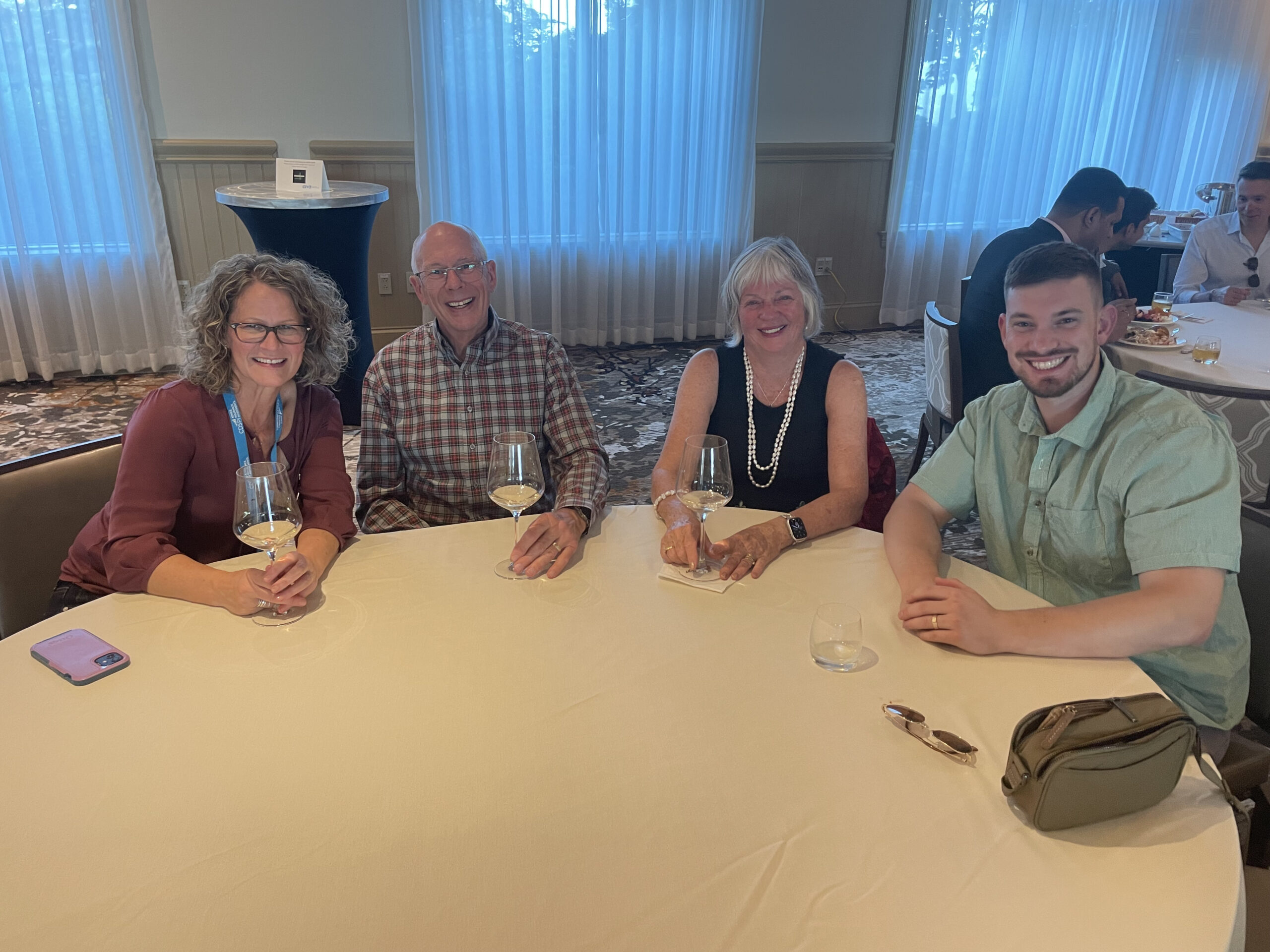
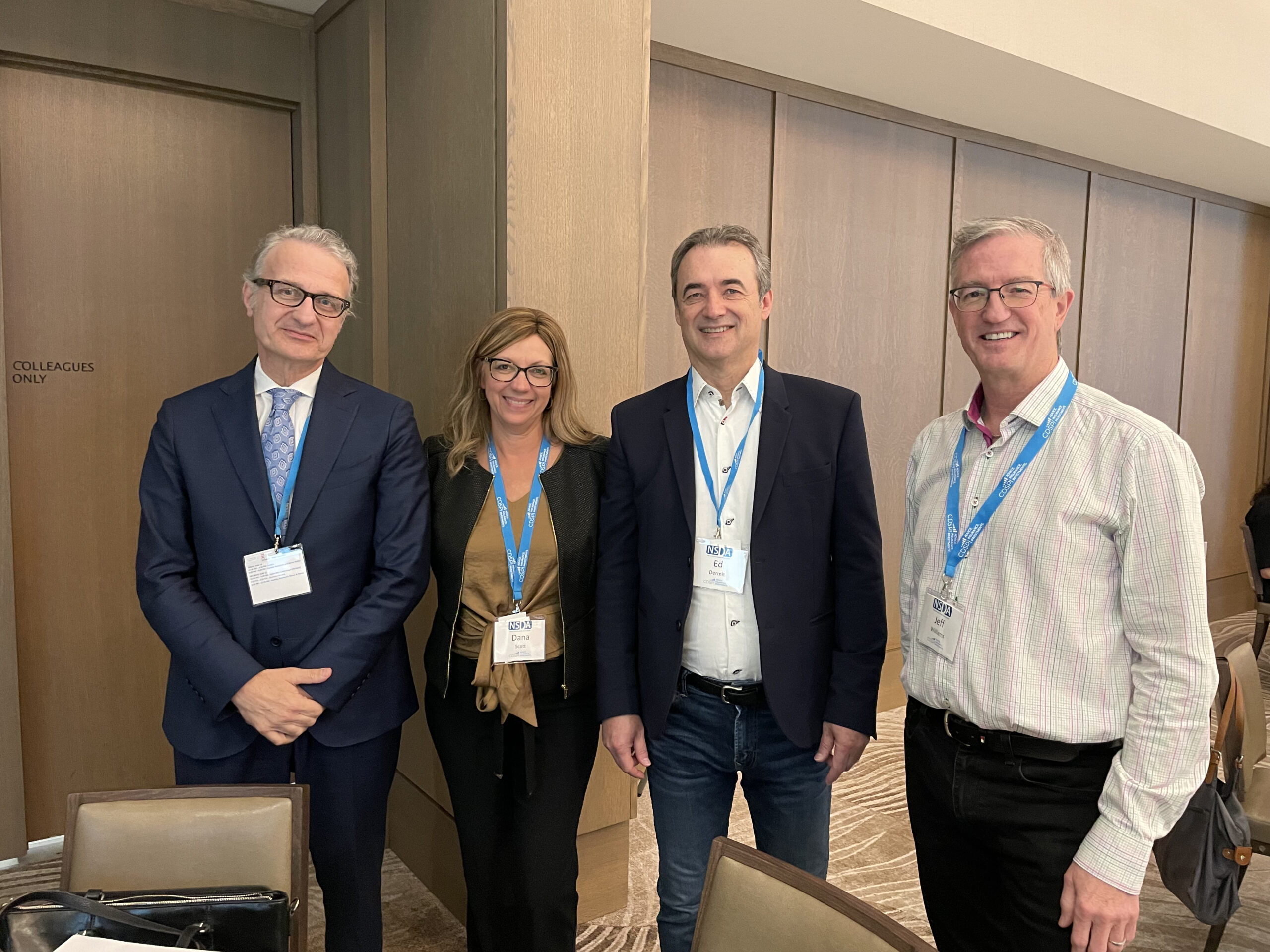
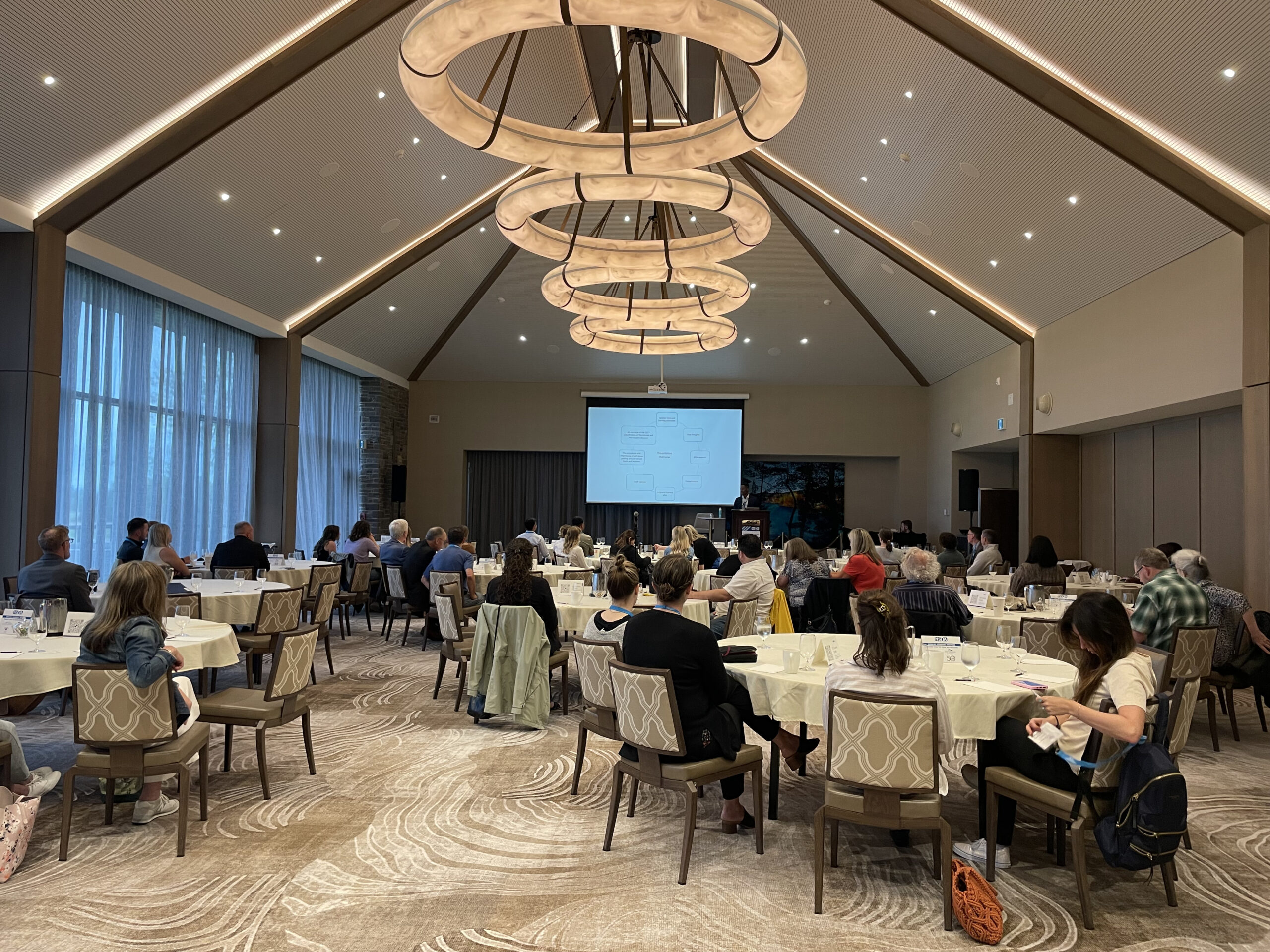
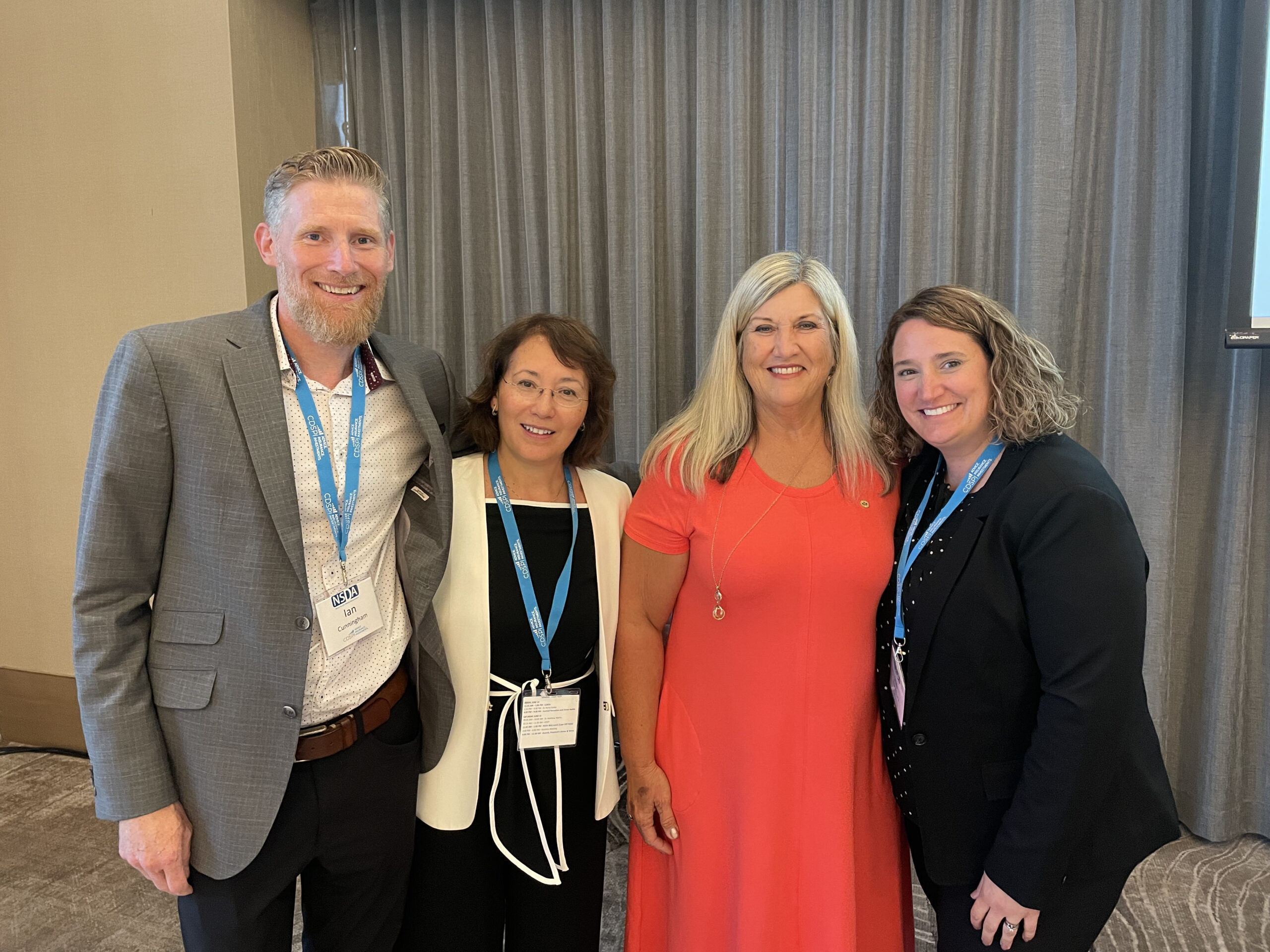
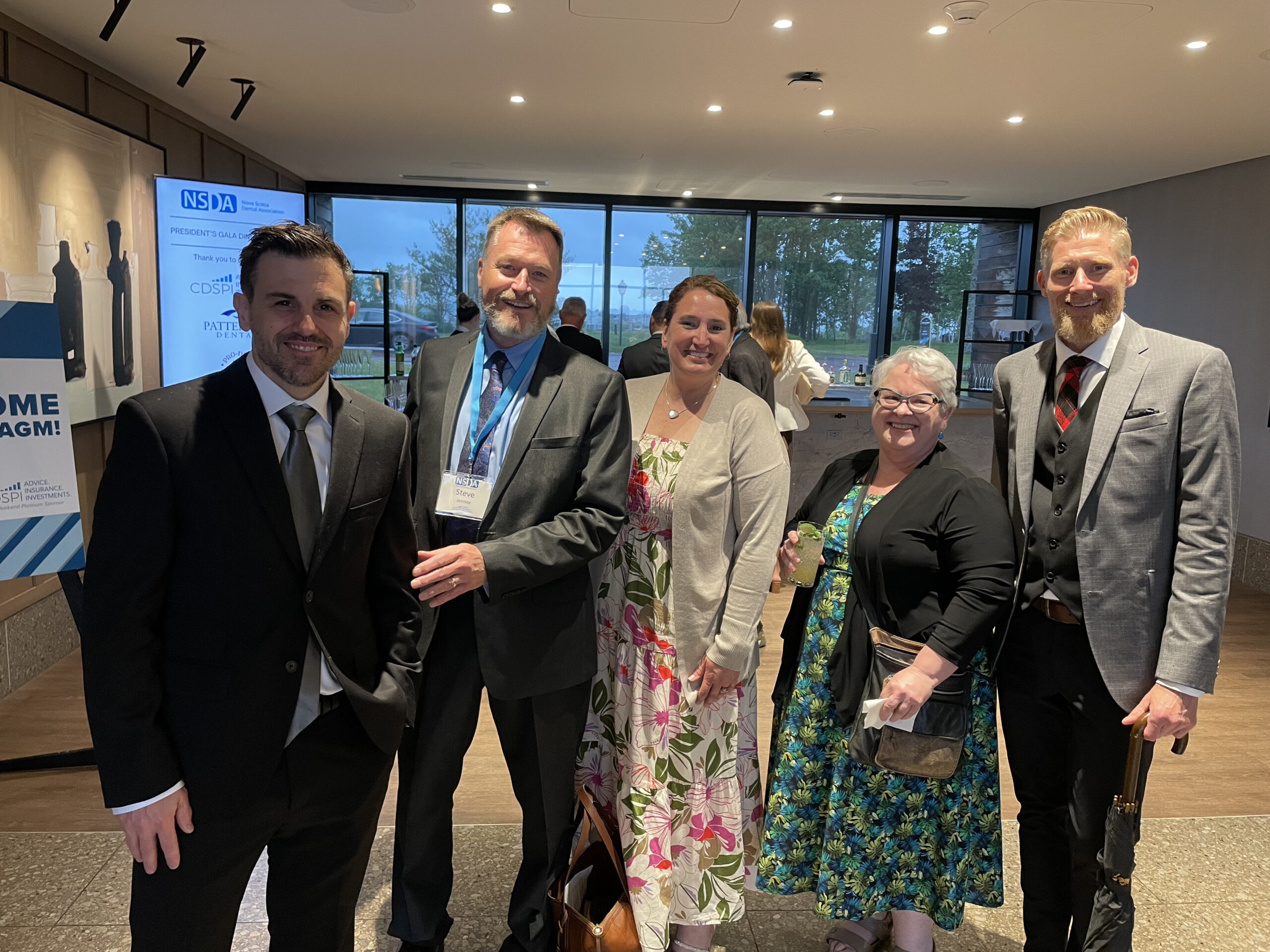
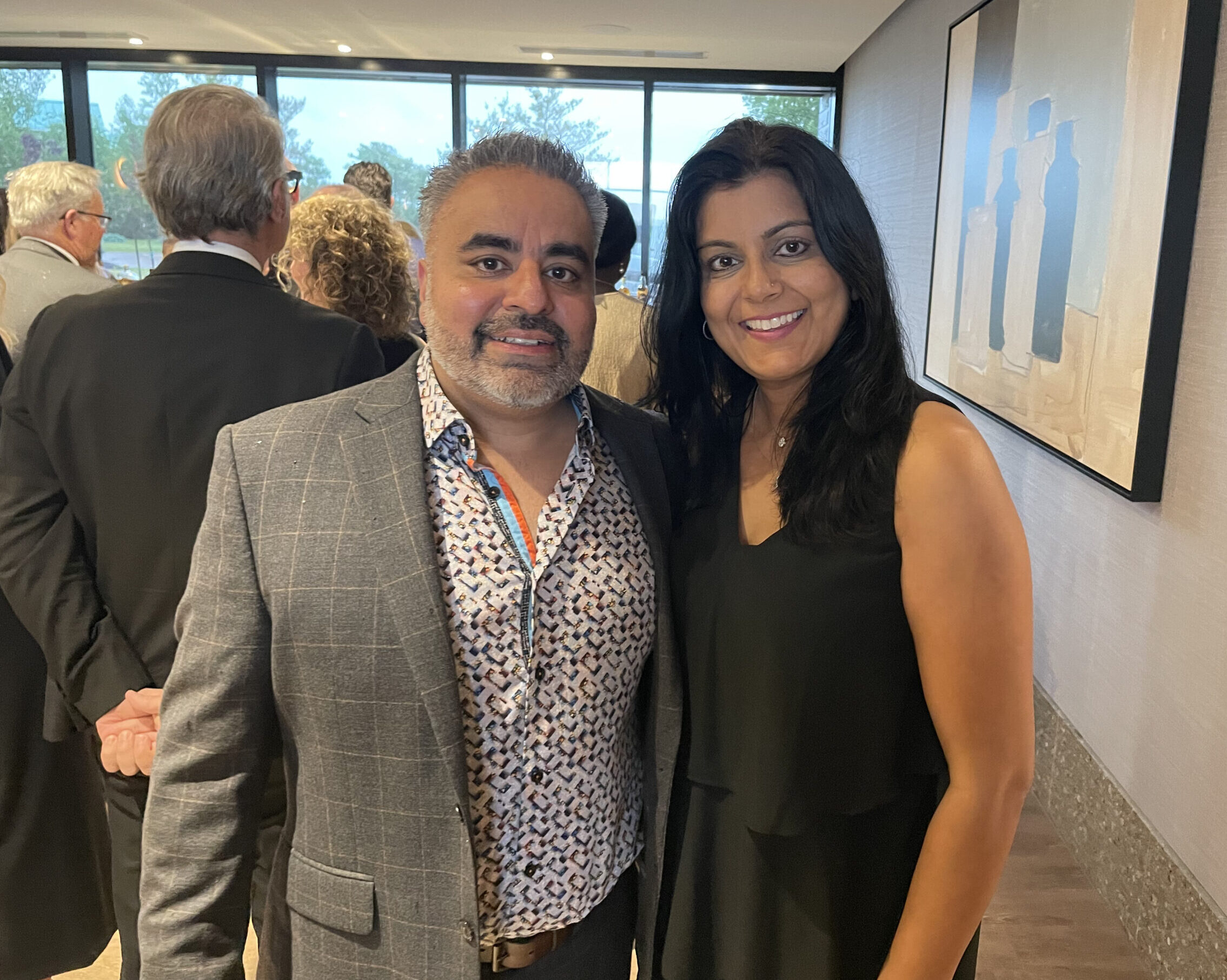
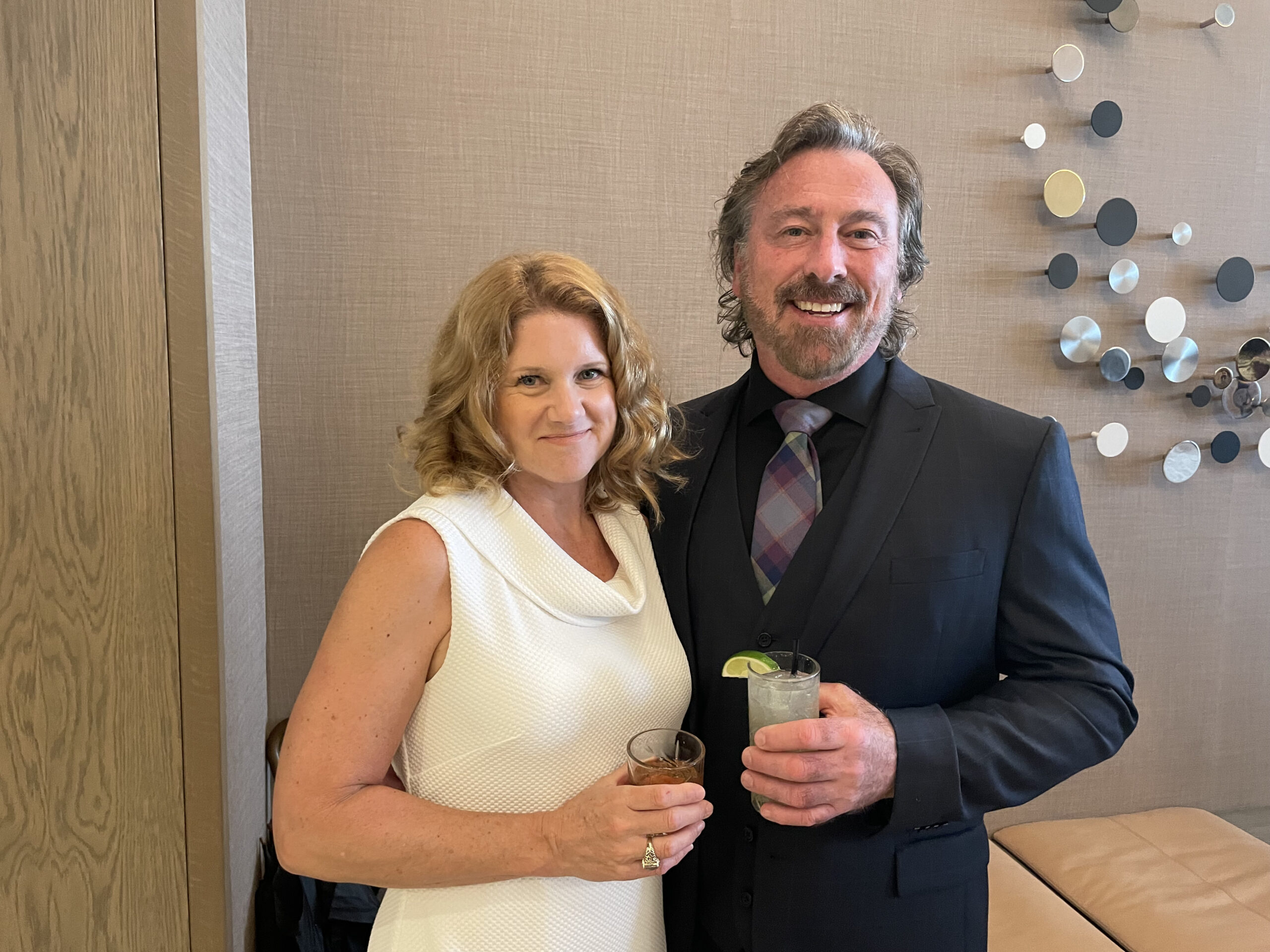
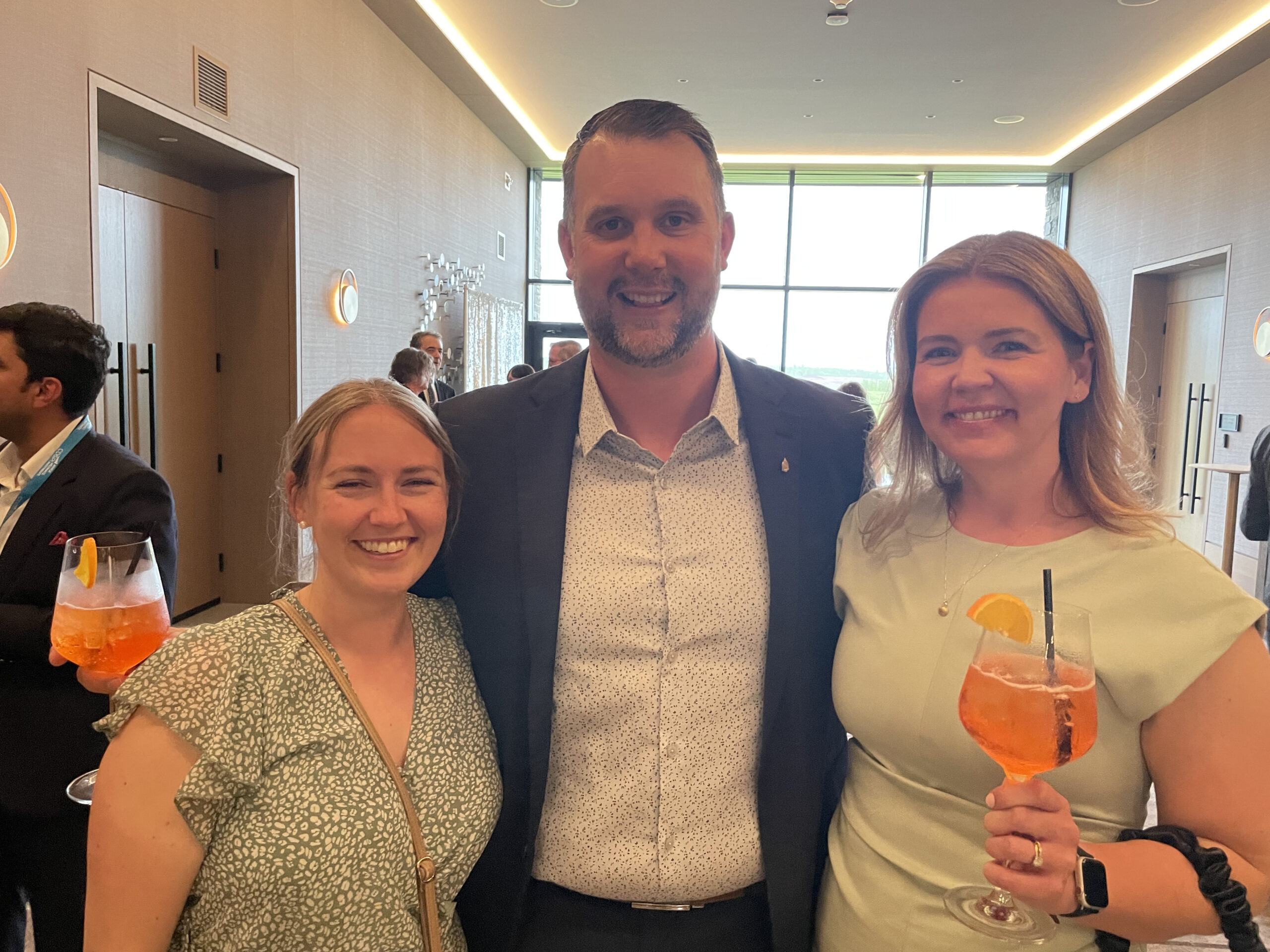
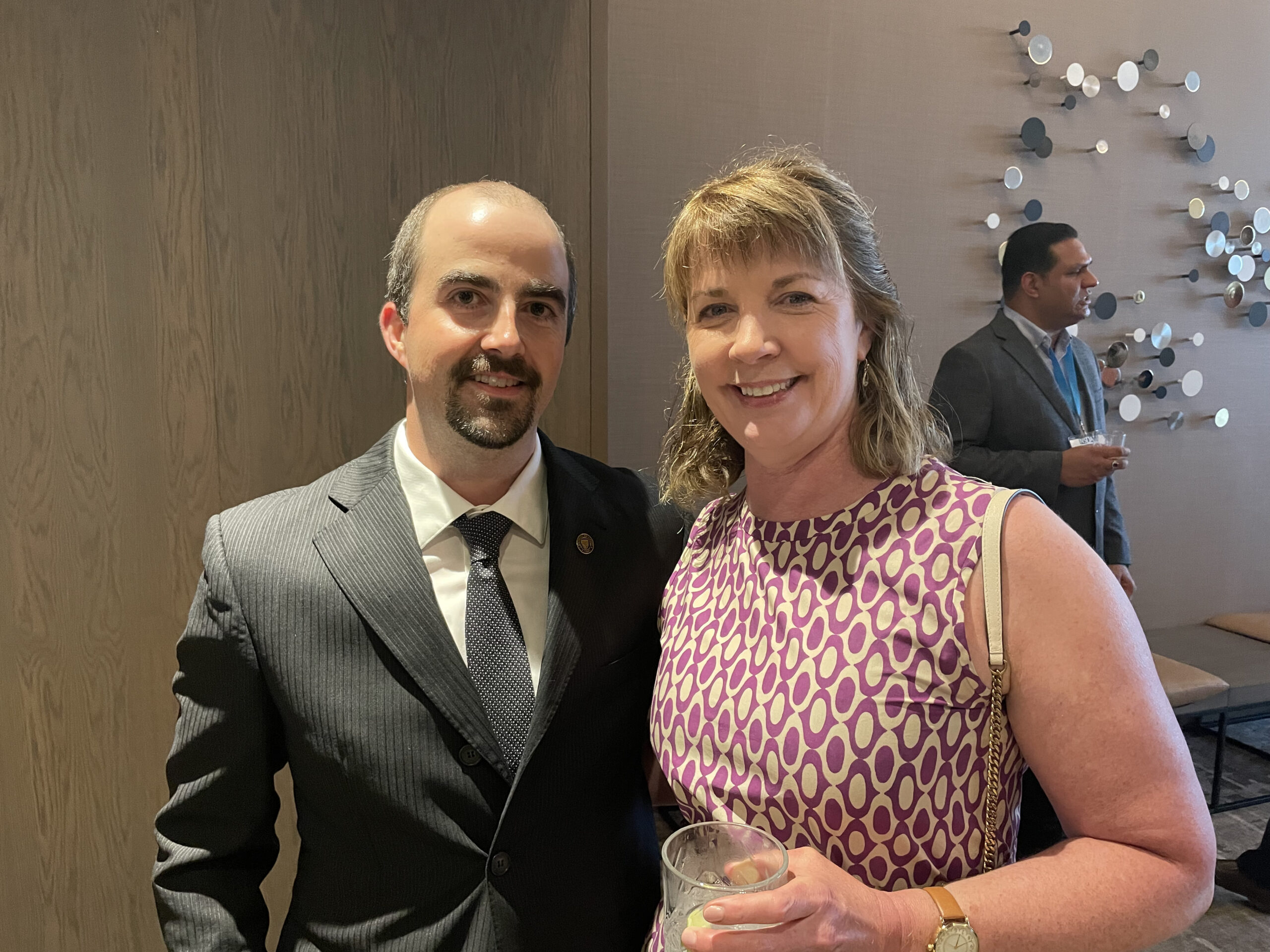
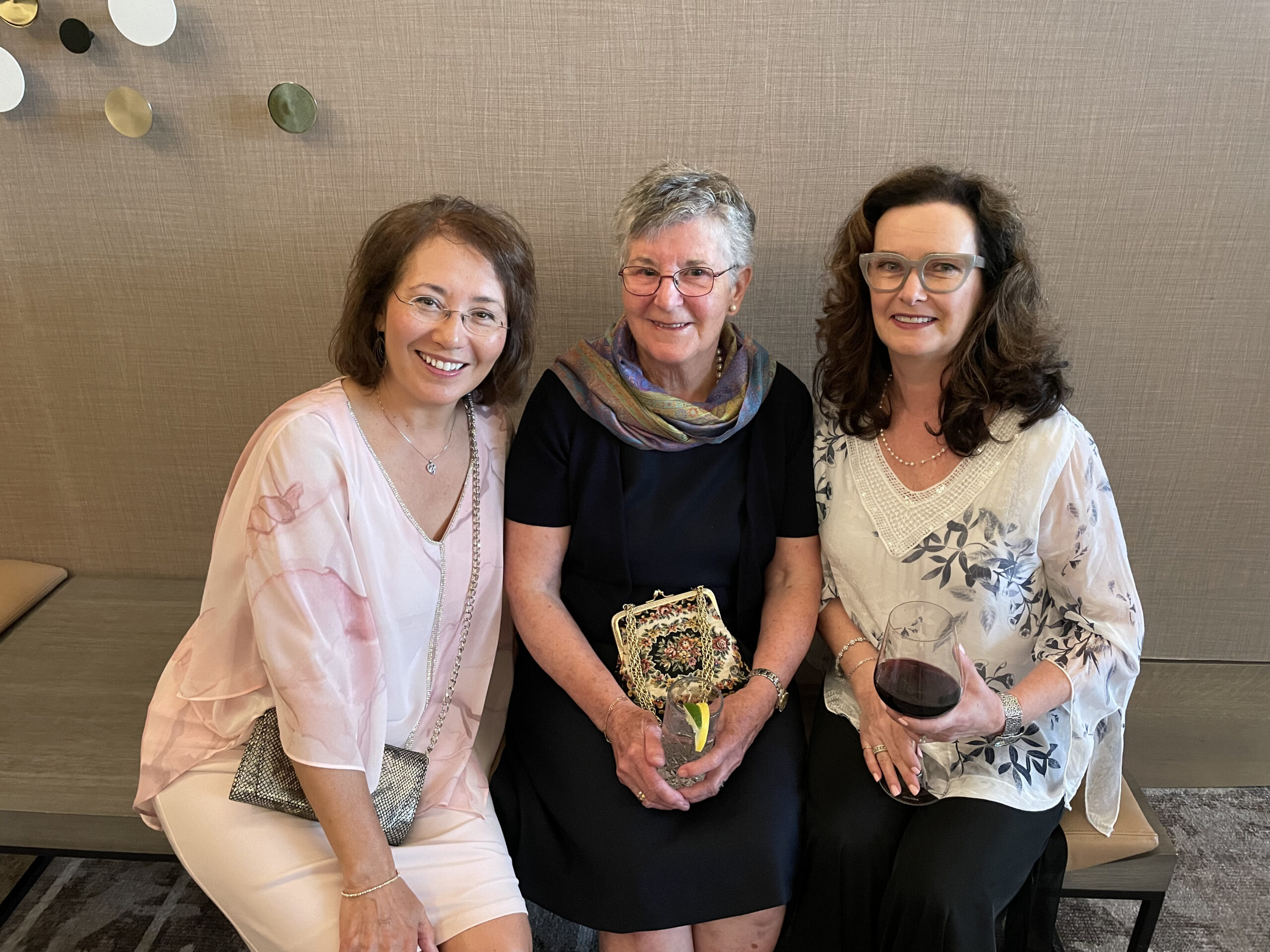
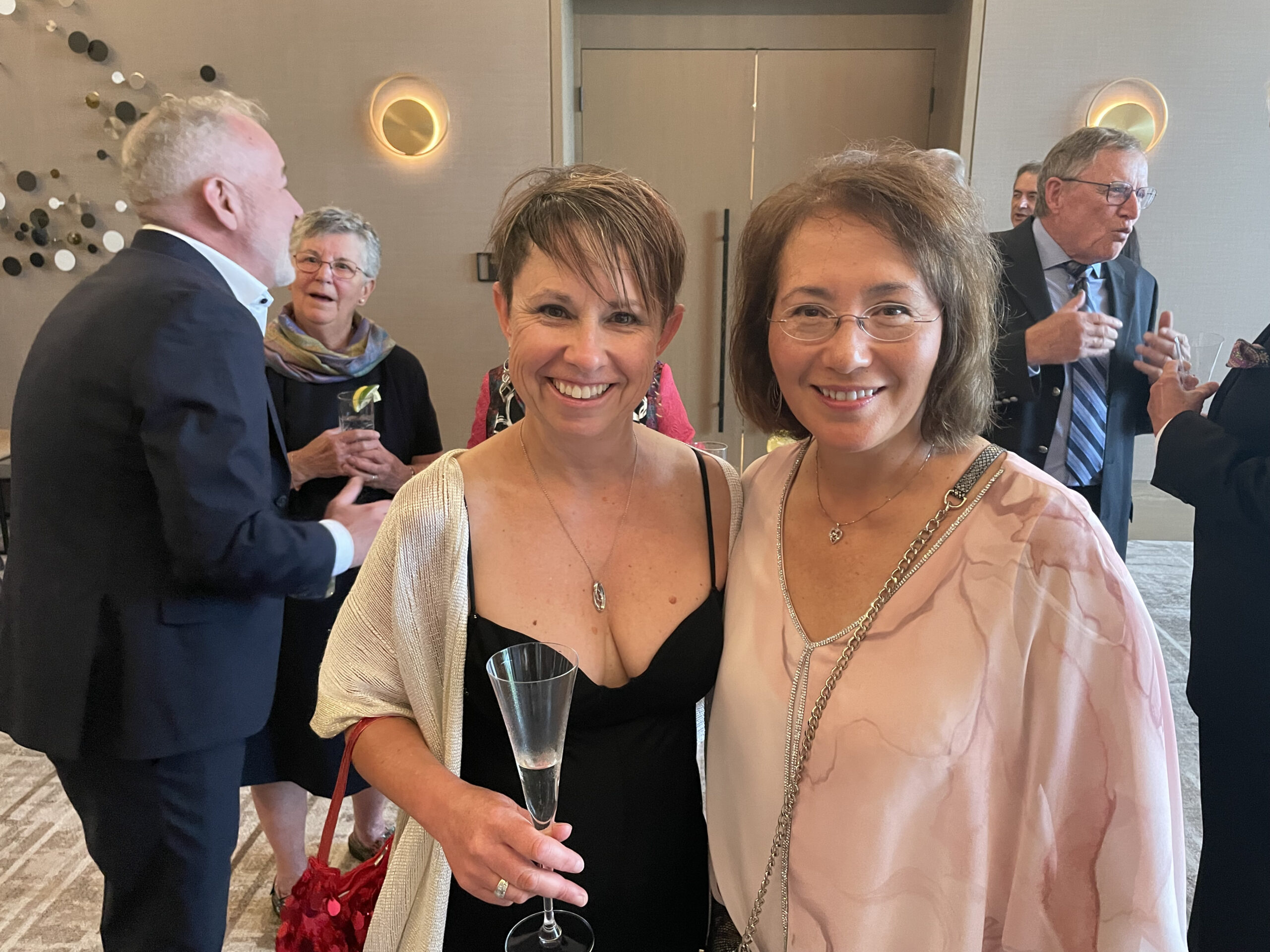
    Please find below a collection of photos from the 2024 NSDA AGM!
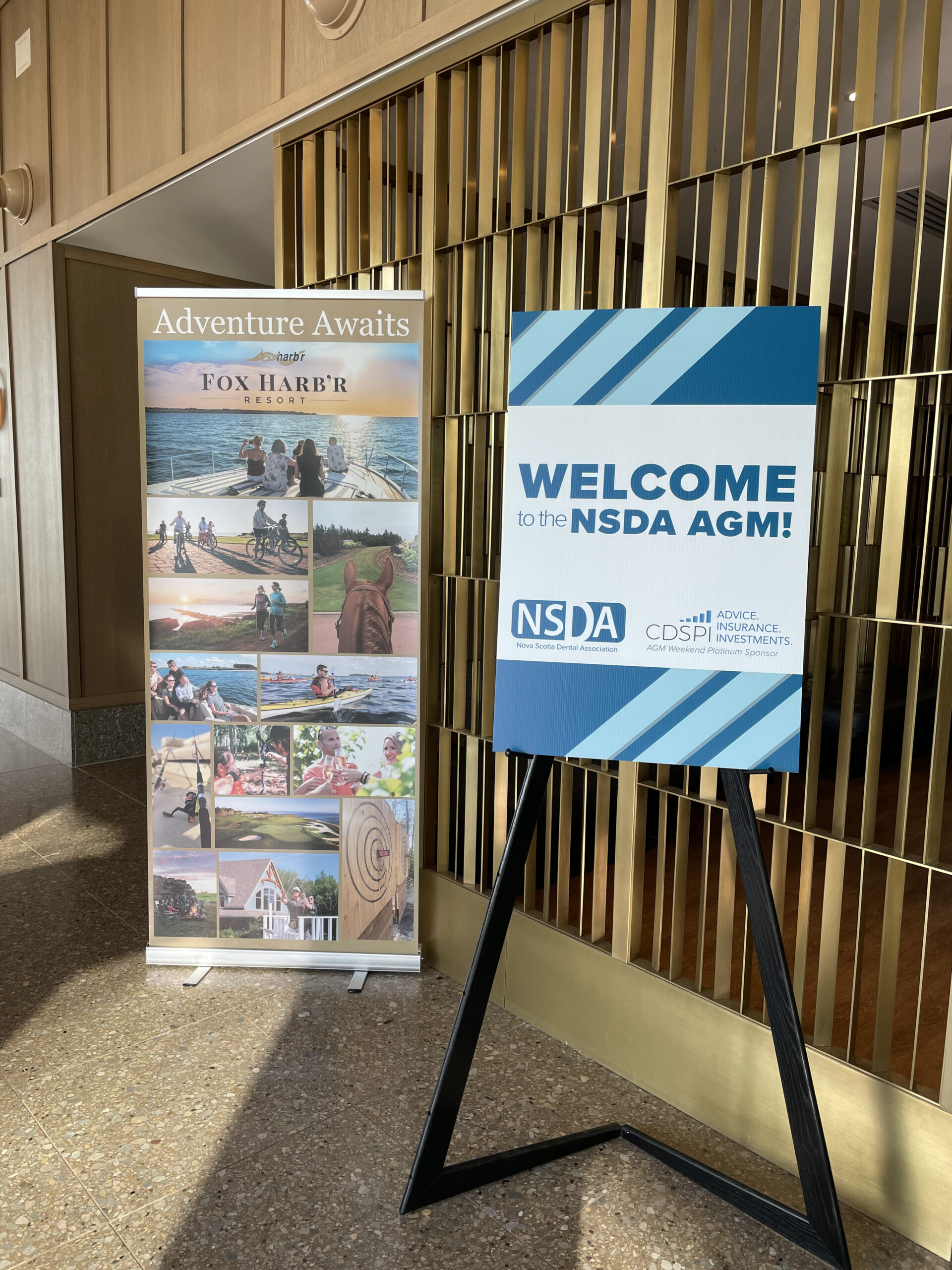

    Thank you to our sponsors!

    Platinum Sponsor


    Gold Sponsor

    Bronze Sponsor

    Saturday Night Wine Sponsor


    Friday Night Drink Sponsor
  • Dr. Claire Karst installed as NSDA President for the 2024-2025 year

    The Nova Scotia Dental Association (NSDA) is pleased to announce Dr. Claire Karst as the new association President for the 2024-2025 year!

    Born and raised in Newfoundland, Dr. Karst received her Doctor of Dental Surgery degree from Dalhousie University in 1990. The following year, she founded Elmsdale Dental Clinic, where she currently practices alongside her brother, Dr. Andrew Kim.

    A member of the East Coast Endodontic Study Club, Dr. Karst is keenly invested in continuing dental education and completed studies in occlusion using the Pankey Philosophy in 2007. She is also an active volunteer with the NSDA, serving on the Nominations and Fee Guide Committees, as well two terms on the NSDA Governing Council. Additionally, Dr. Karst served six years with the Provincial Dental Board of Nova Scotia (PDBNS) on the Complaints Committee.

    In her free time, she enjoys spending time with friends and family, cooking, and travelling.

    The NSDA would also like to congratulate the following recipients for their exemplary service to the profession and community this past year:

    Don Pamenter Friend of Dentistry Award:
    Ms. Francine Leach

    NSDA Community Service Award:
    Dr. Grace Richardson

    T.D. Ingham Volunteer Award:
    Dr. Asile El-Darahali
    Dr. Mike Salyzyn

    NSDA Award of Excellence:
    Dr. Tammy Wright

    Dr. Philip S. Christie Award for Distinguished Service:
    Dr. Scott MacLean

  • Cyber hygiene: Protecting dental practices in the digital age

    Cyber hygiene: Protecting dental practices in the digital age

    Contributed by CDSPI

    In busy dental practices, where the whirl of drills, the hum of suction, and the murmur of voices fill the air, an unexpected concern has emerged: cyber hygiene.

    While it may seem odd to link dental care to the care of digital assets, it is a vital connection to make in today’s world. Just as you emphasize the importance of brushing, flossing, and regular check-ups to maintain oral health, so, too, must you prioritize the fundamentals of cyber hygiene to safeguard digital operations.

    In essence, cyber hygiene is about cultivating a structured and intelligent environment that mitigates the risks of external threats without requiring constant IT intervention. It’s akin to preventive care in dentistry — taking proactive measures to ward off potential issues before they escalate into serious problems. By adhering to cyber hygiene best practices, dental offices can not only protect sensitive patient data, but also ensure smooth operations without the constant fear of cyber attacks looming overhead.

    Cyber hygiene is foundational to both cybersecurity and cyber resilience. While cybersecurity guards against threats, cyber resilience improves an organization’s ability to recover and resume normal operations after a security breach. Cyber resilience strategies involve cybersecurity, incident response, business continuity, and disaster recovery.

    So, what are these best practices dental offices should be adopting?

    1. Implement automated backup systems

    First and foremost, dental practices must prioritize the implementation of robust automated backup systems. No longer is manual backup sufficient in the age of sophisticated cyber threats. By leveraging automated backup solutions, such as reputable cloud services, practices can ensure that vital information remains protected even in the event of a breach or system failure. This not only safeguards patient records and sensitive data but also frees up valuable time for dental staff to focus on patient care.

    2. Embrace risk management

    In the ever-evolving landscape of cyber threats, risk management is paramount. Dental practices must anticipate potential vulnerabilities and have strategies in place to mitigate them effectively. From identifying potential points of entry for cyber attackers to developing response plans in the event of a breach, proactive risk management can significantly bolster the resilience of a practice’s digital infrastructure.

    3. Control access

    Access control is another crucial aspect of cyber hygiene. Dental practices must invest in tools and services that automate authentication processes and monitor access to sensitive information. By enforcing strict access controls, practices can minimize the risk of unauthorized access and swiftly identify any anomalies or suspicious activity within their systems.

    The granting of administrative privileges should be approached with caution and diligence. Practices must implement processes to assess the necessity of such privileges, determine their validity period, and enforce multiple authentication factors for added security.

    Moreover, it’s essential to have mechanisms in place to revoke privileges promptly when they are no longer needed, ensuring access remains tightly controlled at all times. One common example is when temporary reception staff are brought in to the practice. Allowing these individuals limited access is necessary so they can perform their role, but imposing limits to what they can access and revoking privileges when they leave is critical for maintaining the integrity of the practice’s digital security.

    By carefully managing administrative privileges, dental practices can minimize the risk of unauthorized access and potential breaches of sensitive information. This approach not only protects patient confidentiality, but also preserves the trust and reputation of the practice. In an era where data breaches and cyber threats loom large, proactive measures such as these are essential for safeguarding the digital assets of dental practices and ensuring the continued delivery of quality care to patients.

    4. Train employees

    Individuals play a crucial role in maintaining the security of the practice’s digital assets. Encourage employees to create strong, complex passwords and consider utilizing password management tools to securely store and manage credentials. Simplistic or recycled passwords are practically an open invitation to malicious hackers. Create a company password policy to protect enterprise security by establishing rules, requirements, and expectations around user credentials.

    Emphasize the importance of regularly updating passwords and avoiding the reuse of passwords across multiple accounts to minimize the risk of credential compromise.

    5. Use MFA

    Multi-factor authentication (MFA) has become an industry standard in cyber hygiene and is required to qualify for cyber insurance. MFA requires two or more authentication factors, such as a password and a one-time code sent to the user’s mobile device or email address. Rather than just asking for a username and password, MFA requires one or more additional verification factors, which decreases the likelihood of a successful cyber attack.

    6. Update software

    Having the latest security software, web browser, and operating system are the best defenses against viruses, malware, and other online threats.

    As companies increasingly digitize their businesses and automate operations, unpatched or end-of-life software present significant cybersecurity threats. A recent survey revealed that 60% of breach victims said their breach’s cause was an unpatched known vulnerability. Once considered optional, software patching has become vital due to the increasing frequency and costs of cyber incidents that result from these exposures. The good news is that once vulnerabilities are known, patches are routinely made available quickly.

    7. Email security

    Educate employees about the dangers of phishing attacks and the importance of exercising caution when opening emails from unfamiliar or suspicious sources. Likewise, warn against downloading software or files from untrusted sources, as these can often harbour malware or other malicious threats.

    Remember: Good cyber hygiene isn’t a set-it-and-forget-it proposition. Rather, it encompasses an array of habits, practices, and initiatives on the part of organizations and their users, with the goal of achieving and maintaining the healthiest possible security posture.

    Bottom line

    Regardless of the preventative measures you take, a determined cyber criminal may one day access your systems. This is why it is crucial to have cyber insurance in place.

    Cyber attacks and breaches are increasing, becoming more costly and damaging. CDSPI is in the business of protecting dentists and their practices and have addressed this need by introducing CDSPI Cyber Insurance. Cyber insurance can help your business financially recover if devices or documents are lost or stolen, or if computer networks are breached, leading to information being stolen or ransomed, business operations interrupted, or computer systems corrupted. Visit cdspi.com/insurance/cyber to learn more.

    While insurance can defray many costs of a security breach, only tight security and good cyber protection practices can protect your practice from attack. In essence, cyber hygiene is the cornerstone of digital security for dental practices in today’s interconnected world. Just as proper oral hygiene is essential for maintaining a healthy smile, so, too, is diligent cyber hygiene crucial for safeguarding sensitive patient data and preserving the integrity of dental operations. By implementing robust security measures, prioritizing risk management, promoting cyber awareness among staff, and protecting yourself with cyber insurance, dental practices can ensure their digital infrastructure remains resilient in the face of evolving cyber threats. After all, in the world of dentistry, prevention is always better than cure — and the same holds true for cyber hygiene.

    The information provided in this article is for general informational purposes only and is not intended to replace or serve as substitute for any professional advice. Consult with a professional advisor for advice concerning matters specific to your situation before making any decisions.

    Best practices for your practice

    1. Back up your data
    2. Have a risk management strategy. Know your legal requirements and obligations
    3. Grant limited access rights
    4. Provide training to employees
    5. User multi-factor authentication
    6. Use security software and update /patch regularly
    7. Implement email security
    8. Protect your practice with CDSPI Cyber Insurance

    The CDSPI Cyber Insurance program is exclusively distributed by BFL CANADA Risk and Insurance Services, Inc., and underwritten by Beazley Canada Limited. The CDSPI Cyber Insurance Program is not available to residents of Québec.

  • Getting to the root of dental staff shortages

    Getting to the root of dental staff shortages

    By Samantha Ashenhurst
    NSDA Communications Manager

    As the old proverb goes, “an ounce of prevention is worth a pound of cure,” and this is certainly true in dentistry. Indeed, proper preventative care is the most important step patients can take for a lifetime of good oral health. This includes daily brushing and flossing, and, of course, regular checkups.

    For dentists, key to your ability to provide patients with consistent checkups is a strong team. From front office staff to dental hygienists to dental assistants, teamwork truly makes the dream work in the clinic. Everyone has a role to play and every role is vital.

    Unfortunately, however, many practices in Nova Scotia are facing challenges when it comes to finding (and retaining) registered dental assistants and registered dental hygienists. A quick glance at the NSDA Job Bank confirms this in real-time, with dozens of clinics across the province urgently posting openings for these roles each and every week.

    Worse still, for some clinics, being understaffed is disrupting patient care. In a 2022 Census Survey of dentists, 50% of Nova Scotia dentists reported needing to cancel at least one appointment per month due to unavailability of staff.1

    As the Canadian Dental Care Plan (CDCP) and its influx of potential patients looms, it is essential for the industry to address the issue of staff shortages and strategize what can be done to fix it.

    Planting dentistry seeds

    Key to increasing the number of working dental assistants and hygienists in the province is promoting these careers as good options for those seeking work, says Ramona Buda, Chief Operating Officer for CBBC Career College, which offers a dental assisting diploma program.

    “Building campaigns that highlight the job duties, work/life balance, and the importance of dental assistants in the healthcare sector can help undecided individuals consider this career path,” Buda tells Nova Scotia Dentist.

    Due to regulatory requirements, dental assisting class sizes at CBBC are limited to 18 students, with three intakes scheduled throughout the year. However, if demand for the program grows, the college has the flexibility to increase the number of intakes to accommodate more students.

    To maximize the program’s reach, the college now offers two learning options for prospective dental assistants: An in-person class in Sydney and a distance education class suitable for students in HRM or rural Nova Scotia. With these programs, students can obtain a diploma in less than a year.

    Increasing opportunity further, Dalhousie is readying to launch a new dental assisting program in Halifax, says Leigha Rock, Director of the Dalhousie Dentistry School of Dental Hygiene.

    “Training dental assistants in-house will help us to provide skilled support for our own clinics and for other professional practices in Nova Scotia,” she says. “We hope to accept the first students into this program in 2025.”

    In the workplace

    While access to education is one piece of the puzzle, so, too, are competitive wages and employee benefits.

    “The most common concern we hear from our dental hygiene grads as they enter the workforce is the size of their debt load,” Rock says. “They are also looking for good conditions and a supportive work environment, but repaying their debt as quickly as possible is high on their list of priorities.”

    There is also the issue of grads opting to pursue work outside of the province once they graduate. To help address this trend, the Dalhousie School of Dental Hygiene recently implemented priority admissions for students who are residents of Nova Scotia.

    “The hope is that these students will be more likely to remain in Nova Scotia to practice,” Rock explains.

    Long-term, an industry-wide appeal for tuition support from the Government of Nova Scotia may also help keep homegrown talent in province, as well as ease financial burden for new grads.

    “Addressing training costs could make the profession more accessible to potential students,” Buda says. “As seen with pilot projects in Nova Scotia like the free tuition for Continuing Care Assistants, removing the burden of training costs can significantly increase interest in the profession.”

    Team spirit

    When it comes to staff retention, Buda explains, there are many tactics dentists and office managers can explore.

    “Improving staff retention requires a multi-faceted approach that focuses on creating a positive workplace culture and providing opportunities for growth and development,” she says. “One key piece of advice for dental professionals is to ensure that everyone feels like a valued member of the team. Regular check-ins from dentists and office managers can go a long way in fostering this sense of belonging and open communication.”

    Rock agrees, adding that it’s also important to utilize staff members’ complete skillsets.

    “Feeling valued by peers, employers, and clients is important to job satisfaction,” she says. “[Dental hygienists] are also looking for opportunities to practice to their full scope of practice, with decision-making authority over dental hygiene assessment, treatment planning, delivery of services, and treatment.”

    Offering training opportunities and promoting from within is another effective strategy for building a strong, dedicated team.

    “If a receptionist, for example, shows potential, offering to sponsor his or her education to become a dental assistant or dental hygienist in exchange for a three-year employment commitment can be a win-win-win solution,” Buda says. “Not only does this help retain talented staff, but it also creates a pathway for career advancement within the practice.”

    “Providing opportunities for professional development and advancement within the practice can motivate employees and demonstrate a commitment to their growth,” she continues. “Mentoring programs, regular feedback, and creating a positive work environment that fosters learning and collaboration can help ease the transition for new graduates and set them up for success in their careers.”

    Reference
    1 Impact Economic Consultants NSDA Census Survey (2022)

  • What’s new with the NIHB Program?

    What’s new with the NIHB Program?

    Article supplied by Indigenous Services Canada

    Removal of predetermination requirement for replacement of selected partial dentures!

    Effective Feb. 5, 2024, a predetermination is no longer required for the replacement of selected partial dentures provided that the existing partial denture meets its frequency eligibility, as per the NIHB Removable Prosthodontic Policy:

    • Partial acrylic dentures are covered once in any five (5) year period (60 months) per arch.
    • Partial cast dentures are covered once in any eight (8) year period (96 months) per arch.

    However, a predetermination continues to be required for the initial placement of removable partial dentures.

    The current NIHB Regional Dental Benefit Grid with the detailed list of procedure codes, errata, and amendments, as well as the latest updates, are all available on the Express Scripts Canada NIHB Provider and Client Website (nihb-ssna.express-scripts.ca/en > provider > dental). Upon entering the Dental Benefit Grids, choose the current year and the desired province/territory to view the grid corresponding to the applicable provider specialty (e.g. GP/SP, HY, DN, and OS).

    Want to know more about the NIHB Program dental coverage policies, guidelines, and criteria? Please consult the most current version of the NIHB Dental Benefits Guide at canada.ca/nihb-dental > dental benefits guide.

    Being enrolled with the NIHB Program comes with benefits!

    • Website and online services: Providers have the option of creating a secure web-based account through the Express Scripts Canada NIHB Provider and Client website. To create a secure web account, please visit: nihb-ssna.express-scripts.ca/en/provider > online enrolment > new NIHB provider > create account.
    • Predetermination (PD) submissions: Enrolled providers now have the option to submit dental and orthodontic PD requests using their online NIHB Web Account.
    • Direct deposit: A free and secure electronic payment service that directly deposits claim payments into the provider’s designated bank account on the day payment is issued.  Payments will be issued ever two weeks.
    • Electronic Data Interchange (EDI): A point-of-service claim submission service which submits claims electronically and directly from the provider’s software in real time, acknowledging the result of the claim immediately.

    For any questions about the enrollment process or status, or any other technical support with the website, providers may contact ESC’s dedicated NIHB Program call centre for providers at 1-888-511-4666.

    NIHB client identification information

    First Nations clients will need to provide one (1) of the following to their dental provider:

    • Indian Status Card* or an official letter marked ‘Certificate of Indian Status’
    • NIHB Client Identification Number (B-number)

    Inuit clients will need to provide one (1) of the following to their dental provider:

    • Northwest Territories Government Health Card
    • Nunavut Government Health Card
    • NIHB Client Identification Number (N-number)

    Inuit clients accessing services outside their home Territory may use their Territorial health card number as their NIHB number so that dental providers can bill for eligible benefits.

    An infant less than two years old whose parent is an eligible client is eligible for dental coverage under the NIHB Program.

    If an identification document does not include a photo, the dental provider will also need a piece of photo ID.

    *NIHB clients should not be denied services because their status card has expired. Service providers can still use the status number to submit NIHB claims. If a client’s status card has expired or the client declares that their status card is lost or stolen, providers can verify client eligibility by calling the NIHB Call Centre at Express Scripts Canada 1-888-511- 4666 or online through their web account at nihb-ssna.express-scripts.ca/en. Clients should be encouraged to apply for a new card as soon as possible.


    Quoi de neuf avec le Programme des SSNA?

    Fournis par Services aux Autochtones Canada

    Retrait de l’exigence de prédétermination lors du remplacement de certaines prothèses dentaires partielles

    Depuis le 5 février 2024, une prédétermination n’est plus nécessaire lors du remplacement de certaines prothèses dentaires partielles, à condition que les critères relatifs à la fréquence qui s’appliquent à la prothèse actuelle soient respectés, conformément à la Politique concernant les prothèses amovibles du Programme des SSNA.

    • Les prothèses partielles amovibles en acrylique sont couvertes une fois par arcade par période de cinq (5) ans (60 mois).
    • Les prothèses partielles amovibles en métal sont couvertes une fois par arcade par période de huit (8) ans (96 mois).

    Toutefois, une prédétermination est toujours nécessaire pour le placement initial de prothèses partielles amovibles.

    La version en vigueur des grilles régionales des soins dentaires du Programme des SSNA, les plus récentes mises à jour des grilles ainsi que les lettres d’errata sont accessibles sur le site Web d’Express Scripts Canada destiné aux fournisseurs et aux clients du Programme des SSNA en cliquant sur l’hyperlien ou en suivant le chemin d’accès nihb-ssna.express-scripts.ca/fr > fournisseurs > soins dentaires > grilles des soins dentaires. À la page Grilles des soins dentaires, les fournisseurs doivent sélectionner l’année et la province ou le territoire voulus pour consulter la grille correspondante à une spécialité en particulier (p. ex., dentistes généralistes et spécialistes, hygiénistes dentaires, denturologistes et spécialistes en chirurgie buccale, et maxillofaciale).

    Voulez-vous en savoir plus sur les politiques, les lignes directrices et les critères concernant la couverture dentaire dans le cadre du Programme des SSNA? Veuillez consulter la version à jour du Guide concernant les prestations dentaires du Programme des SSNA en cliquant sur l’hyperlien ou en suivant le chemin d’accès canada.ca/ssna-dentaire > guide concernant les prestations dentaires.

    Saviez-vous? Il y a des avantages à s’inscrire aux Programmes des SSNA

    • Site web et services en ligne : Les fournisseurs ont la possibilité de créer un compte Web sécurisé sur le site Web d’Express Scripts Canada destiné aux fournisseurs et aux clients du Programme des SSNA. Pour créer un compte Web sécurisé, veuillez visiter : nihb-ssna.express-scripts.ca/fr/provider > online enrolment > new NIHB provider > create account.
    • Soumission des demandes de prédétermination (PD) : Les fournisseurs inscrits au Programme des SSNA ont maintenant l’option de soumettre en ligne les demandes de PD pour des services dentaires et orthodontiques en utilisant leur compte Web.
    • Dépôt direct : Transfert électronique de fonds gratuit et sécuritaire. Les fonds sont versés directement dans le compte bancaire désigné du fournisseur la journée même du règlement. Les paiements sont effectués aux deux semaines.
    • Échange électronique de données (EED) : Soumission des demandes de paiement à partir du point de service.  Ce service permet de soumettre en temps réel les demandes de paiement électronique à partir du logiciel du cabinet dentaire et d’obtenir la réponse immédiatement.

    Pour obtenir des renseignements à des questions telles que le processus d’inscription et l’état de leur demande, ou pour un soutien technique avec le site Web, les fournisseurs peuvent communiquer avec le Centre d’appels d’Express Scripts Canada pour le Programme des SSNA au 1-888-511-4666.

    Informations concernant l’identification des clients du Programme des SSNA

    Les clients des Premières Nations devront présenter à leur fournisseur de soins dentaires un (1) des documents suivants :

    • Certificat de statut d’Indien*, ou une lettre officielle portant la mention « Certificat de statut d’Indien »
    • Numéro d’identification du client au Programme des SSNA (Numéro B)

    Les clients inuits devront présenter à leur fournisseur de soins dentaires un (1) des documents suivants :

    • Carte santé du gouvernement des Territoires du Nord-Ouest
    • Carte santé du gouvernement du Nunavut
    • Numéro d’identification du client au Programme des SSNA (Numéro N)

    Les clients inuits qui accèdent à des services à l’extérieur de leur territoire d’origine peuvent utiliser leur numéro de carte santé territoriale comme numéro du client au Programme des SSNA afin que les fournisseurs de soins dentaires puissent facturer les prestations admissibles.

    Un enfant de moins de 2 ans, dont l’un de ses parents est admissible en vertu du Programme des SSNA, est admissible pour la couverture dentaire du Programme.

    Si la photo du client ne figure pas sur le document d’identification, le client devra également présenter une pièce d’identité avec photo.

    * Les clients du Programme des SSNA ne devraient pas se voir refuser des services parce que leur carte de statut a expiré.  Les fournisseurs peuvent utiliser le numéro du client pour soumettre des demandes au Programme des SSNA. Si la carte de statut d’un client a expiré ou si le client déclare que sa carte est perdue ou volée, les fournisseurs peuvent vérifier admissibilité du client en communiquant avec le Centre d’appels du Programme des SSNA d’Express Scripts Canada : 1-888-511-4666 ou en accédant à leur compte Web sécurise à l’adresse nihb-ssna.express-scripts.ca/fr. Les clients doivent être encouragés à soumettre une demande pour une nouvelle carte dès que possible.    

  • Sign on the dotted line…

    Sign on the dotted line…

    By Dr. Kyla Romard
    NSDA Clinical Affairs Manager

    As we transition from winter to spring, many of our honorary NSDA student members are gearing up for an exciting new ‘season’ of their own, shifting from students to practicing dentists.

    To help new members navigate the early stages of their careers and better understand the resources their association has to offer, students are invited to attend an introductory session with NSDA staff, hosted via Zoom.

    Among the resources touched upon during these welcome meetings is a five-part series of documents created by the NSDA in partnership with Cox & Palmer. These materials are designed to help dentists make intelligent practice decisions through all phases of their careers.

    The series includes:

    • Part 1: Purchase & Sale of Dentistry Practice (it is here that associates will find an example of a typical associate contract)
    • Part 2: Employment Guidelines for Dental Practices
    • Part 3: Financial & Taxation
    • Part 4: Dealing with Patient Dental Benefits
    • Part 5: Insurance Audits

    Of course, cracking open a five-part series on the business of dentistry might feel a bit overwhelming, especially for those finishing up dental school or embarking on their first year of practice. What follows are a few common questions new members often seek advice on.

    ‘Why is it important to have an associate agreement?’

    Associate agreements between principal dentists and their hired associates are vital. These documents define the terms of the working relationship in a way whereby both parties understand clearly their roles and responsibilities to one another.

    At the rosy onset of a business alliance, it might be difficult to believe that a relationship could ever sour. However, disagreements can occur and, without proper contracts in place, resolution may prove difficult.

    Never sign an agreement that has terms you are uncomfortable with. It may be possible to negotiate more favourable conditions, but, in some cases, it might in your best interest to leave the agreement on the table. Obtaining legal advice (though seemingly an added expense) can help you fully understand your rights and obligations, and save you money in the long term.

    Important terms outlined in associate agreements include (but are not limited to):

    • How will you be compensated for your work?
      • Salary?
      • Percentage of billings?
      • Percentage of collections?
      • Benefits (e.g. health insurance)?
      • Vacation time?
    • Will you have control over the treatment you provide?
      • Will the principal dentist control your treatment plan?
      • Can you refer patients to specialists or other general dentists outside the practice at your own discretion?
      • Are there production targets you are required to meet?
    • Can you give input in regards to important business decisions, such as staff recruitment or termination?
    • What are the obligations of the principal and associate should either party want to terminate their working relationship?
    • Who is responsible for the purchasing of supplies? Will the associate be able to choose the provisions they deem necessary for the procedures they will be performing?
    • Will the associate have the ‘right of first refusal’ should the practice owner want to sell?

    ‘What is the difference between an independent contractor and an employee?‘

    Perhaps the most important consideration in associate agreements is the determination of whether the associate will be hired as an independent contractor or an employee.

    In most cases, associates operate as independent contractors and are in business for themselves, with their rights governed by the terms agreed to in the written contract. However, if these terms are not carefully structured in the written contract and implemented in the working relationship, significant tax and legal ramifications can occur for both parties.

    Factors that should be considered when determining the structure of the business relationship include (but are not limited to):

    • The level of control the principal dentist has over the associate in regards to patient treatment
    • The associate’s risk of loss from patient treatment
    • The associate’s opportunity for profit from patient treatment
    • How the associate is paid
    • Whether or not the associate can hire/terminate staff
    • Whether or not the associate is free to work at other practices

    Should an associate sue the principal for wrongful dismissal, as an example, and the associate is deemed to be an employee and not an independent contractor, legal consequences under such acts as the Nova Scotia Labour Standards Code and the Human Rights Act can be detrimental for the principal dentist. Substantial monetary loss can also occur if the associate is considered an employee, as the principal dentist will be responsible for paying Canada Pension Plan (CPP), Employment Insurance (EI), and income tax on the associate’s wages.

    ‘I’m leaving to work at another practice nearby. Can I do this and can I take my patients with me?‘

    Most associate agreements will have restrictive covenants in the written contract that include a non-compete clause, a non-solicit clause, or both.

    Non-compete clauses act to prevent the associate from leaving the practice to work nearby, either as a practice owner or associate at another local office. For example, a non-competition clause may prohibit an associate from practicing within a 10-kilometre radius of the principal for one year following the termination of the associate agreement. Non-compete clauses can be highly scrutinized by the courts, as they cannot restrict an employee’s ability to earn a living.

    Non-solicitation clauses prevent the associate from soliciting patients, employees, and referral sources of the practice in order to increase their services and production at a new location. Non-solicit clauses are more frequently upheld in court, provided they are reasonable, as they are less restrictive than their non-compete counterparts.

    An important consideration in regards to non-solicit clauses is that, while you may not be able to legally seek out your former patients, both the associate and the principal dentist need to abide by the patient’s rights under the Personal Health Information Act (PHIA) and the Personal Information Protection and Electronic Documents Act (PIPEDA). Should a patient request treatment from the associate at their new location of practice, the principal dentist is legally required to release the patients charts to the associate dentist.

    ‘I’m starting my own practice or buying from a retiring dentist and must sign a premises lease. What should I look for?‘

    Most premises leases are standard; however, there are a few scenarios that can undermine the value of your practice. In most cases, problems will arise in the early due diligence of a practice purchase.

    What follows are a few of the many important points to consider when signing a lease:

    • Relocation clauses: These are, ideally, structured to prevent the landlord from being able to move you to a new location that may affect your practice revenue and be detrimental to your business. In cases where relocation may be unavoidable, you will want the landlord to be responsible for any moving and building-out expenses.
    • Practice expansion clauses: You will want the ‘right of first refusal’ when adjacent space becomes available in order to expand your practice and increase growth and production.
    • Damage and destruction clauses: In cases of fires or flooding, it is important to know who is responsible for the damage to the building and what the landlord’s obligations are in regards to relocation and reconstruction.
    • Business growth: You will want to ensure the lease agreement allows you to bring in associates and expand your service offerings should you want your practice to grow accordingly.
    • Selling or transition clauses: You will want a lease agreement that allows you to sell the practice and retire, as some leases can prevent this or entitle the landlord to proceeds of the practice sale.

    In addition to the new member meetings mentioned at the beginning of this column, the NSDA recently added a variety of videos, webinars, and online CE to its website. Some notable videos for new members include “NSDA’s Member Benefits,” “The NSDA Suggested Fee Guide,” “Patient Communication,” and “Associate Agreements”!

  • Implant recall: The 12-point inspection

    Implant recall: The 12-point inspection

    By Dr. Stacey Matheson

    Five million implants are placed every year in the U.S., according to Google. Peri-implant tissues must be inspected regularly and can be diagnosed as healthy, or as having peri-implant mucositis or peri-implantitis. The 2018 World Workshop on the Classification of Periodontal and Peri-Implant Diseases and Conditions has established clear case definitions for all of these peri-implant conditions.

    • Health: Absence of inflammation, absence of bleeding or suppuration on gentle probing, no increase in probing depths compared to previous examinations, and absence of bone loss beyond the crestal bone level changes resulting from initial bone remodelling. There is an allowance for 1 bleeding point around the tooth.1
    • Peri-implant mucositis: A reversible inflammatory state where there is presence of bleeding and/or suppuration on gentle probing with or without increased probing depth compared to previous examinations, and absence of bone loss beyond the crestal bone level changes resulting from initial bone remodelling.
    • Peri-implantitis: An irreversible inflammatory state where there is presence of bleeding and/or suppuration on gentle probing, increased probing depths compared to previous examinations, and presence of bone loss beyond crestal bone level changes resulting from initial remodelling.

    Peri-implantitis can lead to loss of the dental implant. This state progresses in a non-linear fashion and at a much faster rate than periodontitis. As such, it is critical to pick up peri-implant problems early. Baseline data should be recorded once the implant is restored, including probing depth and radiographic bone height against which all future measurements would be compared.

    Moreover, all implant patients should be placed on a maintenance program (every three to six months) immediately upon implant restoration in order to prevent disease around the implant. Patients who comply to regular professional maintenance have a much lower likelihood of developing irreversible problems. Indeed, patients with peri-mucositis who do not have regular professional implant maintenance are 43% more likely to develop peri-implantitis, and only 18% who have regular implant maintenance by a dental professional develop peri-implantitis.2

    What should we look for during an implant recall examination? Try this 12-point inspection:

    1. Probing depth* ***
    2. Bleeding on probing*
    3. Suppuration**
    4. Keratinized tissue
    5. Recession
    6. Occlusion
    7. Interproximal contacts
    8. Embrasure spaces
    9. Mobility
    10. Condition of the prosthesis
    11. Plaque biofilm
    12. Radiograph***

    * Use a metal or plastic probe with gentle force
    ** Suppuration on probing or by milking the tissues
    *** Compare to baseline

    After the 12-point inspection, clean-check-clean, educate, motivate, and book the next recall appointment.

    For the next issue of Nova Scotia Dentist, I will focus on profession cleaning and home care of dental implants. Stay tuned!

    References
    1 Herrera et al. Prevention and treatment of peri-implant diseases — The EFP S3 level clinical practice guideline. J Clin Periodontol. 2023;50(Suppl. 26):4-76.
    2 Jepsen et al. Primary prevention of peri-implantitis: managing peri-implant mucositis. J Clin Periodontol. 2015;42 (Suppl. 16):152-7. doi: 10.1111/jcpe.12369

    Dr. Stacey Matheson is a board-certified periodontist in Halifax and has enjoyed serving Atlantic Canada for more than 20 years.

  • Community is immunity: Empowering the profession through hands-on, multi-generational CE

    Community is immunity: Empowering the profession through hands-on, multi-generational CE

    Above: Dr. Isabel Mello, Dr. Randy Balcom, Suzanne Balcom, and Dr. Robert S. Roda. Photo courtesy Suzanne Balcom

    By Samantha Ashenhurst
    NSDA Communications Manager

    When Dr. Randy Balcom (Dal DDS ‘81) moved back home to Nova Scotia in 2002 after spending 21 years working in British Columbia, he was eager to join a study club. For more than a decade, he had been an active member of Vancouver Ferrier Gold Foil and the Fairview Endodontic Study Club.

    Upon Dr. Balcom’s return, however, he found few study club options, so he approached his former classmate, Dr. Robert S. Roda (Dal DDS ’81), with the idea of creating an accredited endodontic study club for general dentists in Atlantic Canada. Dr. Roda, an endodontist practicing in Scottsdale, Arizona, had close family in Halifax and jumped at the idea.

    “Dr. Robert S. Roda has a passion for education and an ability to demystify a difficult procedure — the root canal therapy,” says Dr. Balcom’s wife, Suzanne.

    Enlisting Suzanne as Program Director, the trio met with Dalhousie Faculty of Dentistry Clinical Director, Bruce Moxely (supported by Roberta Emms and Audra Hayden), and the Provincial Dental Board of Nova Scotia (PDBNS) to establish the East Coast Endodontic Study Club (ECESC).

    It soon became clear there was a need for such a group.

    “We created and distributed a flyer to every dentist in Atlantic Canada,” Suzanne says. “The response was overwhelmingly positive.”

    Now in its 21st year, the ECESC offers members competency in endodontics by way of mentorship, hands-on training, and clinical operations with patients, providing more than 35 Category 1 CE credits per study year.

    The club is also a supportive and optimistic community for dentists practicing not only in Atlantic Canada, but anywhere in the world. The ECESC recently increased its capacity by way of a new yearly format, with three meetings in person and three hosted on Zoom.

    Members become mentors

    Key to the success of ECESC is the leadership provided by its mentors, including Dr. Robert S. Roda (co-founder), Dr. Evan Baird, and Dr. Isabel Mello — who, as head of the Division of Endodontics in Dalhousie’s Faculty of Dentistry, plays a significant role in extending ECESC invitations to new graduates.

    Several of the club’s members have also transitioned into mentorship roles.

    “Veteran member and study club Chair Dr. Ron Chafe joined in 2003 and has since become a member who mentors other members,” Suzanne says. “Dr. Kevin Walsh joined over a decade ago and mentors, too. All of our members support and guide one another.”

    Among the club’s newest members is Dr. Sierra Lovell, co-president of Dalhousie Dentistry Class of 2023.

    “We started doing Endo in third year dental school,” Dr. Lovell says. “It’s obviously a challenge at first, and we only get so much experience in school.”

    Dr. Lovell approached her endodontics professor, Dr. Mello, for advice on how to gain more endodontic experience.

    “I didn’t want to graduate and then go out on my own and not have any support,” Dr. Lovell says. “Dr. Mello told me about the study club. I got in, then I told my friend about it, and then we told our other friends. Now about a quarter of our class is in it.”

    For Dr. Lovell, who now works in a group practice in Antigonish, the ECESC has helped her practice her endodontic skills, which has allowed her to better serve her patients.

    “In the practice where I am, we do everything,” she says. “There are no specialists close by and people don’t always want to travel to Halifax. If there’s a tough case, I’ll refer it, but most of the time patients just want you to do procedures in the clinic.”

    Indeed, the extra experience has helped eliminate some of the nervousness and fear, making endodontics more enjoyable — and even fun!

    “The club is really good because it gives you the confidence and practice with endo, and you see there are so many different ways you can do it,” Dr. Lovell says. “You have access to specialists, which has been really helpful.”

    “I’ve heard a lot of older dentists say that if you don’t do endo early in your career, you’re never going to do it, so I just wanted to jump in,” she adds. “Now I love it!”

    Learning for all ages

    As a member of the ECESC, Dr. Lovell is certainly in good company! Among the club’s members are Dr. Heather Carr, President of the Canadian Dental Association; Dr. Claire Karst, President-elect of the Nova Scotia Dental Association; Dr. Sunita Sharma, incoming Chair of the Provincial Dental Board of Nova Scotia; and Dr. Kevin Walsh, PDBNS Past Chair.

    “In this study club, we have many members sitting in seats of leadership in Nova Scotia and one of whom is at the seat of the table across Canada,” Suzanne says. “This means that when Sierra and her classmates come in to the club, they’re in the presence of leaders in dentistry who have been growing a community.”

    While new grads are certainly learning from their mentors, the multi-generational environment also provides opportunity for more experienced dentists to connect with and learn from those who recently completed their DDS.

    “There’s this cross pollination,” Suzanne says. “Our leaders get to see all the new grads. They see dentists in the making, and new grads get to see what leadership looks like. They all come together at the same level and help each other.”

    “It’s humbling when you see older dentists who also didn’t know the thing that you didn’t know,” Dr. Lovell adds. “It helps you realize that everyone is always learning.”

    Opportunity abound

    Encouraging ongoing learning is certainly a driving force for the ECESC. To ensure continued momentum in this regard, the club offers complimentary membership for dental graduates across the country during their first year of practice, as well as a reduced rate for their second year.

    “Our deepest intention is to really help new grads,” Suzanne says. “There is a lot of pressure on them, and the first few years practicing are important.”

    Dr. Robert S. Roda agrees.

    “When I was in dental school over 40 years ago, the sum total of dental knowledge could be represented as the size of a volleyball,” he says. “Now it’s the size of a large beach ball and is getting bigger every year, yet dental school is still only four years. To assimilate all of the excess information (which has a direct impact on treatment outcomes), graduated dentists must continue to intensively train in various disciplines, including endodontics, or else they will need to refer most or all cases to specialists.”

    Further to this commitment, this year the ECESC is extending an additional year of complimentary membership to DDS 2023 graduates. This pledge was made in memory of the club’s co-founder, Dr. Randy Balcom, who passed away in 2023.

    Building community

    Importantly, in addition to continuing education, the ECESC offers its members a place where they can feel accepted, valued, and enriched.

    “I love serving dentistry in Atlantic Canada,” Suzanne says. “There’s such a willingness to learn and to be open and to form community. We believe if dentists stay together, there’s strength. That’s the beauty of the study club — it’s like-minded humans who can turn to each other for support and clarity.”

    To join the ECESC, dentists must be licensed to practice. When a long-time member retires, they are encouraged to remain in the club (with their membership fees waived) to continue sharing their insights and maintaining a sense of community.

    “Most club members stay with us until they retire,” Suzanne says. “If and when a member needs time to nurture a family or manage a practice, their membership waits for them to return. Twenty-one years after forming, many children of our club members are graduating dental school and joining. We’re seeing the second generation.”

    Dentists of all ages and experience levels are invited to join the ECESC.

    “It’s never too late for dentists to feel the power of community,” Suzanne says. “When we wrap our arms around new grads and members, we’re saying, ‘Come and be in the presence of this collective professional wisdom. We want to share it with you and we want you to share your experience with us. Don’t go it alone.’”

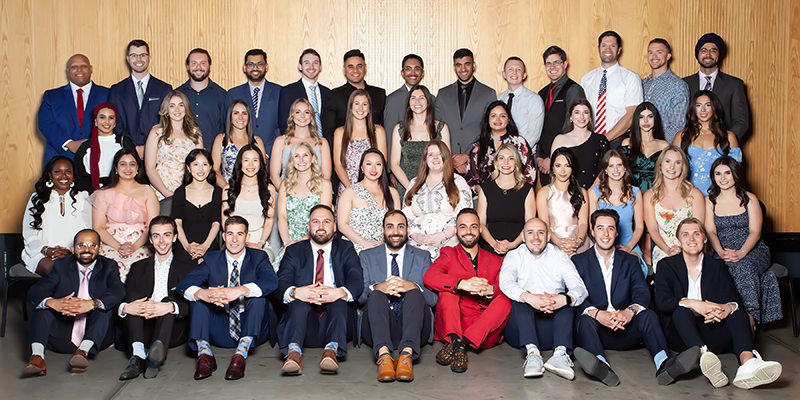
    Dalhousie Dentistry Class of 2023. Photo courtesy Dr. Sierra Lovell

  • Gearing up for DENTDays at Dalhousie

    Gearing up for DENTDays at Dalhousie

    Calling all alumni! The Dentistry Alumni Committee (DAC) at Dalhousie University has confirmed DENTDays for the next three years:

    • October 25-26, 2024 (note: rescheduled from October 18-19 due to conflict)
    • October 17-18, 2025
    • October 16-17, 2026

    The annual gathering on campus provides alumni with the opportunity to plan their own class reunion activities around the scheduled DENTDays activities. The schedule includes tours of the clinic, class photos, reunion pins, special 50th reunion luncheons with the dean, CE Day, and the presentation of Outstanding Alumni Awards.

    This year’s weekend will wrap up with a Kitchen Party at the Grawood Pub in the Student Union Building. Attendees will experience a few new additions, including a special event for the 25th reunion classes, along with an opportunity to connect with past and current faculty members. Full details will be shared in the next few issues of The Current.

    Classes with milestone reunions (5th, 10th, 15th, 20th, etc.) are encouraged to start planning their activities. Class representatives plan the reunions with the help of Dalhousie’s alumni engagement office. Please reach out for more information at alumni.dentistry@dal.ca.

    See you in October!

    DENTdays are an exciting time to remember the past, celebrate the present, and imagine the future.

    Please note: Invitations to class reunions are emailed and/or mailed three to four months in advance. Please make sure the DAC has your correct contact info so you don’t miss out: https://alumniapps2.dal.ca/alumni_update

    Reunion202420252026
    50th197419751976
    45th197919801981
    40th198419851986
    35th198919901991
    30th199419951996
    25th199920002001
    20th200420052006
    15th200920102011
    10th201420152016
    5th201920202021
  • Public Health returns to schools with a renewed fluoride delivery program

    Public Health returns to schools with a renewed fluoride delivery program

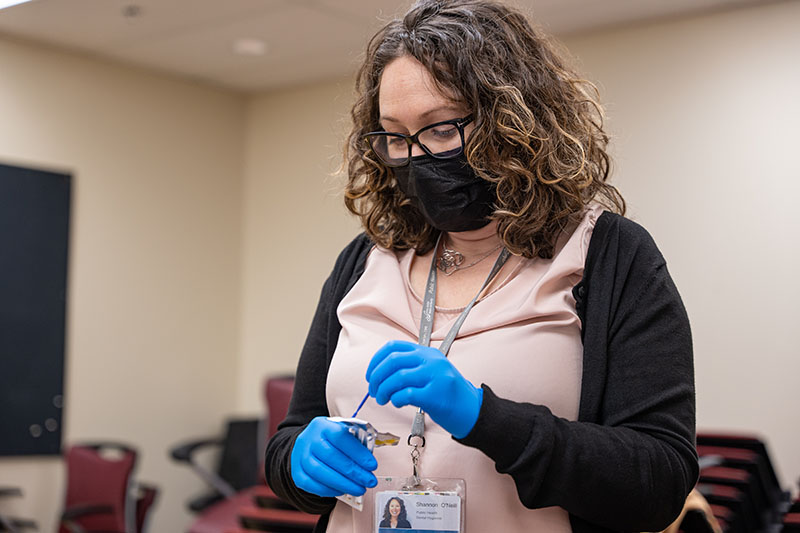
    Nova Scotia Health, Public Health, works collaboratively with partners across school, community, government, and healthcare to improve oral health outcomes for children. As a component of this work, Public Health is pleased to announce its school-based topical fluoride delivery program has resumed in the 2023-24 school year, having been paused for three years due to COVID-19.

    A school-based fluoride delivery program has been part of Public Health’s work in Nova Scotia since 1998. The benefits of school-based programs are greatest for children that face multiple risk conditions for dental decay and poor oral health outcomes. You may remember that Public Health’s fluoride mouthrinse program was offered in certain elementary schools and involved a weekly mouthrinse provided by volunteers. Based on an extensive program review, Public Health has modernized its approach and has switched to a fluoride varnish program delivered directly by Public Health Dental Hygienists.

    Public Health’s Fluoride Varnish Program is a targeted program, focused on schools in communities that will benefit most from additional opportunities to receive fluoride. Children in pre-primary to grade 6 in schools that are within these higher-risk communities will be offered up to two applications of fluoride varnish per school year. Having a variety of ways to access the preventative benefits of fluoride is an important strategy for improving population health. Public Health’s Fluoride Varnish Program complements other oral health programs and ways that children currently access and receive fluoride.

    Public Health is very clear in its communication with parents/guardians that this program does not replace regular check-ups or fluoride treatments by a dentist, dental hygienist, or other community oral health care programs and does not provide a complete oral health exam. Parents may receive a note recommending they follow up with their dental provider for an assessment. If urgent issues are observed (defined as pain, abscess, or swelling), parents/guardians will receive a follow-up phone call and/or letter from the dental hygienists to seek immediate care. At that time, the dental hygienists help navigate families to the appropriate service.

    Public Health anticipates that dentists across the province may receive questions regarding the program, and we encourage you to reach out to the dental hygienists from your local Public Health Office (nshealth.ca/public-health).

    Public Health is pleased to be a key partner in supporting good oral health for children in Nova Scotia and invites you to join in promoting and supporting this important program that reaches children who may not otherwise receive the benefits of fluoride.

    Looking for resources?

    To download a fluoride varnish program infographic, log in to your NSDA account and click Member Resources > Resource Documents > Fluoride Varnish Program.
    Photo courtesy Nova Scotia Health