Author: David Salter

  • Doctors Giving Back: How Volunteerism Supports Dentistry

    Doctors Giving Back: How Volunteerism Supports Dentistry

    Volunteering with the NSDA can be a valuable way to connect with peers, stay in-tune with the profession, and give back to the field of dentistry in Nova Scotia. NSDA volunteers, and their important contributions, are among the way the organization fulfills its mission of ‘dentists helping dentists.’

    Avid volunteers Dr. Isabel Melo and Dr. Farha Sardar are two such doctors who have a history of giving back. They have served in various positions throughout the years and believe volunteerism is the backbone of supporting dentists in our province.

    At the moment, they make up the NSDA’s Professional Development (PD) Committee, which is responsible for multiple activities, including:

    • Planning the CE sessions at the AGM, which were just held at the Prince George Hotel; a stellar line-up that included a variety of topics which saw a huge turnout!
    • Liaise with the CE Department and DAL Faculty of Dentistry to ensure topics and sessions offered are relevant for dentists and students.

    Meet our PD Committee, two very accomplished women dentists whose work spans education, sleep medicine, and private practice across Nova Scotia.

    Dr. Isabel Mello
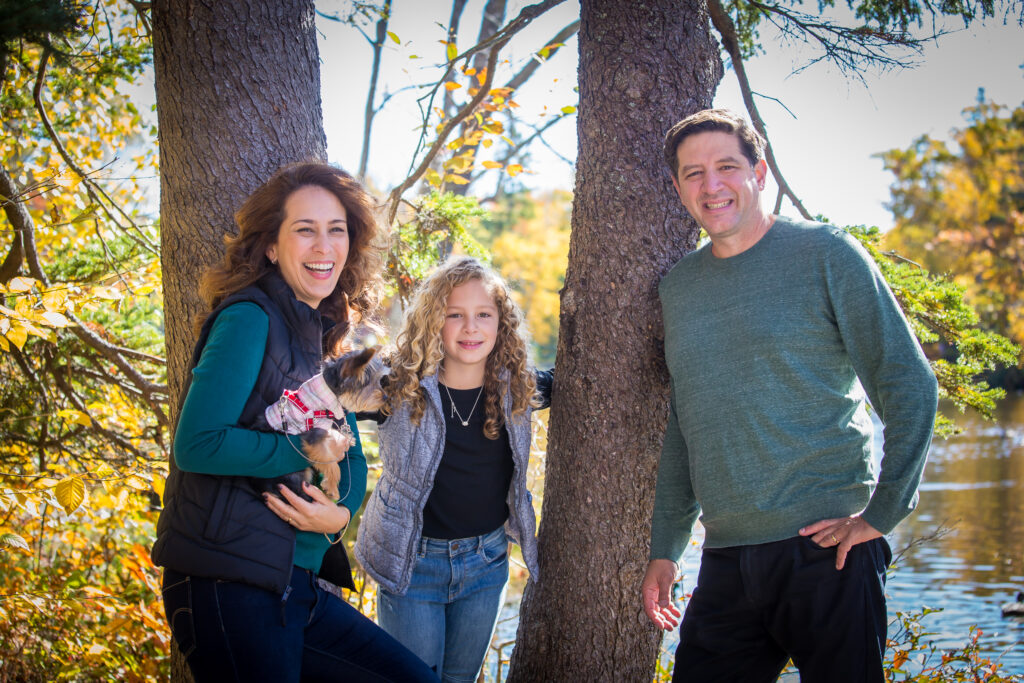
    Dr. Isabel Melo and her family.

    Dr. Mello received her DDS degree from the Federal University of Alfenas, Brazil, in 1996. In 2000, she completed her residency and Master of Sciences in Endodontics at the University of Sao Paulo and, in 2008, she defended her PhD in Dental Sciences in a joint program between the University of Sao Paulo and the University of British Columbia.

    Currently, she is the Division Head of Endodontics at Dalhousie University in Nova Scotia, and has received several teaching awards throughout her academic career. Dr. Mello has lectured nationally and internationally, is an active researcher and has published several papers in peer review journals. She is a board-certified Endodontist and a fellow of the Royal College of Dentists of Canada. She is a reviewer for the Journal of Endodontics and serves as consulting staff in the Dentistry Department at the IWK children’s hospital and maintains a part-time practice in Nova Scotia.

    She firmly believes in giving back, saying, “Isn’t it great helping one another? It makes me feel good lending a hand…After years of teaching, putting courses and lectures together, talking to others (students and colleagues alike) about what their educational needs are enables me to give meaningful input on this specific committee.”

    When sharing her experience on the PD Committee, Dr. Mello shares that, as an educator, she particularly enjoyed working on learning opportunities that were inclusive for the entire dental team. It made her happy to see the CE component of the 2023 AGM taking shape and later, how all sessions were so well attended. Verbal feedback from members was amazing, and she said, “It made me feel so good!”

    Dr. Farha Sardar
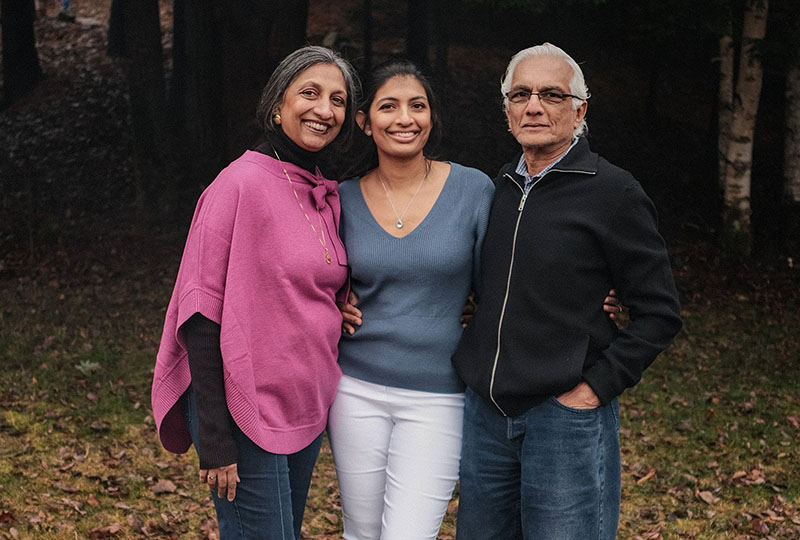
    Dr. Farha Sardar and her family.

    Dr. Sardar is a graduate of the University of Toronto Faculty of Dentistry, a former Canadian Armed Forces Dental Officer, and a Diplomat of the American Board of Dental Sleep Medicine.

    She practices general dentistry at the Canadian Forces Base in Halifax and at Ocean Stone Dental in Lunenburg. She exclusively practices dental sleep medicine at O2 Dentistry in Dartmouth. Outside of her enthusiasm for all aspects of clinical dentistry and patient care, she enjoys being involved in organized dentistry and spending quality time with her family.

    Dr. Sardar says, “Volunteering in some way, shape, or form is an important aspect of my comprehensive sense of community. An intact sense of community brings me a professional, and personal sense of belonging, support, purpose, mentorship and overall fulfilment. Simply put, volunteering is a significant component of my overall contentment.”

    When reflecting on her volunteerism, she says that she has been working with the NSDA Professional Development Committee for a number of years and is proud of their work every year — from supporting wellness activities to registered dental assistant development initiatives.

    “I am particularly proud of our latest project; assuming responsibility for securing topics and speakers for the NSDA AGM 2023,” she says. “We worked well as a team, each bringing different strengths and ideas to the table. I am proud of the respect we had for each other, the support we received from our local speakers, and the positive, constructive feedback from our colleagues.”

    Thank you, Dr. Mello and Dr. Sardar, for supporting the profession and giving back.

    Interested in volunteering with the NSDA? There are opportunities on Committees! Only have a set mount of time? No problem, there is also opportunity for task-driven work. Contact Patricia Pellerine, NSDA Operations Manager, at operations.nsda@bellaliant.com 

  • Self-care Corner: Practicing Restorative Yoga

    Self-care Corner: Practicing Restorative Yoga

    For those of us who are light sleepers or have insomnia induced by anxiety, stress, and worry, creating a nighttime ritual can help calm the nervous system and signal that it is time to get some much-needed rest. Practicing restorative yoga poses before bed is one such ritual that may improve the quality and duration of sleep.

    Try the following poses, which can all be done from the comfort of your bed, making the transition to dreamland that much simpler:

    • Waterfall Pose: Lie on your back with your legs in the air at a 90-degree angle with your torso. This pose can also be done with the legs resting against the wall if your bed allows. Feet can be relaxed or activated by flexing the toes towards the face. Hold the pose for five full cycles of breath.
    • Happy Baby Pose: Staying flat on your back, lift the legs, bend the knees generously, and lightly grab the bottoms of the feet or wrap the fingers around the big toes. Some gentle rocking back and forth may feel nice on the spine. Hold for five complete breaths.
    • Wind Relieving Pose: Keeping flat on you back extend one leg out completely. Bend the knee of the opposite legs and gently wrap your hands or arms around the knee and hug it in to the chest. Switch sides after five breaths. (If the name wasn’t a giveaway, you may experience the added benefit of releasing some intestinal pressure while in this pose.)
    • Sleeping Butterfly Pose: From a seated position, place the bottoms of the feet together and let the knees drop to either side as far as the hips allow. Slowly begin to curve the spine, dropping the head forward and down towards the feet. It may feel nice to grab a pillow in this pose, hugging it close to the chest and allowing the head to rest directly on the pillow. Stay here for five deep breaths.
    • Supported Child’s Pose: Come to a table top position on the bed, with the knees under the hips and hands under the shoulders. Bringing the feet together, send the hips down and back while the forehead comes down to meet the bed. Arms can be relaxed at the sides for a more restorative effect, or stretched out in front for an active stretch. For added comfort, place a pillow under the torso to feel extra support and softness in the pose. Hold this final pose for five cycles of breath and then tuck into bed for a peaceful nights sleep.
  • Retired Dentist Spotlight: Dr. Kim Mailman

    Retired Dentist Spotlight: Dr. Kim Mailman

    In response to NSDA’s recent call for submissions, Dr. Mailman, a retired dentist in Halifax, responded to with an idea to profile another side to the profession – retired dentists and their experiences.

    We would like this to be an ongoing section in our magazine, as this publication is for you, our members, and your stories spanning all moments in time in your career from your time in dentistry school to what you take on next once you decide to lay down your instruments. These stories are of great interest to those in the profession in your home province! See below if you know someone who would be great to profile or you yourself would like to share your experiences and story. We would love to hear them.

    We hope you enjoy the first Spotlight!

    Dr. Kim Mailman enjoying his boat in retirement.

    Dr. Mailman is a very humble man, while dedicating his life to making sure others have a healthy mouth and teeth, his response to me asking him to be our first Spotlight was, “No, no, you need someone every one knows and is more deserving than me.” After he finally agreed to tell me his story, nothing could be further from the truth. A devoted family man, loving husband and pilot (in his spare time!), his grin when talking about the possibly of this new section (and of course his daughters, Michelle and Laura) lit up the boardroom of 210 Waterfront Drive in Bedford.

    So, who is Dr. Mailman?

    Kim Mailman graduated in 1984 from Dalhousie School of Dentistry in Halifax. He had been practising 35 years when he decided it was time to move on and open the next chapter. He has fond memories when looking back at his studies, describing Friday nights at the Dental House on Coburg Road as some very fun times. While it wasn’t all fun and games in school, he shared that his most significant professor who had an impact on him in school was Dr. Ed Spracklin. Dr. Mailman describes him as a quiet, competent person who always seemed to respect students, and provided great orthodontic information.

    Married for 37 years, his wife became an integral part of his practice, with him admitting, “I had the ideas but she did the work to make it all actually happen.” Barb was a Registered Dental Assistant (RDA). Dr. Mailman worked in Shelburne, Lockeport, and Barrington, and, eventually, owned his own practice with many associates.

    Dr. Mailman now resides in Hammonds Plains with his wife. One of his daughters, Michelle, is a commercial pilot and the other, Laura, is a pharmacist and pharmaceutical drug rep. He has dedicated his time outside of his family to serving the community, serving meals at Souls Harbour Mission and working as a patient advocate in the Emergency Department at Cobequid Hospital. He also loves boating in Halifax Harbour and, up until recently, was a private pilot of a Cessna 172, taking to the Nova Scotia skies by air instead of on four wheels for weekends away from home.

    When asked for his advice to those entering the profession he shared, “Have fun in your daily activities as a dentist… It will come to an end before you know it! Retirement is good, but working as a dentist is great.”

    He also imparted some wisdom advising that planning for retirement is key. “Plan a lot and then double what you think you need to be secure.”

    On a final note, he shared words of encouragement with those who choose to dedicate their lives to caring for others. “Make sure you balance your own health and well-being with that of your patients. Do not lose sight of that.”

    Dr. Mailman’s plans for the future? Since beating prostate cancer, he takes nothing for granted and is hoping to indulge his love of travel, seeing the world, and, most importantly, wintering in sunny Florida! 

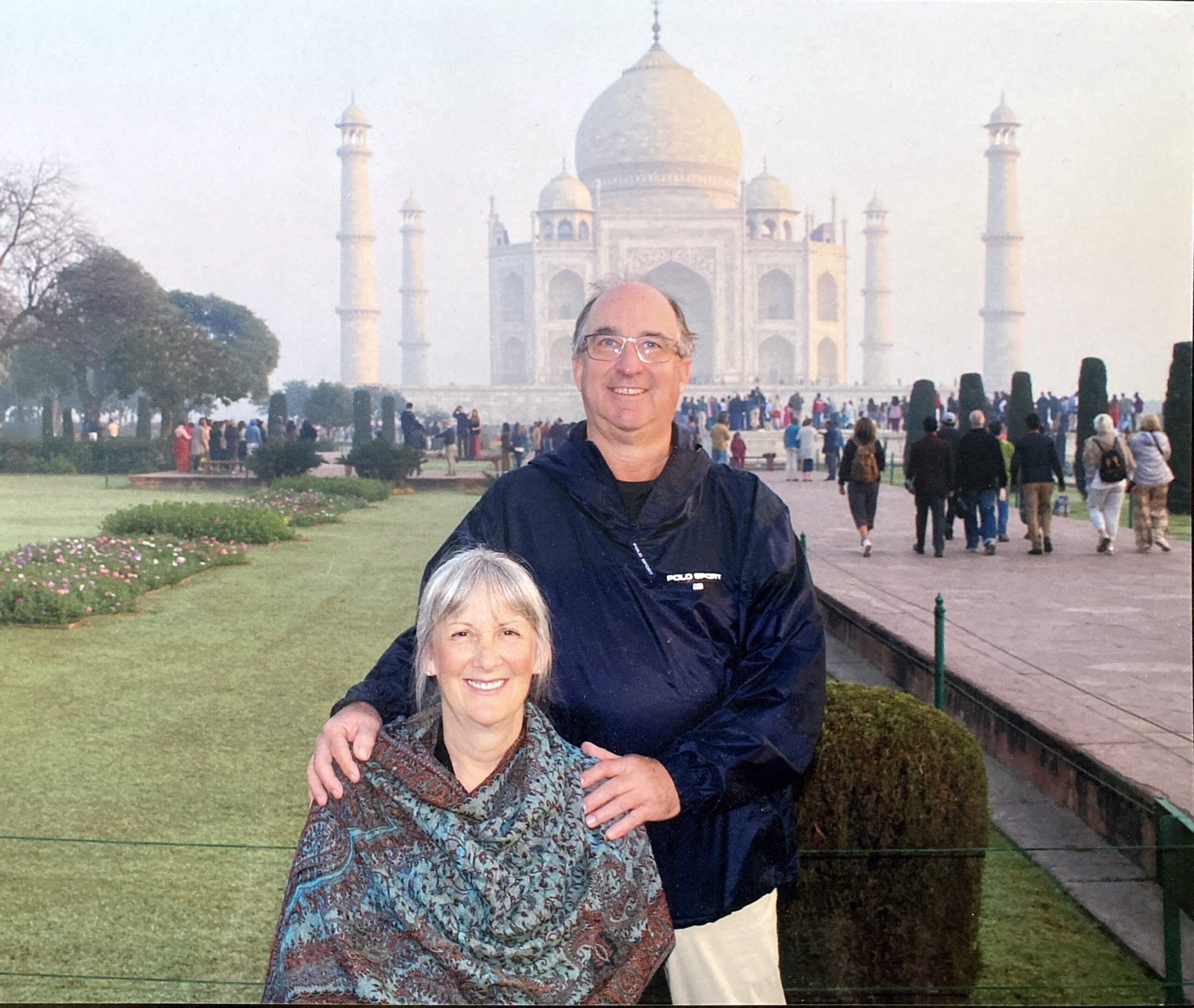
    Dr. Mailman and his wife, Barb, on their travels.

    Thank you, Dr. Mailman, for taking the time to share your experiences and advice with the profession.

    Are you a retired dentist embarking on your next great adventure? We would love to hear from you and share your story! Reach out to Samantha, NSDA’s Communications Manager, at communications.nsda@bellaliant.com.

  • Easy Does It – Cutting Sugar is Good for Overall Health

    Sept 27, 2022

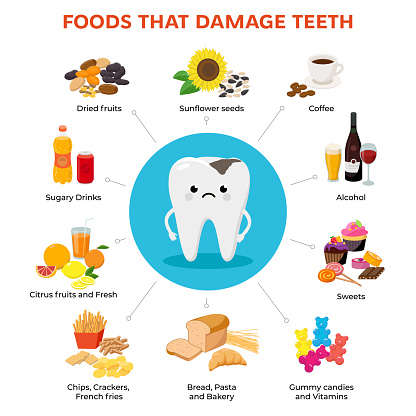
    Back to school is upon us again, with thousands of students returning to studies from K-young adults entering college for the first time. Many of the convenient, grab and go foods are full of sugar and other products that can be harmful to oral health.

    Sugar is the leading risk factor for tooth decay. A healthy mouth is strongly linked to overall health and wellbeing. For these reasons, supporting parents and young adults to bring healthy lunches or make better choices for their teeth is important this fall.

    Prepacked foods can be a lifesaver when on the go for everyone, however, some of these foods contain large amount of sugar and other ingredients that can negatively impact your health.

    Avoiding these items may seem daunting when busy or you are short on time, however, we have created a quick reference guide to help you identify the biggest sugar offenders and easy ways to reduce sugar in take during the day.

    Click here for our Easy Does It Fact Sheet to get simple ideas to drastically cut your daily sugar intake.

  • Children’s oral health falling through the cracks in Nova Scotia

    April 12, 2022

    FOR IMMEDIATE RELEASE

    BEDFORD, NS – The Nova Scotia Dental Association (NSDA) believes children’s oral health is falling through the cracks in our province. The recently released 2022 Oral Health Report highlights preventative care as key to improving the provincial Children’s Oral Health Program.

    The Children’s Oral Health Program provides limited basic dental care to all children up to age 15. However, the number of eligible children accessing the program each year has been steadily declining.

    Currently, the program prioritizes treating dental disease instead of preventing it. It includes unlimited fillings and extractions, but places limits on preventative services, such as regular dental cleanings, examinations, x-rays, and fluoride applications.

    “Dentists see the effects of childhood tooth decay in their daily practice,” said Dr. Jennifer MacLellan, NSDA president and pediatric specialist at IWK Health. “If left untreated, tooth decay can lead to pain, infection, and can affect a child’s overall health. We want to work with government to improve the oral health of children across Nova Scotia and ensure program services are targeted to children who need them most.”

    The 2022 Oral Health Report also proposes a provincial fluoride strategy as a key preventative measure for early childhood tooth decay, a very common oral disease that can begin soon after a baby’s first tooth comes in. Fluoride provides many dental benefits, and community water fluoridation is a safe, accessible, cost-effective way to help prevent tooth decay for all members of the community.

    Dentists across Nova Scotia have been advocating for changes to the children’s program for a long time. The NSDA was a key stakeholder to the government’s Oral Health Advisory Group’s 2015 report, which advocated for the Children’s Oral Health Program to focus more on preventing dental disease, and serving the children who need the program most.

    The NSDA is hoping with the PC government’s commitment to improving healthcare for all Nova Scotians, a collaborative effort can help protect children’s oral health for years to come.

    Read the full 2022 Oral Health Report at https://nsdental.org/.

    About the Nova Scotia Dental Association

    The Nova Scotia Dental Association (NSDA) is a member-based organization serving the needs of more than 500 dentist members across the province. As a not-for-profit organization, the NSDA has been the voice for dentistry in Nova Scotia since 1891. Our mission is dentists helping dentists.

    Media Contact:
    Gill Costello
    Communications Manager
    Nova Scotia Dental Association
    902-420-0088 ext. 2
    communications.nsda@bellaliant.com

  • Set Goals for a Healthy Smile

    Every January, many people set goals for the new year. Why not make having a healthy smile one of them? What are your oral health goals and what can you do to reach them?

    For your oral health care routine…

    The first step to a healthy smile is visiting your dentist. Regular appointments can detect early problems and prevent potential ones. Next, modify your home oral health care routine. Brush twice daily for two minutes and floss once a day before brushing. This habit of removing plaque is essential. Use a toothpaste with fluoride. There are different types to choose from to suit your needs. For example, a whitening toothpaste or one that reduces gingivitis. A soft-bristled toothbrush is best for your teeth and oral tissues. Replace your toothbrush every two to three months. Ask your dentist for brushing tips to make the most of your home oral health care routine.

    For your sweet tooth…

    What you eat plays an important role in achieving a healthy smile. Frequent amounts of sugar feed cavity-causing bacteria in your mouth. Aim to limit how often you consume sugar. Reach for fresh fruit to satisfy your sugar needs. These sugars are a better option because of the water content in fruit. Drinking water after eating clears the mouth of any sugars that cavity-causing bacteria can use.

    For a whiter smile…

    There are many reasons for staining on teeth. Some stains are within the tooth and could be caused by past medications or trauma to the tooth. There are also surface stains that can be caused by wine, coffee, tobacco or tea. To remove surface stains, a whitening toothpaste may help. For any stain, whitening treatments are an option. Some teeth with existing dental work such as crowns and fillings can’t be whitened. Whitening options include a procedure completed entirely at the dental office or getting a custom tray made with product to take home. Whitening can cause temporary tooth sensitivity. Using a toothpaste for sensitive teeth can help. Talk to your dentist about available options and which one would work best for you.

    Photo credit: iStock.com/PeopleImages

  • Oral Health Concerns in Older Adults

    As we age, our oral health changes. Most older adults today are likely to keep most of or all of their teeth than in the past. Everyone ages differently, but chronic conditions and diseases can affect oral health.  

    Common oral health concerns older adults may have are:

    • Dry mouth — A dry mouth can be a side effect of many medications. It can also be a symptom of disease such as diabetes. Saliva is essential for healthy teeth and oral tissues. Without saliva, the risk of cavities increases. To help with dry mouth, try chewing sugarless gum and drink plenty of water. Your dentist can discuss treatment options and help you find ways to manage your symptoms.
    • Periodontal disease — Bacteria is responsible for periodontal disease. This disease is common in older adults and can result in tooth loss. The bacteria can also enter your bloodstream and increase the risk for heart disease. Preventing periodontal disease requires improving your oral health care habits which include regular dental visits.
    • Root cavities — Gum recession is likely in older adults. This causes the roots of teeth to be exposed which increases the risk of cavities. Unlike the top half of a tooth, the roots lack enamel. This makes it easier for cavities to form on the roots. Having a dry mouth increases the chances of tooth decay. The use of fluoride is important to prevent root cavities.
    • Age-related changes — As we age, like the rest of our body, our teeth will undergo changes. Teeth may start to become brittle and appear darker in colour. There may be cracks on the surface of teeth or wear on the edges. There is a higher possibility of a tooth fracture.
    • Dentures and special needs — Some older adults wear full or partial dentures. To care for dentures, clean with a denture brush and a special cleanser daily, brushing with short strokes. (A non-abrasive toothpaste or mild soap also works.) Some adults have bone loss which affects their ability to wear dentures. Some individuals with Alzheimer’s disease may not be able to wear dentures. Adults with arthritis may have limited dexterity, making it difficult to use a toothbrush. For these individuals, assistance or a modified oral hygiene routine can be helpful. When visiting the dentist, call ahead to ensure your particular needs can be addressed.

    Good oral health is part of your overall health, so maintaining a good oral hygiene routine and dialogue with your dentist is key to addressing your oral health concerns.

    Photo credit: iStock.com/YakobchukOlena

  • Dr. Sura Hadad

    Volunteering a family activity for Halifax dentist

    Dr. Sura Hadad believes in helping others and paying it forward – an example she endeavors to set for her four children.

    “I love helping people,” says Dr. Hadad, a practising dentist in Halifax, N.S. and a part-time instructor at the Faculty of Dentistry, Dalhousie University. “I love to see people smiling.”

    In the summer of 2018, Dr. Hadad and her 16-year-old daughter travelled to Kenya to help build a college for girls. Over about eight days, they helped to build the foundation for the college dorm. The initiative was through the One Woman group.

    “There’s always goodness in everybody and people like to share that happiness,” says Dr. Hadad. “There’s enough cruelty in the world that we need to look at the good stuff.”

    It was important to her to do something to help people and to show her daughter, so she can continue doing good things for others, she says.

    They had the opportunity to visit previously built schools and hospitals and were welcomed by locals, allowing them to gain insight into their lives and to witness how little they have.

    “It was sad. But they were happy,” says Dr. Hadad. “It was sad for us because we are fortunate to have a lot of things and they don’t have it.”

    Simple things such as a clothesline brought happiness, allowing locals to dry their clothes away from the ground and insects, she says.

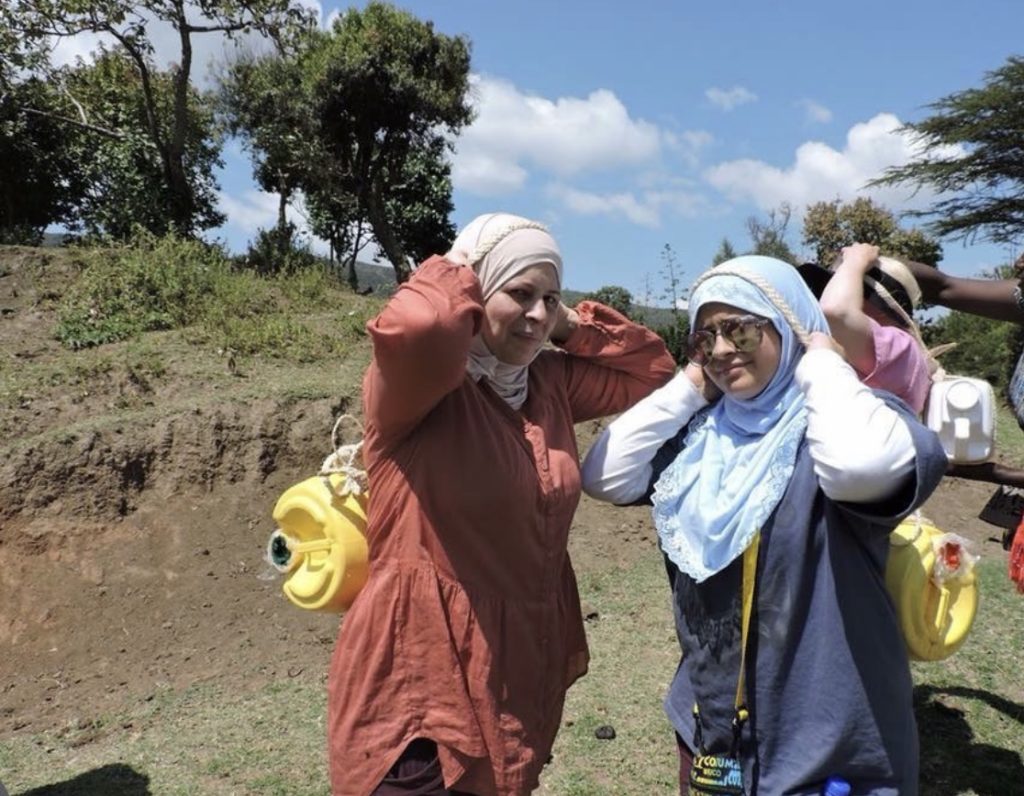
    Access to water was also challenging. Locals would walk about four kilometres a couple of times a day to get water, carrying loads of around 20 litres on their backs. The water is dirty and is boiled before use, notes Dr. Hadad.

    Dr. Hadad and her daughter helped to retrieve water, carrying around 10 litres each, she says.


    Dr. Hadad and her daughter helping to retrieve water in Kenya. Photos submitted by Dr. Hadad.

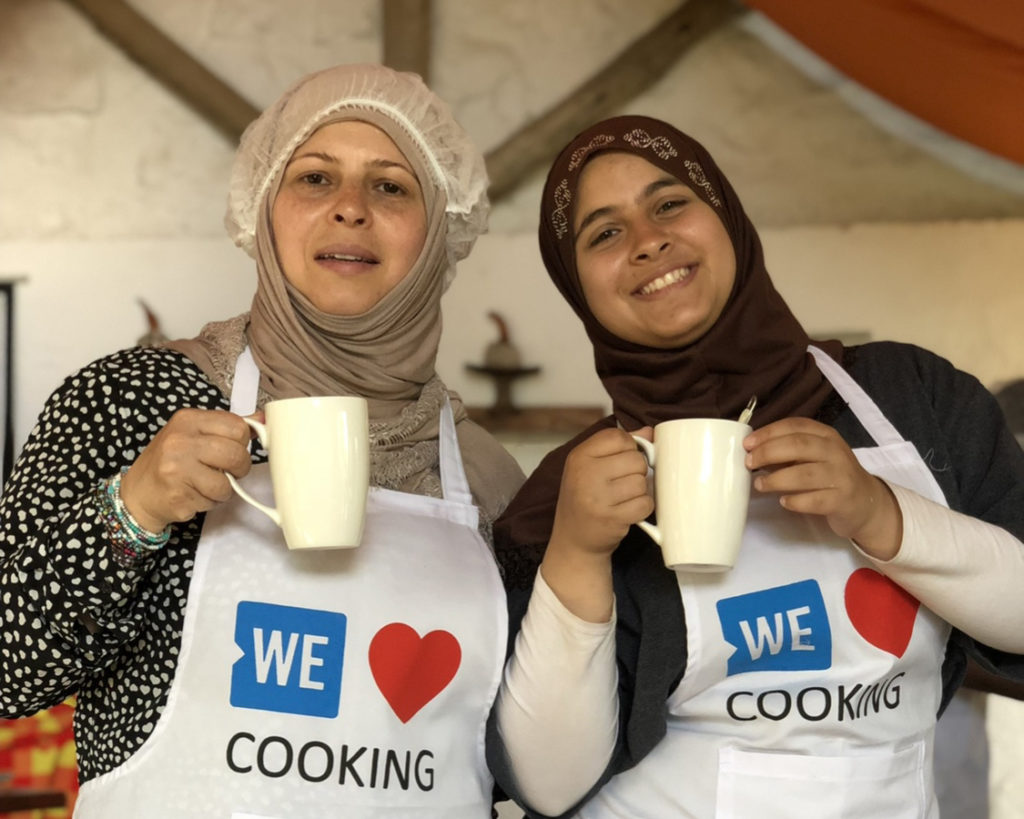
    At home in Halifax, Dr. Hadad has been involved with different organizations and volunteering activities including cooking for those in need. In 2016 with the influx of refugees, she dedicated a year of working to help ease their transition to a new place.

    She aims to involve her children in as much of these initiatives as she can.

    Being a dentist helped her to realize how many people really need help, she says, but she thinks giving back is for everyone.

    “There’s always goodness in everybody and people like to share that happiness,” says Dr. Hadad. “There’s enough cruelty in the world that we need to look at the good stuff.”

    Dr. Hadad and her daughter, who joined her to help build the foundation for a girls’ college dorm in Kenya.

  • Dr. Ian Doyle

    Dr. Ian Doyle

    Volunteering and dentistry go hand-in-hand

    A Cape Breton dentist reflects on 40 years of service

    For Dr. Ian Doyle, volunteering and being a dentist go hand-in-hand. A semi-retired general dentist in Sydney, Cape Breton, N.S., Dr. Doyle has been involved in his community since before he became a dentist 40 years ago.

    “I think it’s just part of me, part of who I am,” says Dr. Doyle, who earned his Doctor of Dental Surgery from Dalhousie University in 1978, and among other reduced dental activities is a part-time instructor at the dental school.
     
    From parish council, to Fiddlers Marathon route organizer, from blood donor nearing his goal of 150 donations, to member of the barbershop singing group, the Cape Breton Chordsmen, his volunteerism has contributed to many aspects of community life.


    In the dental profession, you meet a lot of different individuals, and if you’re open to communicating you can recognize various community needs,” he says. “If you want you can end up being more involved in the community.”

    He has served as Chair of the Provincial Dental Board of Nova Scotia, President of the Cape Breton Island Dental Society, President of the Nova Scotia Dental Association, President of the International College of Dentists, Canadian Section, and is currently International Council member for the International College of Dentists.

    He is a recipient of several awards and honours, including two Nova Scotia Dental Association awards: the Dr. Philip S. Christie Award for Distinguished Service and the NSDA Community Service Award.

    A long-time member of Rotary International, Dr. Doyle says the organization has been a significant part of his life for 35 years.

    He has been president of both Rotary clubs in Sydney, Cape Breton and is preparing to assume the role of Rotary District 7820 Governor for the year 2020-2021. The district includes 46 Rotary Clubs across Atlantic Canada.

    Making a difference at home and abroad

    In addition to raising funds for various charities through community groups, Dr.Doyle has contributed his dental skills at home and abroad.

    As a past member of the board of directors for Talbot House, a residence and treatment centre for men with addictions, he helped to provide some dental care to residents.

    He has participated in free dental days organized by the community group Under One Umbrella. On specific days at Centre 200, this organization joins health professionals and many other service providers, such as members of the legal profession, hair stylists and counsellors, to deliver services to people who aren’t able to attain them, says Dr. Doyle.

    Travelling to take part in nine dental missions, he helped to provide equipment, treatment to residents, and to teach dentecs in remote areas of countries such as Haiti, Guyana,Peru and Nicaragua with support from the dental community and Rotary.

    The missions are conducted in challenging conditions often without running water or electricity, says Dr. Doyle who would like to do a few more before he completely retires. His wife Anne has accompanied him on most of his missions.Two of their children, Ian, and his wife Kylene, and Tricia have joined him in Haiti and Nicaragua respectively. “My hope is that our youngest son Brenden will be able to participate in the near future.”

    Continuing a community-minded legacy

    He credits the example set by his father and grandfather for his drive to giveback.

    “My grandfather was a family doctor who worked in a small community,” says Dr. Doyle. “He had chances to move to much better paying positions, but he opted to remain practising in his rural community.”

    “My father was a teacher, and eventually, Superintendent of Schools and was always involved in community life. I think those kinds of influences really made volunteering and serving part of my life.”

    He says his three years spent as a teacher before becoming a dentist, and the mentorship he received as a new dentist while volunteering for the Cape Breton Island Dental Society, also helped to set him on his path.

    Dentists as community leaders

    Helping our patients is something that comes naturally for dentists and we can get to know the community quickly by sharing our other talents, says Dr. Doyle.

    “In the dental profession, you meet a lot of different individuals, and if you’re open to communicating you can recognize various community needs,” he says. “If you want you can end up being more involved in the community.”

    “Most dentists are well-respected. When they volunteer, they’re showing that they want to be a part of the community, and want to contribute in other ways besides through their dental office.”

  • Dr. Simone Abbass

    Dr. Simone Abbass

    COMING HOME

    For some people there’s a place, time, or event that impacts the direction of an individual’s life, defining who they will become, where they will go, and what they will do.

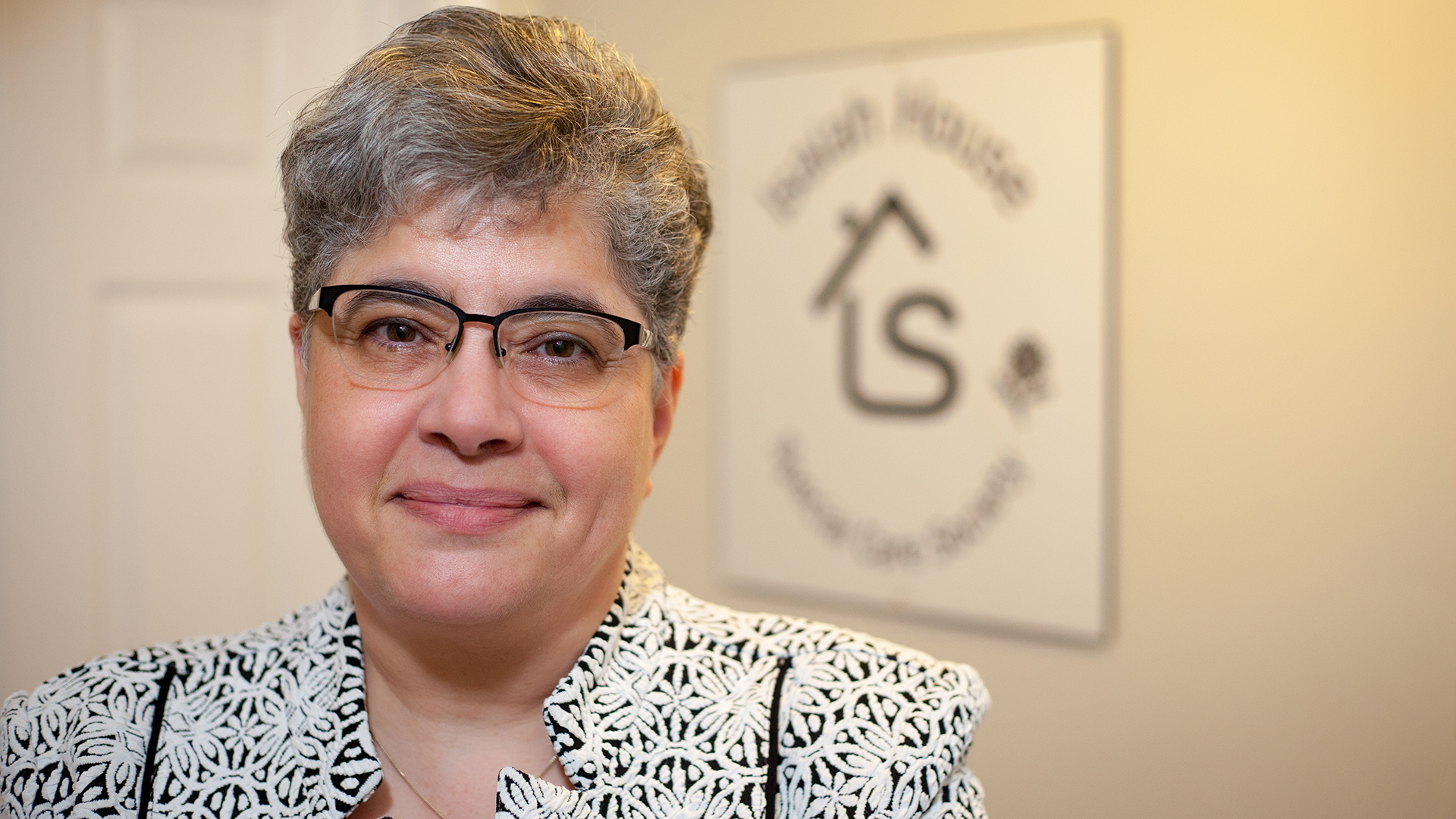
    Dr. Simone Abbass believes that moment happened for her as a young girl growing up in Sydney, Nova Scotia with an older brother living with a mental disability. It was her brother Tommy’s own struggles and needs that inspired her to become a dentist. More than that, it motivated her to advocate for persons with disabilities and open a not-for-profit society called Isaiah House in Dartmouth, N.S. As Chair and House Director at Isaiah House for the past twenty-three years, Dr. Abbass seeks to help individuals with disabilities live fuller, happier lives outside of institutional settings by providing them with a long-term residence in the community.

    Finding strength in family

    In the 1950’s and throughout the 1980’s, the Abbass family had a very difficult time accessing various health services for Tommy. Dr. Abbass recalls her family traveling to Halifax so their son could receive specialty treatment.

    “They couldn’t access services for Tommy in the same way they did for all their other children,” said Dr. Abbass.

    “My parents had to travel five hours away from home to find a dentist, and sometimes physicians, who treated children with Tommy’s level of need.”

    Being one of eight children who proudly participated in the care of her brother, Dr. Abbass said she watched her parents worry for years about not being able to provide Tommy with the immediate care he so often needed – struggling medically at times as a result.

    “At the age of 19, his needs couldn’t be met by our family alone,” said Dr. Abbass.

    “He left our home to live in the only option available at the time, which was institutional care.”

    It was the family’s hope that while living there, Tommy would thrive, learn new skills, and move to a group home in Sydney. Unfortunately he did not cope well in his new environment and his health quickly declined.

    “I was only 16 at the time and it was a very traumatic event for me,” said Dr. Abbass

    “It only increased my desire to help him and others like him by pursing a higher education. My family and I worked together with the institution to help give Tommy an appropriate quality of life for as long as we possibly could.”

    “I am extremely grateful to all those involved in this journey. It allowed me to provide my brother with a well-supported living option and better quality of life for 16 years before he passed away in 2010. I look forward to sharing my passion, talent and time in the years to come, continuing to help those who do not have the ability to care for and support themselves.”

    Building a home

    After a great deal of research, Dr. Abbass eventually discovered that there was a severe shortage of community living options for individuals with disabilities—not just on the island of Cape Breton, but across the whole province. In 1992, she was able to secure him a place on a wait list for a group home in the Halifax area.

    “The wait was at least eight to 10 years for a home that addressed his level of need,” said Dr. Abbass.

    “I truly felt at the time that the only way for Tommy to be well again, and to thrive, was for me to create an appropriate living option for him.”

    Dr. Abbass approached the Department of Community Services of Nova Scotia in 1992 and in 1994 Isaiah House was open – serving the needs of not only her brother but two other men with disabilities within the area.

    Paying it forward

    Dr. Abbass says there is still a shortage of community living options for adults with disabilities in Nova Scotia. This leaves people with little opportunity to lead happy and full lives, and families without access to services for loved ones.

    “Work programs for individuals with disabilities are also short in supply,” says Dr. Abbass.

    “Therefore they don’t have the ability to leave their homes to pursue work or social environments.”

    It is her hope that this example of volunteer work over the years will inspire others to seek more appropriate living options for loved ones with special needs and, in doing so, improve the quality of life for them and their families.

    In addition to her personal experiences, Dr. Abbass believes working as a dentist and working alongside the individuals and families at Isaiah House has taught her the necessary skills to help herself and others persevere; a quality that has undoubtedly made her a leader in her profession and community.

    “My work with Isaiah House has allowed me to give back, not just to the broader community but individuals and families who are in serious need,” said Dr. Abbass. “

    “I am extremely grateful to all those involved in this journey. It allowed me to provide my brother with a well-supported living option and better quality of life for 16 years before he passed away in 2010. I look forward to sharing my passion, talent and time in the years to come, continuing to help those who do not have the ability to care for and support themselves.”