Author: David Salter

  • Federal government needs to clear up confusion about Canadian Dental Care Plan

    Federal government needs to clear up confusion about Canadian Dental Care Plan

    The CDCP isn’t free from cost and red tape

    TORONTO, Feb. 8, 2024 (GLOBE NEWSWIRE) – Dentists know that the Canadian Dental Care Plan (CDCP) is a major opportunity to provide oral health care to millions of people who have been unable to access the care they need. However, seniors and other eligible Canadian residents signing up for CDCP are going to be surprised when they find out their care won’t be free. They might also be unaware they might have to change dentists or try to find a new one.

    Dentists are also unclear about what they’re being asked to sign up for and they don’t know how to answer questions about the federal government’s plan.

    Now that more details of the CDCP have been released, it’s time for the federal government to answer the big questions Canadians have. Patients will be surprised to know:   

    • Am I getting free dental care? No – patients may pay out-of-pocket for services and fees that aren’t covered under the federal government’s new dental benefits plan, including 40 to 60 per cent co-payments for families who earn more than $70,000 per year. Where government reimbursement does not cover the full cost of care, some patients will pay the balance.
    • Can I choose my own dentist? Maybe not – patients will have to search for dentists who agree to participate, despite the unclear terms and conditions set by the government.
    • Will it be easy to get the care I need? Maybe not – dentists expect there will be a lot of red tape that may delay care and not make this a smooth process. Unlike other dental benefits programs, the CDCP has inserted processes that get in the way of how patients can access essential oral health care, and the relationship they have with their dentist.

    The federal government has not answered other critical questions: How will they protect existing work, school and/or group dental benefits? How will the CDCP work with other publicly funded dental programs, including provincial programs? Without addressing these legitimate concerns, how do they expect people to know what this will mean for their dental coverage and what they should do next?

    Based on what the government has announced about the CDCP, the dental associations don’t know if dentists will choose to participate in the CDCP. How can dentists provide informed consent and agree to participate in the CDCP without answers to their questions? We understand that many general practitioners and dental specialists have already decided not to participate.

    Health Canada has rushed out a massive program under unreasonable timelines. While dentists were consulted and provided advice on building a sustainable dental program, it was at the 11th hour for the provincial and territorial dental associations across Canada and we still see major gaps and flaws that have yet to be addressed.

    As experts in oral health care, the dental associations, representing over 25,000 dentists across the country, have pointed out that the CDCP does not meet most of the principles of A Proposed Framework for the Canadian Dental Care Plan. This is a historic investment, so it is critical that the federal government truly gets it right.

    Quotes:

    “Dentists and taxpayers alike need the government to address the gaps we have identified and questions we have raised. I don’t want any patients to be taken by surprise when they come to my practice. It’s not dentists’ fault that the program doesn’t meet the promises the federal government has made to Canadians.” – Dr. Jenny Doerksen, President, Alberta Dental Association

    “Given the proven relationship between oral and general health, this plan is an unprecedented opportunity to improve the overall health of Canadians. However, as a dentist who cares deeply for my patients, I’m extremely concerned about the government’s lack of clarity and collaboration in this plan. Without clear information, dentists cannot make an informed decision on whether or not to participate. This plan cannot succeed if it is carried on the backs of oral healthcare providers; it must be sustainable for patients, dentists, and taxpayers.” – Dr. Rob Wolanski, President, BC Dental Association

    “The federal government has the responsibility to create a plan that supports and enriches the systems currently in place. There is a window of opportunity to make the necessary changes to ensure access to quality oral health care for all Canadians and we implore the government to take action. In 20 years, the makers of the CDCP may have moved on, but many of us will continue to practice dentistry. We look forward to a future where the quality and access to care improves over time, not worsens.” – Dr. Daron Baxter, President, Manitoba Dental Association

    “New Brunswick dentists care deeply about our patients. We know that dental care can be costly. This plan has followed the design of the federal NIHB program, which is not well respected by dentists across our province. That plan imposes a lot of administrative burden on dental clinics, is not easy to access or administer, and does not cover the full costs of providing treatment. As a result, many dentists do not participate in the NIHB plan and I fear they won’t be able to participate in this program either. It is important that patients receive simple, clear messaging from Health Canada and that patients maintain the right to choose their own dentist. New Brunswick dental clinics are already extremely busy and are experiencing shortages of labour. The CDCP should be easy to use and administer, should cover all treatments needed and should cover the full costs of those treatments.” – Dr. Joanah Campbell, President, New Brunswick Dental Society

    “The federal government needs to clearly explain what this program really is, and what it is not, so that patients can make informed decisions about their care. We are always supportive of increased access to oral health care, but it must be done right. This plan has to be sustainable for patients, dentists and the government and in our opinion, it is not at this time.” – Dr. Shane Roberts, President, Newfoundland and Labrador Dental Association

    “The federal government has launched a program that is rushed and says that these issues will be resolved later. There is a long history of poorly structured and funded government dental programs in some jurisdictions. I’m concerned about whether the government will fix the problems with the CDCP or existing plans any time soon, if ever.” – Dr. Steven Partyka, President, Northwest Territories & Nunavut Dental Association

    “Canadians need to be told how, exactly, the CDCP will work alongside the many existing provincial and territorial programs. This clarification would go a long way towards making sure patients feel comfortable seeking dental treatment when they need it.” – Dr. Juli Waterbury, President, Nova Scotia Dental Association

    “This program is just not ready to go yet. While we appreciate that Minister of Health Mark Holland and his officials finally sat down with us, it hasn’t been a negotiation, just a discussion. A program without patient autonomy, an unrealistic expectation that care will be free, and with a bunch of red tape that stands in the way of care isn’t nearly enough progress.” – Dr. Brock Nicolucci, President, Ontario Dental Association

    “The CDCP had the potential to benefit millions of Canadians and required thoughtful planning and smooth implementation. Developing a national oral health plan is a monumental task that should include all stakeholders rather than a process without meaningful consultation of the provincial and territorial dental associations. Unfortunately, the need to meet seemingly unrealistic deadlines has won out over sound policy, resulting in a program that does not live up to the promises made by the federal government.” – Dr. Matt Shaffner, President, Dental Association of Prince Edward Island

    “The College of Dental Surgeons of Saskatchewan applauds the initiative of the Federal Government to increase access to oral health care for Canadians. Unfortunately, dentists remain in the dark on specific details of the plan, and how the plan will affect their patients, staff, and businesses. Registrants should wait for further details about the CDCP to be released, so they are able to make a properly informed decision whether to register.” – Dr. Derek Thiessen, President, College of Dental Surgeons of Saskatchewan

    “The YDA welcomes all initiatives to bring accessible dental care to our community, however the federal government needs to ensure that the new CDCP will work with and not against existing territorial dental programs such as the Yukon Dental Program that was launched last year. We welcome further conversation in integrating the CDCP within the wider framework to ensure existing programs are not disrupted.” – Dr. Kenny Liu, President, Yukon Dental Association

    Media contact:

    Oliveah Numan
    onuman@sussex-strategy.com  

  • What’s new with the NIHB Program?

    What’s new with the NIHB Program?

    Article supplied by Indigenous Services Canada

    The Non-Insured Health Benefits (NIHB) Program provides clients (registered First Nations and recognized Inuit) with coverage for dental services, including diagnostic (i.e. exams and X-rays), preventive (i.e. sealants), restorative (i.e. fillings), endodontic (i.e. root canals), periodontal (i.e. scaling), removable prosthodontic (i.e. partial and complete dentures), oral surgery (i.e. extractions), orthodontic (i.e. braces), and adjunctive (i.e. sedation, general anesthesia) services. 

    The NIHB Program has evolved over the years!

    Reduced predetermination (PD) requirements and extended coverage

    • Removed the predetermination requirement for coverage of standard root canal treatments (except wisdom teeth), mild sedation, surgical tooth extractions, prefabricated posts, standard complete dentures
    • Added coverage for topical antimicrobial and remineralization treatments such as silver diamine fluoride
    • Enhanced coverage for sealants/preventive resin restorations to include bicuspids and increase the age limitation to up to 18 years
    • Expanded coverage for all-porcelain/ceramic crowns and for crowns on second molars
    • Increased service frequency for acrylic partial dentures, from one (1) in eight (8) to 1 (one) in 5 (five) years per arch

    As an NIHB enrolled dental provider, you gain access to online self-serve functions!

    Express Scripts Canada (ESC) manages the NIHB Provider and Client Website (nihb-ssna.express-scripts.ca/en), where providers have the option of creating a web account to access services in order to:

    • Submit online predetermination (PD) requests (new!)
    • Check the status of PD requests
    • Verify client eligibility and next available date
    • Submit claims for processing
    • Submit enrolment documents
    • Update contact information
    • Access claim statements
    • View claims history
    • Request update to direct deposit information
    • Once approved, view your NIHB provider number

    To create a secure web account through the Express Scripts Canada, visit:

    https://nihb-ssna.express-scripts.ca/en/provider > online enrolment > new NIHB provider > create account

    Play a key role in contributing to improving the oral health of First Nations and Inuit

    By enrolling to the NIHB Program and submitting claims directly to Express Scripts Canada using the NIHB fees, clients do not have to face charges at the point of service, which can be a significant barrier to access dental care.

    For any questions related to an NIHB web account or self-service options, enrolment, client and dental service eligibility, or billing process (including payment), please contact:

    NIHB Call Centre at Express Scripts Canada: 1 888 511-4666

    For more information about the NIHB Program and its dental policies, or the status/outcome of specific PD request, please contact:

    NIHB Dental Predetermination Centre

    Dental services: 1 855 618-6291

    Orthodontic services: 1 866 227-0943

  • A Retired Dentist’s Spotlight: In Conversation with Dr. Archie Morrison

    A Retired Dentist’s Spotlight: In Conversation with Dr. Archie Morrison

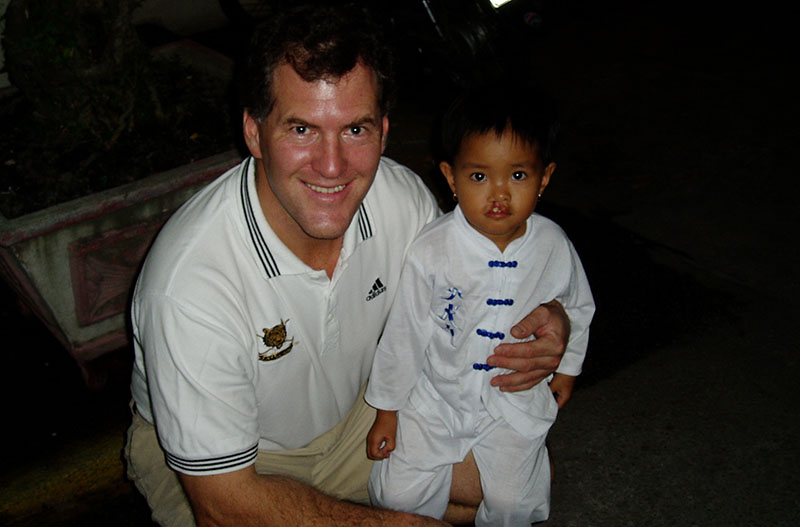
    Above: Dr. Archie Morrison and a young patient (pre-surgery) in Vietnam. Photos courtesy Dr. Archie Morrison

    By Samantha Ashenhurst
    NSDA Communications Manager

    As a youth, Dr. Archie Morrison’s interests certainly leaned towards science. He considered pursuing medicine — maybe even surgery — but, ultimately, followed in the footsteps of his dad, Dr. ES (Dinny) Morrison.

    “I would have to give most credit to my father for inspiring me to pursue dentistry,” Dr. Morrison tells Nova Scotia Dentist. “He was a dentist and I enjoyed many hours at his dental office in my younger days. I also loved working with my hands.”

    In 1978, Dr. (Archie) Morrison began his dentistry degree at Dalhousie University. It was a rewarding time, both personally and professionally.

    “I have many fond memories from dental school,” he says. “The people I met became lifetime friends and colleagues, and I have stayed very close with them over the years.”

    Dental school also gave Dr. Morrison the memorable experience of seeing, first-hand, what life was like in the operating room.

    After completing his DDS in 1982, Dr. Morrison entered into practice.

    “I spent six years in general practice with my father in Halifax,” he says. “This was an opportunity I appreciate more as I age.”

    In 1988, Dr. Morrison entered the four-year Oral and Maxillofacial Surgery (OMFS) program at Dalhousie/Victoria General and IWK hospitals. From there, he completed fellowships in Scotland and Holland before returning to Dalhousie/VG as staff in 1993.

    “My wife, Cindy, and our six children (who were between two and 11 years old at the time) had an exciting year of travel, new schools, and adventure,” Dr. Morrison says.

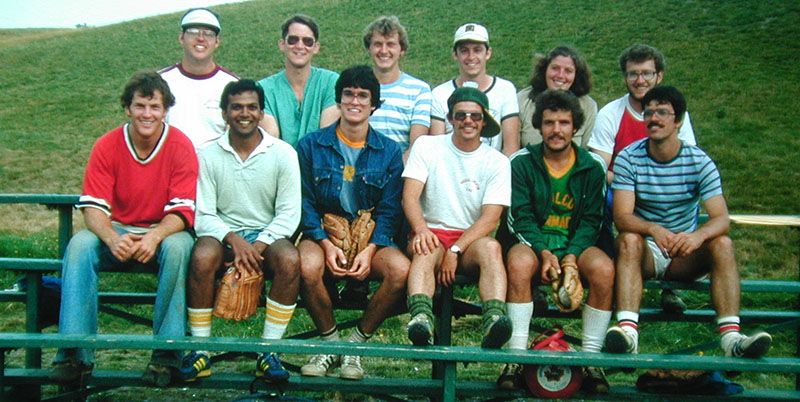
    Dr. Morrison and his Dalhousie classmates (Class of ’82) in the fall of 1978.

    Enjoying connections

    When asked what he enjoys most about dentistry and OMFS, Dr. Morrison says good patients truly make the difference.

    “For me and many dentists, the most rewarding thing about our profession is the relationships developed over the years with patients,” he says.

    “As a specialist, and especially as a surgeon, you see most of your patients far less often — sometimes only once or twice,” he continues. “You don’t always get to know them, but there are a handful you develop longer connections with over many years.”

    Indeed, of the many surgeries Dr. Morrison has performed during his 44-year career, some stand out as particularly significant and life-changing.

    “As an example, I got to know a young woman and her family when she was seriously injured in a car crash and suffered severe facial injuries, including losing an eye,” he says. “At the end of the treatment and her rehab, Cindy and I were privileged to be invited to her wedding. We met her family and were treated like royalty.”

    Also among the highlights of Dr. Morrison’s career are the 14 surgical missions he had the opportunity to participate in, which brought him to Vietnam and North Africa.

    “We operated on babies, children, and some adults with cleft lip and cleft palate,” he says. “These were life-changing opportunities for me, and I owe a debt of gratitude to the late Dr. David Precious for giving me that chance. These missions defined exactly what surgical care is meant to be.”

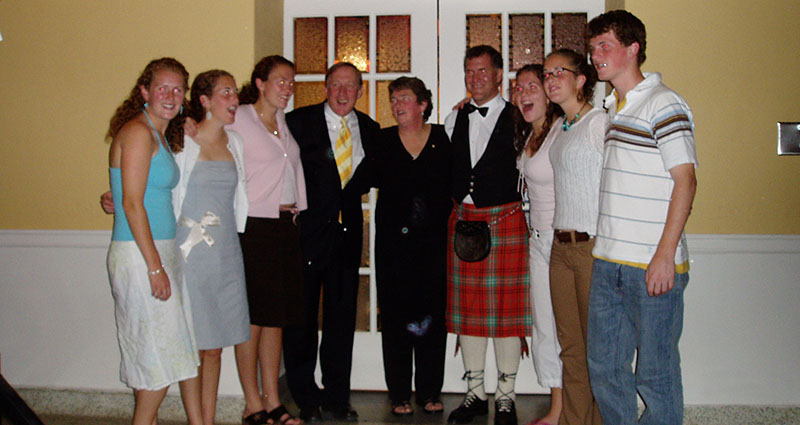
    Dr. Morrison with his family and Dr. Sean Reilly, former president of St. Francis Xavier University.

    Generations to come

    Much like his father before him, Dr. Morrison has helped inspire a generation of dentists and working professionals.

    “Three of my daughters are dentists Halifax — Patricia Brady, Paula MacPherson, and Teresa Burns,” he says. “My daughter, Jennie, is a paediatrician in Moncton, and Teresa’s twin, Emma Kehoe, is just starting her career as a paediatric anesthesiologist at the IWK. My son, Daniel, works in marketing for RBC in Toronto.”

    In 2015, after working for 22 years at VG/Dalhousie, Dr. Morrison stepped away from the position in favour of a part-time role. His son-in-law, James Brady, OMF, took the reins at the hospital.

    Semi-retirement

    Now 66 years old (and a grandfather 14 times over), Dr. Morrison considers himself ‘semi-retired’ — but he hasn’t put down the instruments completely.

    “I still enjoy assisting in the OR and doing minor oral surgery in two of my daughters’ offices and with Citadel Oral & Facial Surgery,” he says.

    Beyond part-time dentistry, there are plenty of other activities on Dr. Morrison’s retirement schedule, too.

    “I enjoy cycling, snowmobiling, and playing golf and hockey,” he says. “I’ve coached soccer and hockey for many years. None at present, but last year I helped out by coaching a team with three of my grandsons playing.”

    He’s also an accomplished builder.

    “I built a cottage in 2002, and I’ve built three garages — including one I just completed this summer,” Dr. Morrison says. “I also helped a carpenter friend build an addition on our current home.”

    When asked to share some words of wisdom for the next generation of dentists, Dr. Morrison advocates for focusing on the positive and enjoying the work.

    “Keep your work environment atmosphere as light as you can,” he says. “Concentrate on doing the best you can for your patients. If you do that, ends will meet. Remember: we are healthcare providers first and business people second. Find a hobby or activity you have passion for. Keep it in your daily lives so that when you retire, you will continue to enjoy it.”

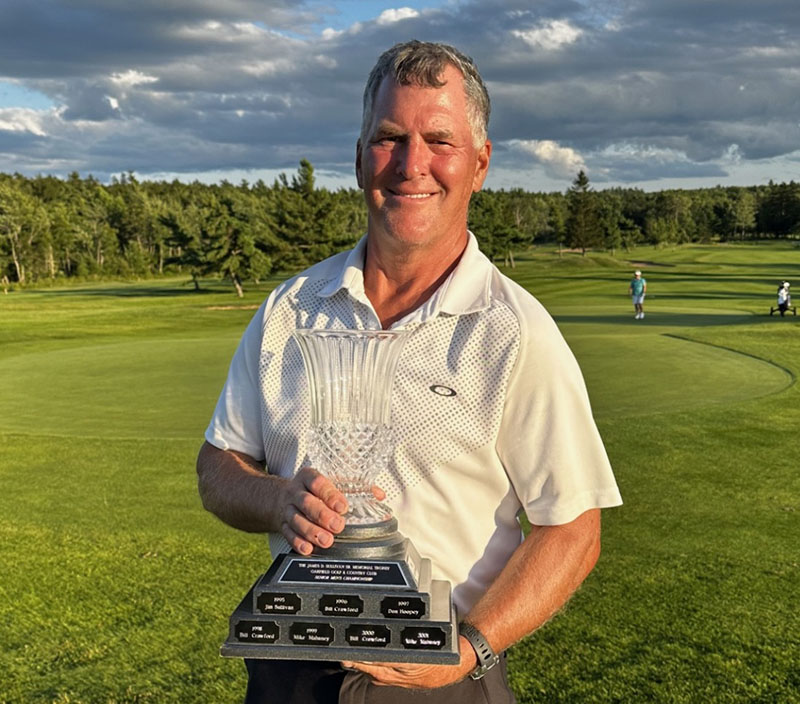
    Dr. Morrison took top honours in Oakfield Golf and Country Club’s 2023 Men’s Senior Club Championship.

    Thank you, Dr. Morrison, for taking the time to share your experiences and advice with the profession.

    Are you a retired dentist embarking on your next great adventure? We would love to hear from you and share your story! Reach out to Samantha, NSDA’s Communications Manager, at communications.nsda@bellaliant.com.

  • When and how to use silver diamine fluoride

    When and how to use silver diamine fluoride

    By Dr. Kyla Romard
    NSDA Clinical Affairs Manager

    As the Canadian Dental Care Plan (CDCP) enters its initial rollout, the NSDA has been receiving many calls from the general public, eager for specific dates and details — information which, at the time of writing, we do not have.

    An unintended consequence of this wait is that many would-be dental patients are intent on postponing appointments until CDCP coverage kicks in. While we urge people not delay dental treatment, the harsh reality is that some cannot afford care without the financial assistance the CDCP promises. In the interim, dentists may begin to provide treatments they have not previously felt the need to use, such as silver diamine fluoride (which, in Canada, is known under the trademarked brand name Advantage Arrest).

    Silver diamine fluoride, or SDF, is an inexpensive topical solution. It is basic in nature, and consists of 25% silver fluoride, 8% ammonium fluoride, 5% fluoride, and 62% water. It is used to treat and prevent dental caries and relieve dentin hypersensitivity.

    The application of SDF is a simple, non-invasive procedure that involves hard and soft tissue isolation with gauze and cotton rolls, exposing only the area to be treated. This area is air dried, and then SDF is applied with a micro-brush. When SDF is applied to a carious lesion, the silver ions act directly against the bacteria found in these lesions, breaking membranes, denaturing proteins, and inhibiting DNA replication. In addition to its antimicrobial properties, the silver component of SDF also forms a protective layer that increases tooth resistance to acid dissolution. The fluoride ions promote remineralization, increasing mineral density and hardness and decreasing lesion depth.

    As a treatment modality for dental sensitivity, topical application of SDF results in the development of a squamous layer on the exposed dentin, partially plugging dentinal tubules and forming a protective layer.

    Indications for use

    In most cases, SDF should not be considered a replacement for definitive surgical management for carious lesions but, rather, an adjunct for arresting caries in both primary and permanent teeth.

    The treatment of carious lesions with SDF is recommended in the following cases:

    • Patients who are at a high risk of developing dental decay, including those suffering from xerostomia or severe early childhood decay
    • Patients who cannot tolerate standard treatment for medical or psychological reasons, including uncooperative children or frail, elderly people
    • Patients with multiple carious lesions requiring more than one visit, in which lesions become symptomatic prior to treatment completion
    • Patients who present with carious lesions that are difficult to treat, such as recurrent decay present at a crown margin or root caries found in a furcation
    • Patients with limited (or no) access to dental care
    • Patients who present with active cavitated carious lesions with no clinical or radiographic signs of pulp involvement

    When using SDF, precautions should be taken, as this solution will stain most oxidizable surfaces black. Skin and soft tissue discolouration can occur within minutes to hours after contact. This side effect is temporary, as natural tissue exfoliation will restore pigmentation in two to 14 days. The use of SDF is contraindicated in patients with an allergy to silver and those with exposed pulp, as well as those with any significant desquamative gingivitis or mucositis. Additionally, women who are pregnant or breastfeeding should avoid treatment with SDF. 

    Application of SDF

    Before treating patients with SDF, it is highly recommended that written informed consent be obtained by either the patient or guardian. Adverse effects (with pictures) should be thoroughly discussed, including the need for re-application and its limits as a restorative treatment replacement.

    Once informed consent is acquired, the following steps should be used in the application of SDF:

    • Protect yourself, your staff, and the patient
    • Patient should wear a plastic drape and safety glasses
    • Minimize contact with gingiva and mucous membranes by:
      • Isolating the tongue and cheek from affected teeth
      • Applying petroleum jelly to gingiva near affected areas (optional)
    • Remove gross debris to allow for better SDF contact with the lesion
      • Caries removal is not necessary
    • Dry affected tooth surface(s) with air syringe
      • Use cotton rolls/gauze/pellets if air syringe is not available
    • Place one drop of SDF in a glass or plastic dappen dish (NOT metal)
    • Dip micro-brush (comes with kit) into the SDF
    • Remove any excess on the side of the dappen dish
    • Apply directly onto ONLY the affected tooth surface(s)
    • Keep area dry and allow to absorb for one minute
    • If there is any excess, remove with a cotton roll, gauze or pellet
      • Avoid air-water spray or compressed air
    • Try to keep area isolated for up to three minutes
    • Place fluoride varnish (recommended, but optional)
    • Dispose of any supplies which have been in contact with SDF into a plastic waste bag and seal to prevent staining
    • Recall the patient at two to four weeks, as it may be necessary to reapply SDF monthly to annually until the cavity is restored or arrested
    • The effectiveness of caries lesion arrest decreases over time
    • Frequency of application after baseline caries arrest has been suggested at three-month follow up, and then semi-annual recall visits over two years

    The code that best describes this service can already be found in the NSDA Suggested Fee Guide under Preventive Services. This treatment should be coded as follows:

    • Topical application to hard tissue lesion(s) of an antimicrobial or remineralization agent
    • 13601: One unit of time + E
    • 13602: Two units + E
    • 13609: Each additional unit over two + E
  • Easing pain and fear: The heartwarming experience of paediatric dentistry

    Easing pain and fear: The heartwarming experience of paediatric dentistry

    Above: Renee Ingram and Ellie Wedlake. Photo by Bruce Bottomley

    By Jane Doucet

    Growing up in Halifax, Ellie Wedlake (DDS’23) had a lot of dental work done, including braces and an implant. Along the way, she talked to a few of her dentists about what their workday entailed, which sparked an interest in applying to Dalhousie’s Faculty of Dentistry.

    “I love that dentistry is a mix of science and art — that creativity of problem solving and deciding what to do with a tooth that needs to be repaired,” Ellie says. “Every tooth is different and like a small sculpture.”

    “When I decided on dentistry, I only applied to Dal,” she says. “It has a great reputation, and friends of friends recommended Dal. Plus, all of my family is in Halifax, and I want to stay here.”

    Now, Ellie is one of two dentists working on a year-long paediatric general practice residency (GPR), a Faculty of Dentistry program based at the IWK Health Centre that will wrap up in June 2024. Her background as a ballet, modern, and jazz dancer and dance teacher (while growing up, and at Acadia while studying biology and post-undergrad at Dance Fredericton in New Brunswick) serves her well when it comes to treating children. Her teaching experiences help her relate to children and describe concepts to them on their level.

    “Each one is so different and amazing,” she says. “When a little kid is in pain or scared, and at the end of treatment they say that wasn’t bad at all and they thank me, it’s heartwarming. My goal is to ensure they have a positive experience so they’ll continue to visit dentists as adults.”

    Treating children with complex medical histories and special needs is challenging, but incredibly rewarding. In the run of a day at the IWK, Ellie could see young patients with varying behavioural and/or medical diagnoses, such as autism spectrum disorder, cardiac disorders, or cancer.

    “I love working with kids, and I want to treat lots of them as a dentist,” she says. “I really enjoy the complex treatment planning that comes with working with primary teeth.”

    Making patients comfortable

    Renee Ingram is the other paediatric GPR dentist at the IWK. Unlike Ellie, however, she never had fillings, braces, or any other major dental work during her childhood in Quill Lake, Saskatchewan. In fact, she was lucky enough to need only regular cleanings.

    Renee’s father was a farmer, and she knew that wasn’t the career path for her. Her mother was a lab and X-ray technician, and there were other healthcare workers in her family too. In high school she started exploring medicine, physiotherapy, pharmacy, optometry, and dentistry.

    “I really wanted to be a pharmacist, but I applied and didn’t get in,” she says. “During my undergrad, I studied physiology and pharmacology, which I enjoyed. I stumbled upon dentistry and I fell in love with it almost immediately. I love chatting with my patients and making them more comfortable.”

    In dental school at the University of Saskatchewan, Renee enjoyed treating kids, and would sing songs and play games with them to ease their anxiety. She only saw paediatric patients only once a week, though, so it was a limited experience — and she wanted more.

    After one of her professors recommended Dal’s GPR program, she talked to some people who had gone through it.

    “They said I would learn and gain so much,” she says. “I liked Halifax, so I only applied to Dal. I put all my eggs in one basket!”

    Like Ellie, Renee is also a dancer. She started highland dancing when she was three years old and ran a dance school in Quill Lake from age 15 to 21. Today, she still dances for fun. Teaching dance to kids helped her learn to communicate with them on their level.

    “I’m also the oldest of five, and I have too many cousins to count,” she says, laughing. “I grew up babysitting, so it comes very naturally to me to take care of children.”

    Options for the future

    At the IWK, Ellie and Renee conduct new patient exams, treatment, and follow-up in the referral-based practice, supervised by the paediatric dentists who work at the hospital. The pair shares a desk in a small office, and, while they see different patients, they look over charts together and discuss cases.

    “We sit next to each other, and we became fast friends very quickly,” Ellie says. “When we have a tough day, we’re there for each other.”

    Renee can’t imagine doing the GPR solo.

    “I love that it’s the two of us,” she says. “Ellie is a great sounding board and someone to share everything with.”

    The pair also trade a 24-hour pager — one week on, one week off.

    “Kids can fall off a bike, a scooter, or the couch and break a tooth,” Renee says. “You never know when you might be paged for a dental trauma.”

    The youngest patient Renee and Ellie have seen was just two days old, and was born with two early teeth coming in that needed monitoring. Patients normally range from one to 15 years old.

    There are several treatment options offered at the IWK, depending on the specific needs of the patient, which range from no or mild sedation to general anesthesia in the operating room. Regardless of the level of sedation implemented, Ellie and Renee both enjoy managing patient behaviour by telling stories, playing games, or singing songs while performing dental treatment. After treatment, the pair likes to reward patients with stickers and popsicles.

    Once they finish the GPR program, Ellie and Renee are thinking about returning to a general family practice to treat both kids and adults, at least for a while. Whether they choose a career path in the future specializing in paediatrics remains to be seen, although it’s a strong possibility. Midway through the GPR, they only had good things to say about their experience in the program.

    “This has been the most positive job experience I’ve ever had,” Renee says.

    At the IWK, Ellie Wedlake and Renee Ingram conduct new patient exams, treatment, and follow-up in the referral-based practice, supervised by the paediatric dentists who work at the hospital. The pair shares a desk in a small office, and, while they see different patients, they look over charts together and discuss cases.
  • Dentists helping dentists: Shining a spotlight on NSDA’s Nomination Committee

    Dentists helping dentists: Shining a spotlight on NSDA’s Nomination Committee

    By Samantha Ashenhurst
    NSDA Communications Manager

    The Nova Scotia Dental Association could not exist without its volunteers. Behind every professional event, industry publication, and award of recognition, there are dozens of individuals working behind the scenes to ensure things go off without a hitch. Volunteers are truly the backbone of the NSDA and are integral to the organization’s mission of “dentists helping dentists.”

    Of course, that’s not to say volunteers don’t get something out of it, too! Indeed, volunteering is an enriching experience, as well as a valuable way for dentists to connect with peers and stay informed about what’s going on within the profession. In many ways, the act of volunteering can also help contribute to a sense of balance when it comes to personal health and well-being.

    This is certainly the case for Dr. Claire Karst. Originally from Newfoundland, Dr. Karst moved to Nova Scotia in 1985 to study dentistry at Dalhousie. After graduating, she worked as an associate for a year and, at the second-year mark, decided to start her own practice — but she soon learned this path came with unique challenges.

    “I realized that dentistry can become isolating because you’re so focused on developing your own practice and skillset,” Dr. Karst tells Nova Scotia Dentist. “Becoming involved in organized dentistry at an early stage of my career helped my practice development and allowed me to feel supported.”

    Driven by a desire to connect with colleagues and give back to the profession, Dr. Karst has served two terms on both Governing Council and Fee Guide Committees. She also has served six years with the Provincial Dental Board of Nova Scotia (PDBNS) on the Complaints Committee.

    In June of 2023, Dr. Karst was installed as President-Elect of the NSDA, and, per the appointment, she is tasked with serving one term as Chair of the association’s Nomination Committee. The group is responsible for several key member-focused tasks, including filling vacancies on NSDA’s many committees and working groups, as well as identifying dentists in Nova Scotia who are deserving of accolades on both provincial and federal levels.

    While the work of the committee is certainly no easy feat, Dr. Karst is fortunate to have a strong team beside her — many of whom have served on the group for several years.

    “I’m lucky to be working with several wonderful colleagues,” she says. “Learning from them and sharing ideas has been a great experience for me.”

    Dentists celebrating dentists

    Among these colleagues is NSDA Past-President, Dr. Jennifer MacLellan, who has served on the Nomination Committee for four years. A long-time volunteer with the NSDA, Dr. MacLellan finds inspiration in celebrating the work of her colleagues.

    “I have always felt it important to give back to the profession in any way I can,” she says. “Watching other people who give back and volunteer is my inspiration.”

    This notion of finding joy in celebrating the achievements of others is echoed by Dr. Erica Doucet, who has been a member of the committee for three years.

    “Serving on the committee has allowed me to build a strong sense of camaraderie with fellow board members as we collaborate to achieve our shared objectives,” Dr. Doucet says. “Sometimes, our responsibilities even require us to act as detectives, gathering information about nominees from their colleagues without their knowledge.”

    This detective work often comes in to play when the committee works on one of its primary directives: identifying individuals who are deserving of awards from the NSDA, as well as the Canadian Dental Association (CDA).

    “The Nomination Committee provides us with an opportunity to recognize, honour, and thank members who have selflessly dedicated their time to the profession of dentistry,” says NSDA Immediate Past-President and long-time volunteer Dr. Ian Cunningham, who has twice served as Chair of the Nomination Committee.

    This act of seeking out and recognizing colleagues who have given back to the profession is among the most rewarding aspects of serving on this particular group, says Dr. Pat Johnson, who is currently in her second three-year term.

    “Often, the contributions of these individuals or organizations have gone unnoticed or flown under the radar,” she explains. “It is only through other dentists that they are brought to our attention, which is why it’s so important for the NSDA to ask for the help of all NS dentists in recommending these individuals for recognition.”

    “In researching these individual’s accomplishments, I have often been amazed at the energy and passion they pour into their profession,” Dr. Johnson continues. “It’s very rewarding to see them recognized.”

    This is a unanimous feeling among the committee members.

    “There’s gratification in knowing that individuals who have poured their hearts and souls into their work — either out of passion or the kindness of their hearts — experience a sense of elation when they receive the well-deserved recognition for their accomplishments,” Dr. Doucet says.

    “It’s heartwarming to hear of all the amazing contributions our members make to both the profession and their communities,” Dr. MacLellan adds. “They make me proud.”

    Finding the right fit

    In addition to selecting candidates for awards programs and honours, the Nomination Committee is also tasked with finding suitable people to serve on different committees within the NSDA. More often than not, this is a “boots on the ground” operation, requiring cold calls, networking, and referrals.

    Fortunately, is a rewarding part of the work for Dr. Karst.

    “I enjoy getting to know people through conversation to find out where they are in their life, both personally and professionally, and seeing if they have room to fit a commitment in,” she says. “Communication is a powerful tool and I value the one-on-one connections.”

    Encouraging volunteerism

    There is certainly power in giving back, but, when it comes to recruiting new volunteers, how can the dental community go about engaging students and young professionals?

    Dr. Johnson — who has served on many groups within the NSDA, including the Access-to-Care Committee and the Professional Development Committee — says one tried-and-tested technique is straightforward and effective: Ask!

    “When I was a young dentist, Don Pamenter strongly encouraged me to volunteer,” Dr. Johnson says. “I believe young dentists must be asked and encouraged to contribute or they may not otherwise step forward. This is something I believe we can improve upon — new blood and new perspectives are vital to allowing an organization to remain current and relevant.”

    Dr. Cunningham also benefitted from the encouragement of a strong leader.

    “When I graduated, I was fortunate enough to practice with my mentor and good friend, Dr. Eric Hatfield, who was always actively involved in organized dentistry,” he says. “It was his mission to drag new grads to NSDA meetings and push us to have a say in how our profession evolved.”

    When it comes to encouraging the next generation of volunteers to get involved, there may also be power in sharing the impact volunteering has on overall health and wellness.

    “Sometimes we might think, ‘I just don’t have the time,’” Dr. Karst says. “The reward that comes with getting involved is worth the commitment. The enrichment one receives helps strengthen a healthy mindset and well-being.”


    Interested in volunteering?

    No matter your interests or the time you have available, there are volunteering opportunities available! What follows is an overview of NSDA’s Standing Committees and a summary of their responsibilities.

    Audit & Compensation Committee

    • Meets with NSDA’s bookkeeper to review budget and the association’s accounts
    • Meets with MNP auditors to review and discuss draft audited statements
    • Presents financial statements at the Annual Business Meeting

    Fee Guide Committee

    • Works with Impact Economics to review the collected data on dental practice costs in order to formulate the suggested increase for the NSDA’s Suggested Fee Guides

    Mentorship and Shared Learning Committee

    • Partners with newly graduated members of the association and students to foster a culture of excellence and continued learning, aimed at enhancing the well-being of the public and the autonomy and professionalism of dentists

    Nomination Committee

    • Proposes a nominee for the position of Vice-President at the Annual Business Meeting
    • Presents to the Annual Business Meeting a slate of candidates for Standing Committee members and Provincial Dental Board appointee vacancies
    • Seeks nominees for Member-at-Large and Electoral District member vacancies, according to Article 9 Clause 1(ii)
    • Conducts an election for any Member-at-Large and Electoral District member vacancies occurring annually (and where a member is unable to complete a term)
    • Proposes to the Annual Business Meeting a nominee for a Canadian Dental Association Board of Director vacancy
    • Annually seeks nominations for all honours and awards offered by the association and proposes recipients to the Governing Council
    • Annually reviews honours and awards criteria and to propose amendments, if any, to Governing Council

    Professional Development Committee

    • Plans CE sessions for NSDA’s Annual General Meeting
    • Works with the CE Department and Dalhousie Faculty of Dentistry to ensure topics and sessions offered are relevant for dentists and students

    Following the AGM this June, the NSDA will be looking for individuals to fill vacancies on the following Committees:

    • Nomination
    • Professional Development

    Additionally, the association has several upcoming vacancies in its Governing Council, including one in the West District and two “At Large” seats. A call for nominations for the West District will be sent out immediately following the June AGM. Once this seat has been declared, a call for nominations for the two “At Large” seats will be circulated to the membership.

    For more information on volunteering, contact Patricia Pellerine, NSDA’s Operations Manager, at operations.nsda@bellaliant.com.


    We asked the Nomination Committee: Why do you volunteer?

    Dr. Claire Karst (Chair, NSDA President Elect):
    “Volunteering has allowed me to connect and build relationships within the profession.”

    Dr. Ian Cunningham (NSDA Immediate Past-President):
    “Organized dentistry is not only a way to stay informed and help shape the profession, but also an avenue to meet like-minded people and forge new friendships and supports.”

    Dr. Jennifer MacLellan (NSDA Past-President):
    “Volunteering is fulfilling in so many ways. It allows me to stay in touch with changes in our profession, and provides an amazing opportunity to meet, welcome, and encourage new members, as well as spend time with colleagues I have known for many years. I enjoy being busy, and helping in any way I can makes me happy.”

    Dr. Erica Doucet:
    “Initially, my motivation stemmed from the request of a colleague I deeply admire — particularly in the context of her remarkable volunteer work and outstanding achievements in dentistry. What continues to drive my enthusiasm is the remarkable achievements of my peers. I am constantly inspired and awed by the dedication and passion that many of our dental colleagues demonstrate in both their professional and extracurricular endeavours.”

    Dr. Pat Johnson:
    “Volunteering on committees and working groups has allowed me to gain insight into challenges and opportunities facing the dental profession that I otherwise may not have realized existed. I have also had the opportunity to meet and get to know colleagues on a deeper level, and understand that everyone has a different perspective to bring to the table. I believe people are what make an association stronger — the more volunteers we have, the better.”
  • Nova Scotia Dental Association history secured

    Nova Scotia Dental Association history secured

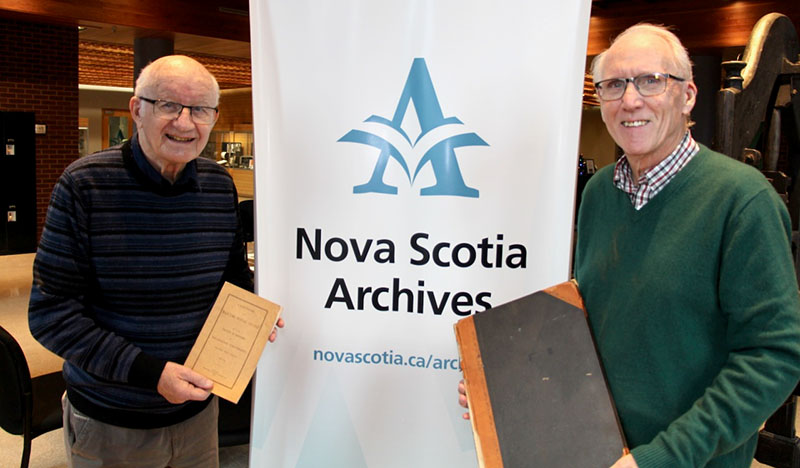
    Figure 1 (above): Dr. Doug Eisner (L) and Dr. Bill MacInnis (R) at the Provincial Archives of Nova Scotia on December 12, 2022, about to present two historically significant items to the duty archivist. Dr. Eisner is holding a copy of the first Faculty of Dentistry Calendar for Dalhousie University (1909-10). Dr MacInnis is holding the Barnes’s Dental Society Record for the Nova Scotia Dental Association (1898).

    By Dr. Doug Chaytor
    AHSAMNS board member representing NSDA

    Nova Scotia Dental Association documents of historical significance were accepted by the Provincial Archives of Nova Scotia on December 12, 2022 (Figure 1).

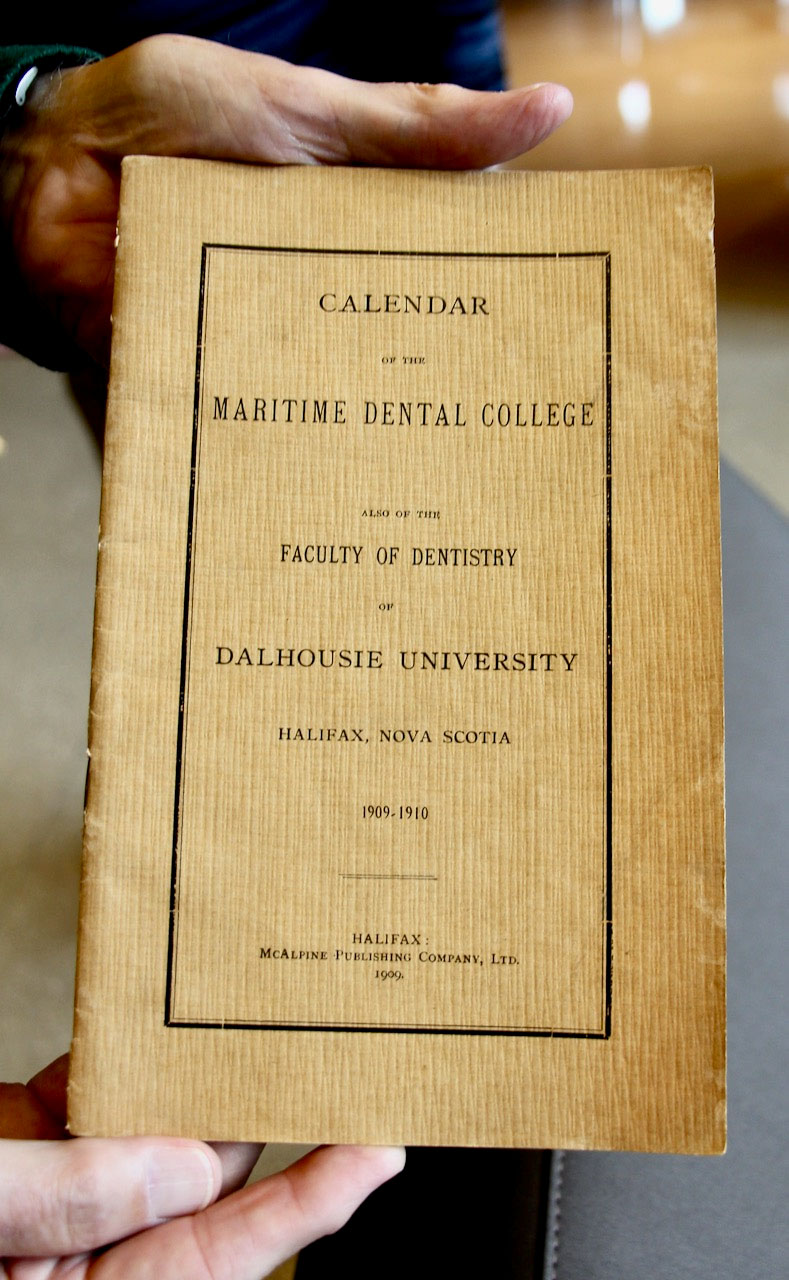
    Most notable in the group of materials was a Barnes’s Dental Society Record, presented to the Association in 1898 by Dr. George Kerr Thomson and preserved ever since by the NSDA. Dr. Thomson was the then-retiring president. The Record lists names of dentists of Nova Scotia along with their roles and accomplishments. Other materials in the group were such documents as NSDA Annual Reports, Dental Registers 1906-1907, the Dental Act of 1911, and a copy of the first calendar for the Faculty of Dentistry at Dalhousie University (Figure 2).

    Members of NSDA saw the register and some other items on display the 2018 annual meeting in Dartmouth, and some members attended an information session on NSDA history at that meeting. Out of this event, past-presidents Dr. Doug Eisner (1972-73) and Dr. Bill MacInnis (1991-92) undertook a major review and sorting of the NSDA historical holdings. They saw their efforts achieve the ultimate objective when they presented the Barnes’s Record and other materials to the duty archivist at the Provincial Archives of Nova Scotia on December 12, 2022. In due course, the material will be given accession numbers and will be made accessible to the profession and the public. Most importantly, the material will be appropriately stored.

    The Provincial Archives of Nova Scotia is, by necessity, selective in materials it will accept. The NSDA was helped in achieving this acceptance by its membership in the Association of Health Sciences Archives and Museum of Nova Scotia (AHSAMNS).

    Rosemary Barbour, Senior Archivist at the Provincial Archives, is a member of the board of directors of AHSAMNS. Rosemary provided guidance throughout the process, including an initial visit and review of the material at NSDA offices. The careful sorting and decision-making work were done by Drs. Eisner and MacInnis. They examined and determined the significance of each historical document. The NSDA Board then decided on what age of materials would be submitted to the Archives and what would continue to be stored by the NSDA.

    Initially, the Provincial Archives of Nova Scotia had to be convinced of the place of the NSDA in the history of Nova Scotia. The creation of the NSDA under the Dental Act of Nova Scotia contributed to that decision. The final decision was made by a Provincial Archives Acquisition Committee Meeting on November 8, 2022.

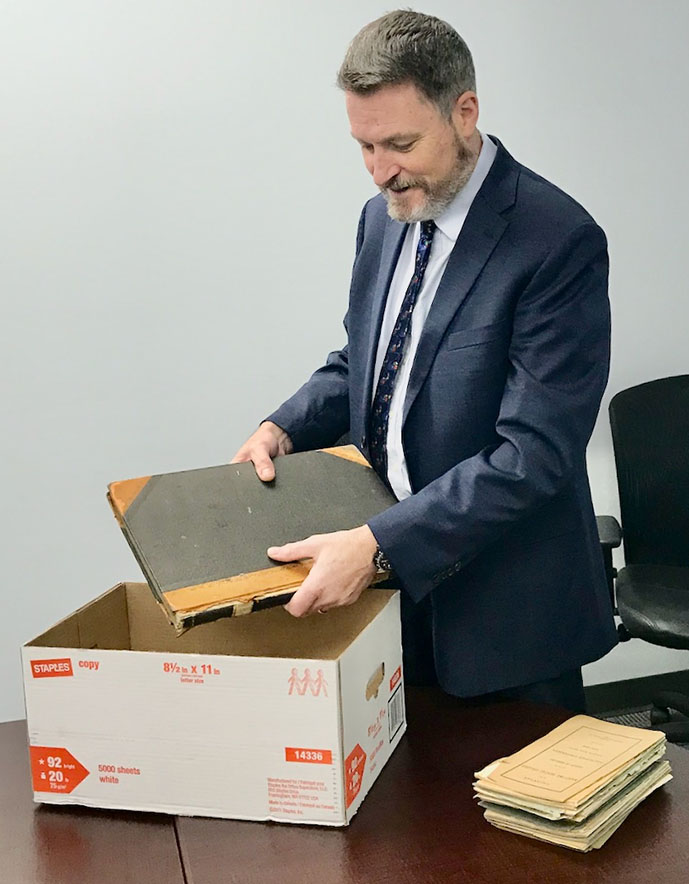
    Steve Jennex, NSDA Executive Director, has an appreciation for the history of NSDA and the profession of dentistry in general. Steve was a key person in making this all happen (Figure 3).

  • Self-care Corner: Developing healthy coping skills

    Self-care Corner: Developing healthy coping skills

    Dr. Kyla Romard
    NSDA Clinical Affairs Manager; Chair, NSDA Wellness Committee

    In the last edition of Self-Care Corner, we discussed how to physically cope with the effects of climate change, but as we continue to see more frequent disastrous weather occurrences, including wildfires, floods, and severe storms, how do we cope with the higher levels of stress and anxiety that occur in light of these events?

    Climate anxiety, or eco-anxiety, is the distress and worries we feel related to the impacts of climate change. The feelings associated with climate anxiety include uncertainty, lack of control, and concerns over the safety of ourselves and others. Emotions including, grief, anger, guilt, shame, hopelessness, and fatigue are also commonly felt when experiencing climate anxiety.

    Though climate change and its effects consist of complex issues that can feel overwhelming on an individual level, the following strategies may help us develop healthy coping skills.

    1. Focus on what you can control

    Small actions can make a big difference, including:

    • Participating in climate change initiatives
    • Building more sustainable habits around energy use, composting, recycling, and consumerism
    • Selecting food options that have less environmental impact
    • Changing the way you do your daily commute

    2. Avoid overload

    Be selective and choose issues that are important to you while prioritizing activities that are meaningful on a personal level.

    3. Practice compassion

    Chastising yourself and others for not recycling every single item can cause mental turmoil, misunderstandings, and inaction. Leading from a place of kindness and compassion, for ourselves and others, can help further any well-meaning agenda.

    4. Take a break

    The news cycle on climate change and climate events is never-ending and can take a serious toll on our mental health. It is important to tune in to your emotions and practice self-care when you start to feel overwhelmed.

    5.  Remember you are not alone

    There are many like-minded groups to join that can help foster a sense of community, action, and hope for the future.

    6. Talk to someone

    Climate anxiety is real, and not something you have to experience on your own. Reaching out to a family member, friend, or counsellor can help.

    NSDA members and their families have access to both the Professional Support Program by calling 902-468-8215 or 1-855-275-8215 or by emailing professionalsupport@doctorsns.com, and Members’ Assistance Program by calling 1-844-578-4040 or visiting nsda.lifeworks.com.

  • A Retired Dentist’s Spotlight: Dr. Will Draper

    A Retired Dentist’s Spotlight: Dr. Will Draper

    Dr. Will Draper didn’t always know he was destined for dentistry. In fact, while completing the first year of his Bachelors of Science at the University of Toronto (U of T), he considered many professions, including pharmacy, law, and medicine. Ultimately, his own dentist recommended dentistry as a career path.

    After realizing his vocation, Dr. Draper decided to apply to dental school right away — but knew getting in might be a bit of a long shot.

    “At that time, the university only accepted 20 per cent of the class after only one year of their BSc program,” he says.

    While waiting to see if he would be accepted, Dr. Draper took a summer job doing glacier research with The Ohio State University. For 11 weeks, he lived in a tent and ate freeze-dried food on Devon Island (located on the northwest shore of Baffin Bay in the Canadian Arctic Archipelago).

    “It was while sitting in our tent one evening that I heard I had been accepted to Dents at U of T — nowhere to celebrate!”

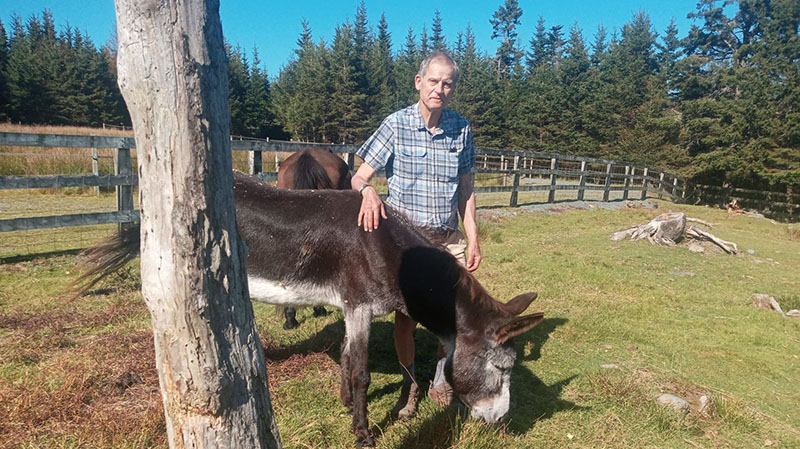
    Dr. Will Draper and his donkey, Noah. Photos courtesy Dr. Draper.

    After graduating from dental school in 1972, Dr. Draper associated in Guelph, Ont., for three years while his wife, Jinnie, attended the Ontario Veterinary College. From there, the couple went to Calgary for a year before heading to Nova Scotia.

    “We thought we’d give it a year — that was 47 years ago!” he says. “Best decision we ever made.”

    Indeed, from the get-go, East Coast living seemed to agree with Dr. Draper. In 1976, he took over Wayne Barro’s practice in Dartmouth when Dr. Barro went back to school for orthodontics. Then, in 2013, Dr. Draper expanded operations further with the purchase of a second Dartmouth clinic.

    Throughout his career, Dr. Draper was also involved with dentistry on an association level. He served on the NSDA Board for 10 years in the 1980s, where he supported the profession’s progression within the province.

    “One of the accomplishments of the Board was starting the mandatory continuing education program, which was long overdue,” Dr. Draper says. “I encourage dentists in the province to volunteer for positions to help the profession move forward. I enjoyed the camaraderie and accomplishments during those years.”

    In 2018, after 46 years in general practice, Dr. Draper decided to sell his practices, hang up his instruments, and retire from dentistry. While he thoroughly enjoyed his career, he’s the first to admit that retirement has its perks.

    “No alarm clocks anymore!” he jokes.

    Of course, that doesn’t mean Dr. Draper isn’t still busy. Quite the contrary — there’s plenty to do!

    “We started our farm 40 years ago in Lawrencetown on 25 acres by the ocean,” he says. “My wife, being a veterinarian, introduced me to the lifestyle.”

    Dr. Draper’s hobby farm is home to donkeys, as well as horse, sheep, and a barn cat.

    On the farm, Dr. Draper and his wife tend to a horse, donkeys, sheep, barn cat, and two golden retrievers named Bess and Hannah.

    “I’m just back from the shoe repair shop due to Hannah ripping apart my boots — the joys of having a puppy!” he laughs.

    The farm also includes a sizable vegetable garden, which the couple quite enjoys. They grow kale, collards, zucchini, beets, butternut squash, and chard (Dr. Draper’s favourite).

    “I have started doing a lot of cooking and enjoy that, too,” he adds.

    A long-time tennis fan (Dr. Draper served 10 years on the Board at Tennis Nova Scotia), tennis also plays a significant role in his retired life. The couple built a court on the farm and they play three times a week, year-round.

    When asked to share his thoughts on retirement with dentists about to embark on this exciting next chapter, Dr. Draper has nothing but good things to say.

    “For those of you still practising, look forward to your retirement years,” Dr. Draper says. “I thoroughly enjoyed my years in practice right until the last patient, but am really enjoying retirement.”

    As for words of advice for the next generation of dentists, Dr. Draper’s sentiment is simple: Trust your instincts!

    “Find an area you enjoy and become the best you can in that aspect of practice,” he says. “I enjoyed endo and travelled to Toronto, California, and Boston, as well as Dal for hands-on endo courses and really enjoyed that part of practice”

    Now five years into retirement and enjoying life’s daily adventures at his own pace, Dr. Draper wouldn’t have it any other way.

    “What I like best about retirement is the time that becomes available to follow your heart,” he says. “It is a wonderful chapter of one’s lifetime.”

    Dr. Draper and his golden retriever puppy, Hannah.

    Thank you, Dr. Draper, for taking the time to share your experiences and advice with the profession.

    Are you a retired dentist embarking on your next great adventure? We would love to hear from you and share your story! Reach out to Samantha, NSDA’s Communications Manager, at communications.nsda@bellaliant.com.

  • How I spent my summer vacation: Lessons in patient care from seasoned professionals

    How I spent my summer vacation: Lessons in patient care from seasoned professionals

    By Cheryl Bell, Communications Manager, DAL Faculty of Dentistry

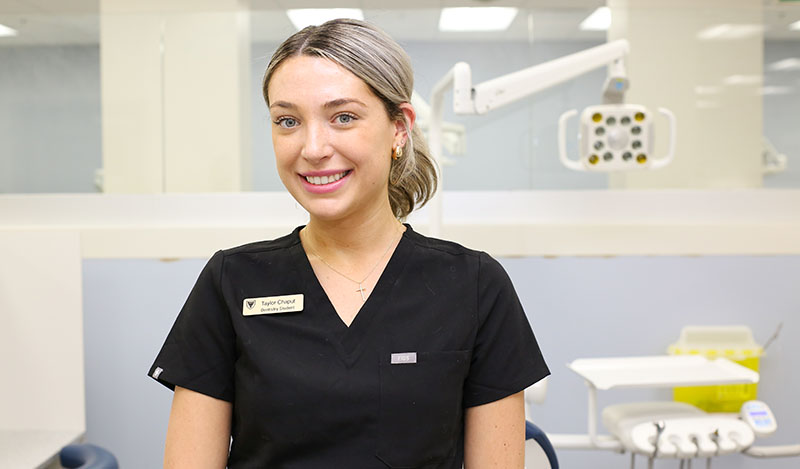
    When Taylor Chaput heard she could take a seven-week clinic observation elective in the summer between the second and third year of her Doctor of Dentistry (DDS) program, she seized the opportunity with gusto.

    Dentistry students at Dalhousie University typically spend the first two years of their program in the classroom and labs, learning the science and hand skills they will need before they meet their first patient. Everything changes in third year when students make the transition to clinical practice and begin treating patients in the Faculty of Dentistry clinic.

    For Chaput, the opportunity to spend part of the summer gaining clinic experience by watching and assisting senior dentistry students as they treated patients made good sense.

    “In dentistry school, we only have about two years where we do hands-on clinical work,” she says. “Our professors and instructors teach us as much as they can, but there will be things we have to learn on our own. I thought, ‘What greater opportunity to learn from other students and be exposed to patients I might not otherwise be exposed to.”

    Putting learning into action

    Chaput anticipated she’d be watching fourth-year students at work, soaking up information like a sponge. At most, she figured she might administer local anesthesia, which she had been taught to do.

    It was better than that, though. In fact, she was able to do three fillings herself. Chaput admits she was nervous, but knew she was “in good hands.”

    “You know, you have to start somewhere,” she says.

    One of the fillings involved drilling out decay and discovering — as her professors had told her — that a real tooth is nothing like the plastic teeth she had practised on.

    The other two restorations were on broken front teeth, which involved drilling, colour-matching, and shaping the material used to rebuild the tooth, as well as making sure the repaired tooth was comfortable for the patients — and that they were happy with the results.

    “Seeing the before and after was a standout moment for me,” Chaput says. “I’ll definitely remember it later in my career. It went well, and I was proud of my work.”

    In addition to the unexpected hands-on experience she gained, Chaput says she learned a lot about interacting with patients, particularly from Dr. Rick Raftus, one of the small group practice leaders. “He puts people at ease by being kind and just having normal conversations with them,” Chaput says.

    Before doing the elective, Chaput says interacting with patients was one of the scariest aspects of going into third year.

    “It means not just working on my typodont, which can’t talk to me, and not just taking notes on my laptop,” she explains. “We’re now putting what we learned into action, and that’s a big leap in our responsibilities.”

    Would she recommend the summer observation elective to other students? Chaput says it was a “no brainer” for her.

    “Dentistry is hard and you can’t just learn it from a book,” she says. “You have to learn it with your hands, through your peers, and from the people who have been doing it for years. This experience taught me that. It will definitely help me to become my best version of Dr. Taylor Chaput in the future.”