Author: David Salter

  • Canadian dentists to government: Here’s how to build a strong dental care plan

    Canadian dentists to government: Here’s how to build a strong dental care plan

    TORONTO, Nov. 16, 2023 (GLOBE NEWSWIRE) — In just a few weeks, the federal government is expected to announce the Canadian Dental Care Plan (CDCP). Dentists want to help the government develop a plan that will work well for patients, dental care providers, and taxpayers alike.

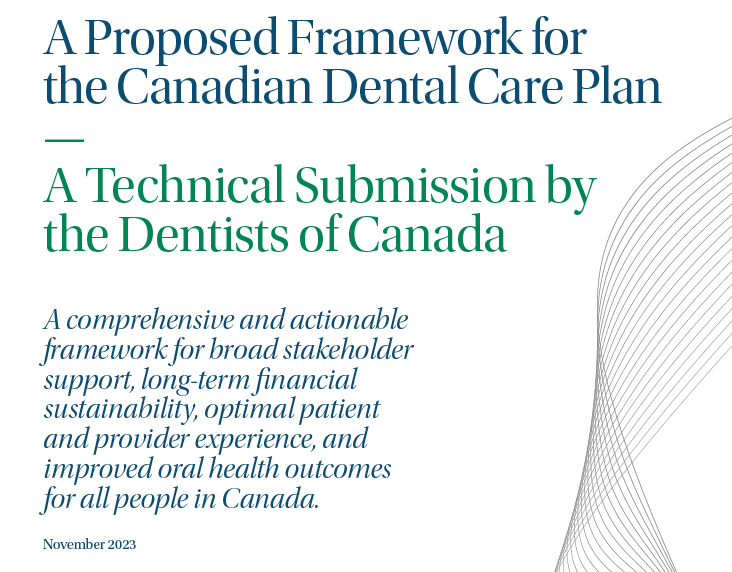
    This week, dental associations across Canada are sharing their collective expertise with all Canadians. A Proposed Framework for the Canadian Dental Care Plan is now available for anyone to read. This comprehensive and actionable framework for a strong dental care program is based on data, research, and input from dental experts across regions and specialties. It is a collection of the advice the associations have offered the government over the past few months.

    Dentists believe a strong CDCP should:

    • Safeguard access to dental care by respecting the current workplace, school, and/or group dental insurance system
    • Allow each patient to choose their own dentist in their community
    • Ensure people can access the dental care they need without having to deal with needless administrative delays and red tape
    • Work with existing government dental programs so people can get the most out of the dental care they’re entitled to
    • Fairly compensate the dental professionals who deliver the care

    In addition to the Proposed Framework, dentists urge the government to implement a coordinated plan to increase skilled labour for dental offices. There are already serious shortages of dental hygienists and dental assistants across Canada. The CDCP will dramatically increase staffing demands in dental practices. Without enough of these skilled professionals, patients could face delays in getting the dental care they need.

    Until the federal government can deliver a strong CDCP, dental associations recommend at least a temporary expansion of an initiative that is already working for Canadians: the Canada Dental Benefit. This is a fixed-dollar amount that a patient can use to be reimbursed for dental-related expenses. Nearly nine out of 10 Canadians support the Canada Dental Benefit, and public surveys suggest that most would support an oral health spending account as a permanent solution.

    A Proposed Framework for the Canadian Dental Care Plan is now available on the websites of Canada’s provincial and territorial dental associations, including nsda.org.

    Quotes:

    “We all want the same thing — a successful and sustainable Canadian Dental Care Plan. The only way we reach our goal is if dentists and policy makers work together to create a plan that benefits patients, while respecting both providers and taxpayers.” — Dr. Bruce Yaholnitsky, President, Alberta Dental Association

    “As oral health providers, BC dentists welcome the opportunity that the Canadian Dental Care Plan offers to raise the oral and overall health of Canadians, especially those facing financial barriers. The CDCP’s long-term success is premised on addressing patient needs while being fair and sustainable.” — Dr. Rob Wolanski, President, British Columbia Dental Association

    “This dental program has the opportunity to benefit the oral health of Canadians! This can make a real difference for so many. We hope the government can benefit from the united work our provincial and territorial dental associations have provided to make this program a success!” — Dr. Scott Leckie, President, Manitoba Dental Association 

    “Dentists are your partners in oral health and the provincial and territorial dental associations are continuing to do what we can to help the federal government enhance access to care for Canadians through the CDCP.” — Dr. Shane Roberts, President, Newfoundland and Labrador Dental Association

    “The dentists of Canada pride themselves on the high quality of oral health care they provide to Canadians. We want to see this historic government investment provide the same high quality of care made accessible to our more vulnerable populations.” — Dr. Juli Waterbury, President, Nova Scotia Dental Association

    “The CDCP could become one of Canada’s greatest achievements in public health, but only if the government gets it right. Canada’s provincial and territorial dental associations have worked hard to help the government create a CDCP that Canadians can be proud of.” — Dr. Brock Nicolucci, President, Ontario Dental Association

    “As Saskatchewan’s oral health providers, we welcome the opportunity that the Canadian Dental Care Plan offers to raise the oral and overall health of all Canadians, including those facing financial barriers. We are hopeful that the plan’s design will be successful and sustainable for patients and dentists alike.” — Dr. Derek Thiessen, President, College of Dental Surgeons of Saskatchewan

    Media Contact:

    Katherine Howska
    khowska@sussex-strategy.com


    A Proposed Framework for the Canadian Dental Care Plan: Read and download the full technical submission by the dentists of Canada.
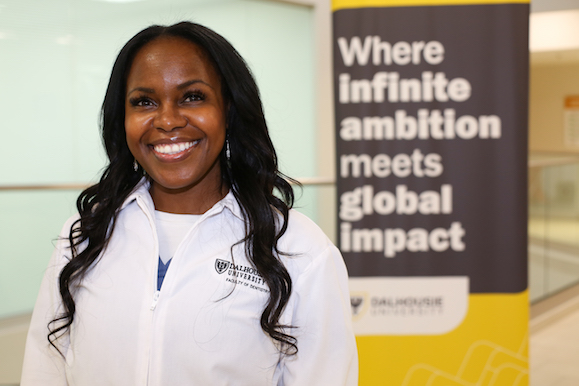
  • Meet Dr. Ferne Kraglund, Associate Dean of Students at Dalhousie University Faculty of Dentistry

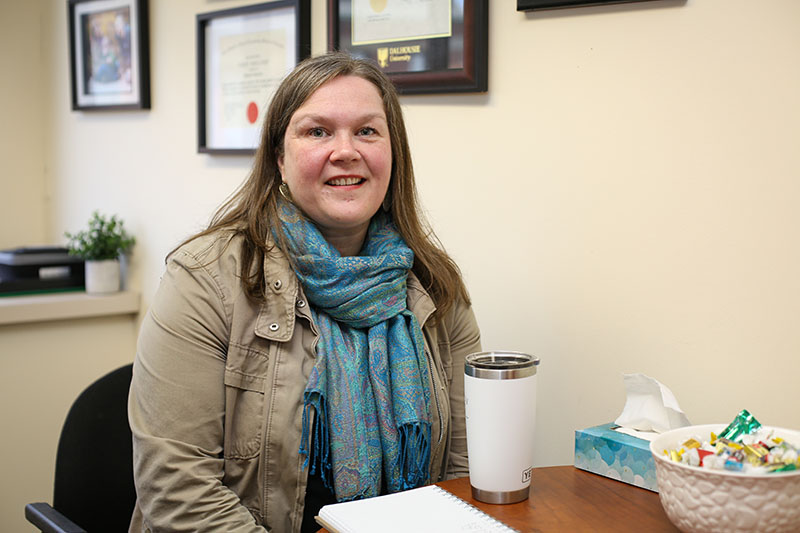
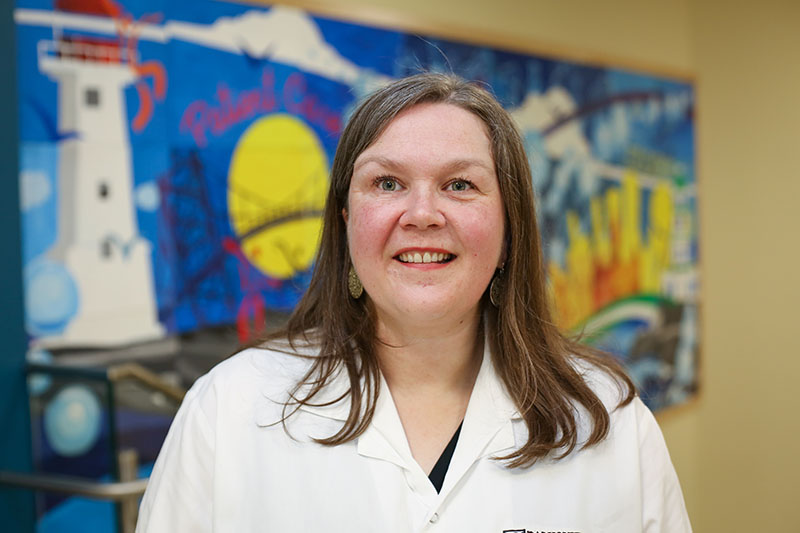
    Meet Dr. Ferne Kraglund, Associate Dean of Students at Dalhousie University Faculty of Dentistry

    In junior high and high school, Dr. Ferne Kraglund (DDS ‘04) volunteered on the geriatric floors at Saint John Regional Hospital in New Brunswick. There, she enjoyed chatting with patients who had dementia.

    Kraglund’s mother was a nurse, and her father was a teacher. Some of her friends’ dads were physicians, and she eventually ruled out a career in medicine when she noticed they weren’t home much. Knowing she wanted to have a family someday, Kraglund considered optometry and dentistry because of their regular hours. Ultimately, she chose the latter, partly because she had a good rapport with her own dentist.

    While this might seem like an unusual way for a teenager to spend her spare time, it wasn’t odd for Kraglund. “I grew up around older individuals, and I liked talking to them,” she says. “I thought I’d become a geriatrician, specializing in dementia.”

    After completing a BSc with a double major in biology and psychology from the University of New Brunswick Saint John, Kraglund sent away for applications to the dental schools at Dalhousie and McGill.

    “I ripped up the one for McGill and just applied to Dal,” she says. “I had never been to either of them, but I knew I wanted to be close to home.”

    From practice to teaching

    After graduating in 2004, Kraglund returned to Saint John and practised there for two years. While she enjoyed treating patients, she discovered she didn’t care for the business side of private practice. So, she reached out to Dal to ask about teaching. She was encouraged to try it part time, which she did for a year.

    It was a gruelling schedule. Kraglund, who was 28 at the time, would work in Saint John Mondays through Wednesdays, then hop in the car late on Wednesday nights and drive to Halifax, where she slept on her sister’s couch. On Thursdays and Fridays, she taught in the Faculty of Dentistry from 8 a.m. to 5 p.m. During those 12 months, she realized she enjoyed teaching more than practice.

    When it was brought to her attention there were no public health dentists on faculty, Kraglund was asked if she’d like to return to school. There was only one Canadian university offering a dental public health master’s degree, which was the University of Toronto.

    “My husband and I had bought a house in Saint John the year before, so it wasn’t good timing in that way, but I knew the program was a specialty made for me,” she says.

    In 2007, Kraglund moved to Toronto, leaving her husband and dog missing her back home. As lonely as she was for them, too, she was determined to complete the two-year program.

    In July 2009, degree in hand, she moved to Halifax (with her husband and dog!) to teach full time.

    “I loved it right away because it was such a good fit,” she says.

    From then until 2019, she also worked one private practice day at the Faculty Practice Clinic. It was there where Kraglund experienced a full-circle moment from her days as a hospital volunteer. For more than a decade, two of her regular patients were an older married couple. Over time, she noticed a cognitive deterioration in the husband.

    “His wife talked to me about what was happening to him, and it was like therapy for her,” she says. “It felt like my volunteer work and my psychology studies had prepared me to have those kinds of conversations with patients.”

    Here during the good, the bad, and the ugly

    Kraglund’s teaching has encompassed all four years of the DDS curriculum and clinical instruction in the School of Dental Hygiene. In 2014, she was appointed assistant dean, students, and in 2019 she became associate dean, students.

    “It’s a 24/7 job because I’m here for our students during the good, the bad, and the ugly,” she says. “I tell them I’m like their mom here — I have candy and Kleenex on my desk.”

    Students are advocating for themselves now more than ever, Kraglund notes, especially when it comes to their mental health and wellness, which she supports.

    “We want them to enjoy their time in this community, and to be involved partners,” she says. “You have to accommodate when it’s reasonable, but also not be afraid to say no with good reason.”

    The students’ welfare is always at the forefront for all faculty.

    “The students bring us into the building, and they’re inquisitive and fun to work with,” Kraglund says. “We spend a lot of time with them, and it’s sad to say goodbye when they graduate, but I’m also super excited to welcome our new students each fall.”

    In 2021, Kraglund received the Rosemary Gill Award, which demonstrates a high level of commitment to students. Today, she’s reflective as she prepares to step away from her associate dean role in 2024.

    “I’d like to think I made headway in allowing the students to have a lot more say than I did when I was in their shoes, and having the staff and professors think about them in a different way,” she says. “If we’re all happy, it helps us show up and do our best. It’s an honour and a pleasure to work with them from recruitment right through to when they become alumni.”

    Five Questions with Dr. Kraglund
    1. What do you do in your own time for fun?
    I love spending time with my husband and son. We love music, playing games, watching movies, and adventuring in local parks. Personally, I like to do puzzles, build Lego, cross-stitch, and hike.
     
    2. What’s your main message when it comes to promoting oral health?
    Fortunately, most people in Canada have good oral health and are well cared for by our dental community. There are, however, many individuals who still need our care and attention. I want to encourage and challenge my colleagues and students to seek out people who need our help in getting the care they need and deserve. We have great capacity in our professions to make a huge impact on someone’s life. The cases that are personally the most memorable and rewarding are the ones that give me the warm fuzzies.
     
    3. What would you do for work if you had to choose an alternative career?
    I would be a geriatrician specializing in dementia. They were the individuals I enjoyed the most when I volunteered as an adolescent.
     
    4. Do you have a hero or role model you look up to?
    I have too many to mention! There have been so many wonderful people who have had an impact on me, both personally and professionally. I try to take the qualities I admire the most about people I meet and apply them to my own life.
     
    5. What would you take to a desert island?
    Can I take a contestant from Alone?! That’s probably cheating. I wouldn’t want to subject my family to being on a desert island, so I’d want to have a dog for company…and a multi-tool and tarp!
  • Retired Dentist Spotlight: Dr. Gary Foshay

    Retired Dentist Spotlight: Dr. Gary Foshay

    Dr. Gary Foshay shared these words of wisdom to fellow dentists embarking on retirement: “Plan well…and remember to develop hobbies and interests that will sustain you and provide satisfaction. Also…..enjoy the opportunity! A life well lived!

    Dr. Gary Foshay, while known well amongst many of his peers in Nova Scotia, wasn’t always on the path to dentistry.

    “I was late coming to dentistry, having worked in several jobs. I worked cruising timber, went to sea on ice-breaker tankers as a deck hand, and then worked with Air Canada for four years before attending university in my mid twenties,” said Dr. Foshay.

    He had intended to become a wild life biologist and had training under his belt with a BSc, Honours, from Mount Allison when he was offered a fellowship to continue his studies and complete his Ph.D. in Australia. Before committing to life down under, Dr. Foshay explained, “I decided to also apply for dentistry at DAL and was fortunate enough to be accepted, so I had the opportunity to delay my graduate studies for a year to see if dentistry was the right choice. I found I was fascinated by dentistry and the rest is history!”

    And a dentist was born.

    Throughout his studies, he shared that he was influenced by Dr. Gordon Pentz and encouraged to consider periodontics, and after 2 years of general practice in Lunenburg, he was accepted in Perio at the University of Pennsylvania under Dr. Walter Cohen and Dr. Jay Siebert. After graduation, the east coast was calling and he decided to return to his home, Halifax, where he had a part time teaching appointment at Dalhousie Dentistry and also a practice opportunity with Dr. Ed Hannigan and Dr. Noel Andrews. Teaching was a passion, and he taught at Dal for 25+ years of the 37 years he maintained a periodontal practice in Halifax.

    Throughout his career, Dr. Foshay believed giving back to the profession through volunteerism was important, serving on both provincial and national committees, running the scientific programs for three national conventions, lecturing locally and internationally and held the role of President with the Canadian Academy of Periodontology.

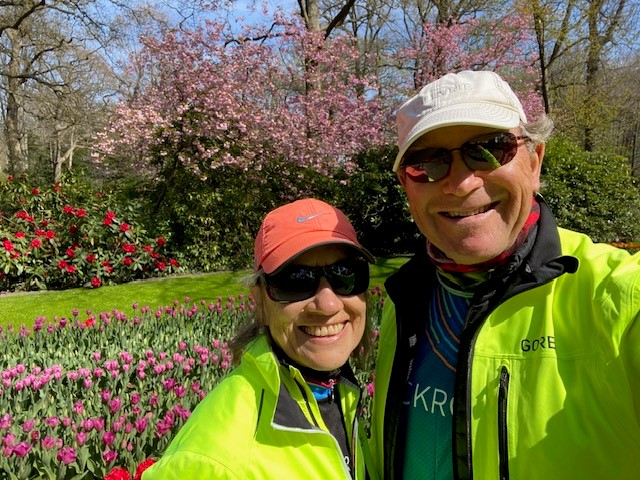
    Since his retirement, you can largely find Dr. Gary Foshay on the water or enjoying nature! He enjoys sailing, skiing, and hiking as well as spending time with his amazing spouse Mary Steckle, friends and family. Of course, all the better when over a glass of wine and great food.
    Dr. Foshay with his wife, Mary Steckle.

    Since his retirement, you can largely find Dr. Foshay on the water or enjoying nature! He enjoys sailing, skiing, and hiking as well as spending time with his amazing spouse Mary Steckle, friends and family. Of course, all the better when over a glass of wine and great food.

    When speaking about the profession he ultimately chose, he said,

    “I loved the spectrum of opportunity that Periodontics offered. This specialty offered challenging and dynamic changes over my career and allowed me to continuously pursue excellence in offering treatment for my patients, in teaching and lecturing widely.”

    Standout milestones in his career include being an early leader in implant treatment, bone and sinus grafting, and tooth movement for periodontal reasons. Also, being invited back and honoured by the University of Pennsylvania as their guest speaker to the alumni of the Periodontal, Perio-Ortho and Periodontal Prosthesis annual meeting.

    Dr. Foshay loves offshore sailing, racing and has undertaken some long distance boat deliveries, including a 32 day trip from Capetown, South Africa to Genoa, Italy to deliver a new 100 foot racer/cruiser! Skiing and heli-skiing were a passion for many years and fit nicely with his desire to travel and to experience different cultures and languages.

    When asked for his advice to young and new dentists, he shared, “Dentistry is a great way to have a life, and keep work and personal life in balance. One is easily seduced into working too hard and neglecting personal needs and family commitments. Also, begin planning for retirement early…..never too early!

    Being a retired dentist himself, he also shared words of wisdom with those about to embark on this next exiting chapter, “Plan well…and remember to develop hobbies and interests that will sustain you and provide satisfaction. Also…..enjoy the opportunity! A life well lived!

    Thank you, Dr. Foshay, for your contributions and dedication to the people of Nova Scotia and the profession.

    Are you a retired dentist embarking on your next great adventure? We would love to hear from you and share your story! Reach out to Samantha, NSDA’s Communications Manager, at communications.nsda@bellaliant.com.

  • Welcome to the Profession 2023: Paving the way for success

    Welcome to the Profession 2023: Paving the way for success

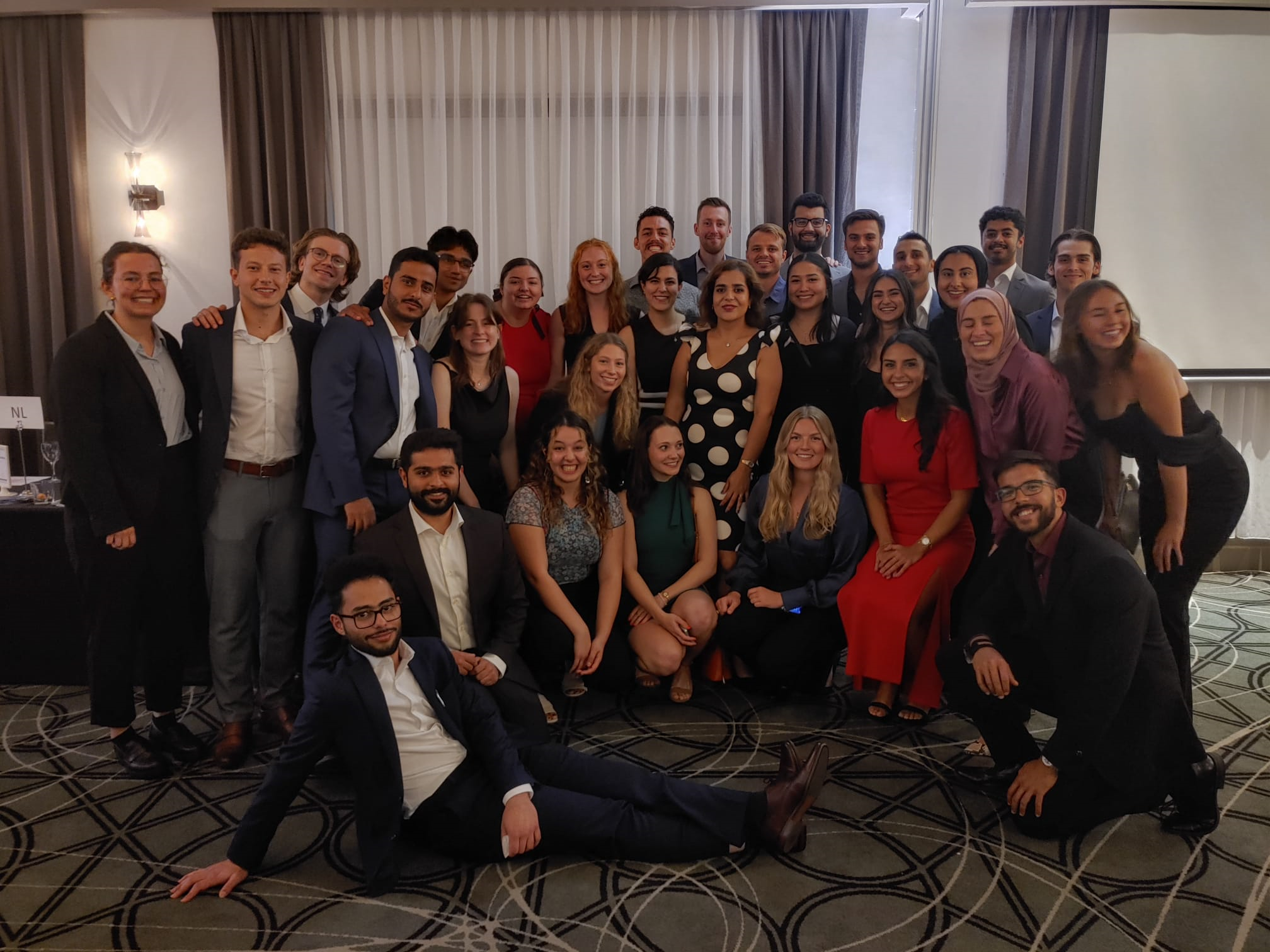
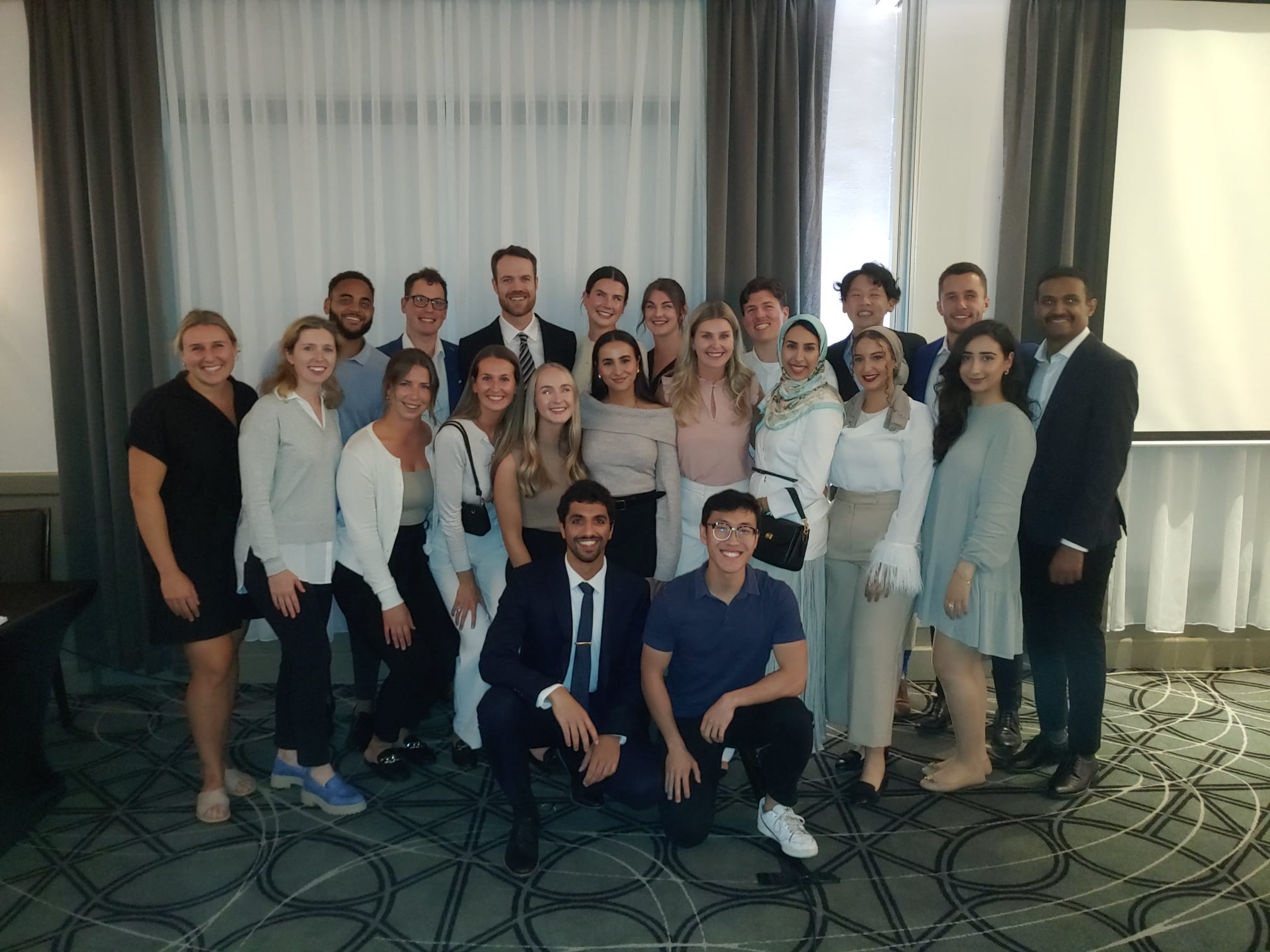
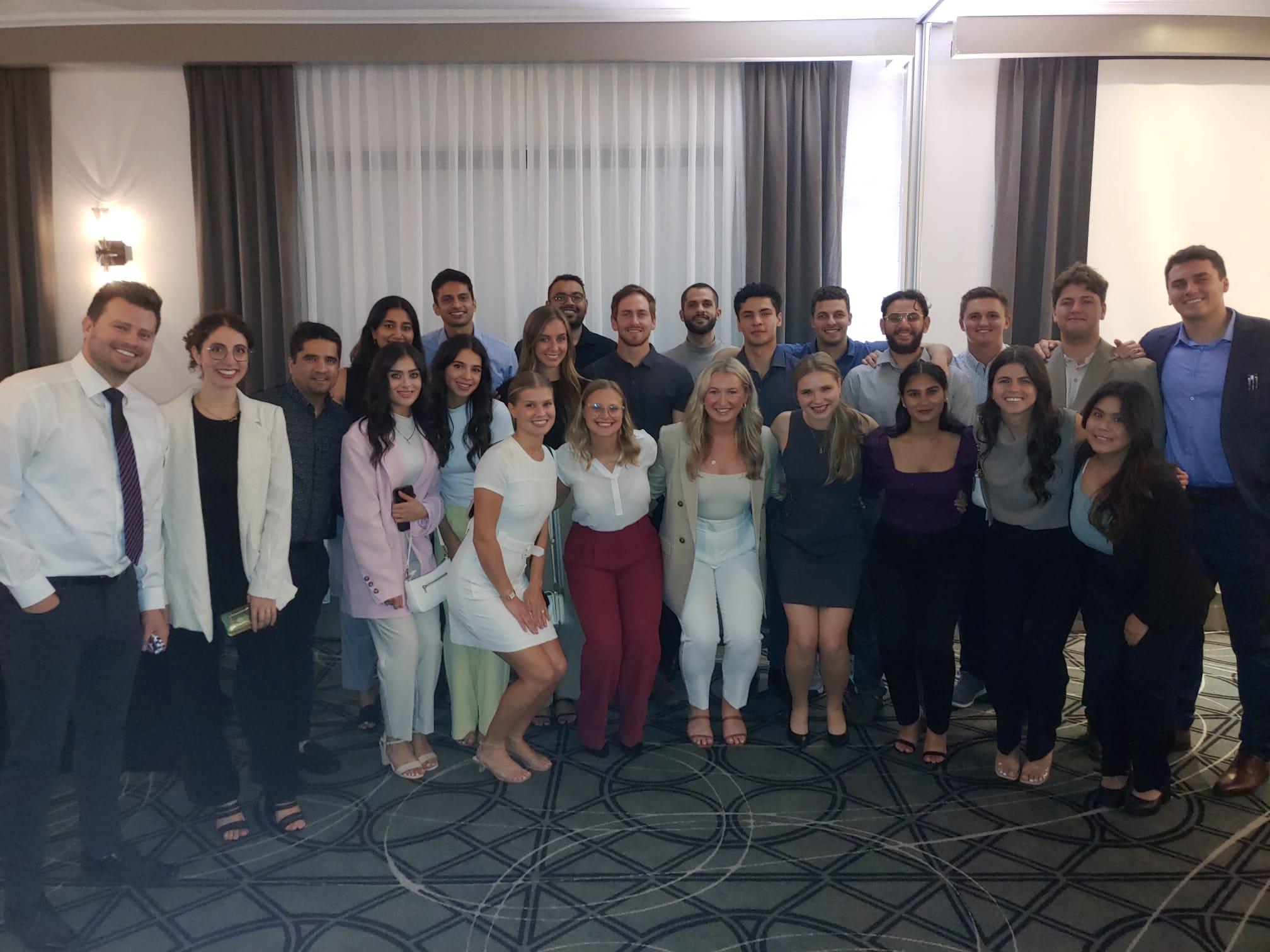
    Nova Scotia’s next generation of dentists gathered at The Prince George Hotel in downtown Halifax on Sept. 7 to mark NSDA’s annual Welcome to the Profession event.

    Sponsored by CDSPI, the celebration hosted dozens of first- to fourth-year Dalhousie Dentistry students for an evening of good food, refreshments, and, of course, networking. Many special guests were in attendance, including NSDA committee members, as well as representatives from CDSPI, the Provincial Dental Board of Nova Scotia, and the Faculty of Dentistry at Dalhousie University. Members of the New Brunswick Dental Society, the Dental Association of Prince Edward Island, and the Newfoundland and Labrador Dental Association also joined in on the fun.

    This year’s theme was “Atlantic Provinces: Trivia.” Attendees were invited to put their East Coast knowledge to the test and take part in some friendly competition.

    “The Welcome to the Profession night is always a highlight of the year for the NSDA,” says Dr. Juli Waterbury, the association’s president. “For the students, it is an introduction to their chosen profession and the roles of the dental associations in the Atlantic provinces. For the NSDA, it is a reminder of the great potential, enthusiasm and promise the students from Dalhousie University will bring to dentistry in Canada.”

  • Why e-cigarettes should be on your dental risk radar

    Why e-cigarettes should be on your dental risk radar

    It’s officially autumn. The leaves have begun their vibrant colour changes, the air is noticeably cooler, and we’ve all settled into the new routines that come with the season. This time of seasonal change may inspire some of us to make our own positive personal transformations — those looking to break their addiction to cigarettes and traditional tobacco/cannabis products come to mind.

    Unfortunately, however, harmful habits can also arise in those individuals who are vulnerable to peer pressure, such as our young adolescent population, who are now well into their school year. E-cigarettes (also known as vaping devices) are currently the most commonly used tobacco product among Canadian youth and millennials, surpassing the use of conventional tobacco products including cigarettes, cigars, and chewing tobacco.

    In fact, a recent article from CBC on youth vaping in Nova Scotia tells us that data from Statistics Canada show a third of high school students in the province are vaping and almost 55 per cent report having tried vaping at least once. It is thought that if stricter regulations do not come into effect, the next generation will be the most nicotine-dependant and heaviest smoking in recent history.

    While some anecdotal evidence suggests that e-cigarettes could help some smokers kick their habit, the evidence also suggests that vaping can act as smoking initiation for youth. Are e-cigarettes really as bad as their traditional tobacco and cannabis counterparts? Are e-cigarettes friend or foe?

    To understand the effects, we must first consider both the components and appeal of vaping. E-cigs are hand-held electronic devices that resemble traditional cigarettes in their shape, action, and inhalation. They consist of a battery part, which powers an automizer; the atomizer acts to vapourize the liquid stored in the cartridge into aerosols which are then inhaled. The liquid or “e-juice” usually contains propylene glycol and glycerol, with or without flavourings and nicotine or cannabis.

    Though most experts agree that vaping is found to be marginally safer than cigarettes (containing lower levels of toxins such as diethylene glycol, lead, nickel, and chromium, and none of the tar or carbon monoxide found in cigarette smoke), e-cigs are not harmless. The long-term effects of vaping are still unknown, but emerging data suggests it may increase risk of heart damage and stroke, similar to their traditional counterparts. Vaping may also be linked to acute and chronic lung disease, resulting in documented fatalities. E-cigs may also increase the risk of other adverse health effects, including seizures, tachycardia, disorientation, congestive heart failure, airway resistance, pneumonia, and burns from defective devices.

    In addition to the concerning systemic effects of vaping, it is important for dentists to be aware of the potential harm of vaping on the oral cavity and educate our patients on these adverse effects. Recent studies have shown that, similar to traditional cigarettes, vaping induces disturbances in gingival epithelial cells. In an article in the Journal of Cellular Physiology, Canadian dental researcher Dr. Mahmoud Rouabhai and his colleagues found the percentage of dead or dying cells in the oral cavity increased to 53 per cent after three exposures to e-cigarette vapour. In comparison, that percentage averaged two per cent in control groups. This damage to the gingival epithelium can increase the risk of infection, inflammation, and gum disease. Long-term, it may also increase the risk of oral cancer, though further research is needed.

    Another study from researchers out of The Ohio State University examined the changes in the subgingival microbiome seen with the use of e-cigarettes. It was found “the risk-for- harm associated with vaping may be similar to or greater than smoking. The similarity in the microbiomes of former, current, or never smokers who vape does not support the hypothesis that e-cigarettes promote harm reduction in cigarette smokers.”

    Like cigarettes, most e-cigs contain nicotine, and, though it is delivered in smaller doses, the negative effects of nicotine on the oral cavity should still be anticipated. These include gum recession, bad breath, and increased parafunctional habits, as well as concealing an important gum disease indicator, bleeding on probing, due to nicotine’s action as a vasoconstrictor. Another common side effect of vaping is xerostomia, which can increase the risk of dental caries. These recommendations will continue to change with developing research and long-term studies.

    As it stands, e-cigs are not currently approved by Health Canada as a smoking cessation aid. Therefore, it is important that dentists recommend to patients only medically licensed smoking cessation products and fully educate those looking to use or using e-cigs on the pros and cons based on the studies available.

    In addition to oral health promotion and patient education, dentists should be advocating for the regulation of e-cigarette use among young people by recommending the government prohibit the use of certain flavours, such as fruity or chocolate, as these are more likely to appeal to adolescents.

    Other restrictions on e-cigs should include prohibiting the sale of these products to those under 18 years of age and regulations on advertising and promotion.

  • Dalhousie Grad profile: Olu Brown

    Dalhousie Grad profile: Olu Brown

    A whole new world

    Olu Brown’s (DDS’23) first encounter with the Faculty of Dentistry at Dalhousie University was as a nervous patient needing several fillings.

    The story could have turned out very different differently, but Brown says that she and her dentistry student Wade Power (DDS’07) worked through the treatments together. “He improved my dental IQ and decreased my dental fear. And I just fell in love with this place,” she says with her big smile. That was in 2006.

    The start of a beautiful – and very long – relationship

    At the time, Brown was a psychology student at Dalhousie University, trying to decide between becoming a nurse or a psychologist. But her connection with Dal goes back much farther.

    As a student at Highland Park Junior High, Brown was selected to attend a week-long math camp for African Nova Scotian kids, which gave her the opportunity to live on campus and attend classes.

    “It opened my eyes to university and university life,” says Brown. “Nobody in my family had gone to university and I had no idea there was this world out there.”

    Brown returned to campus in 2001 to take the Transition Year Program for African Nova Scotian and Indigenous students. “The idea is that it helps you bridge the gap between high school and university,” says Brown. “It was a deep dive into our history – who we are and why, and why education is so important. It was really great for me.”

    Nearly four years later, Brown was reaching the end of her BSc in psychology when her trip to the Dalhousie Dental Clinic opened her eyes to the world of oral health. She began to take the prerequisites for the diploma in dental hygiene program and her application was successful.

    The process may sound straightforward, but Brown was also caring for her young daughter, born was Brown was 18, and working in blood collection in the Dickson Building at the QEII Health Sciences Centre. “I’d work 6:00 to 8:00 a.m. and then run across to class in the Dentistry Building at 8:00.”

    Brown says she loved dental hygiene and the feeling of belonging to a profession. But after graduating in 2009 and a year of practice, she came back to take the recently introduced bachelor of dental hygiene (BDH) degree program. “I wanted the degree – the full package,” she explains.

    The BDH program exposed Brown to outreach clinics in schools and, most memorably, at Mount Hope Hospital where she cared for patients with mental diseases. Brown realized she wanted to help people who live in long-term care facilities.

    The process of packing and unpacking instruments and supplies each week and travelling to the hospital gave Brown a solid foundation for her mobile dental hygiene business, which she launched in 2011, shortly after the dental hygiene profession became self-regulating.

    Successful right out of the gates, she worked with United Way and travelled between clinics at schools and different special needs and youth groups. Brown operated her mobile business for nine years, until COVID-19 brought it to an end.

    Exciting beyond what she imagined

    By then, however, Brown was back at the Faculty of Dentistry. The initial spark Brown had felt when she first visited the Dalhousie Dental Clinic in 2006 had not gone away. “I loved dental hygiene, but part of me wasn’t satisfied. I wanted to do more for my patients.” Her mentor and role model, Dr. Barb Hamilton-Hinch, also encouraged her.

    “I am ambitious,” she admits. “I enjoy achieving the impossible and being uncomfortable doing so. Becoming the first doctor in my family and starting a legacy for them is really important to me.”

    With her daughter more independent, the time felt right. Brown assembled the credits she needed for dentistry and continued to operate her mobile clinic until she was accepted on her second application.

    In 2019, Brown was back at Dal again as a first-year dentistry student. She was already familiar with hand skills and patient care, but the science involved in dentistry was a whole new world for her. “I was blown away by evidence-based medicine, the intricacy of the human body, and the link between the oral cavity and overall health.”

    Working in the outreach clinic at the North End Community Health Centre was another highlight. “Most of the patients were people from my home community,” she says, “including some of the friends I grew up with.”

    She also recalls the moment she delivered her first denture. “It’s so exciting to be able to give a patient new teeth and a smile,” she says. “After eight or nine appointments, you’ve built a relationship with them and you’re nervous and happy for this moment in their life.”

    Brown loved the spirit and supportiveness of the class, too. “When I was in dental hygiene, the world was a different place,” she explains. “I was one of two black kids in my class. I felt really isolated.”

    Fast forward nearly 20 years and her class is made up of students from a wide range of ethnicities and backgrounds. “I can’t imagine a better group of people. I never felt I was a part of something as much as I do now,” she says.

    Now 43, Brown thinks her student years have come to an end. She’ll begin working at the Bible Hill Dental Clinic this summer, and she and some of her classmates plan to create a website to help students from minority backgrounds find the educational information and resources they need.

    And, because she loves “this place” so much, Brown would love to return to Dal – again – to teach.

    “I am ambitious,” says Olu Brown. “I enjoy achieving the impossible and being uncomfortable doing so. Becoming the first doctor in my family and starting a legacy for them is really important to me.”
    Olu Brown. Photographer: Bruce Bottomley
  • Don’t let cavities scare you this Hallowe’en!

    Don’t let cavities scare you this Hallowe’en!

    Bedford, NS, October 23, 2023 – It’s the time of year again when millions of children (and adults) eat a bit too much candy in a very short period of time. Whether you’re trick-or-treating or handing out candy yourself, it’s tough not to sneak a sweet treat or two on Hallowe’en.

    Not to scare you, but your dentist knows what you’re up to!

    “As dentists, we know Hallowe’en is a time when kids eat a larger-than-usual amount of sugar,” says Dr. Juli Waterbury, President of the Nova Scotia Dental Association (NSDA), “but we also know how fun and exciting the holiday is! That’s why it’s important to find ways for kids to have a great time, while also protecting their teeth and gums.”

    This protection starts by being aware of the types of treats we’re eating. After all, sugar is the main contributor to tooth decay, which is the leading cause of cavities — especially in kids and young people. Sticky and chewy candy can be particularly hazardous, Dr. Waterbury cautions.

    “Treats like gummy bears, caramels, and taffy get stuck on your teeth, settle into the grooves, and can be tricky to remove,” she says. “It might be best to avoid them.”

    Fear not, though: There are other treats to enjoy!

    “Believe it or not, chocolate can make for a better choice sometimes instead of sticky, hard, or sour candies,” Dr. Waterbury says. “Even though it is high in sugar, chocolate rinses away from teeth more easily.”

    To help ensure happy teeth and gums this Hallowe’en, consider the following tips, courtesy of the NSDA:

    • Set limits in advance: Before heading out for trick-or-treating, talk with your child about treats and decide together how many they can have.
    • Keep bags small: To help limit the number of sugary candies your child receives, trick-or-treat with a small bag in lieu of the more traditional pillowcase.
    • Stick to favourites: Try to focus on the most loved goodies and skip the rest.
    • Dinner first: Enjoy a sweet treat after a meal so your child is less likely to overindulge.
    • Try sugar-free gum: Chewing sugar-free gum helps to increase saliva flow, which helps to wash away acids and bacteria present after eating candy. Gum containing xylitol is especially effective, as this actively blocks the production of decay-causing acid on the teeth.
    • Stay hydrated: Likewise, drinking a glass of water after a sugary snack will help wash away some of the sugars and acids that can lead to cavities.
    • Make some trades: Encourage your kids to swap leftover Hallowe’en treats for something else they may enjoy, like a book, a toy, or a special trip to the movies.
    • Avoid candies that last: Hard candy and lollipops take a long time to dissolve and stay in your child’s mouth for an extended period of time. This leaves plenty of time for teeth to get coated in sugar and for bacteria to start to turn that sugar into acid.

    When it comes to protecting teeth and gums and maintaining good oral health, the most important thing to remember is to brush two times a day and floss daily to remove sugar, dental plaque, and help prevent cavities.

    “It’s okay to have treats on Hallowe’en — just brush after!” Dr. Waterbury says.

    From all of us at the NSDA, have a safe, fun, and healthy Hallowe’en!

    About the Nova Scotia Dental Association

    The Nova Scotia Dental Association (NSDA) is a member-based organization serving the needs of more than 500 dentist members across the province. As a not-for-profit organization, the NSDA has been the voice for dentistry in Nova Scotia since 1891. Its mission is dentists helping dentists. For more, visit https://nsdental.org.

    Media Contact:
    Samantha Ashenhurst
    Communications Manager
    Nova Scotia Dental Association
    902-420-0088 ext. 2
    communications.nsda@bellaliant.com

  • Health, well-being of Canada’s dentists supported via CDA partnership

    Health, well-being of Canada’s dentists supported via CDA partnership

    In honour of Healthy Workplace Month (October), the Canadian Dental Association (CDA) has partnered with Mental Health Commission of Canada (MHCC) to promote CDA’s The Working Mind: Workplace Mental Health & Wellness for Oral Health Care Professionals course. Available in-person or online, the program aims to encourage Canadian dental professionals to prioritize their mental well-being while providing top-notch care to their patients.

    “This course provides a safe space for oral health professionals to observe the importance of maintaining positive mental health in the workplace,” says Dr. Heather Carr, CDA President. “We hope to empower the entire dental team to prioritize their well-being, foster a supportive atmosphere, and, ultimately, improve the care they receive.”

    The course consists of three modules for teams, along with an additional module designed specifically for managers to provide them with the tools needed to lead their teams towards a healthier work environment.

    Creating a dental work environment that is inclusive and where individuals can open up freely about their mental health concerns without fear of being judged is essential to promoting better health, as well as fostering understanding and compassion in the workplace, CDA says.

    “This course allows oral health colleagues and managers to learn to recognize the subtle signs of mental health issues,” says Geoff Valentine, Manager of Programs and Services at CDA. “Our goal is to help create workplaces where all employees not only feel supported in their well-being, but are also encouraged to seek help for any mental health issues they may be experiencing.”

    “This personalized, evidence-based training program helps reduce mental health stigma,” adds Shane Silver, Vice-President of Social Enterprise & Opening Minds at MHCC. “It creates an environment where people come first and makes them feel comfortable engaging in discussions and asking for help. The result is a healthier workplace, which leads to better health for the Canadian workforce.”

    For more information on The Working Mind: Workplace Mental Health & Wellness for Oral Health Care Professionals, click here.

  • Self-care Corner: What is “Bee Breathing”?

    Self-care Corner: What is “Bee Breathing”?

    The act of breathing is so basic that most of us rarely ever think about it in our day to day life. We know that each inhale provides our body with the oxygen needed to survive and each exhale rids us of carbon dioxide. In addition to keeping us alive, breathing can also affect our state of mind, making us excited, calm, tense or relaxed.

    Using specific breathing techniques can allow us to regulate our emotions, especially in times of stress. “Bee Breathing,” named for the humming sound that is produced akin to our friend the bumble bee, is one of the best exercises to help rid the mind of agitation, frustration, and anxiety.

    Other benefits include:

    • Relief if you’re feeling hot or have a slight headache
    • Improves concentration
    • Reduces throat ailments
    • Helps mitigate migraines

    In addition to the mental and physical benefits, a major advantage of this, and any other breathing technique, is that it can be practiced anywhere.

    How to practice:

    • Sit in a comfortable, tall seat, making sure your spine is straight and your heart is lifted
    • Place your thumbs over the cartilage between the cheek and ear, gently closing the canal
    • Cover your eyes with remaining fingers
    • Have the mouth closed, jaws relaxed, and teeth slightly apart
    • Press the tongue lightly to the roof of your mouth
    • Inhale fully, then exhale while making a humming sound like a bee
    • Repeat the same pattern for two to five minutes
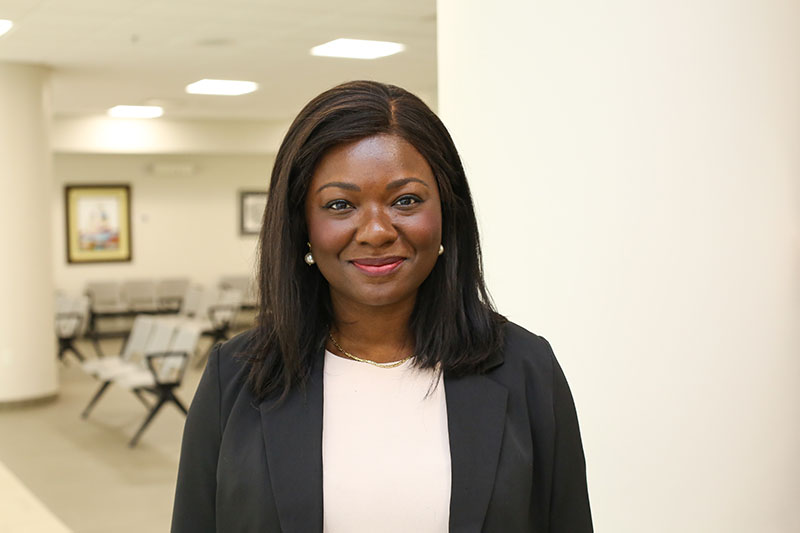
  • Dalhousie Grad profile: Alero Boyo

    Dalhousie Grad profile: Alero Boyo

    Figuring out the future step by step

    For Alero Boyo, convocation this year meant tying a bow on 17 years of university education. Her most recent degree, a combined Doctor of Medicine/Master of Science in Oral Maxillofacial Surgery from Dalhousie University, accounts for the final six years. The university accepts just one student into this program each year, so Boyo is the lone graduate for 2023  – and only the second female graduate from the program.

    Back in 2006, when she was studying for her first degree at the University of Ottawa, Boyo didn’t dream of becoming an oral and maxillofacial surgeon, but she felt that a health sciences profession was in her future.

    “I don’t think anyone knows where they’re going to end up, unless your plans are really focused,” says Boyo. “And sometimes you have plans and then your plans change.”

    She explored both medicine and dentistry during her undergrad years as a medical science student, volunteering at a children’s hospital in Ottawa and a dental clinic for homeless and underprivileged people. But it was what she saw at the dental clinic – and the influence of a good mentor – that captured her interest.

    Boyo’s next step surprised even her. “I decided rather late that I wanted to do dentistry,” she explains. “So even though I’d written the DAT exam, I had missed the deadlines to apply to the Canadian dental schools that cycle.”

    So, “just to see”, she applied to dental schools in the UK and Ireland and was accepted at the School of Dental Science at Trinity College Dublin, a five-year program.

    “It was a great decision, and it gave me a different life experience,” says Boyo, who enjoyed easy and inexpensive European travel while she was in Dublin, and the opportunity to make friends from many different places. The second term of her fourth year at dental school was spent as an Erasmus scholar on exchange in Stockholm, taking over the patient lists of a Swedish dental student who spent the term in Dublin treating Boyo’s patients.

    A series of stepping stones

    Dr. David Psutka, Boyo’s mentor from Toronto and an oral and maxillofacial surgeon, helped her think about her next step and encouraged her to consider specializing. 

    Although her interest in oral and maxillofacial surgery was growing, Boyo decided to spend a “stepping stone” year doing a general practice residency (GPR) at Mount Sinai Hospital in Toronto.

    “In Canada, you don’t typically apply for oral and maxillofacial surgery right out of dental school,” Boyo explains. “A GPR gives you more hands-on exposure to complex cases, including oral surgery, so it helped me explore my options.”

    There are just five English-speaking oral and maxillofacial surgery programs in Canada, so it’s competitive to get in. The first time she applied, Boyo was turned down. Although it was disappointing, Boyo decided to spend a second stepping stone year at the University of Michigan School of Dentistry where she pursued an oral surgery internship.

    She explains that the role meant functioning as a first-year resident, helping out in the clinics, being on call, and assisting in the operating theatre. “It was great experience to get, whether you wanted to pursue oral surgery or add to your skills as a general dentist,” says Boyo. It also strengthened her applications to study oral and maxillofacial surgery the second time round.

    In it for the long haul

    Not surprisingly, Boyo says she had doubts and concerns before embarking on her six-year program at Dalhousie. “It’s hard work and a long commitment,” she admits.

    But she likes that oral and maxillofacial surgery is a “bridge” between medicine and dentistry. She also says that it’s really rewarding professionally, particularly in terms of the kinds of difference an oral and maxillofacial surgeon can make in some patients’ lives.

    The work ranges from caring for patients who have been in accidents or are receiving cancer treatment, to dealing with wisdom teeth or treating temporomandibular joint (TMJ) disorders. Boyo says she enjoys it all, even though a typical day begins at the hospital around 6:30 a.m. with rounds and doesn’t end until around 5:30 or 6 p.m. It’s not unusual to study for exams in the evenings, plus residents are typically on call one night a week and one weekend a month. It’s a real job combined with being a student.

    Boyo may joke about going to law school next, but really, she is happy with the path she has taken to get where she is. Each of her stepping stones gave her an opportunity to explore her options and to learn and prepare for the next step.

    And that included coming to Dalhousie. “It’s a strong program and well rounded,” says Boyo. Some other oral and maxillofacial surgery programs are only four years long, whereas Dal’s is six years and incorporates medical school as part of the program. “Did I enjoy all of it? Probably not, but it was all good learning,” Boyo admits.

    This graduation is the beginning of an exciting new chapter for Boyo. Her six years in Halifax have convinced her that this is now home. She will start work at a private practice this summer and also hopes to have a role supervising and mentoring undergraduate students in the Faculty of Dentistry.

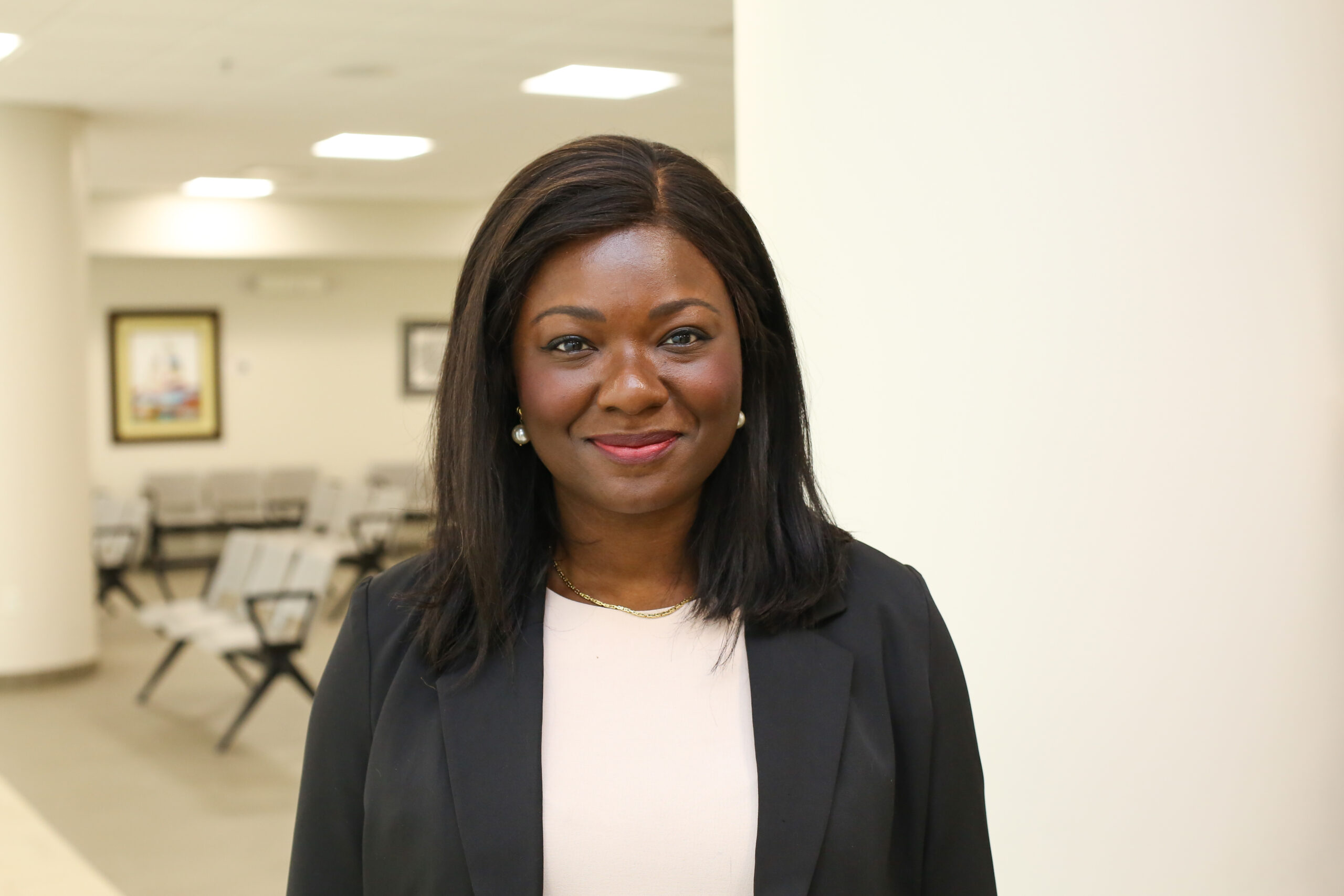
    Alero Boyo. Photographer: Bruce Bottomley